Progress in the Design and Application of Chemical and Biological Sensors Based on Atom Transfer Radical Polymerization
Ning Xia, Fengli Gao, Zhaojiang Yu, Shuaibing Yu, Xinyao Yi

TL;DR
This review discusses how ATRP is used to create advanced chemical and biological sensors for various applications like drug delivery and diagnostics.
Contribution
The paper systematically summarizes recent progress and future directions of ATRP-based sensors across multiple fields.
Findings
ATRP enables the synthesis of well-defined polymers for advanced sensing materials.
ATRP-based sensors are effective for ion sensing, small-molecule detection, and bioimaging.
The review highlights ATRP's role in signal amplification for biosensors.
Abstract
Atom transfer radical polymerization (ATRP) is a leading reversible deactivation radical polymerization method. It has become an emerging technology to synthesize well-defined, tailor-made polymers, promoting the development of advanced materials (e.g., bioconjugates and nanocomposites) with precisely designed and controlled macromolecular architectures. ATRP-produced polymers or polymeric materials have been successfully applied in the fields of drug delivery, tissue engineering, sample separation, environmental monitoring, bioimaging, clinical diagnostics, etc. In this review, we systematically summarize the progress of ATRP-based chemical and biological sensors in different application fields, including ion sensing, small-molecule detection, bioimaging, and signal amplification for biosensors. Finally, we briefly outline the prospects and future directions of ATRP. This review is…
Genes, proteins, chemicals, diseases, species, mutations and cell lines named across the full text — each resolved to its canonical identifier and authoritative record.
Click any figure to enlarge with its caption.
 Figure 1
 Figure 2
 Figure 3
 Figure 4
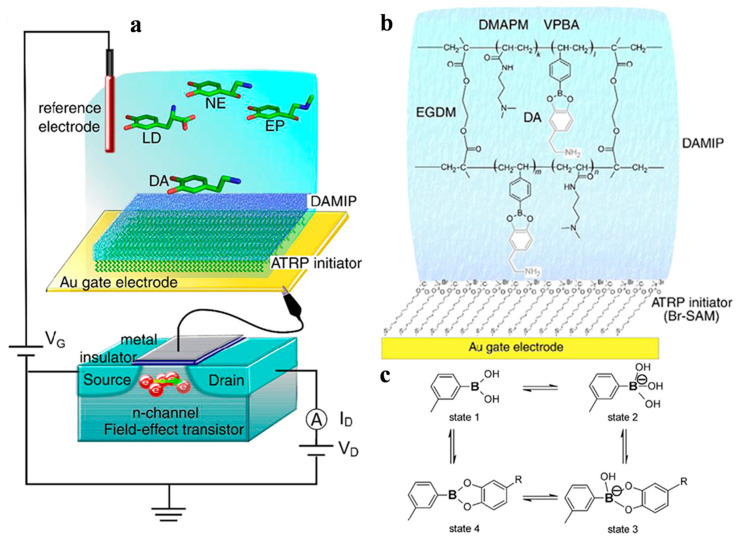 Figure 5
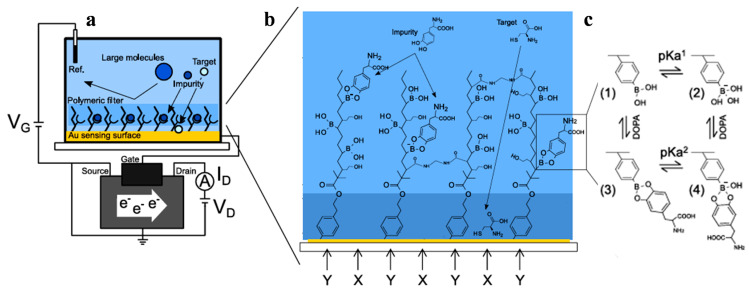 Figure 6
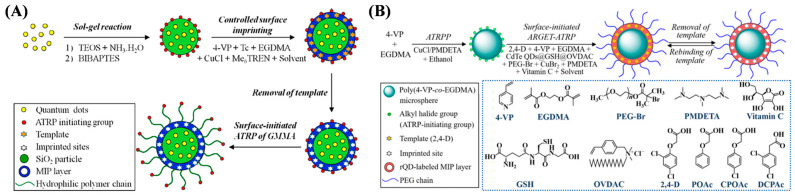 Figure 7
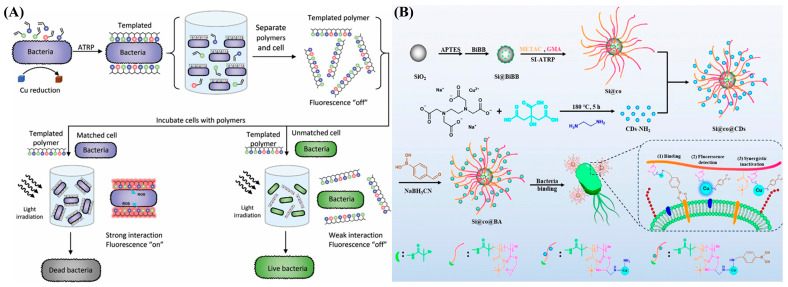 Figure 8
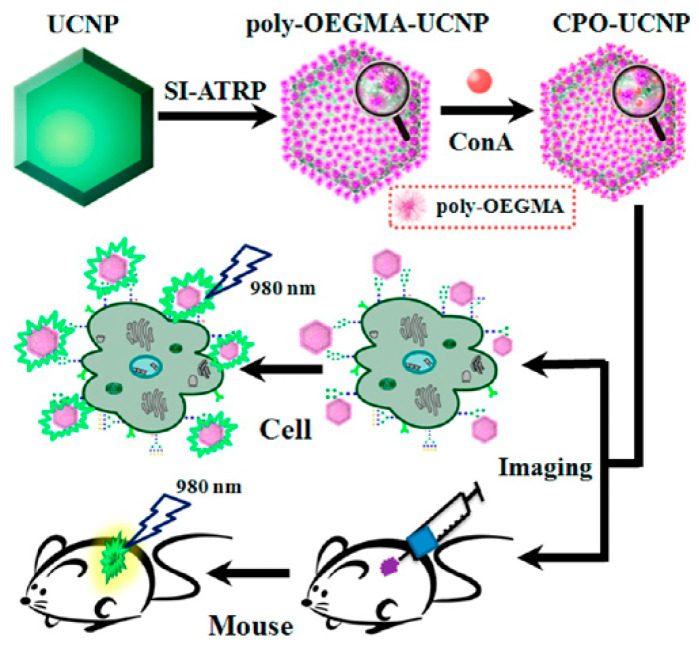 Figure 9
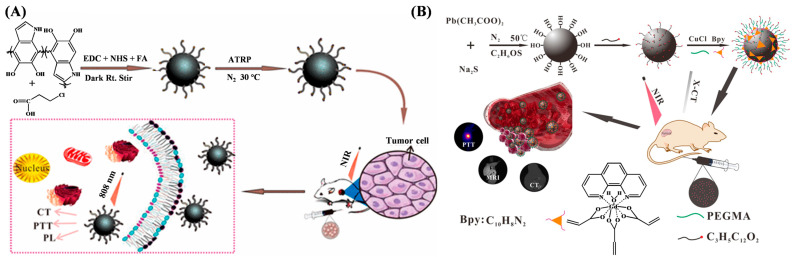 Figure 10
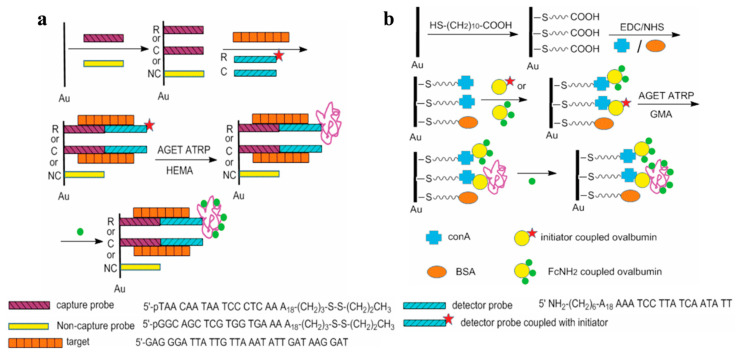 Figure 11
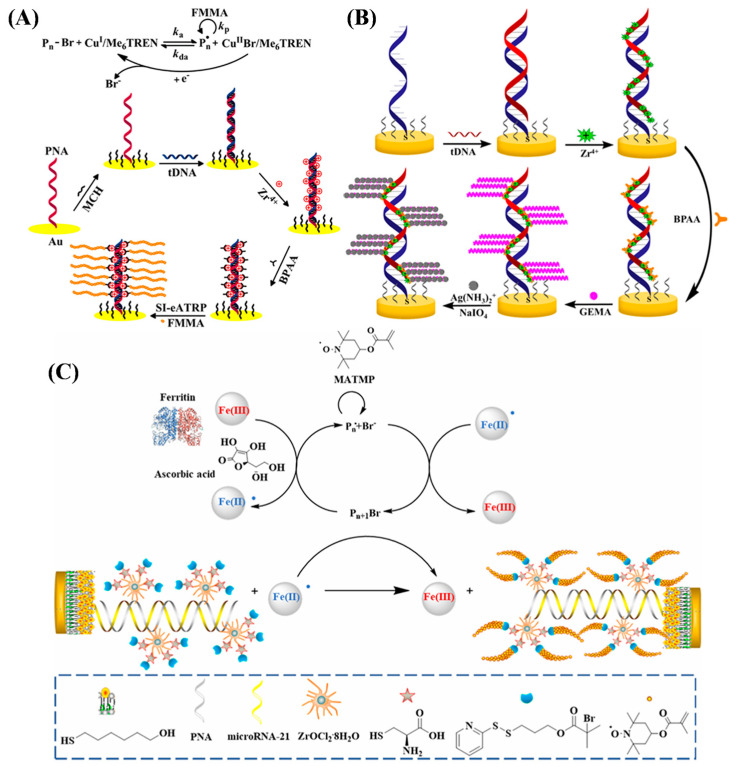 Figure 12
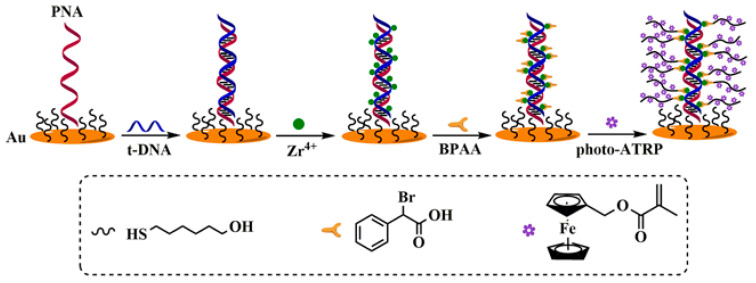 Figure 13
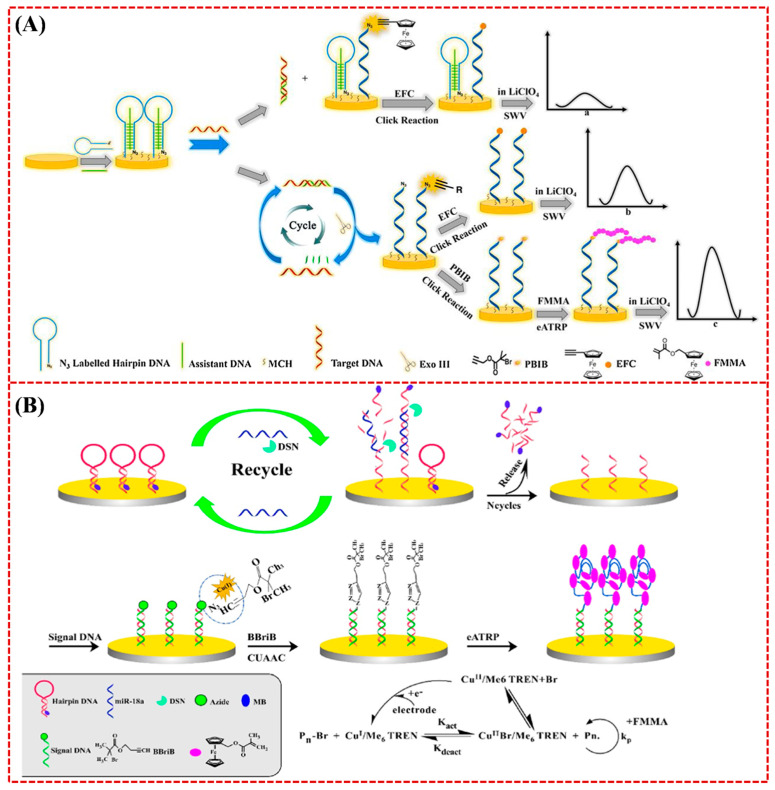 Figure 14
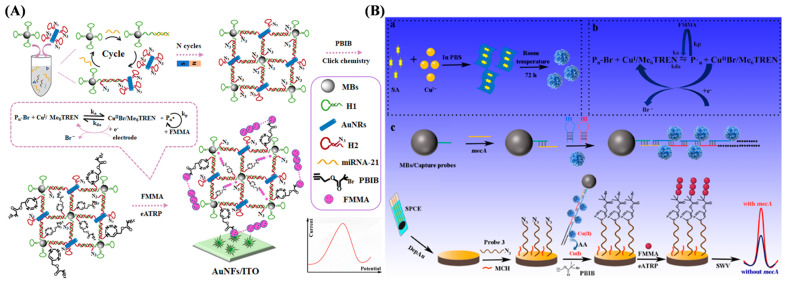 Figure 15
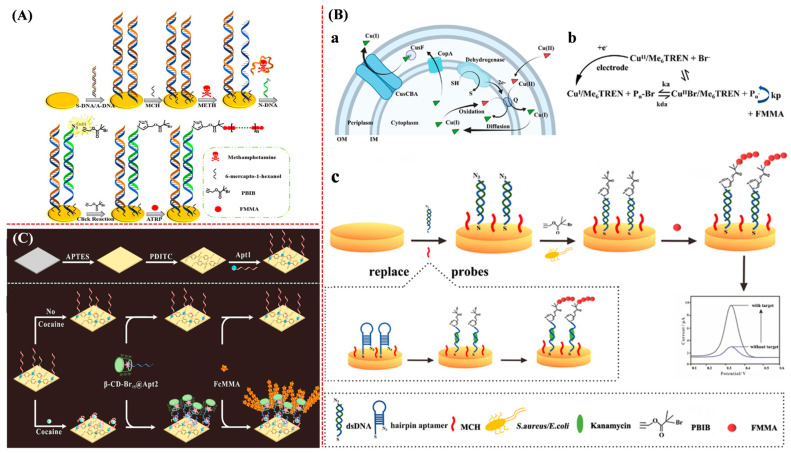 Figure 16
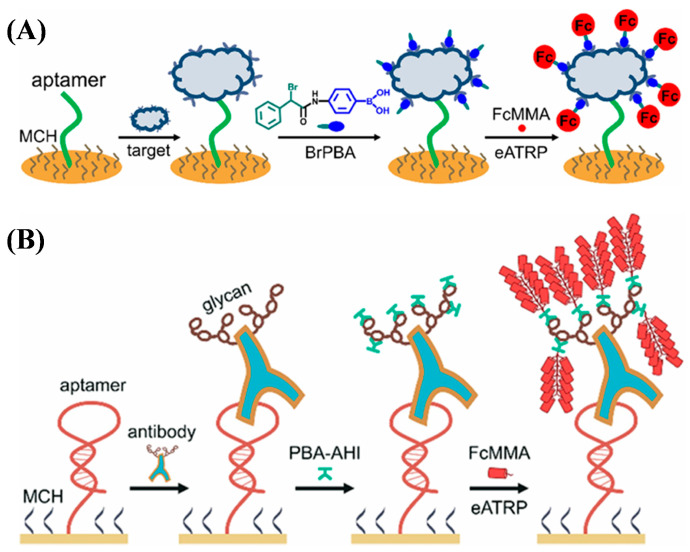 Figure 17
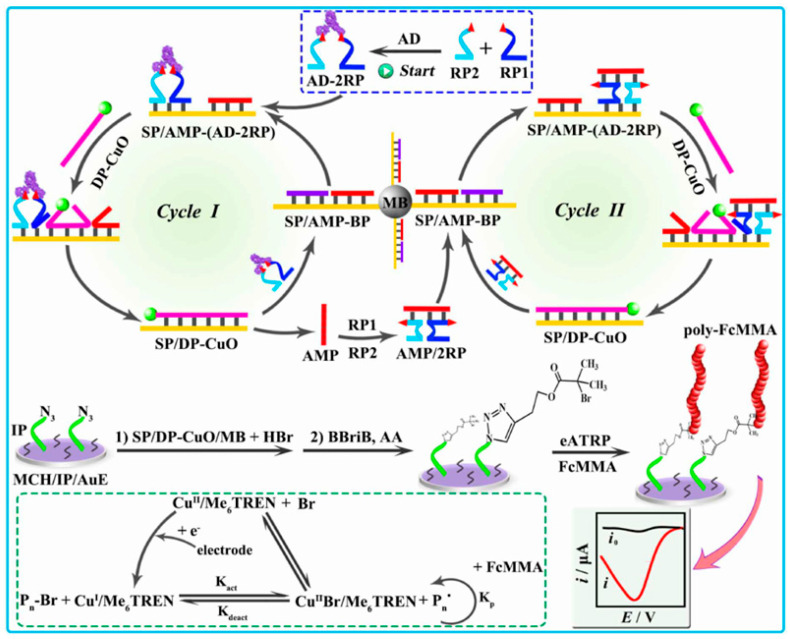 Figure 18
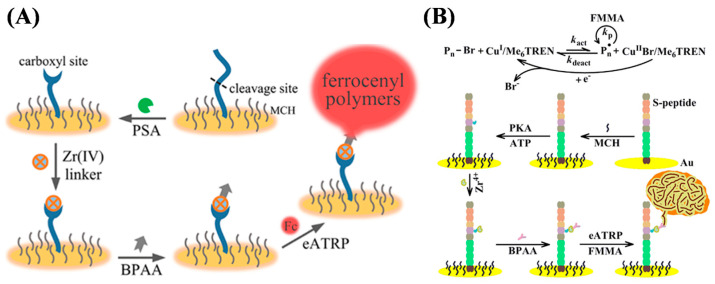 Figure 19
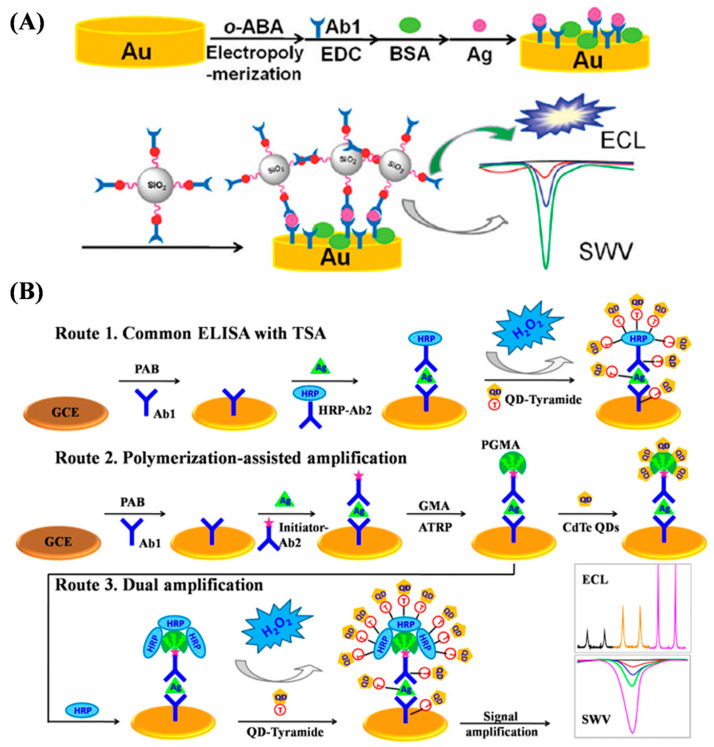 Figure 20
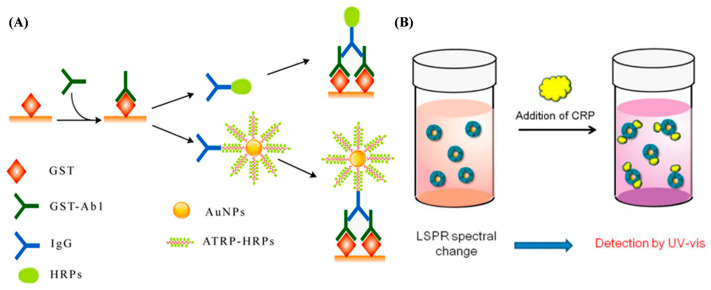 Figure 21
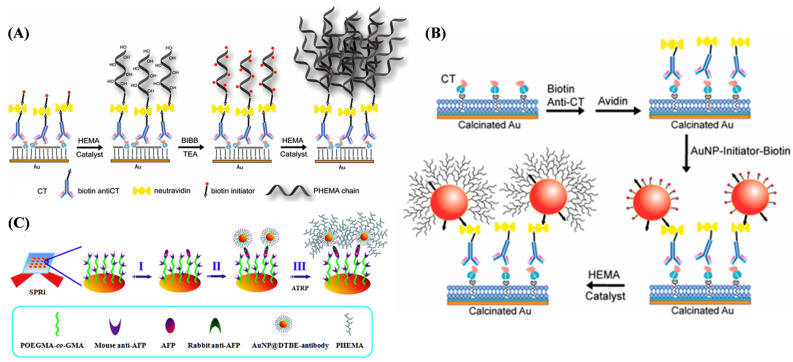 Figure 22
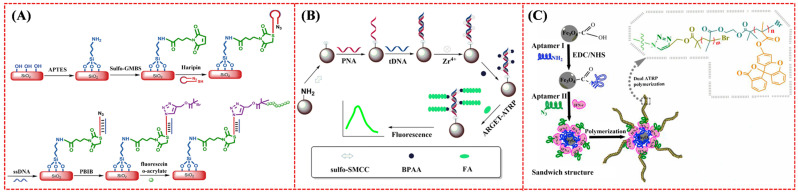 Figure 23
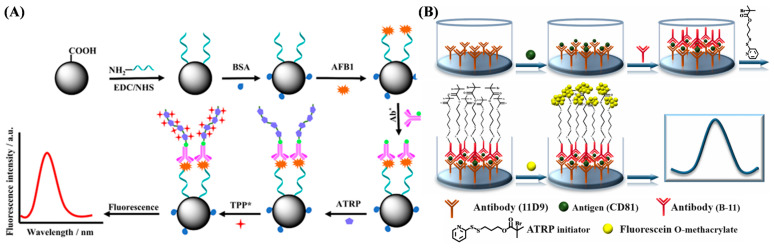 Figure 24
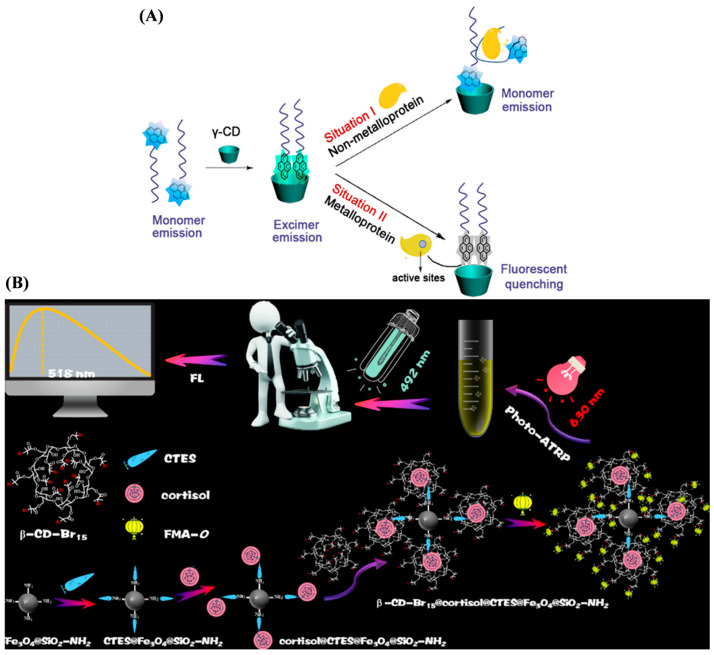 Figure 25
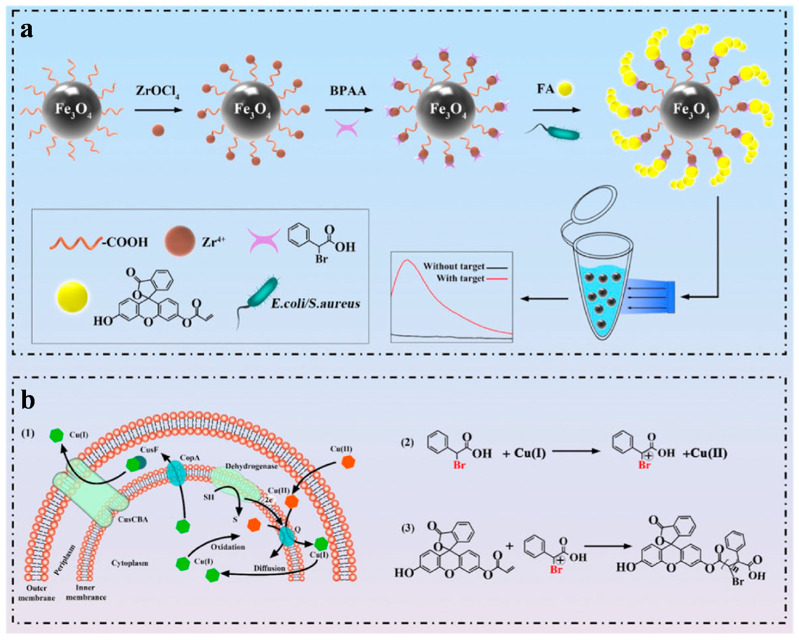 Figure 26
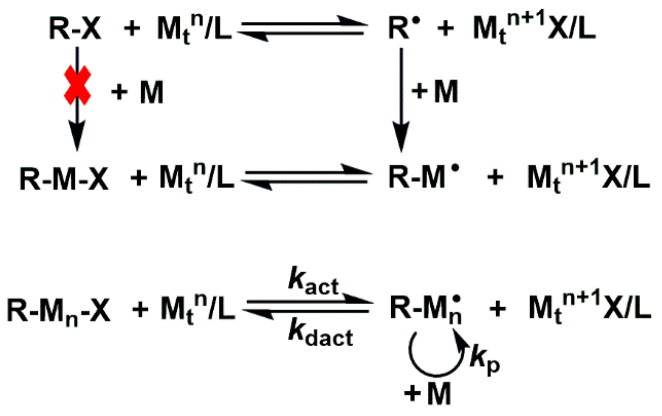 Figure 27
Peer Reviews
No public reviews on file for this paper yet. If you reviewed it on a platform where reviews are public (OpenReview, ICLR, NeurIPS, ICML), you can paste yours below so the community can read it here.
Videos
No videos yet. Explain this paper in a talk, walkthrough, or lecture? Add one.
Taxonomy
TopicsAdvanced Polymer Synthesis and Characterization · Hydrogels: synthesis, properties, applications · Block Copolymer Self-Assembly