A Bionic Sensing Platform for Cell Separation: Simulation of a Dielectrophoretic Microfluidic Device That Leverages Dielectric Fingerprints
Reza Hadjiaghaie Vafaie, Elnaz Poorreza, Sobhan Sheykhivand, Sebelan Danishvar

TL;DR
This paper introduces a bionic microfluidic device that uses dielectrophoresis to efficiently separate breast cancer cells from blood cells based on their unique dielectric fingerprints.
Contribution
A novel bionic DEP-based microfluidic system is proposed for label-free, high-efficiency separation of cancer cells from blood components.
Findings
The system achieves a predicted separation efficiency of nearly 92%.
Three-stage separation allows for isolating MDA-MB-231 cells from different white blood cell subtypes.
Parameters like electrode potentials and channel width significantly impact separation efficiency.
Abstract
Cancers are diseases described by the irregular spread of cells that have developed invasive features, enabling them to invade adjacent tissues. The specific diagnosis and effective management of oncological treatments depend on the timely detection of circulating tumor cells (CTCs) in a patient’s bloodstream. One of the most promising approaches to CTC separation from blood fractions involves the dielectrophoresis (DEP) technique. This research presents a new DEP-based bionic system designed for MDA-MB-231 breast cancer cell isolation from white blood cell (WBC) subtypes with a viable approach to cell viability. This work leverages the principle that every cell type possesses a unique dielectric fingerprint. This dielectrophoresis microfluidic device is designed to act as a scanner, reading these fingerprints to achieve a continuous, label-free separation of cancer cells from blood…
Genes, proteins, chemicals, diseases, species, mutations and cell lines named across the full text — each resolved to its canonical identifier and authoritative record.
Click any figure to enlarge with its caption.
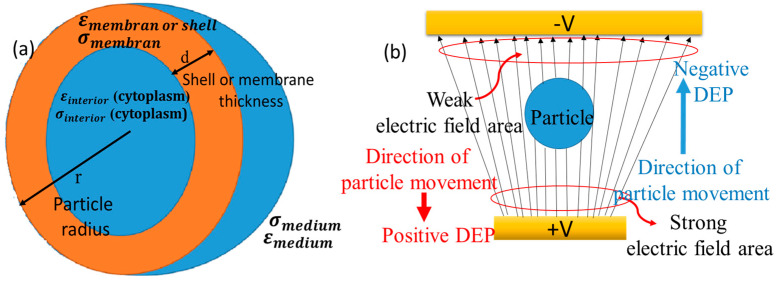 Figure 1
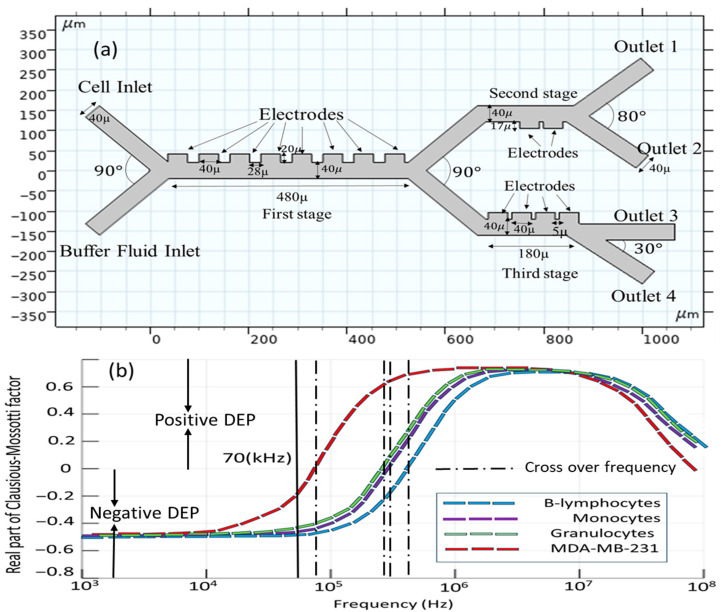 Figure 2
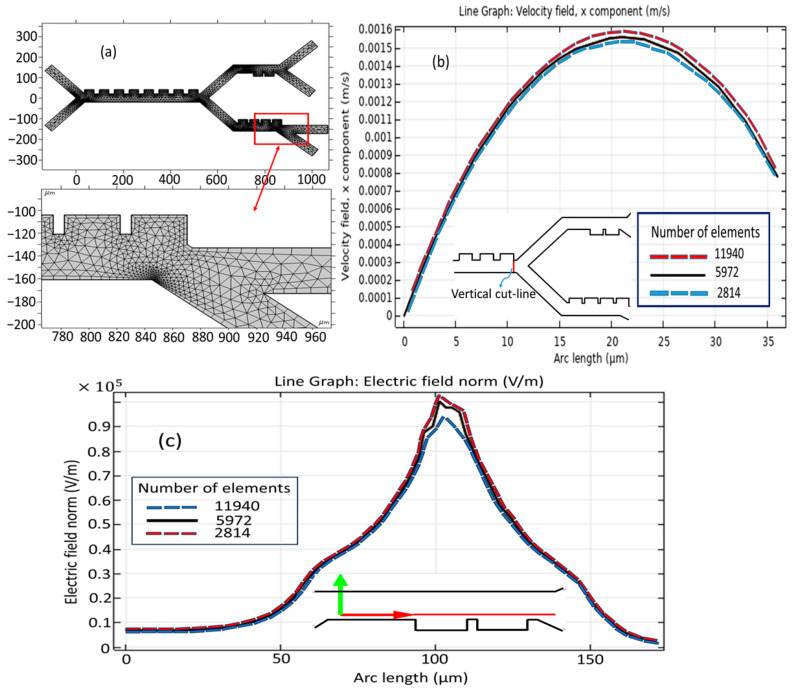 Figure 3
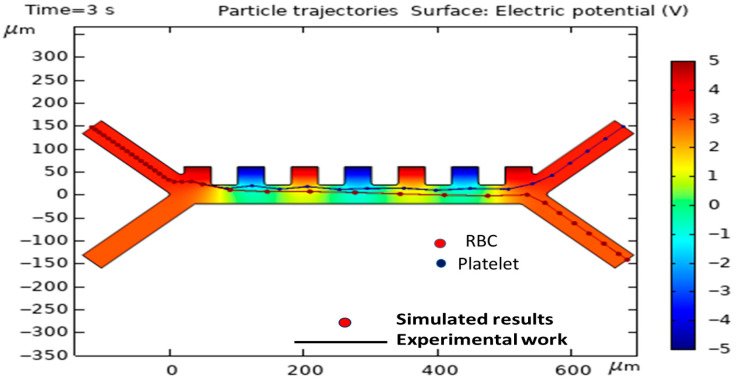 Figure 4
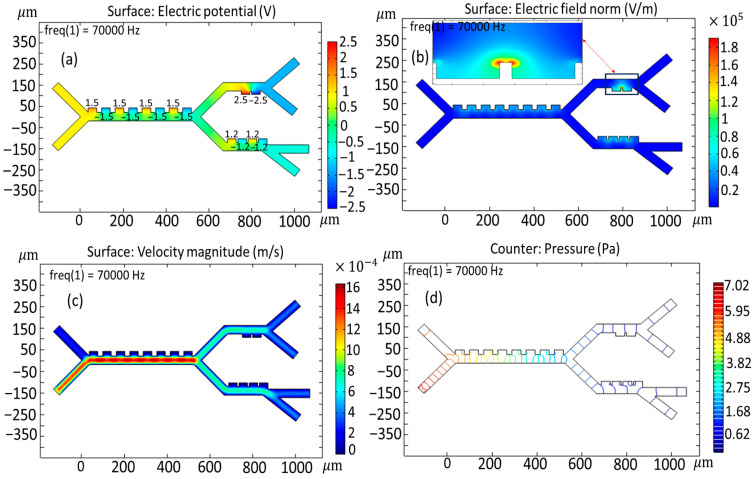 Figure 5
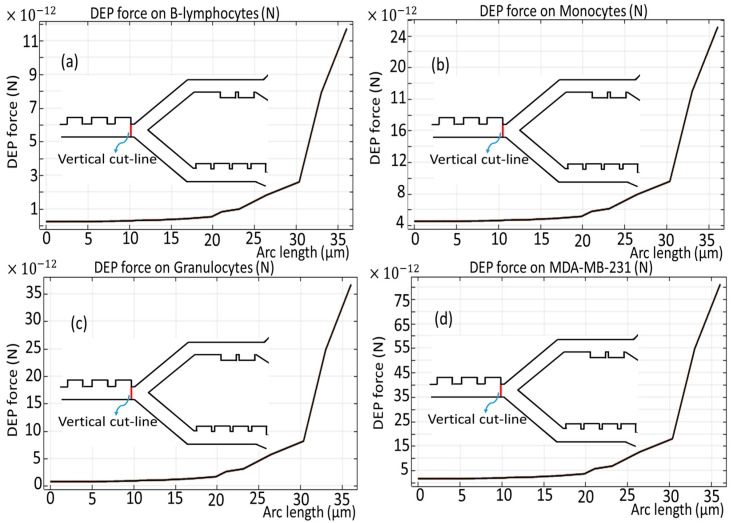 Figure 6
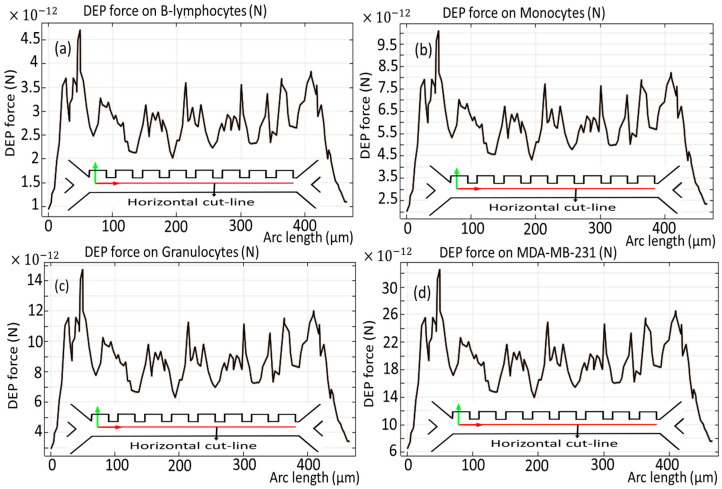 Figure 7
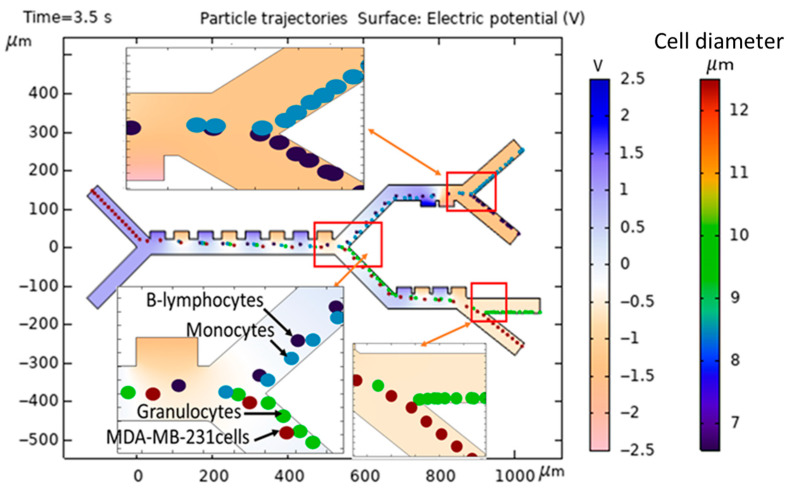 Figure 8
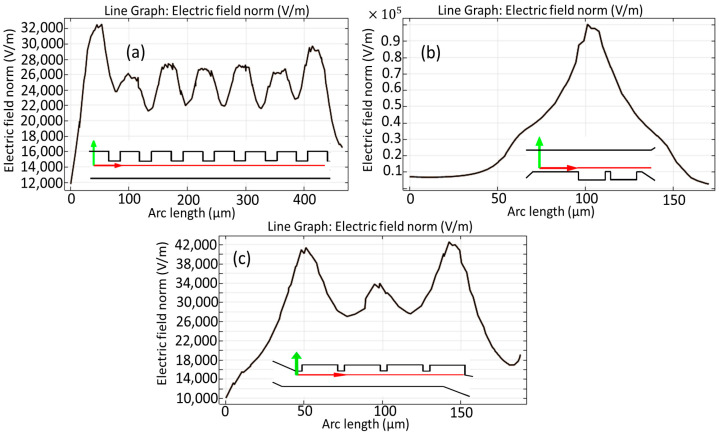 Figure 9
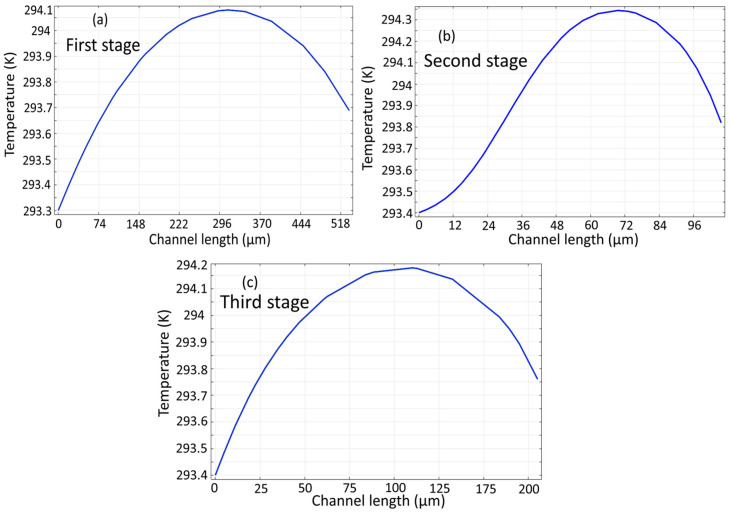 Figure 10
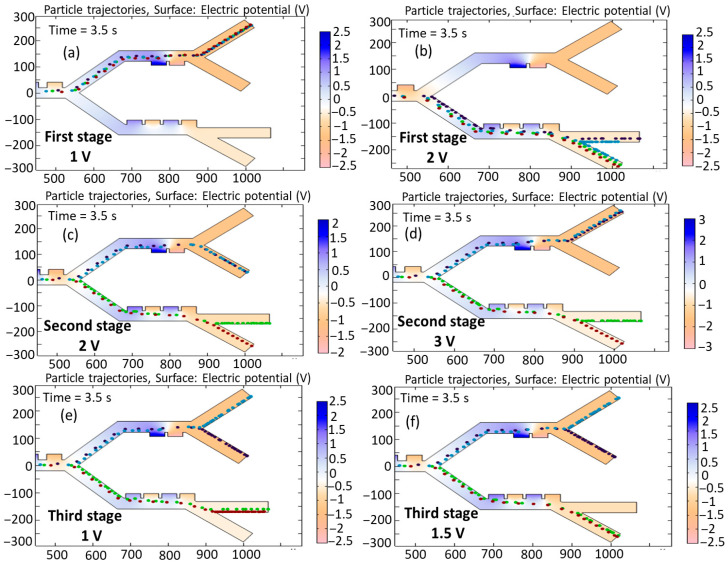 Figure 11
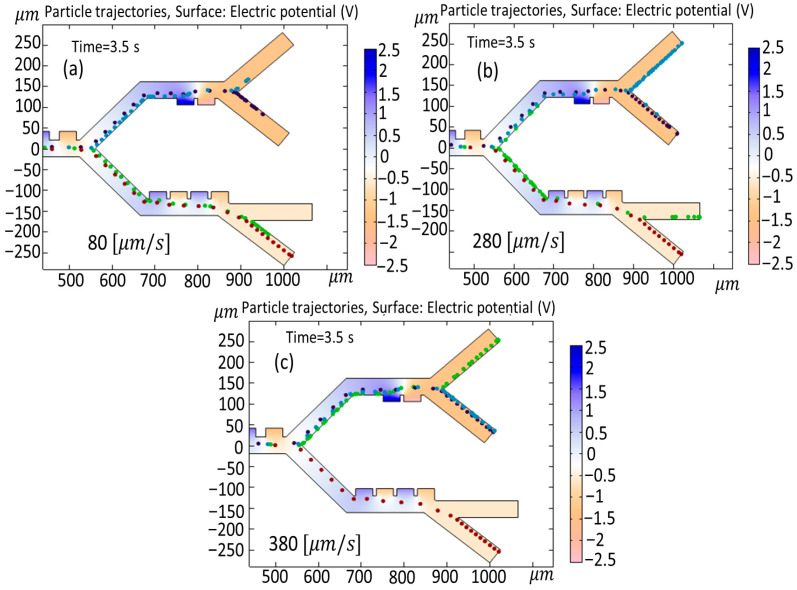 Figure 12
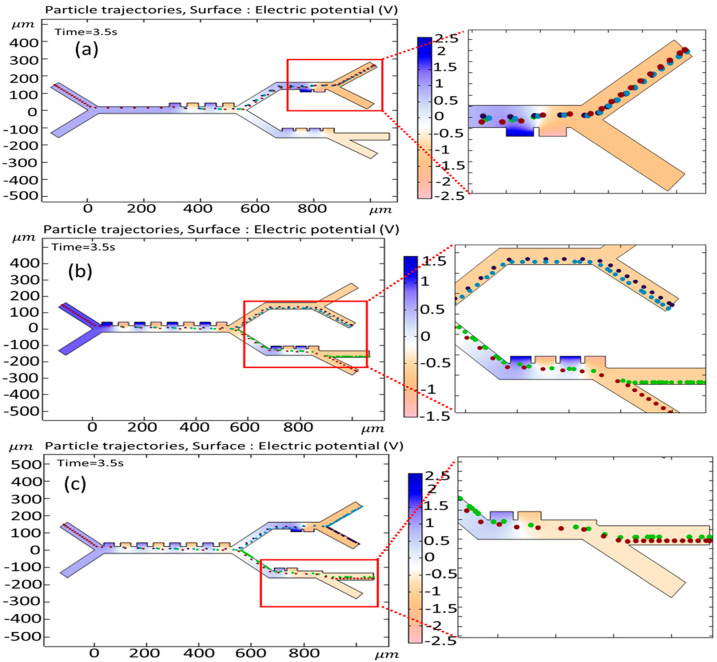 Figure 13
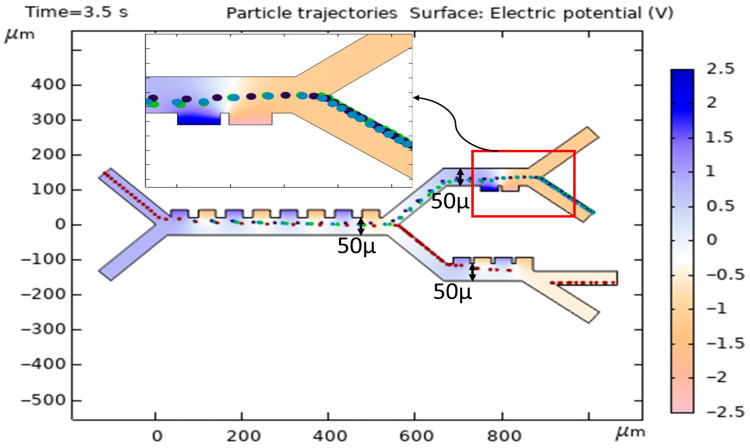 Figure 14
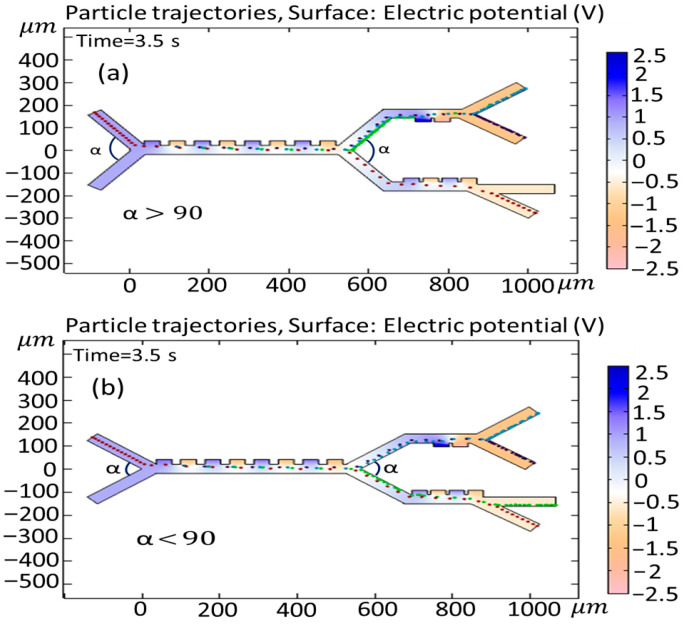 Figure 15
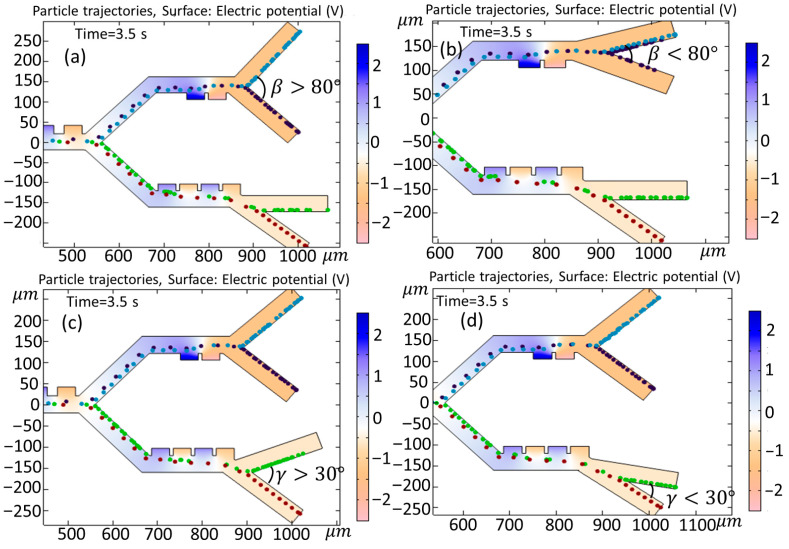 Figure 16
Peer Reviews
No public reviews on file for this paper yet. If you reviewed it on a platform where reviews are public (OpenReview, ICLR, NeurIPS, ICML), you can paste yours below so the community can read it here.
Videos
No videos yet. Explain this paper in a talk, walkthrough, or lecture? Add one.
Taxonomy
TopicsMicrofluidic and Bio-sensing Technologies · Electrical and Bioimpedance Tomography · Microbial Inactivation Methods