Effects of Bile on Pathogenic Vibrio, Aeromonas, and Clostridioides spp. Toxin Effector Domains
Jaylen E. Taylor, David B. Heisler, Eshan Choudhary, Elena Kudryashova, Dmitri S. Kudryashov

TL;DR
Bile can protect intestinal cells by disrupting the structure and function of bacterial toxins.
Contribution
Bile was shown to compromise toxin effector domains through structural changes and enzymatic inhibition.
Findings
Bile protected IEC-18 cells from Aeromonas toxins.
Bile altered the structure of toxin effectors by exposing hydrophobic residues and promoting unfolding.
Bile inhibited toxin activity by oxidizing catalytic residues.
Abstract
Bile acids, the primary components of bile, are cholesterol-derived molecules synthesized in the liver and secreted to the small intestine. Besides their primary digestive roles, bile acids have antimicrobial properties and serve as an environmental cue for intestinal pathogens, modulating the expression of virulence factors, e.g., toxins and effector proteins. Whereas timely recognition and neutralization of pathogenic toxin effectors by the host is critical, our understanding of the effects of bile on their structure and function is limited. In this work, we found that bile effectively protected cultured IEC-18 enterocytes from the mixture of Aeromonas hydrophila secreted toxins, containing hemolysin, aerolysin, and RtxA (MARTX). To explore whether these effects have broad specificity, we employed biochemical and biophysical techniques to test the in vitro effects of bile and bile…
Genes, proteins, chemicals, diseases, species, mutations and cell lines named across the full text — each resolved to its canonical identifier and authoritative record.
Click any figure to enlarge with its caption.
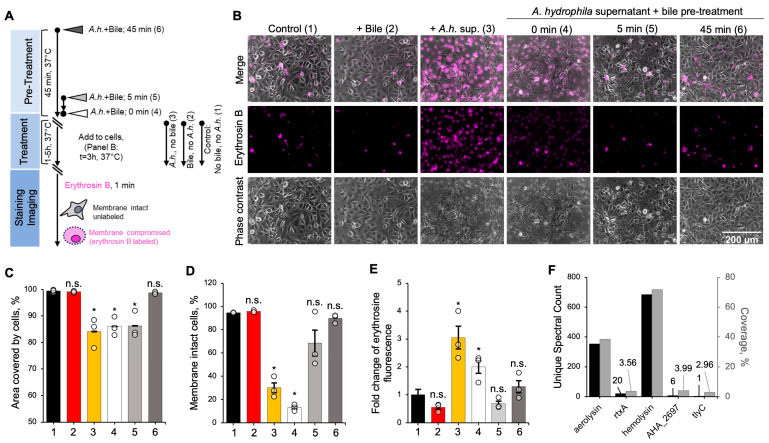 Figure 1
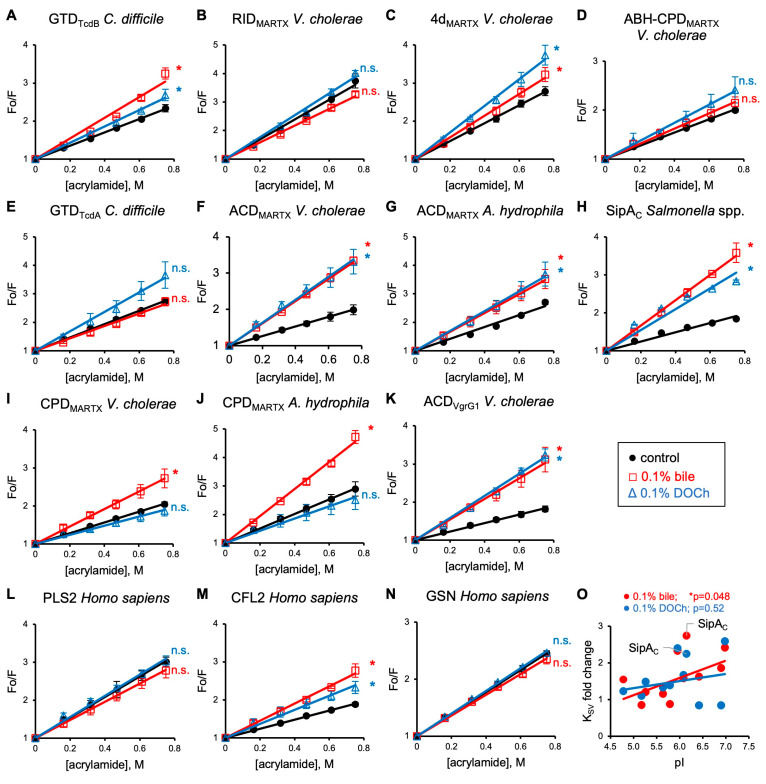 Figure 2
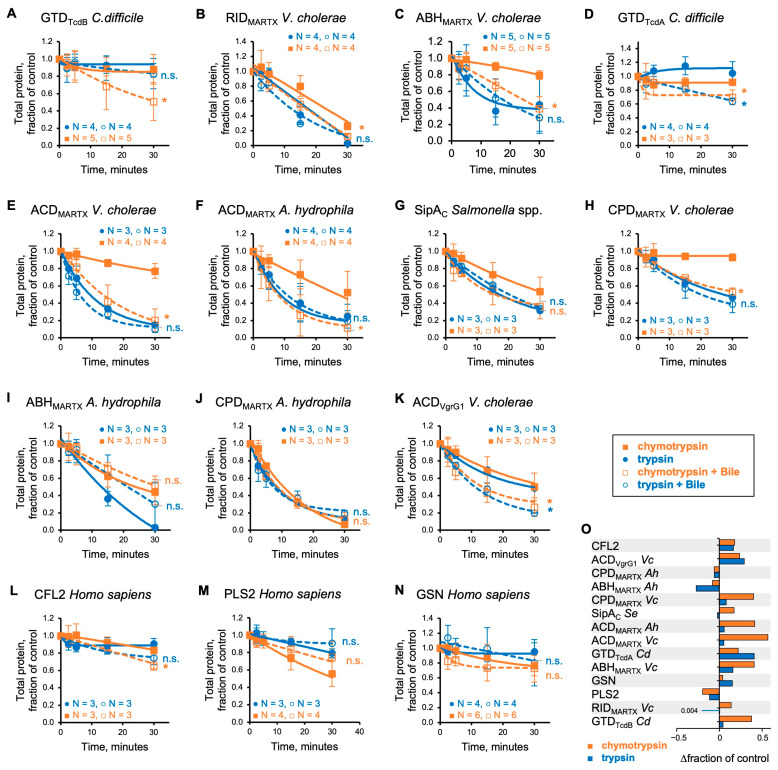 Figure 3
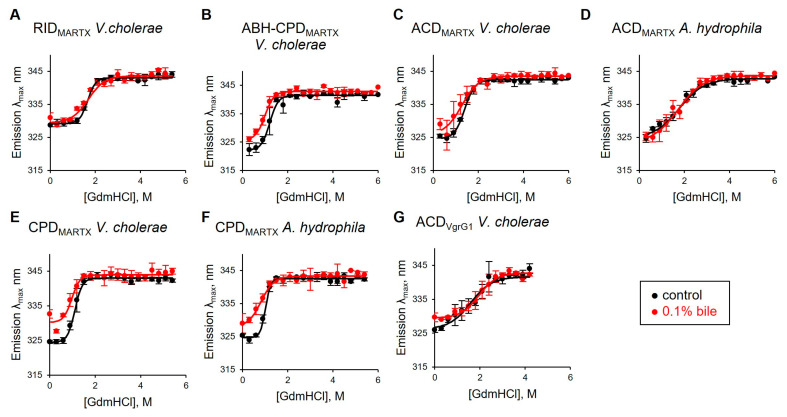 Figure 4
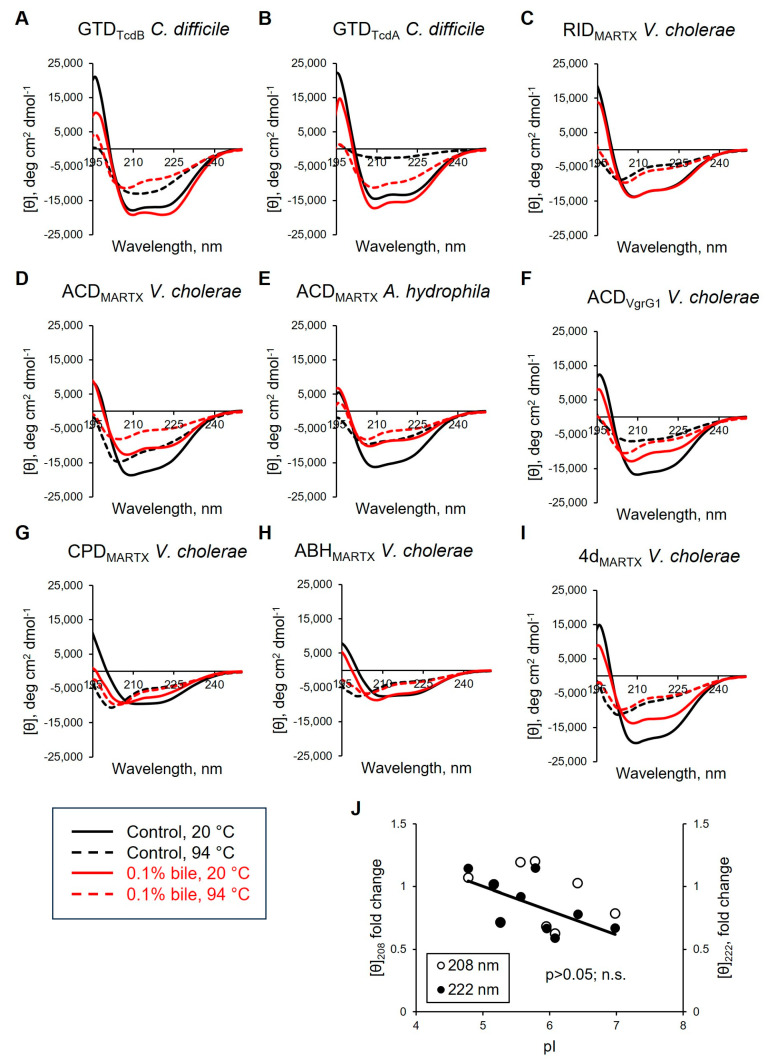 Figure 5
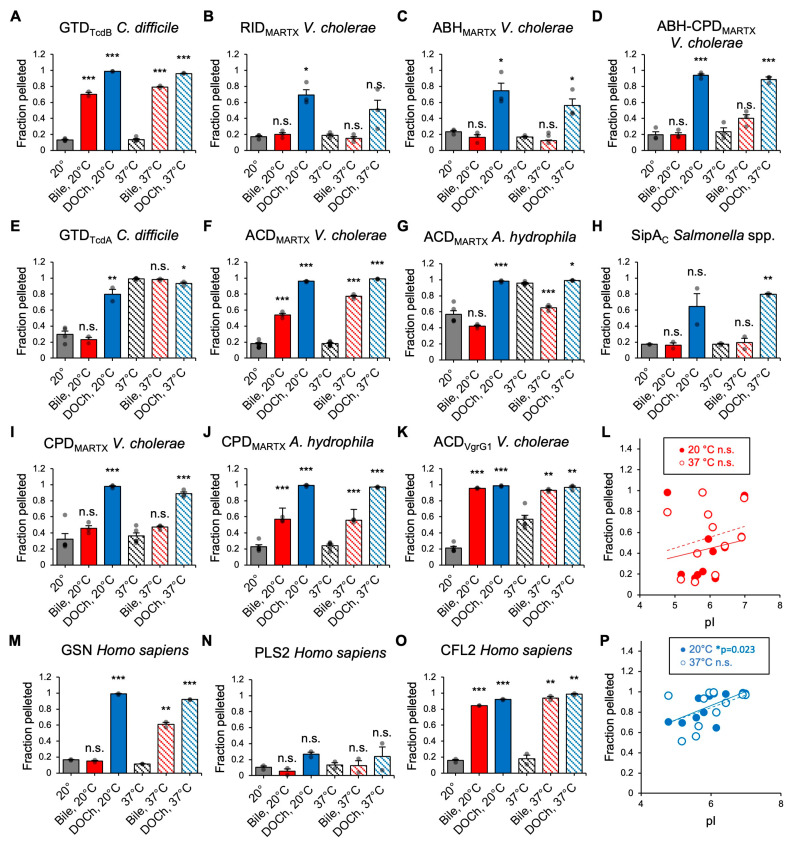 Figure 6
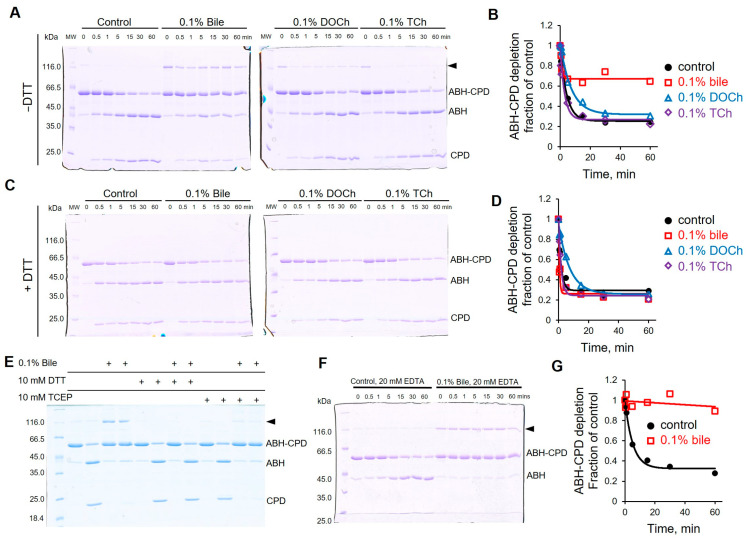 Figure 7
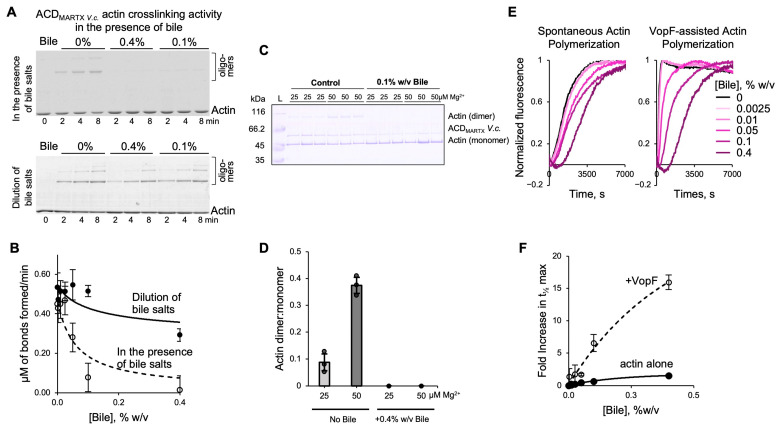 Figure 8
Peer Reviews
No public reviews on file for this paper yet. If you reviewed it on a platform where reviews are public (OpenReview, ICLR, NeurIPS, ICML), you can paste yours below so the community can read it here.
Videos
No videos yet. Explain this paper in a talk, walkthrough, or lecture? Add one.
Taxonomy
TopicsVibrio bacteria research studies · Aquaculture disease management and microbiota · Invertebrate Immune Response Mechanisms