Inhibition of PKCθ Abrogates CD8+ T Cell-Mediated Neurotoxicity in Murine Cerebral Malaria
Karin Albrecht-Schgör, Victoria E. Stefan, Martina Steinlechner, Dominik Humer, Kerstin Siegmund, Sebastian Peer, Thomas Gruber, Maja Überegger, Stephanie zur Nedden, Gabriele Baier-Bitterlich, Peter Lackner, Erich Schmutzhard, Nikolaus Thuille, Victoria Klepsch, Gottfried Baier

TL;DR
Blocking PKCθ reduces brain damage caused by CD8+ T cells in a mouse model of cerebral malaria.
Contribution
This study identifies PKCθ as a key driver of CD8+ T cell-mediated brain injury in cerebral malaria.
Findings
PKCθ deficiency improves survival in Plasmodium-infected mice without affecting parasite levels.
Loss of PKCθ shifts T cell differentiation toward central memory, reducing brain infiltration.
Inhibiting PKCθ prevents neurovascular damage and preserves neural tissue integrity.
Abstract
Background: Cerebral malaria (CM) is a severe and often fatal complication of Plasmodium falciparum infection that causes devastating brain injury largely through immune-mediated mechanisms. Pathogenic brain-infiltrating CD8+ T cells are key drivers of CM pathology, yet the intracellular signals enabling their harmful autoimmune-like activity remain poorly defined. Here, we identify protein kinase C θ (PKCθ), a central antigen receptor-signalling mediator, as a critical contributor to experimental cerebral malaria (ECM). Methods/Results: Using a PKCθ null allele mouse strain on a C57BL/6N background, we demonstrate that PKCθ deficiency significantly improves survival in Plasmodium berghei ANKA (PbA)-infected mice without altering parasite burdens in the blood or brain. Mechanistically, loss of PKCθ skews T cell differentiation towards central memory (Tcm) rather than effector memory…
Genes, proteins, chemicals, diseases, species, mutations and cell lines named across the full text — each resolved to its canonical identifier and authoritative record.
Click any figure to enlarge with its caption.
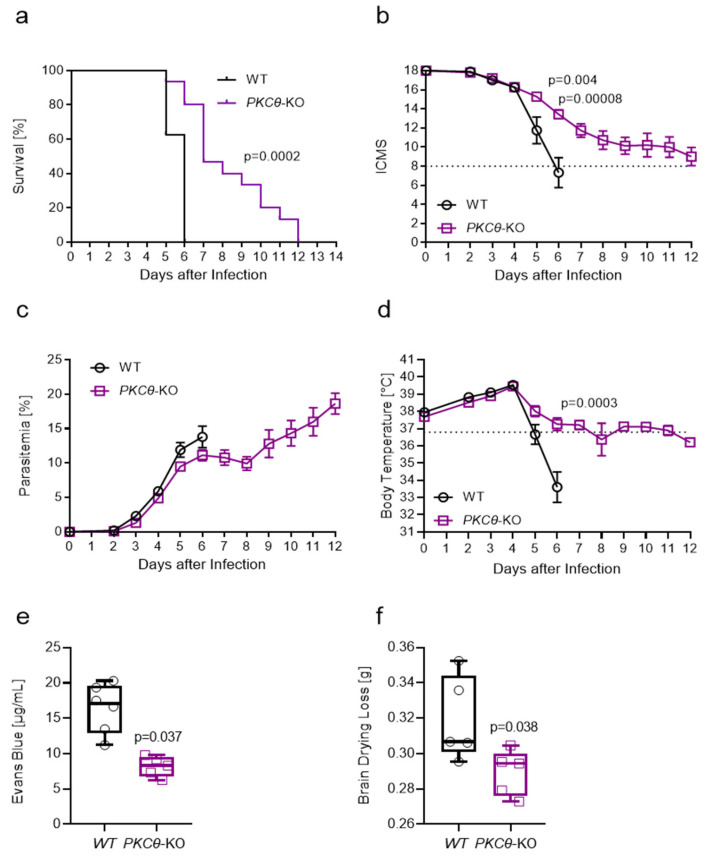 Figure 1
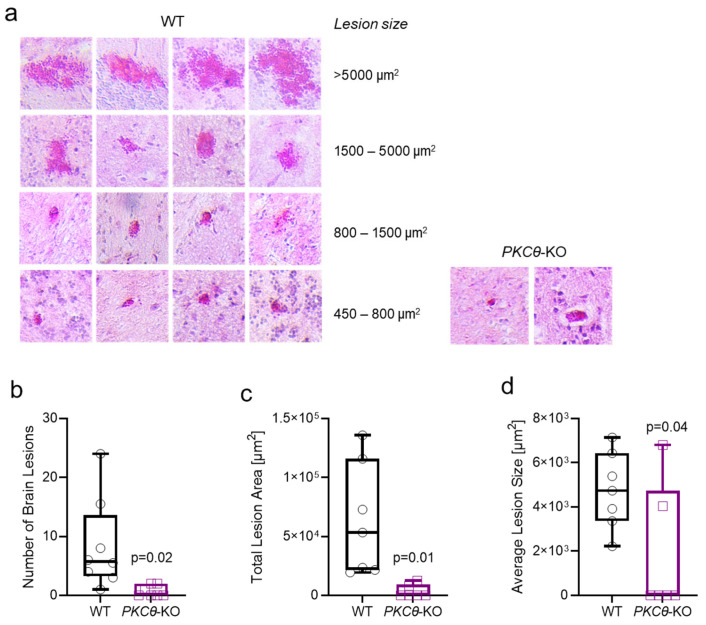 Figure 2
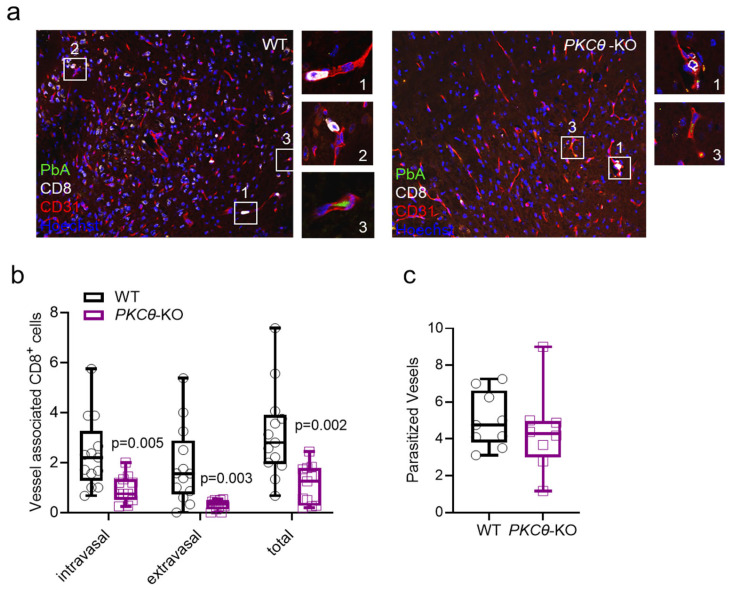 Figure 3
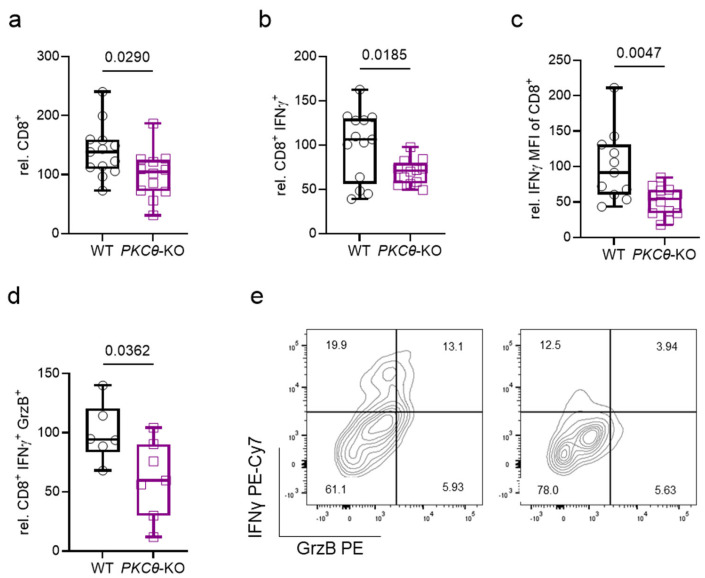 Figure 4
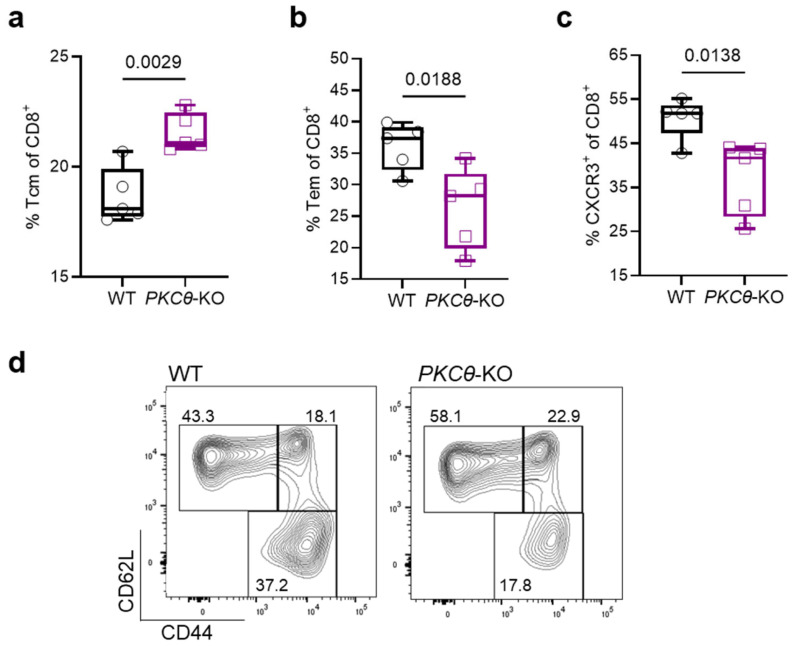 Figure 5
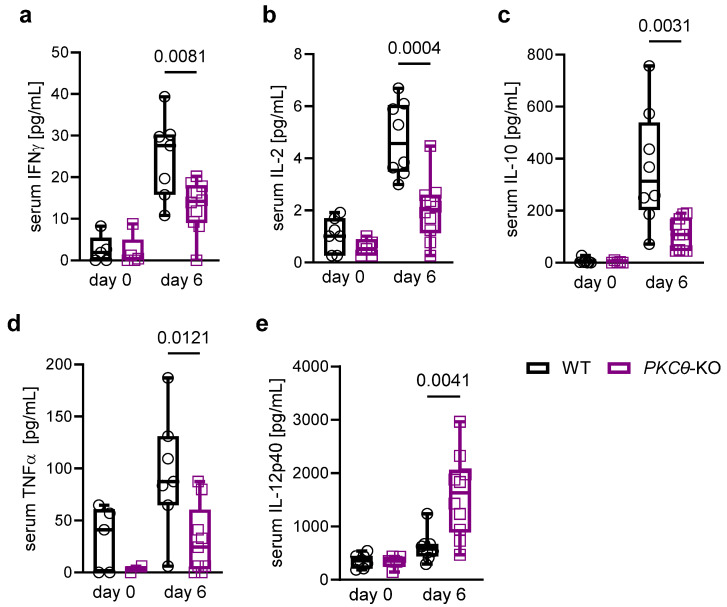 Figure 6
 Figure 7
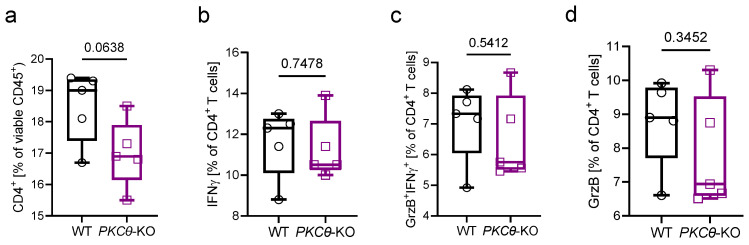 Figure 8
Peer Reviews
No public reviews on file for this paper yet. If you reviewed it on a platform where reviews are public (OpenReview, ICLR, NeurIPS, ICML), you can paste yours below so the community can read it here.
Videos
No videos yet. Explain this paper in a talk, walkthrough, or lecture? Add one.
Taxonomy
TopicsNeuroinflammation and Neurodegeneration Mechanisms · Cell Adhesion Molecules Research · Signaling Pathways in Disease