Adipose Inositol Monophosphate Metabolism Is Associated with Fasting Regimen-Elicited Metabolic Benefits
Chunqing Wang, Bilian Liu, Xin Yang, Xi Chen, Shuo Wang, Xing Zhang, Meilian Liu

TL;DR
Intermittent fasting increases inositol monophosphates in fat tissue, which may help explain its metabolic benefits like weight loss and better insulin sensitivity.
Contribution
The study identifies inositol monophosphate metabolism as a novel mechanism linking intermittent fasting to metabolic improvements.
Findings
Intermittent fasting elevates myo-inositol-1-phosphate and myo-inositol-3-phosphate in obese adipose tissue.
IF upregulates ITPK1 and IMPA1, enzymes involved in inositol monophosphate metabolism.
Increased inositol monophosphates correlate with reduced body weight and improved insulin sensitivity.
Abstract
Intermittent fasting (IF) has emerged as a promising strategy for managing obesity and related metabolic disorders. Although metabolic adaptations in adipose tissue during IF are well documented, the specific reprogramming of white adipose tissue (WAT) under prolonged cycles of fasting and refeeding remains incompletely understood. Using mass spectrometry-based approaches, including liquid chromatography (LC) and capillary electrophoresis (CE), we identified a marked increase in inositol monophosphates (InsP1s) in obese adipose tissue following extended IF. Specifically, myo-inositol-1-phosphate and myo-inositol-3-phosphate, which are typically present at low levels in gonadal WAT (gWAT) of diet-induced obese mice, were significantly elevated after 15 cycles of IF. Additionally, extended IF upregulated the expression levels of inositol tetrakisphosphate 1-kinase (ITPK1) and inositol…
Genes, proteins, chemicals, diseases, species, mutations and cell lines named across the full text — each resolved to its canonical identifier and authoritative record.
Click any figure to enlarge with its caption.
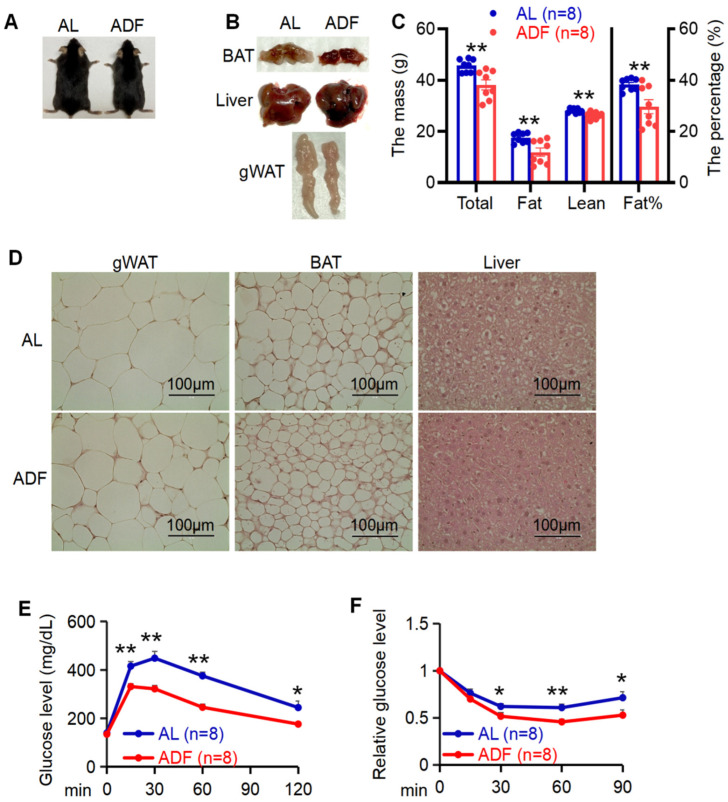 Figure 1
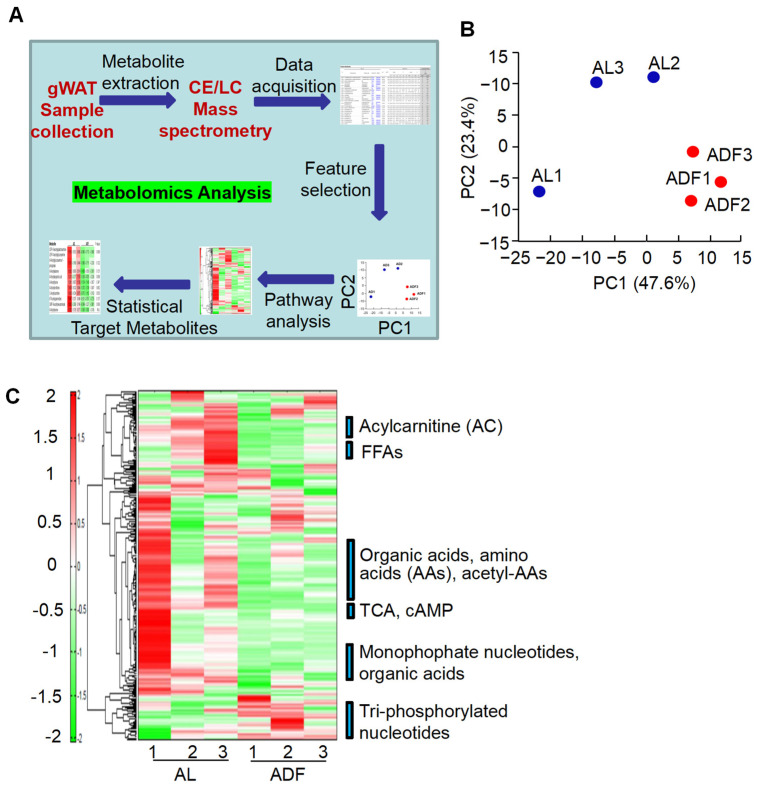 Figure 2
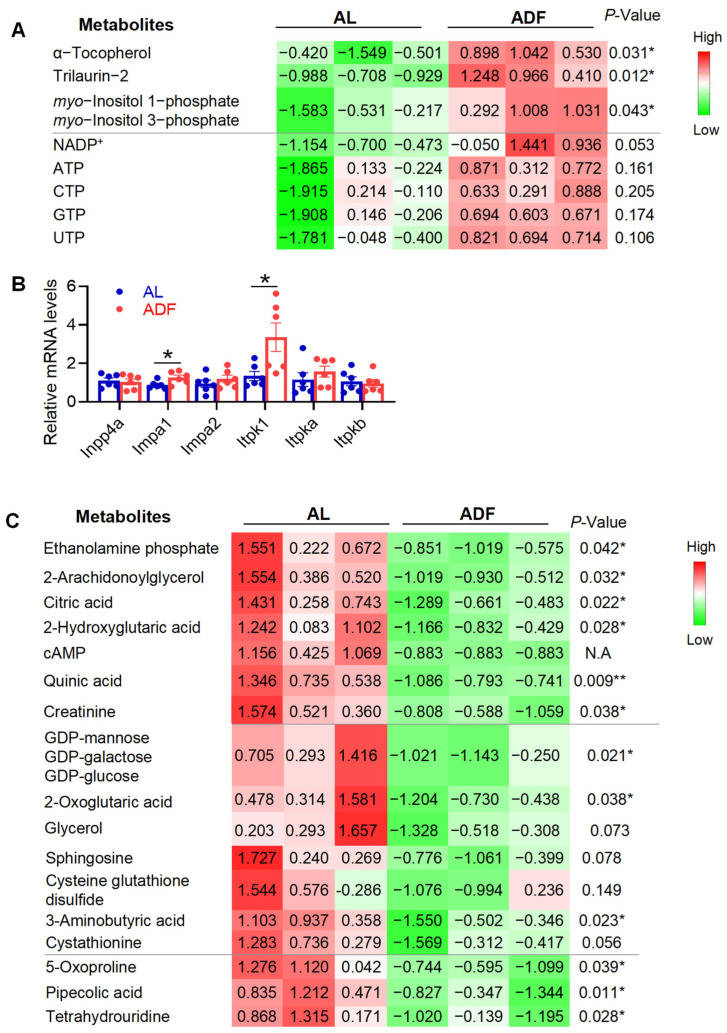 Figure 3
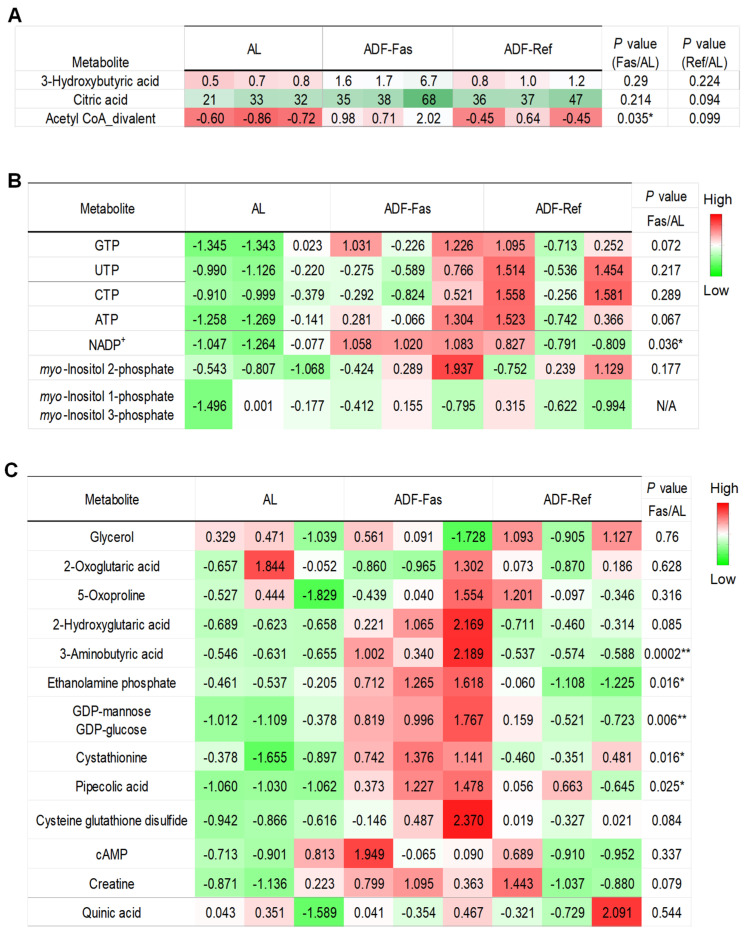 Figure 4
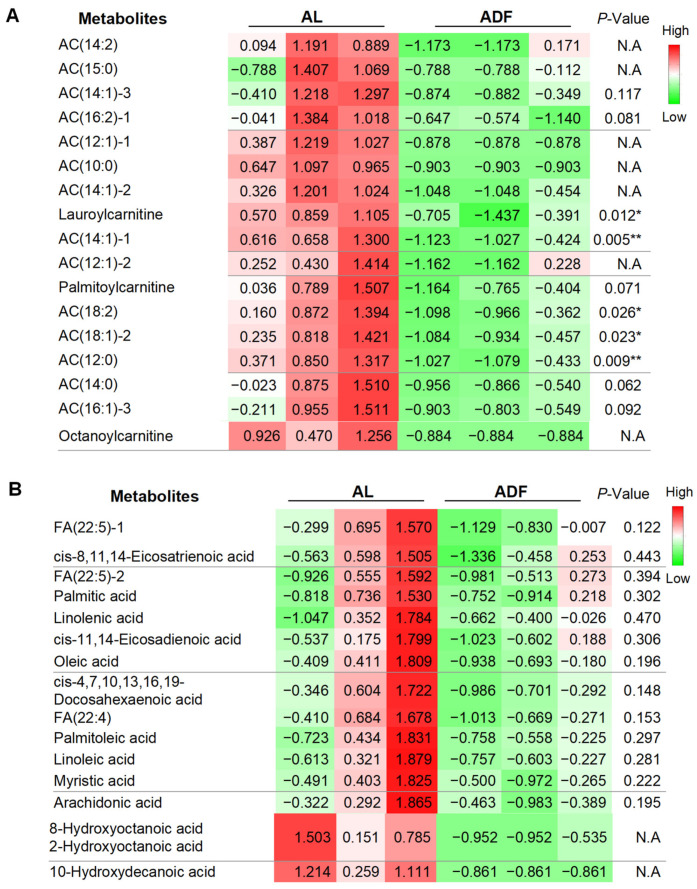 Figure 5
Peer Reviews
No public reviews on file for this paper yet. If you reviewed it on a platform where reviews are public (OpenReview, ICLR, NeurIPS, ICML), you can paste yours below so the community can read it here.
Videos
No videos yet. Explain this paper in a talk, walkthrough, or lecture? Add one.
Taxonomy
TopicsAdipokines, Inflammation, and Metabolic Diseases · Genetics, Aging, and Longevity in Model Organisms · Dietary Effects on Health