Zebrafish (Danio rerio) Embryo–Larvae as a Biosensor for Water Quality Assessment
María Santos-Villadangos, Vanesa Robles, David G. Valcarce

TL;DR
Zebrafish embryos and larvae can detect harmful effects of wastewater, making them useful for assessing water quality and protecting public health.
Contribution
This study demonstrates zebrafish as a practical and sensitive biosensor for evaluating water quality in wastewater treatment processes.
Findings
Exposure to influent water caused significant malformations, reduced heart rate, and gene expression changes in zebrafish larvae.
Effluent water had milder effects, which were further reduced when diluted, indicating safer discharge after treatment.
Zebrafish embryos and larvae showed sensitivity to subtle phenotypic, behavioral, and molecular changes linked to water quality.
Abstract
Wastewater treatment plants (WWTPs) are crucial for reducing pollutants and safeguarding ecosystems and human health. This study evaluated the quality of influent water (treated water before secondary (biological) treatment) and effluent water (discharged water after secondary treatment) from the León (Spain) WWTP. We used zebrafish (Danio rerio) embryos and larvae as sentinel organisms. Larvae were exposed to different concentrations of influent and effluent during their first 120 h of development, and multiple biological endpoints were analyzed, including survival, hatching, morphology, heart rate, behavior, regeneration, primordial germ cell migration, and gene expression. Exposure to 100% influent caused the strongest effects, including reduced survival, higher number of malformations, decreased heart rate, impaired regeneration, altered behavior and cell migration, and gene…
Genes, proteins, chemicals, diseases, species, mutations and cell lines named across the full text — each resolved to its canonical identifier and authoritative record.
Click any figure to enlarge with its caption.
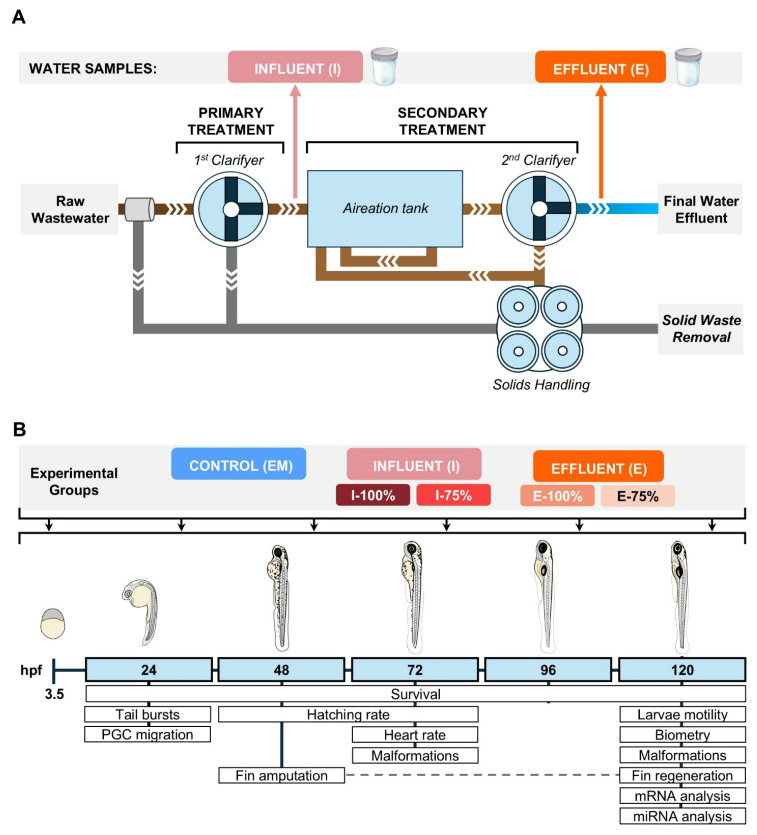 Figure 1
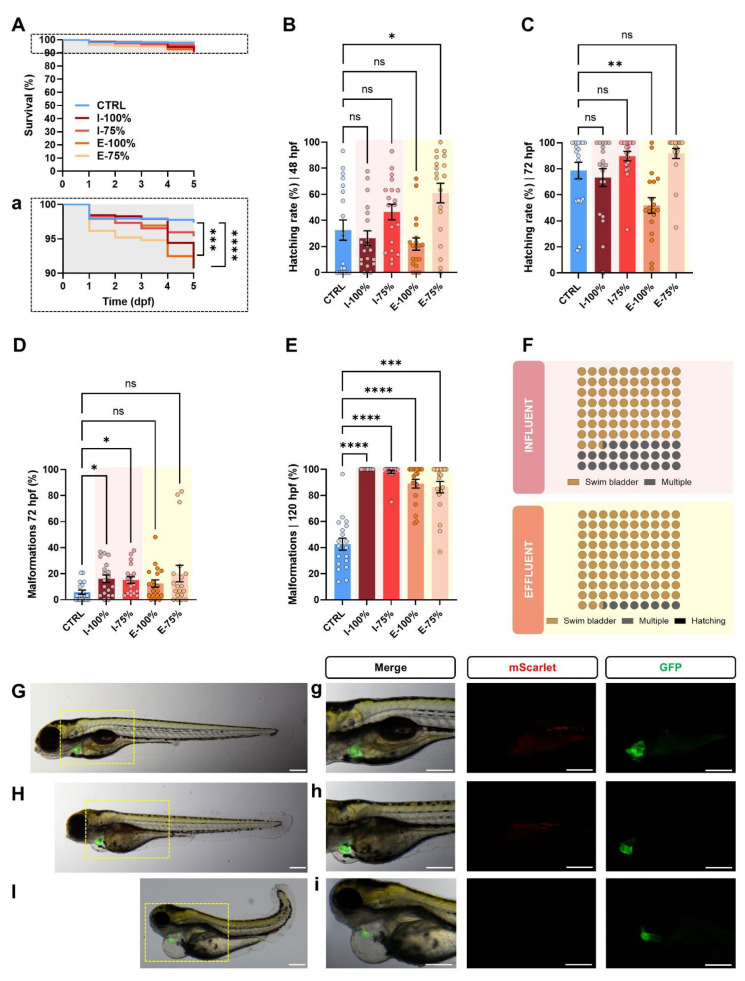 Figure 2
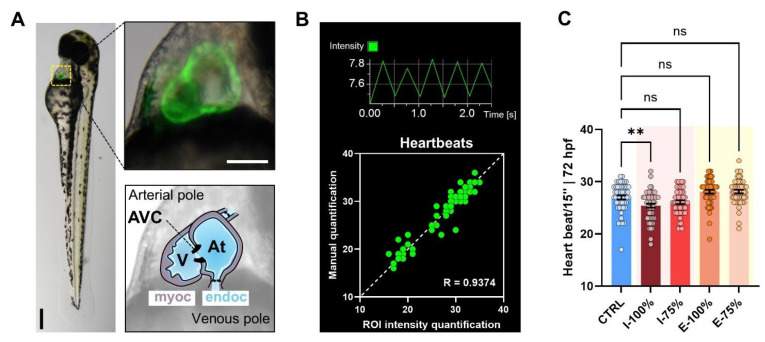 Figure 3
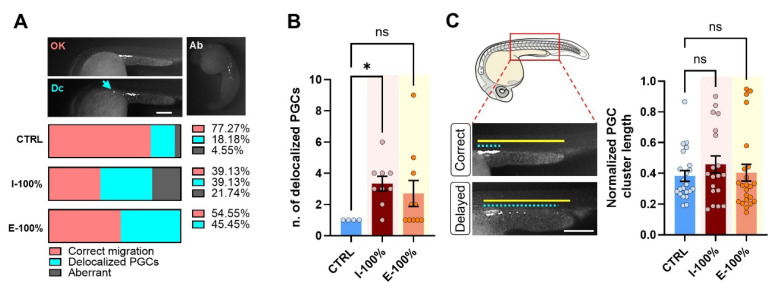 Figure 4
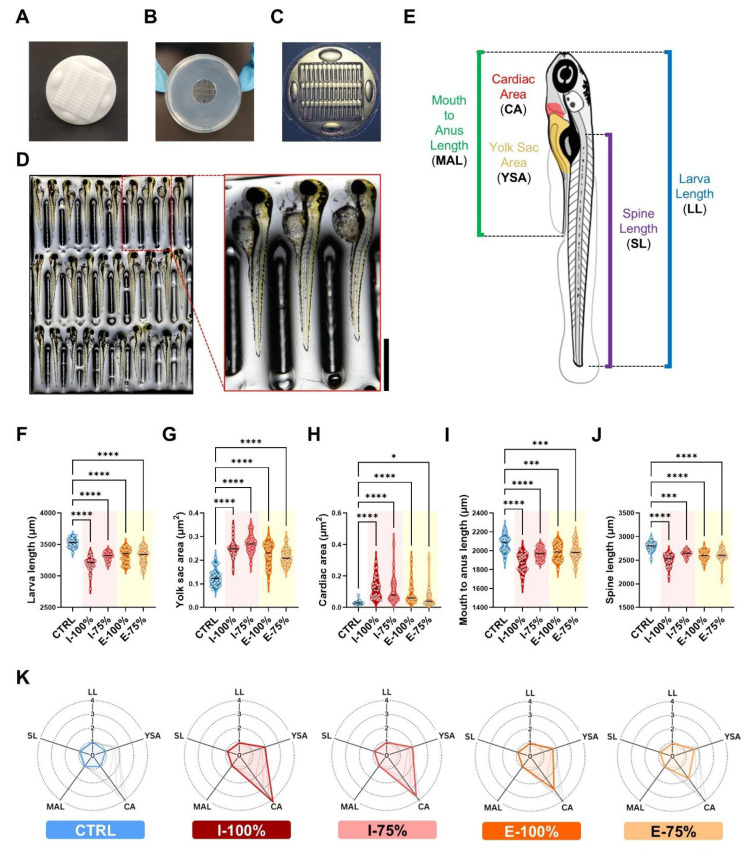 Figure 5
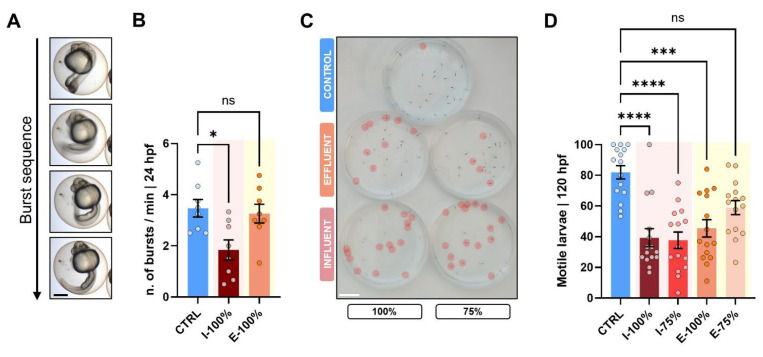 Figure 6
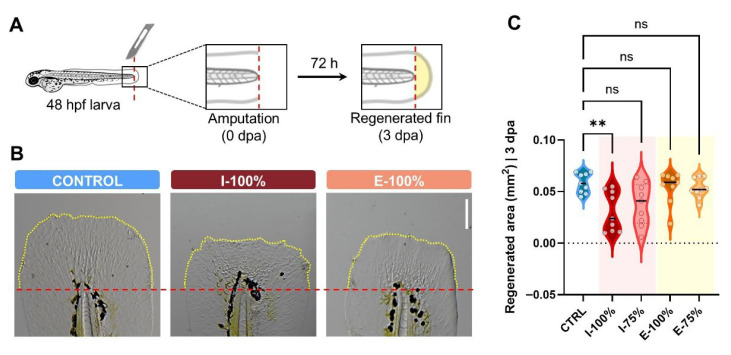 Figure 7
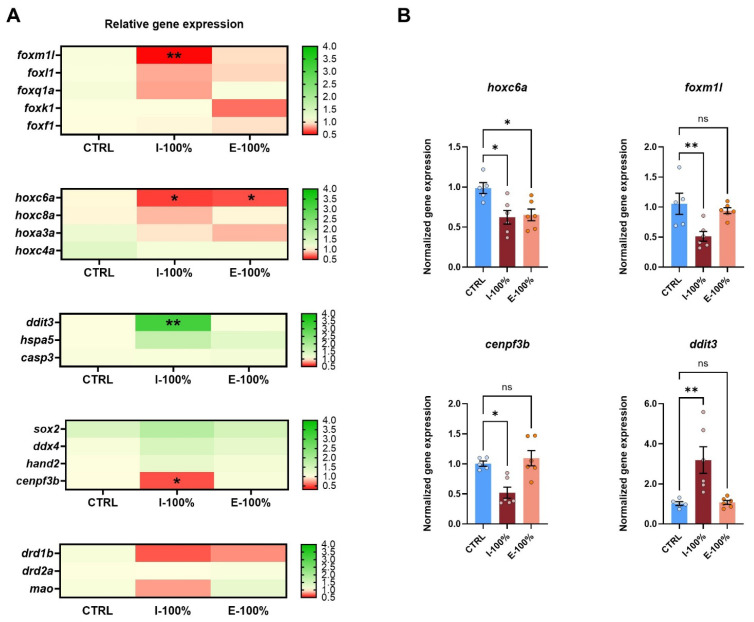 Figure 8
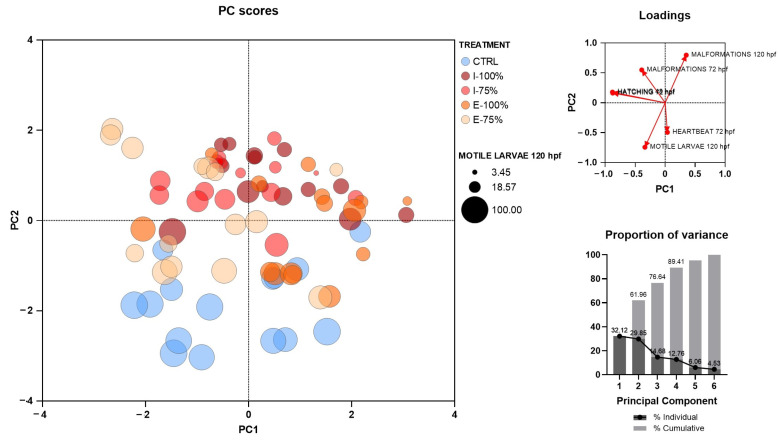 Figure 9
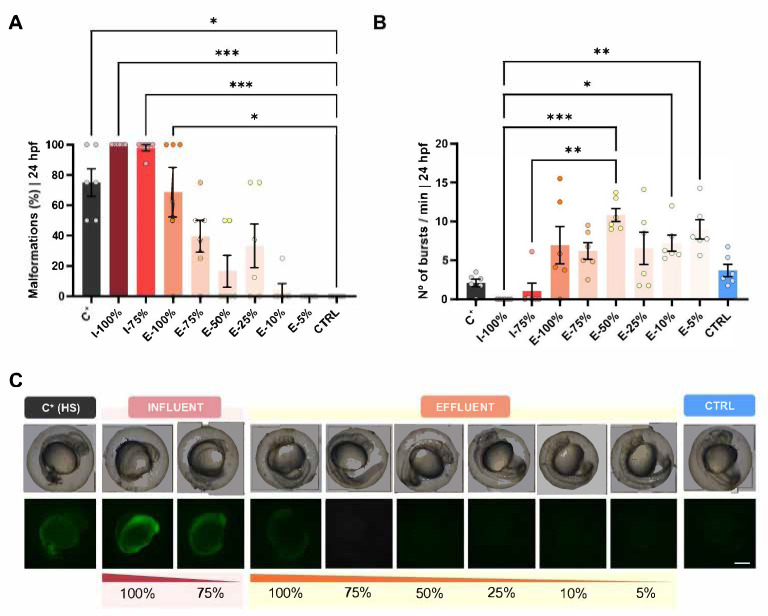 Figure 10
Peer Reviews
No public reviews on file for this paper yet. If you reviewed it on a platform where reviews are public (OpenReview, ICLR, NeurIPS, ICML), you can paste yours below so the community can read it here.
Videos
No videos yet. Explain this paper in a talk, walkthrough, or lecture? Add one.
Taxonomy
TopicsZebrafish Biomedical Research Applications · Environmental Toxicology and Ecotoxicology · Reproductive biology and impacts on aquatic species