Towards Realistic 3D-Printed Phantoms for Aneurysm Clipping: Mechanical Characterisation of Basilar Arteries
Pavel Buchvald, Lukas Capek, Petra Hamrikova, Jiri Safka, Jiri Vitvar

TL;DR
This study compares the mechanical properties of real human basilar arteries with 3D-printed models to improve training for aneurysm clipping surgery.
Contribution
The study identifies the biomechanical differences between healthy and plaque-affected arteries and evaluates 3D-printed materials for surgical training realism.
Findings
Plaque-affected artery segments required significantly higher clipping force than healthy segments.
None of the tested 3D-printed materials accurately replicated the biomechanical properties of real arteries.
Silicone 40A was the most compliant 3D-printed material but still deviated from biological performance.
Abstract
Cerebral aneurysm clipping remains a key surgical approach despite advancements in endovascular techniques. However, training for this procedure is complex due to the variable and fragile nature of aneurysmal tissues. This study evaluates the mechanical behaviour of human basilar arteries during clipping and compares them to 3D-printed models used for neurosurgical training. Mechanical tests were performed on ten cadaveric basilar arteries, distinguishing between healthy and plaque-affected segments. Plaque-affected regions required significantly higher clipping force (1.73 ± 0.22 N) compared to healthy segments (0.45 ± 0.19 N), confirming that atherosclerosis markedly increases arterial stiffness. Six 3D-printed phantom materials were evaluated; none accurately replicated the biomechanical response of real arteries. The Flex Anatomical material showed the highest stiffness (44.51 ±…
Genes, proteins, chemicals, diseases, species, mutations and cell lines named across the full text — each resolved to its canonical identifier and authoritative record.
Click any figure to enlarge with its caption.
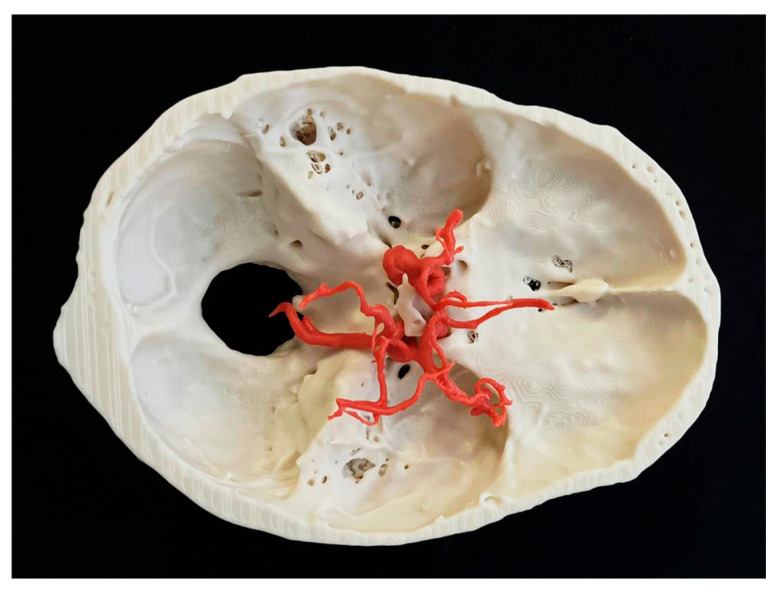 Figure 1
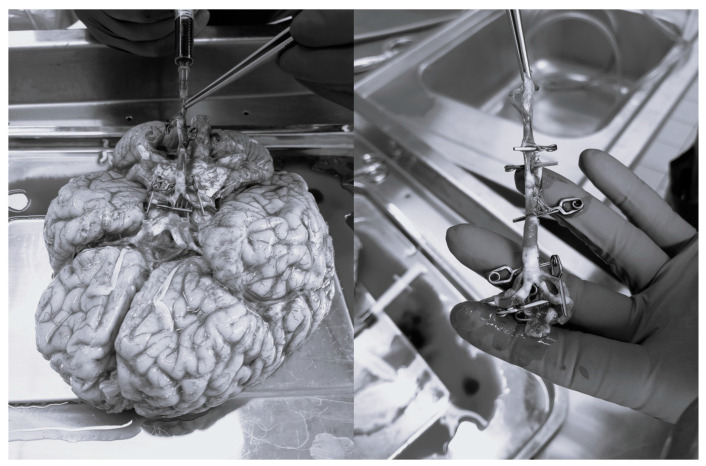 Figure 2
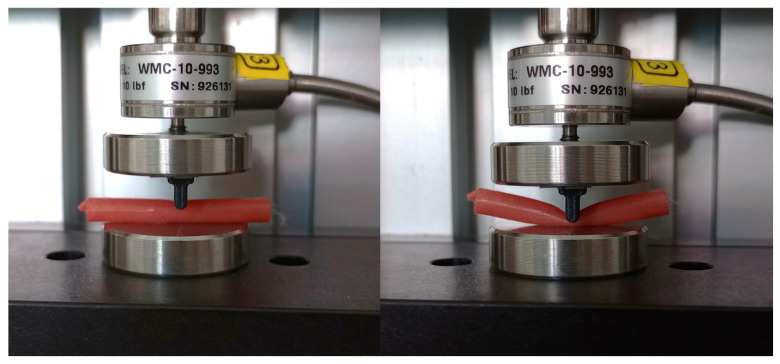 Figure 3
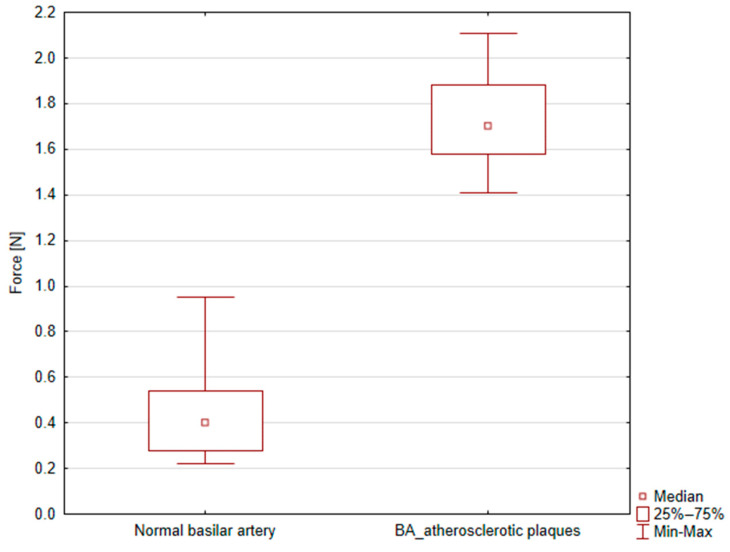 Figure 4
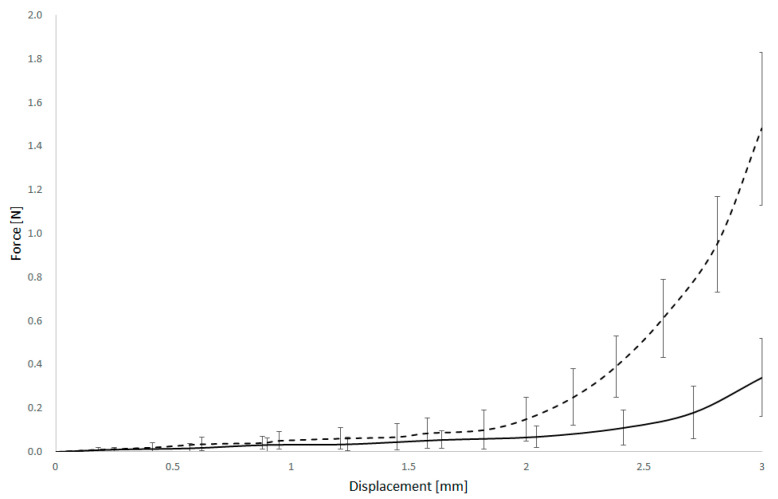 Figure 5
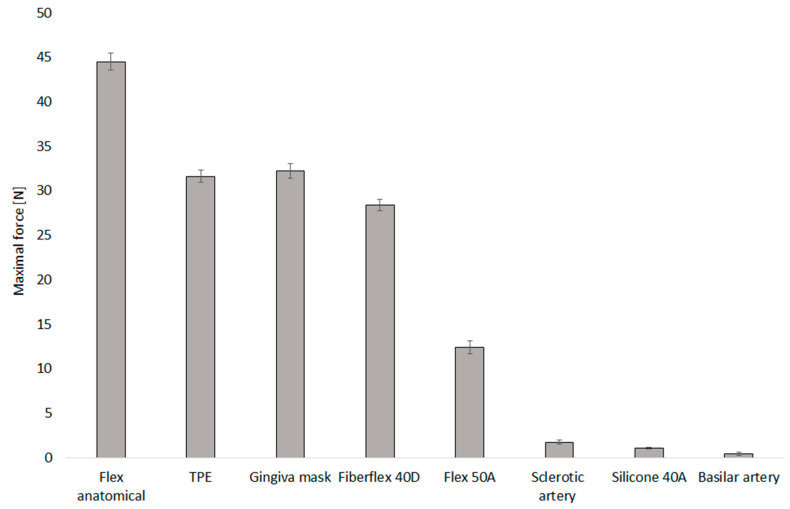 Figure 6
Peer Reviews
No public reviews on file for this paper yet. If you reviewed it on a platform where reviews are public (OpenReview, ICLR, NeurIPS, ICML), you can paste yours below so the community can read it here.
Videos
No videos yet. Explain this paper in a talk, walkthrough, or lecture? Add one.
Taxonomy
TopicsAnatomy and Medical Technology · Soft Robotics and Applications · Surgical Simulation and Training