Diet Reconstruction Under Limited Prior Information: Dietary Contributions and Isotopic Niche of Metridium senile in the North Yellow Sea
Yongsong Zhao, Xiujuan Shan, Guangliang Teng, Shiqi Song, Yunlong Chen, Xianshi Jin

TL;DR
This study reveals that the sea anemone Metridium senile is a top predator in the North Yellow Sea, feeding mainly on small fish and invertebrates, which could impact local ecosystems.
Contribution
The paper introduces a new framework for diet reconstruction when prior information is limited, using isotopic niche metrics and Bayesian mixing models.
Findings
Metridium senile has a high trophic position (TP = 3.09 ± 0.25), indicating it is a top predator.
Approximately 65% of its diet comes from small fish and invertebrates, not just suspended particles.
Its opportunistic feeding behavior could suppress early fish recruitment and alter local food web dynamics.
Abstract
The sea anemone (Metridium senile) has become much more common on the seafloor of the North Yellow Sea, but its true diet in nature has been unclear. We asked two questions: what role does this anemone play in the local food web, and how can we trace its diet when background information is limited? We compared the stable isotopes in anemone tissues with those of likely foods and used a clear set of tests to track where its nutrition comes from. The results show that this anemone is not just a passive filter of tiny particles. It feeds heavily on small fishes and shrimps, as well as other small seafloor animals, and sits high in the food chain—higher than some species usually thought of as predators. About two thirds of its long-term diet appears to come from small fishes and invertebrates, with the rest from suspended material. Ongoing feeding on young fishes could reduce the number…
Genes, proteins, chemicals, diseases, species, mutations and cell lines named across the full text — each resolved to its canonical identifier and authoritative record.
Click any figure to enlarge with its caption.
 Figure 1
 Figure 2
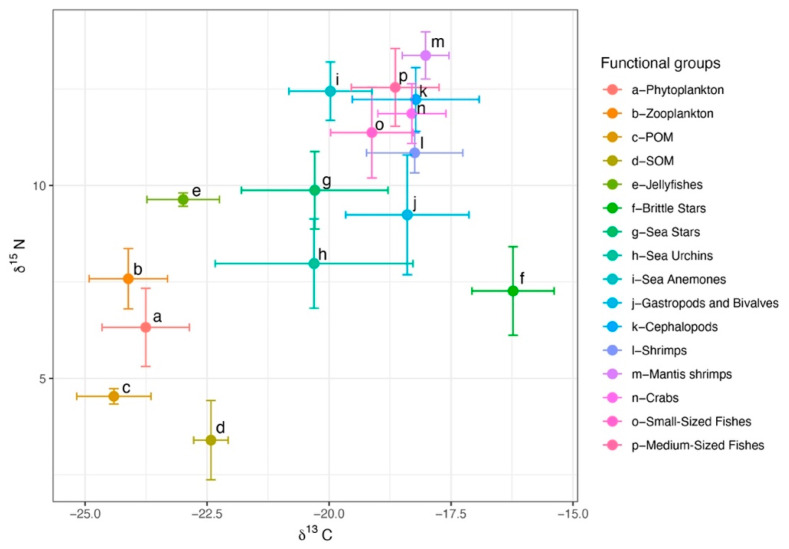 Figure 3
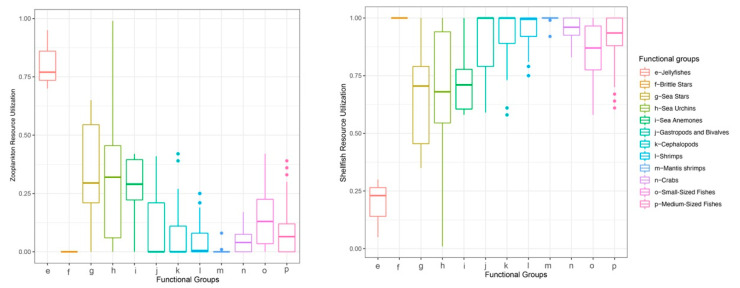 Figure 4
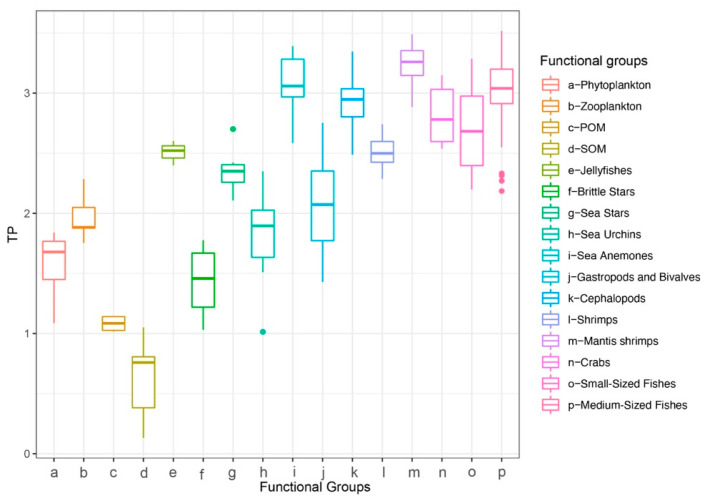 Figure 5
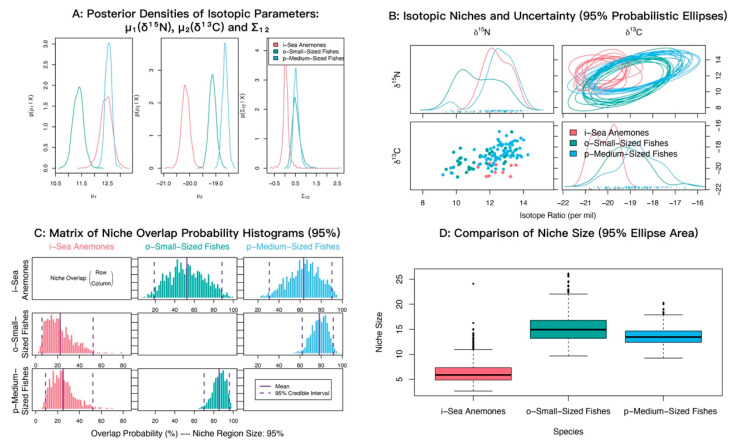 Figure 6
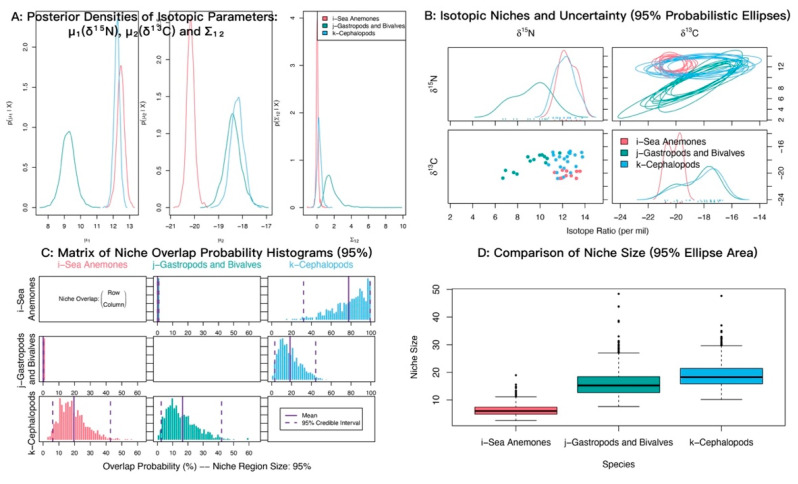 Figure 7
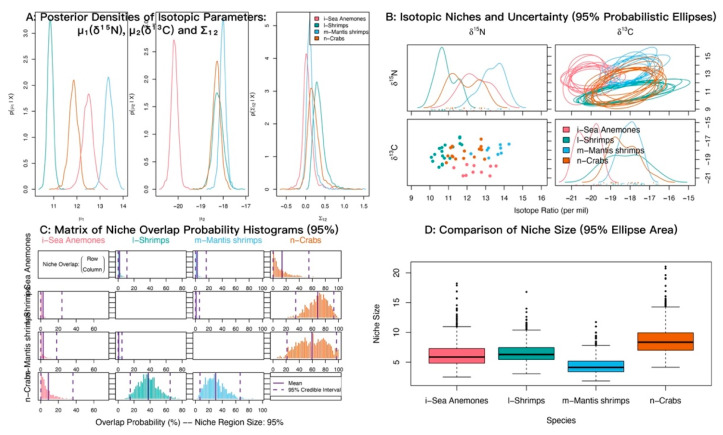 Figure 8
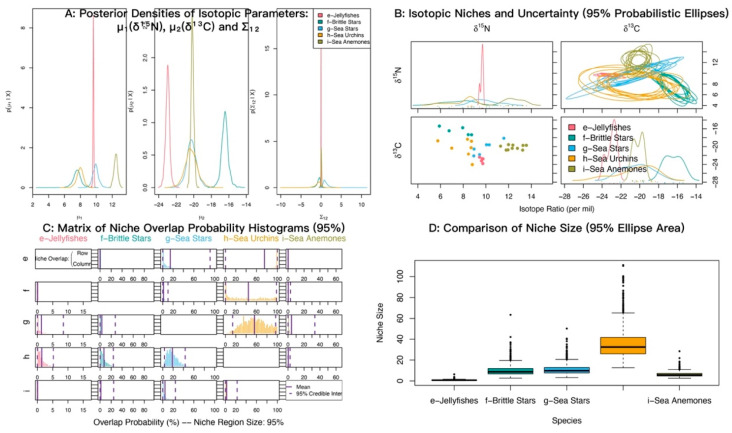 Figure 9
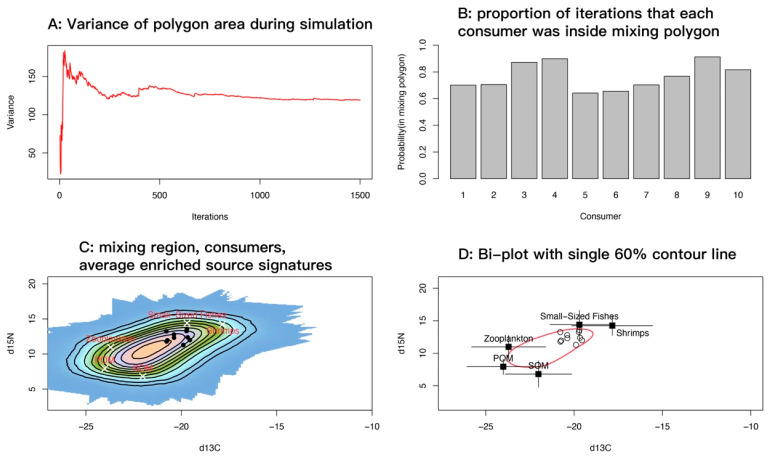 Figure 10
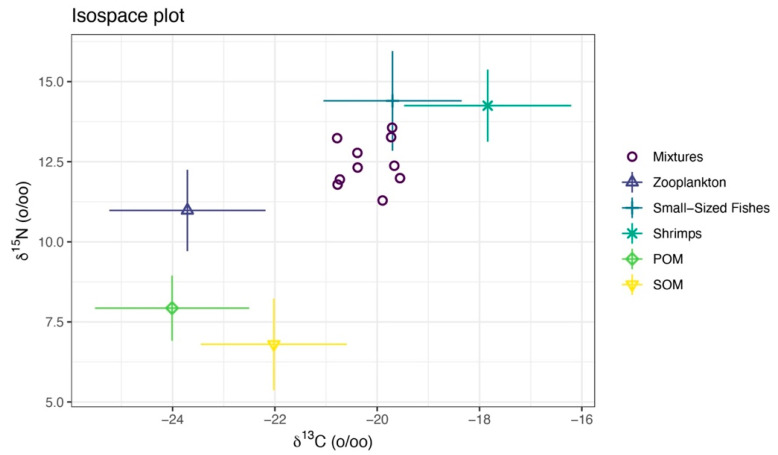 Figure 11
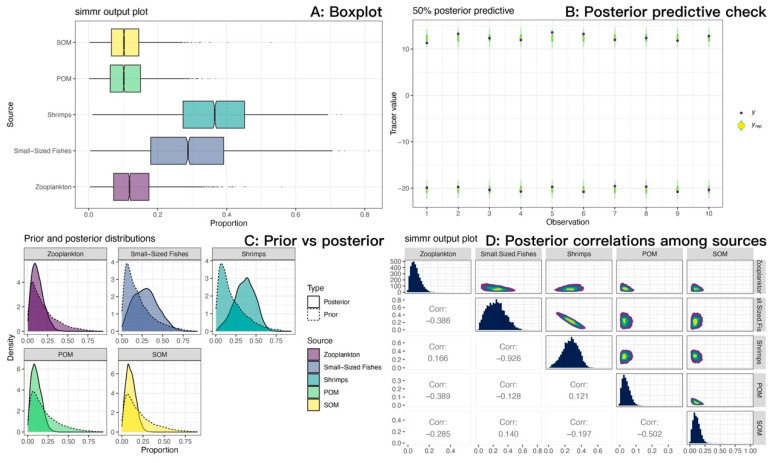 Figure 12
Peer Reviews
No public reviews on file for this paper yet. If you reviewed it on a platform where reviews are public (OpenReview, ICLR, NeurIPS, ICML), you can paste yours below so the community can read it here.
Videos
No videos yet. Explain this paper in a talk, walkthrough, or lecture? Add one.
Taxonomy
TopicsIsotope Analysis in Ecology · Marine and fisheries research · Marine Bivalve and Aquaculture Studies