High-Intensity Pulse Magnetic Fields Affect Redox Homeostasis and Survival Rate of Escherichia coli According to Initial Level of Intracellular Glucose
Pengbo Wang, Limeng Du, Yunchong Li, Zitang Xu, Luona Ye, Shuhan Dai, Li Xu, Jinyong Yan, Xiaoman Xie, Quanliang Cao, Min Yang, Xiaotao Han, Yunjun Yan

TL;DR
High-intensity pulse magnetic fields affect Escherichia coli survival and redox balance based on their initial glucose levels.
Contribution
This study reveals how high-intensity pulse magnetic fields influence E. coli survival through glucose metabolism and ROS production.
Findings
HI-PMF increases intracellular NADH/NAD+ ratio and improves cell survival in E. coli.
High initial glucose levels in E. coli lead to increased cell density after HI-PMF treatment.
HI-PMF-induced reactive oxygen species are central to observed physiological changes.
Abstract
The biological effects of magnetic fields (MFs) have been studied and applied in medicine over the past four decades. However, the influence of high-intensity pulse magnetic fields (HI-PMFs), theorized to exert even stronger biological effects, is rarely reported. Herein, a study was conducted to investigate the biological effects of 2.5 T HI-PMF on the model organism Escherichia coli and its corresponding physiological alterations. After being treated by HI-PMF, a notable increase was observed in its intracellular NADH/NAD+ ratio, coupled with an improved cell survival rate. Transcriptome analysis revealed significant upregulation of genes related to glucose metabolism. Subsequent experiments confirmed that if the initial intracellular glucose level was relatively high and markedly decreased after being treated with HI-PMF, the cell density would significantly rise, owing to the…
Genes, proteins, chemicals, diseases, species, mutations and cell lines named across the full text — each resolved to its canonical identifier and authoritative record.
Click any figure to enlarge with its caption.
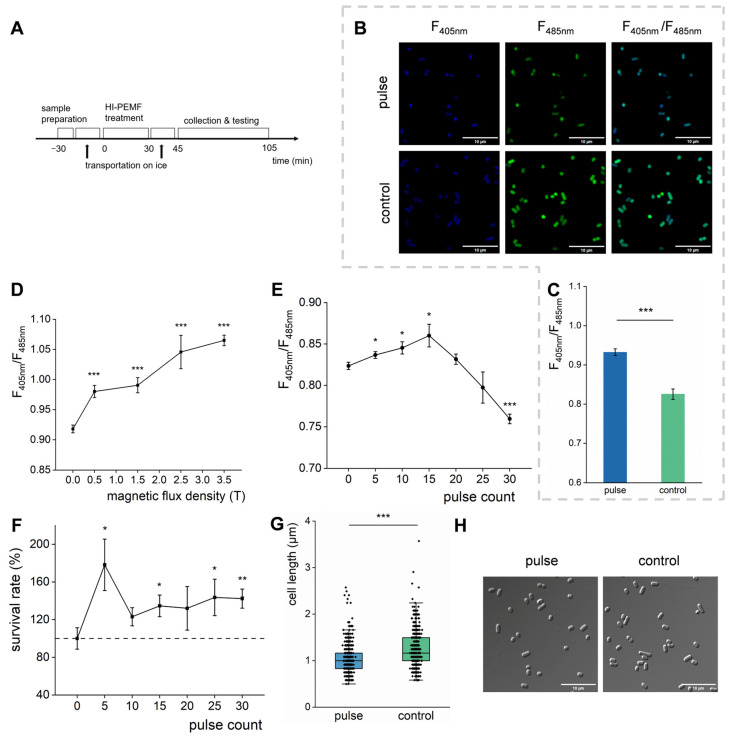 Figure 1
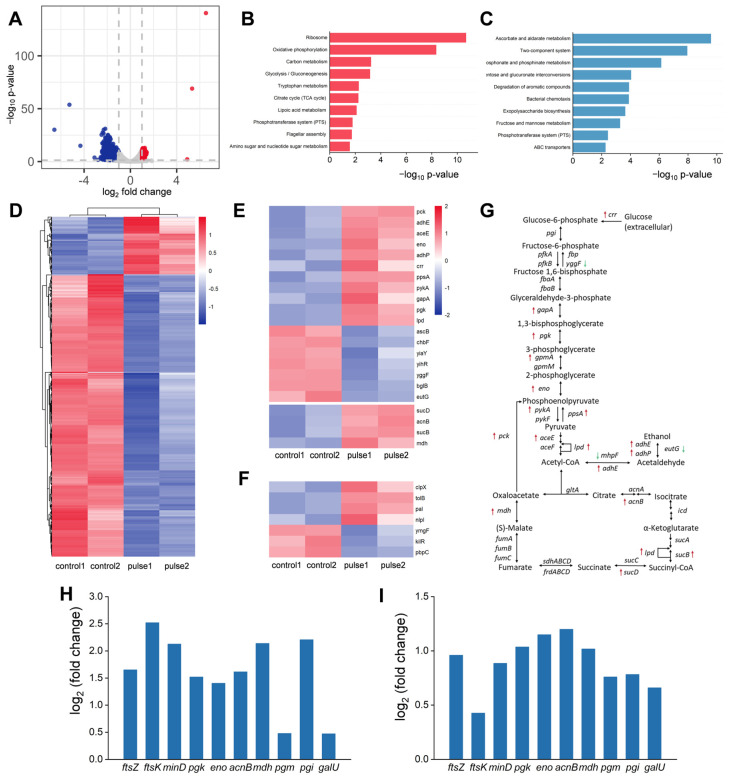 Figure 2
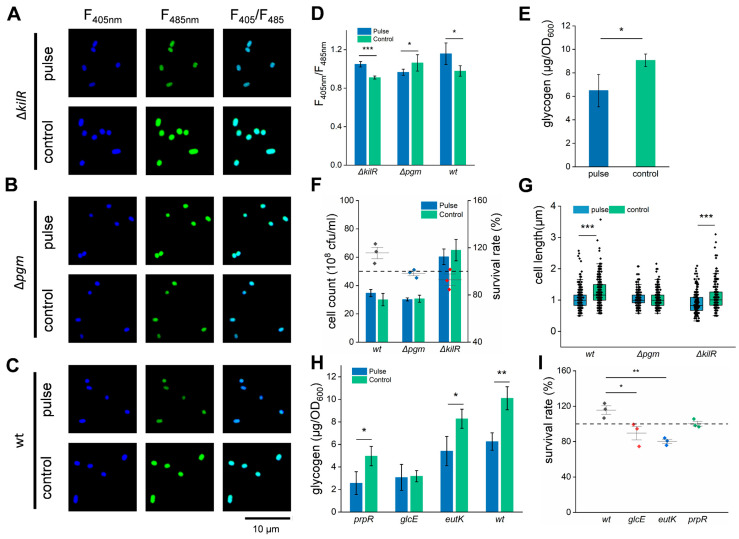 Figure 3
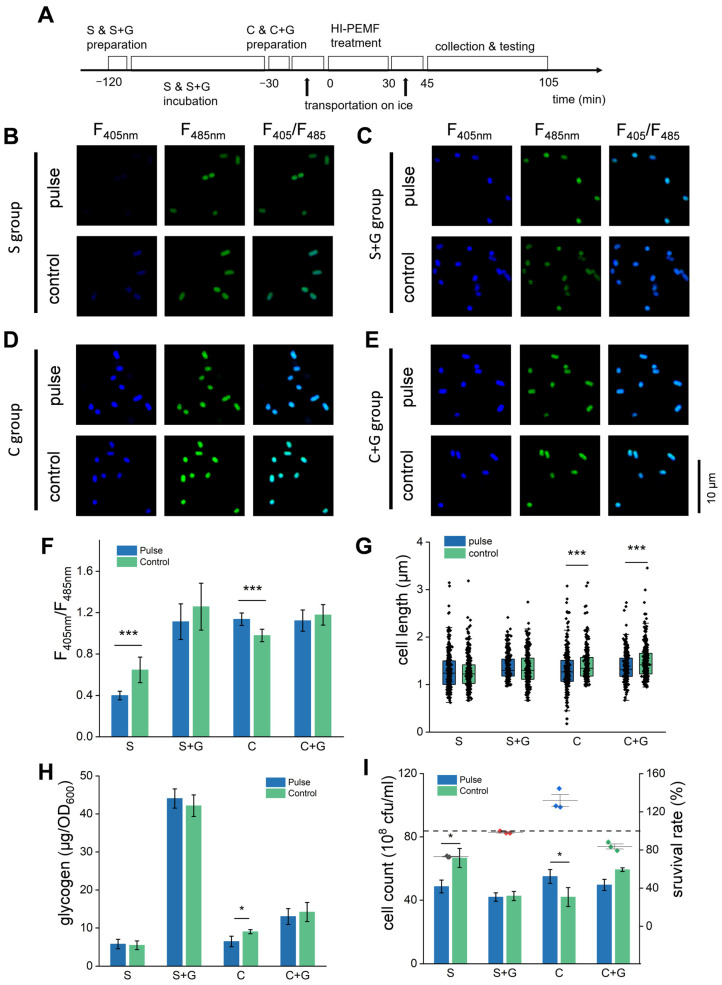 Figure 4
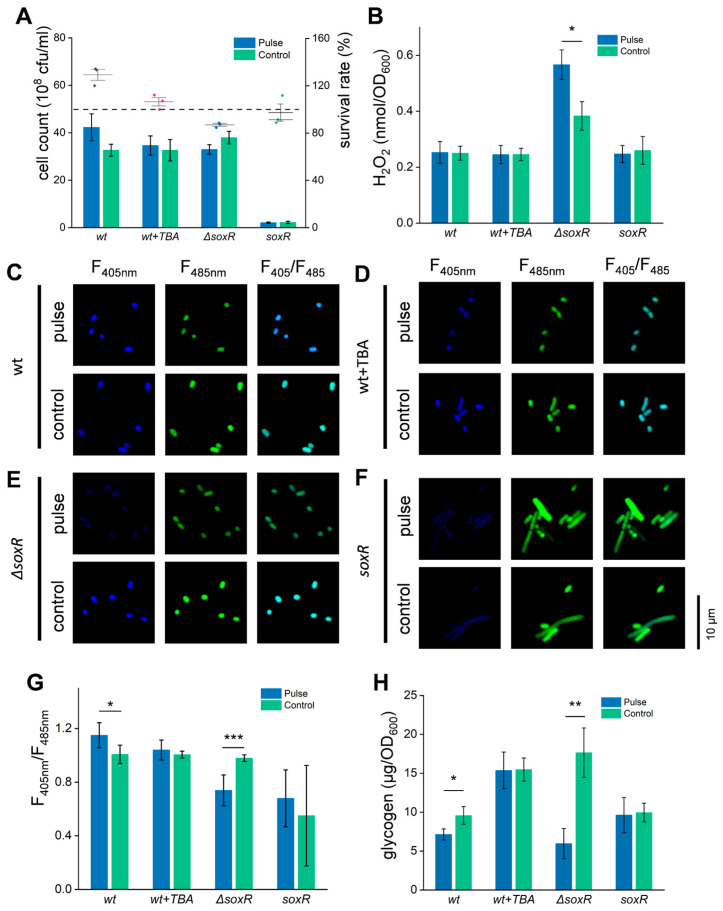 Figure 5
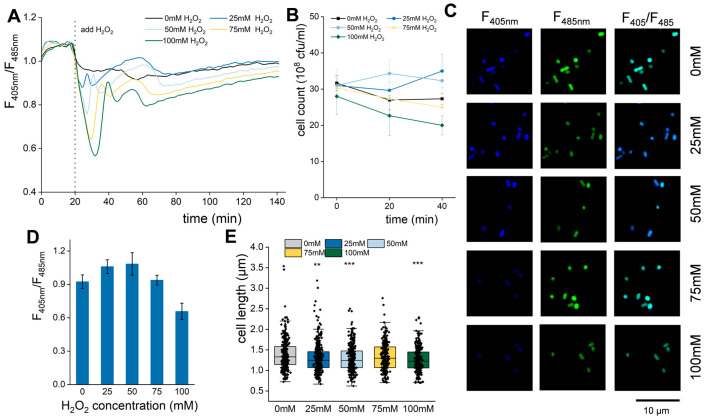 Figure 6
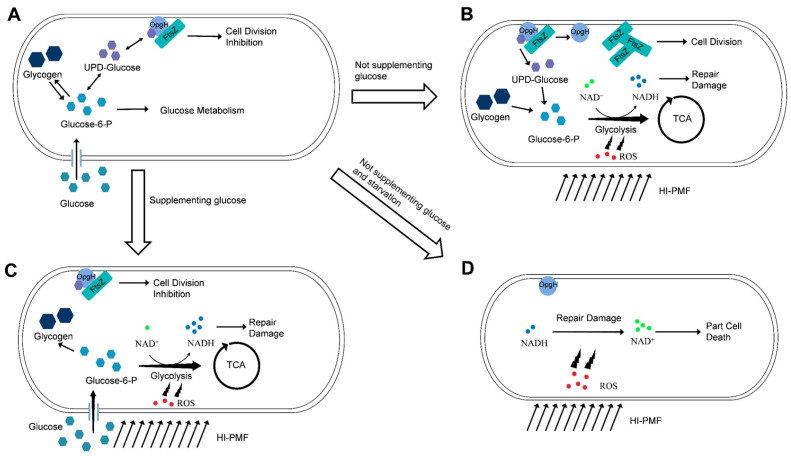 Figure 7
Peer Reviews
No public reviews on file for this paper yet. If you reviewed it on a platform where reviews are public (OpenReview, ICLR, NeurIPS, ICML), you can paste yours below so the community can read it here.
Videos
No videos yet. Explain this paper in a talk, walkthrough, or lecture? Add one.
Taxonomy
TopicsElectromagnetic Fields and Biological Effects · Magnetic and Electromagnetic Effects · Microbial Inactivation Methods