Reproductive Biology and Early Life History of the Apodid Sea Cucumber Chiridota laevis
Sara Jobson, Jean-François Hamel, Annie Mercier

TL;DR
This study explores the reproduction and early life stages of the sea cucumber Chiridota laevis, revealing unique traits like seasonal sex change and a long development period.
Contribution
The study provides the first detailed account of the reproductive biology and early life history of Chiridota laevis, a poorly understood sea cucumber species.
Findings
Chiridota laevis undergoes seasonal sex change and spawns in late winter at cold temperatures.
Development is lecithotrophic with no pelagic larval stage, and juveniles take up to 7 years to reach adult size.
Eggs form a sticky mat on sediment, and embryos hatch after 7 weeks with feeding beginning at 10 weeks.
Abstract
Sea cucumbers are keystone species of marine ecosystems around the world that demonstrate diverse life history strategies. Chiridota laevis is a burrowing species found in temperate to cold waters of the Arctic, North Atlantic, and North Pacific Oceans. The widespread distribution of this species underscores the value of studying the currently unknown fundamentals of its reproduction and development. In the present study, adults displayed distinct male or female sexual cells (sperm or eggs) for most of the year before undergoing a seasonal sex change in the fall months. Spawning and fertilization occurred in late winter, coinciding with the coldest water temperatures. The sticky eggs of C. laevis sank immediately after being released and formed a mat on the muddy sediment. The embryos were ~350 μm in diameter and did not undergo a feeding larval stage, indicating that yolk reserves…
Genes, proteins, chemicals, diseases, species, mutations and cell lines named across the full text — each resolved to its canonical identifier and authoritative record.
Click any figure to enlarge with its caption.
 Figure 1
 Figure 2
 Figure 3
 Figure 4
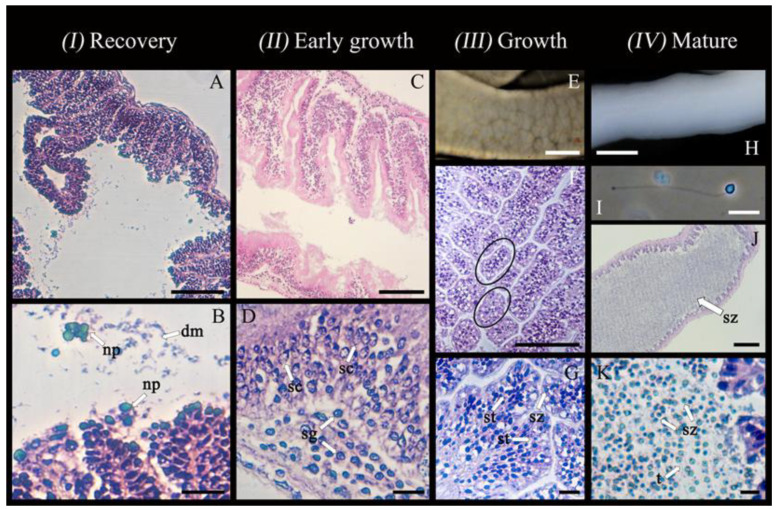 Figure 5
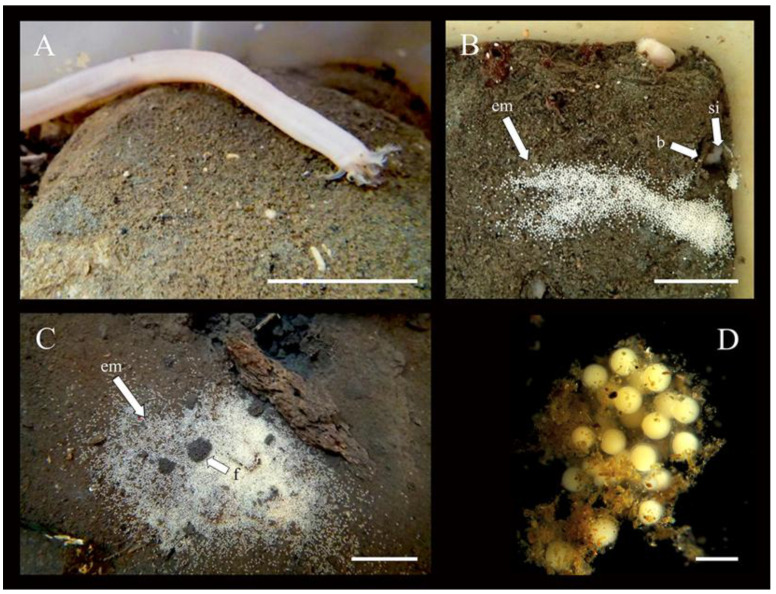 Figure 6
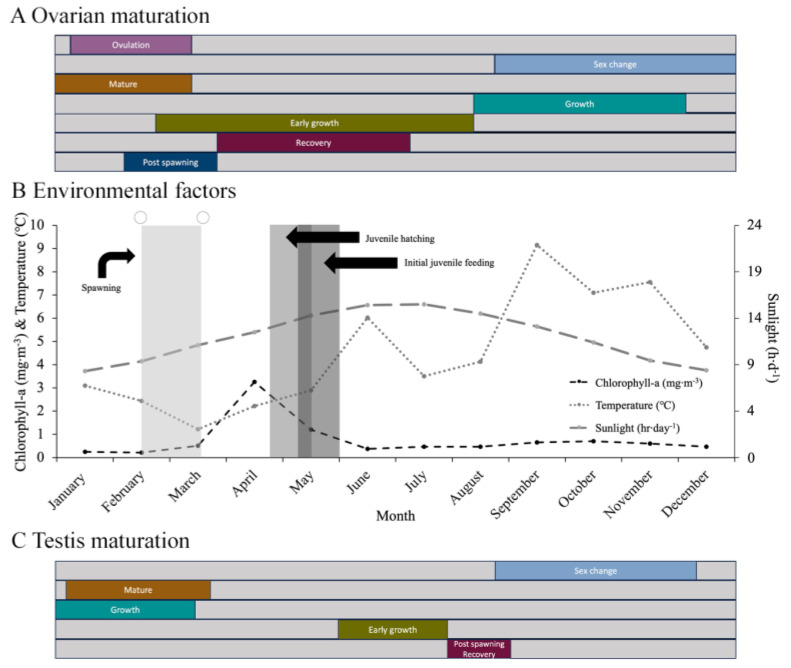 Figure 7
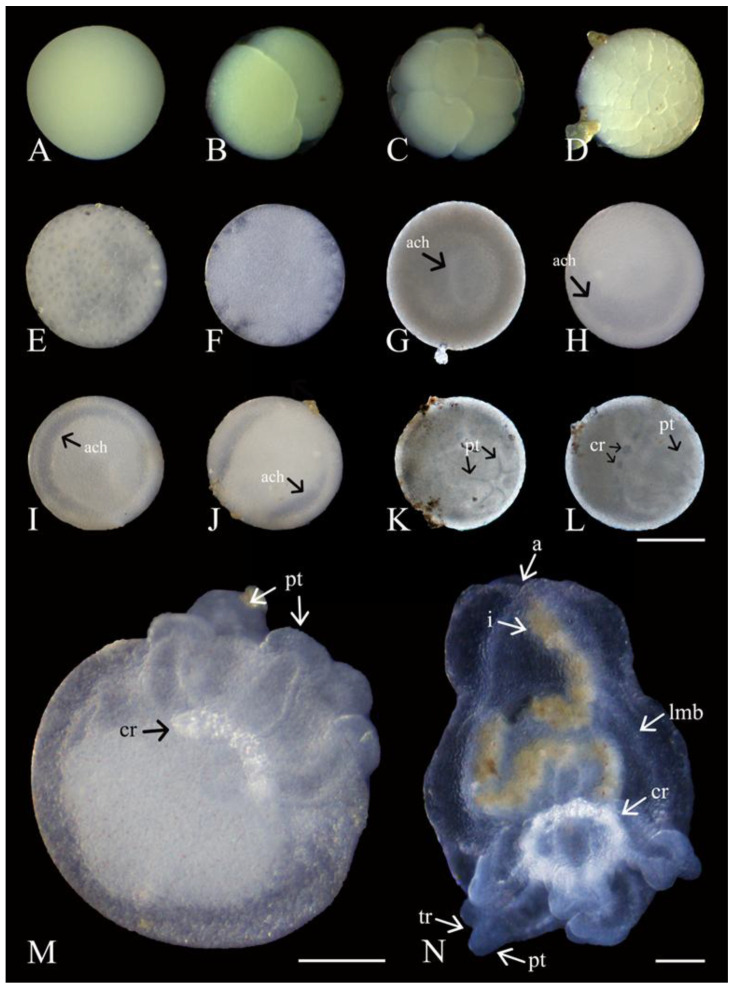 Figure 8
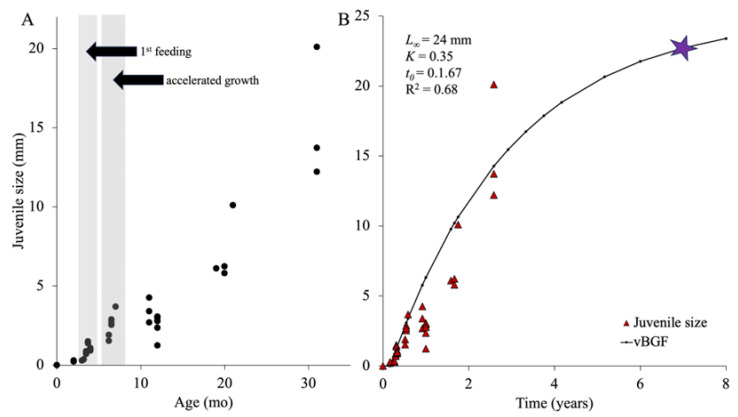 Figure 9
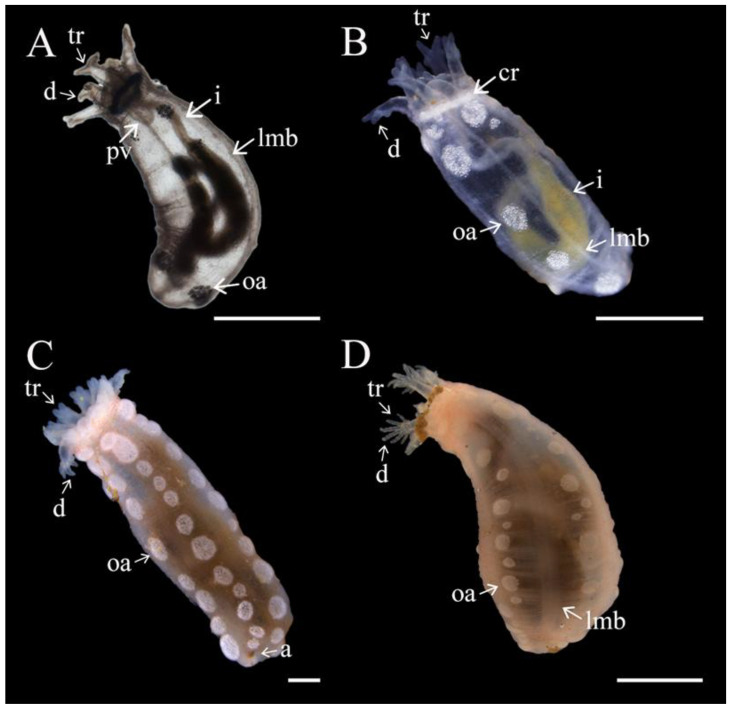 Figure 10
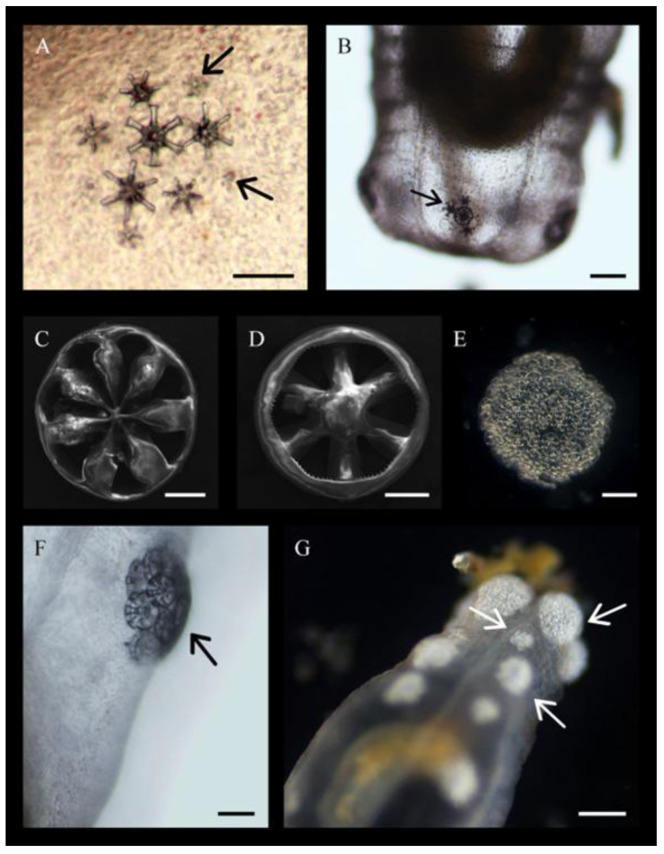 Figure 11
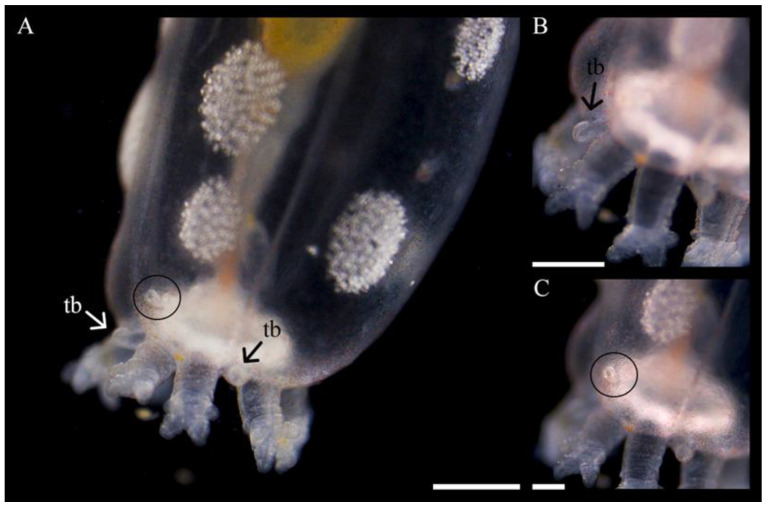 Figure 12
Peer Reviews
No public reviews on file for this paper yet. If you reviewed it on a platform where reviews are public (OpenReview, ICLR, NeurIPS, ICML), you can paste yours below so the community can read it here.
Videos
No videos yet. Explain this paper in a talk, walkthrough, or lecture? Add one.
Taxonomy
TopicsEchinoderm biology and ecology · Aquatic life and conservation · Marine and coastal plant biology