Phase Separation Competent TIA1 Couples Glycolytic Shutdown to CD8+ T-Cell Activation and Shapes the Efficacy of Intravesical BCG in Bladder Cancer
Wenwen Zhang, Kailiang Zhou, Pinru Chen, Xuanshuang Du, Min Liu

TL;DR
TIA1, a protein that forms droplets, links tumor metabolism to immune cell activity and may predict better outcomes in bladder cancer patients treated with BCG.
Contribution
This study reveals a novel role for TIA1 in connecting tumor glycolysis to CD8+ T-cell activation via phase separation and mRNA regulation.
Findings
High TIA1 expression in tumors correlates with better survival outcomes in bladder cancer patients.
TIA1 reduces glycolysis and lactate production while enhancing CD8+ T-cell activation markers.
BCG treatment effects depend on TIA1's phase separation ability, suggesting a new therapeutic axis for bladder cancer.
Abstract
Many people with early-stage bladder cancer receive bladder instillations of the tuberculosis vaccine strain, Bacillus Calmette–Guérin (BCG), yet many patients relapse. One reason is that cancer cells switch to high-rate glycolysis and release acid (lactate), which makes the body’s killer immune cells tired and less able to fight. We studied TIA1, an RNA-binding protein that forms liquid-like droplets (LLPS). We asked whether this droplet-forming ability links tumor glycolysis to CD8+ T-cell activity and BCG benefit. We found that people whose tumors had higher TIA1 were more likely to have better survival outcomes. In cells and mouse models, droplet competent TIA1 lowered glycolysis, reduced lactate, and increased CD8+ T-cell activation markers. BCG tended to enhance this pattern, and the effect depended on TIA1’s low-complexity domain. In our models, increased TIA1 expression was…
Genes, proteins, chemicals, diseases, species, mutations and cell lines named across the full text — each resolved to its canonical identifier and authoritative record.
Click any figure to enlarge with its caption.
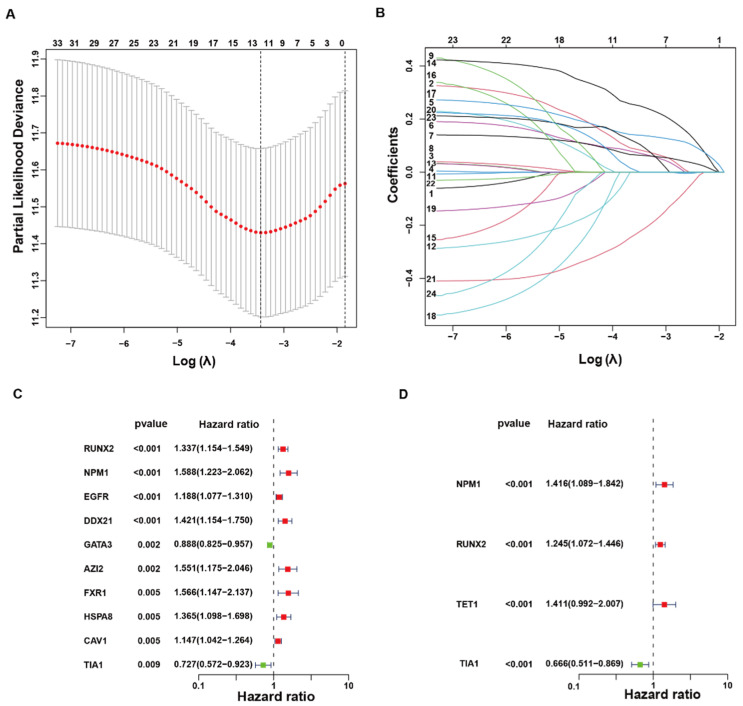 Figure 1
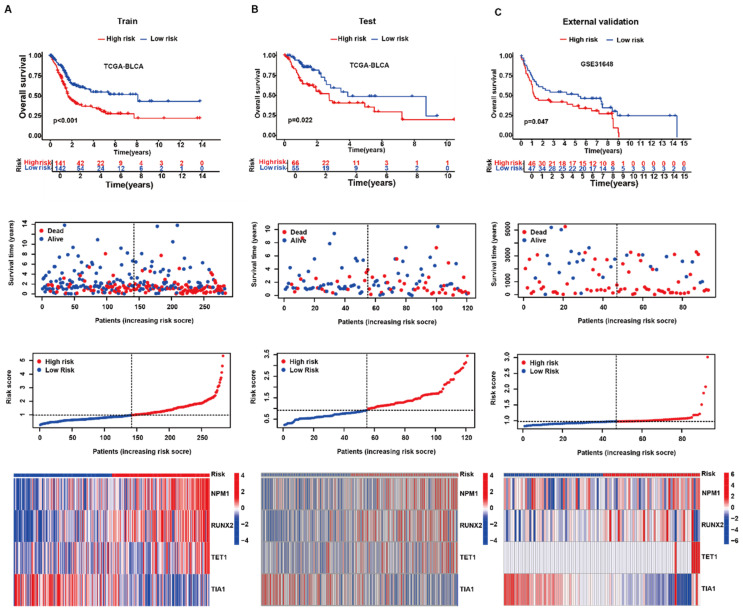 Figure 2
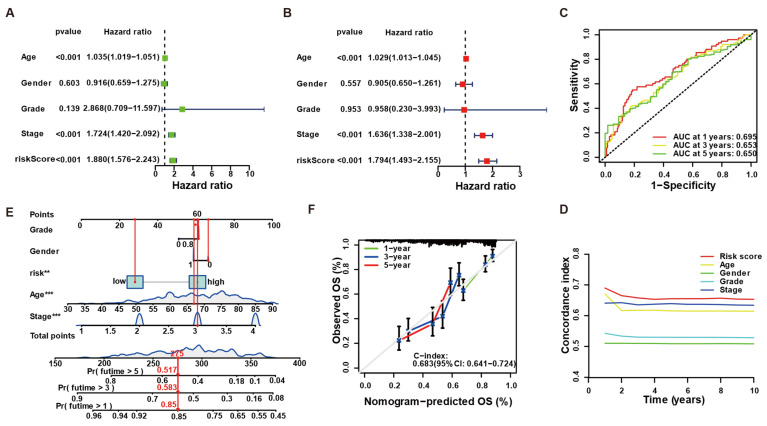 Figure 3
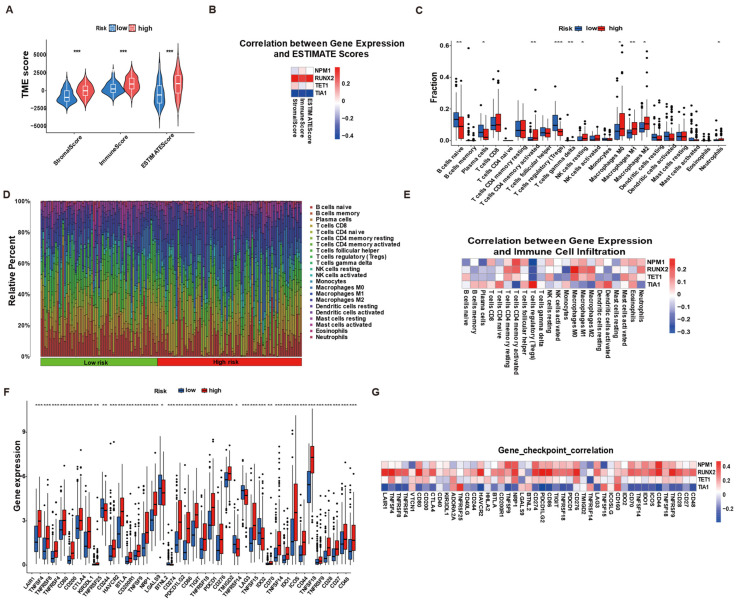 Figure 4
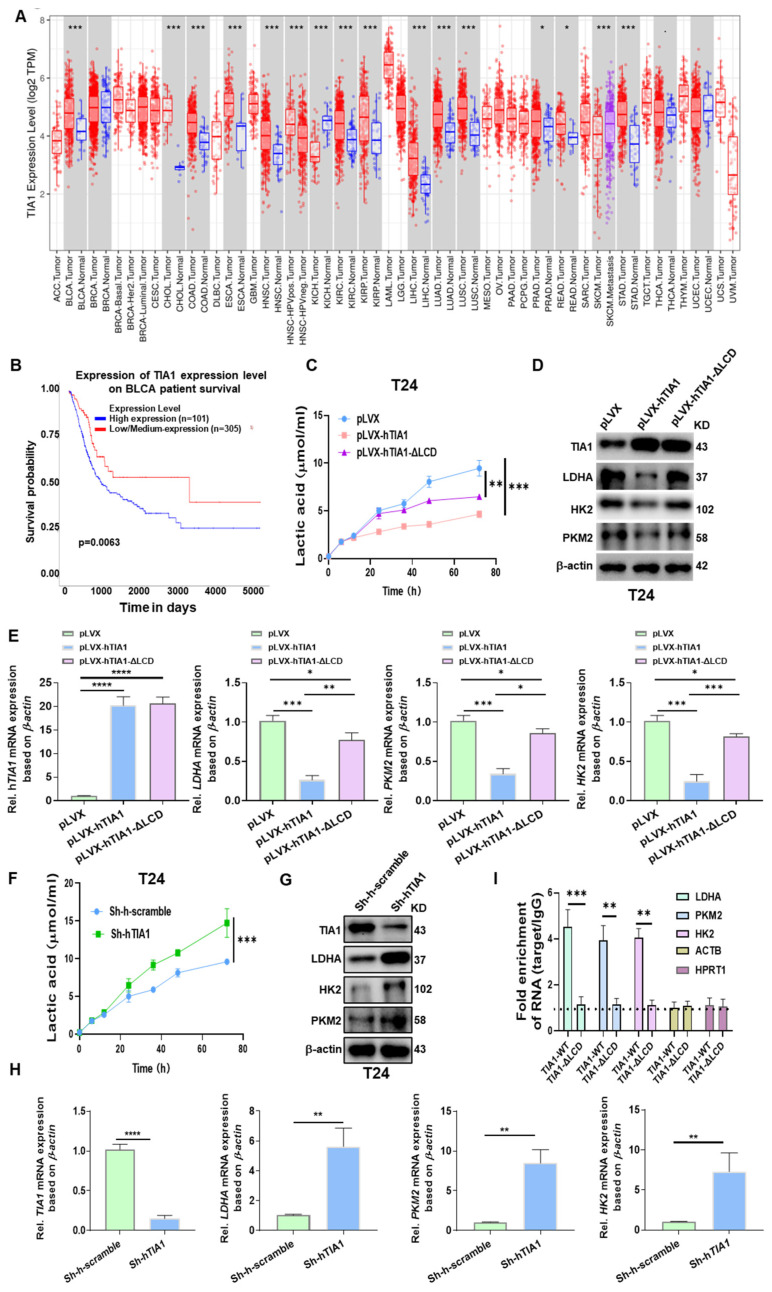 Figure 5
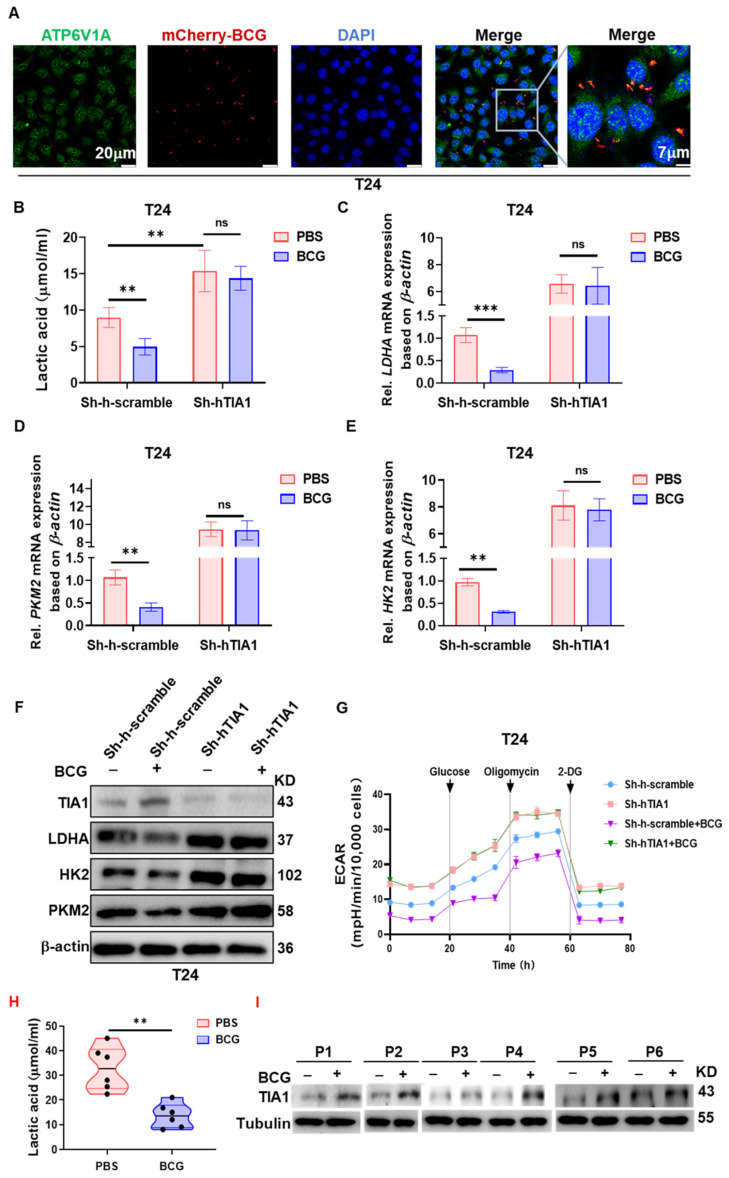 Figure 6
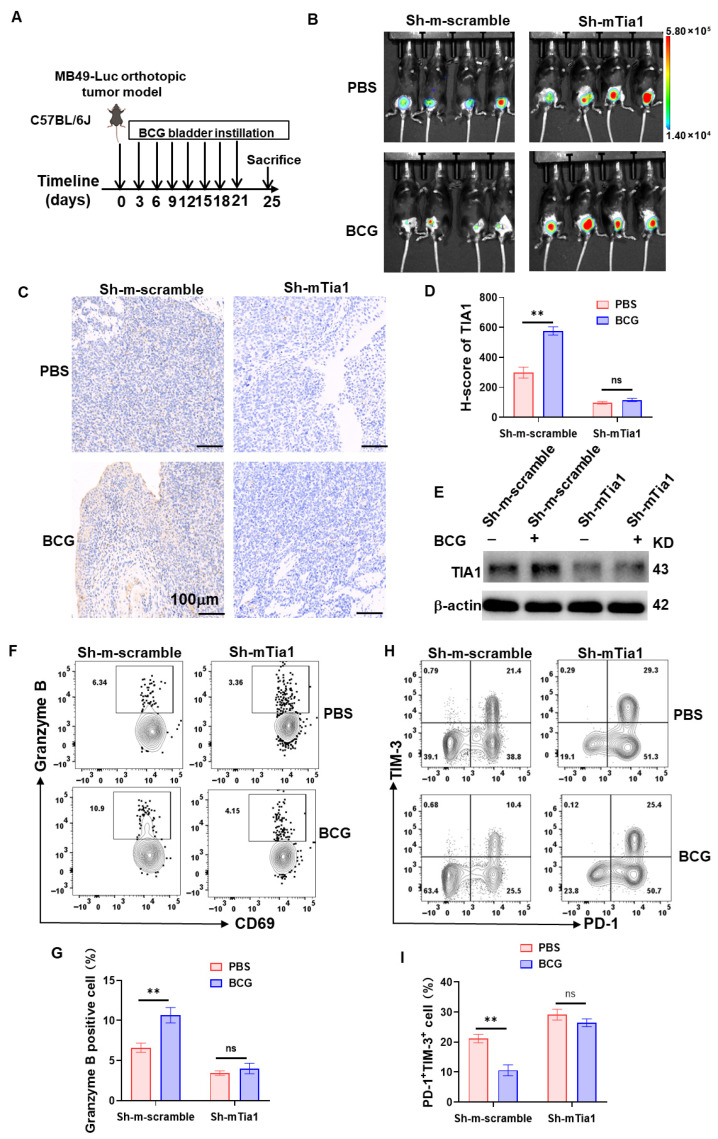 Figure 7
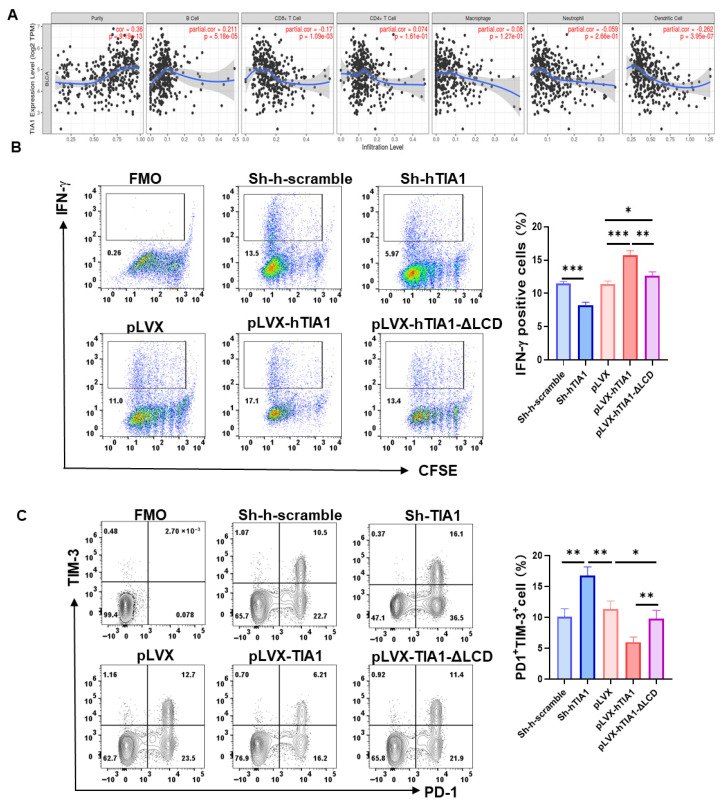 Figure 8
Peer Reviews
No public reviews on file for this paper yet. If you reviewed it on a platform where reviews are public (OpenReview, ICLR, NeurIPS, ICML), you can paste yours below so the community can read it here.
Videos
No videos yet. Explain this paper in a talk, walkthrough, or lecture? Add one.
Taxonomy
TopicsBladder and Urothelial Cancer Treatments · Ferroptosis and cancer prognosis · Cancer Immunotherapy and Biomarkers