Total Flavonoids of Rhizoma drynariae Enhance Bone Marrow Mesenchymal Stem Cell-Mediated Tendon–Bone Healing by Promoting Tissue Regeneration, Angiogenesis, and Modulation of Cytokine Expression
Gaoyuan Yang, Yu Wang, Xianyan Xie, Ziyan Li, Shuqi Qin, Weitong Zhang, Zixi Chenyuan, Peizhong Cao, Huiguo Wang, Lin Zhu

TL;DR
This study shows that a natural extract from Rhizoma drynariae, when combined with bone marrow stem cells, can improve healing of tendon-bone injuries by boosting tissue repair and blood vessel growth.
Contribution
The study demonstrates a novel therapeutic strategy using TFRD and BMSCs to enhance tendon–bone healing and functional recovery.
Findings
TFRD promotes BMSC proliferation, migration, and differentiation, and enhances blood vessel formation.
Combining TFRD with BMSCs improves collagen alignment, cartilage formation, and mechanical strength at the healing site.
TFRD modulates cytokine expression, reducing inflammation and improving the local healing environment.
Abstract
Tendon–bone injuries are common in sports and often lead to poor recovery due to insufficient healing at the tendon–bone interface. Current surgical treatments can restore structure but rarely achieve full functional recovery. In this study, we explored how total flavonoids of Rhizoma drynariae (TFRD), a natural extract widely used in traditional Chinese medicine, can enhance the regenerative capacity of bone marrow mesenchymal stem cells (BMSCs) for tendon–bone repair. Through both cell experiments and a rat Achilles tendon injury model, we found that TFRD significantly promoted BMSC proliferation, migration, and differentiation, while also stimulating blood vessel formation and reducing local inflammation. When combined with BMSCs, TFRD improved collagen alignment, cartilage formation, and mechanical strength at the healing site. These findings provide experimental evidence that…
Genes, proteins, chemicals, diseases, species, mutations and cell lines named across the full text — each resolved to its canonical identifier and authoritative record.
Click any figure to enlarge with its caption.
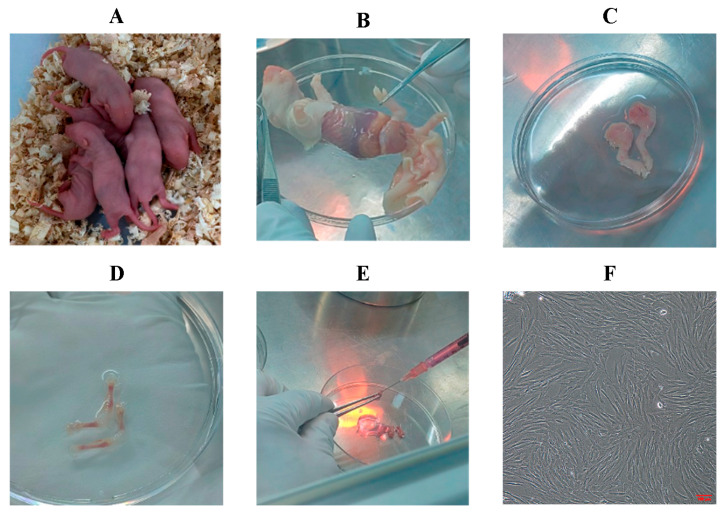 Figure 1
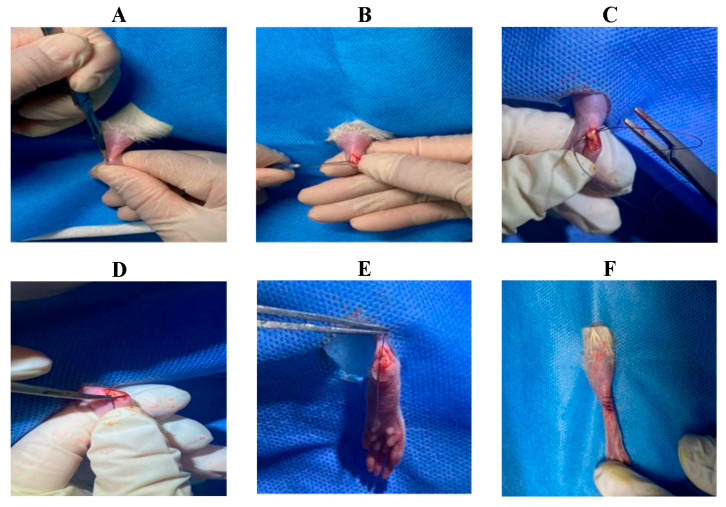 Figure 2
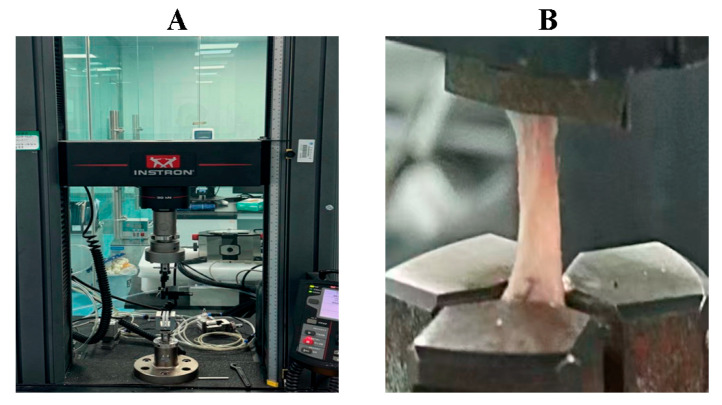 Figure 3
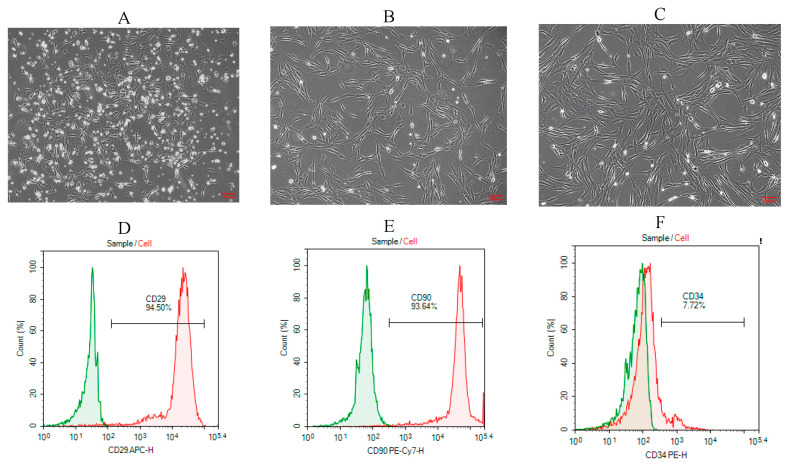 Figure 4
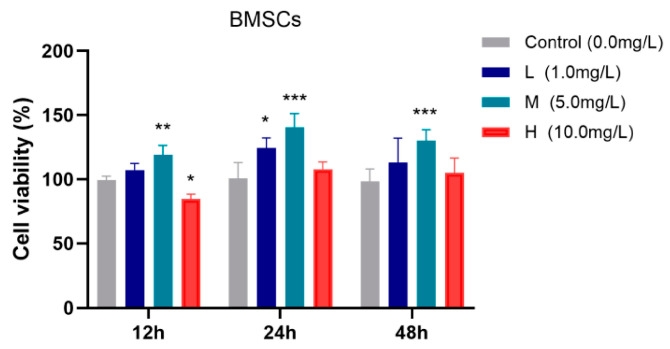 Figure 5
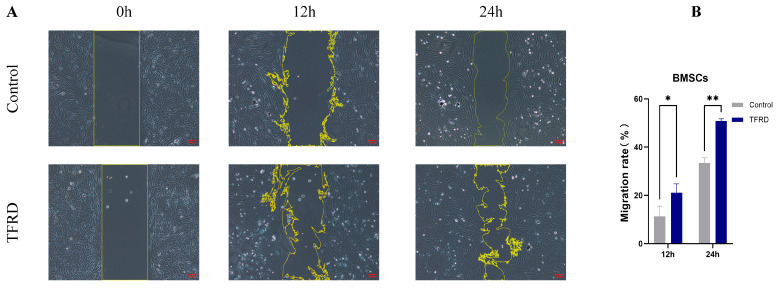 Figure 6
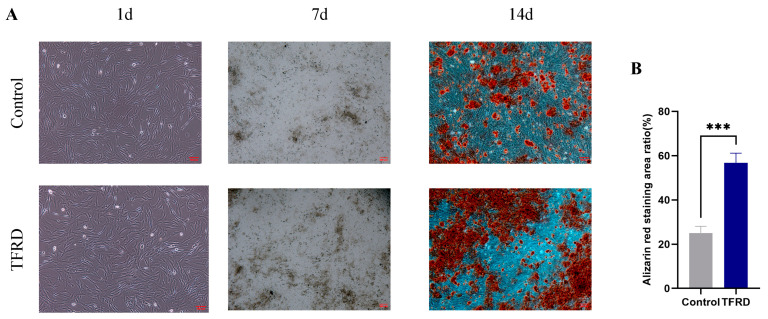 Figure 7
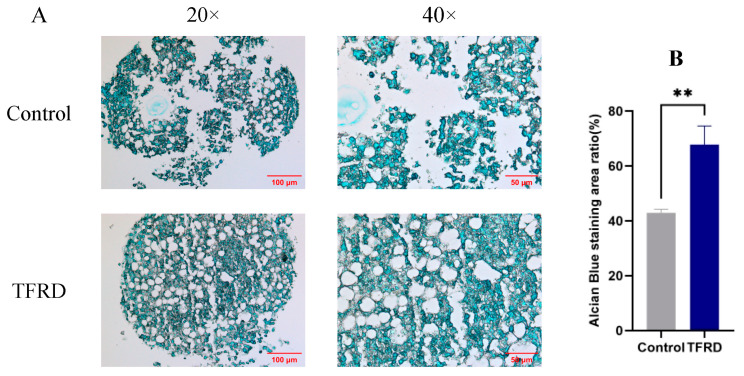 Figure 8
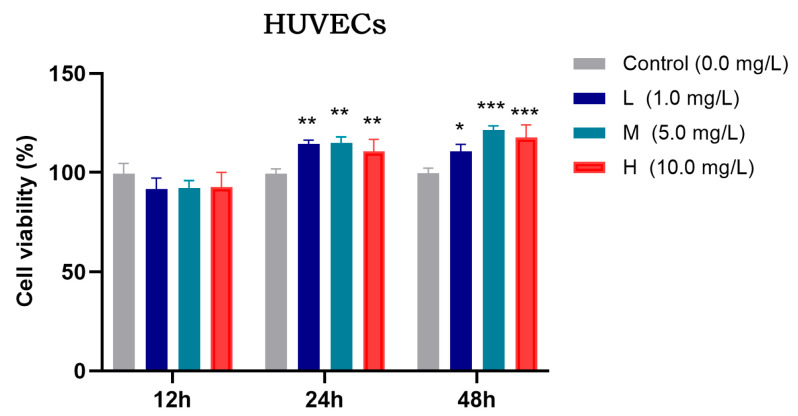 Figure 9
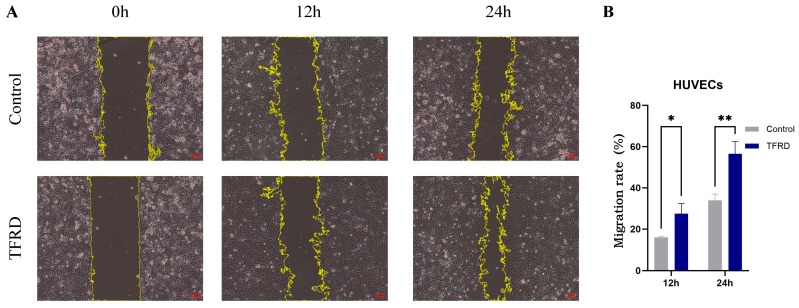 Figure 10
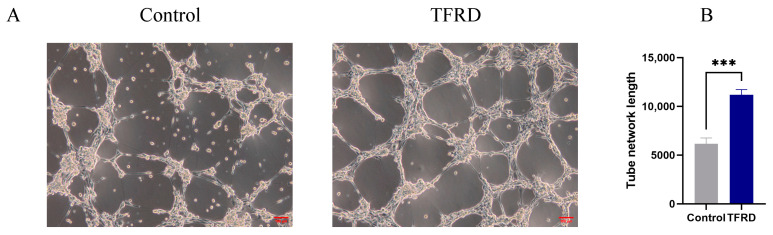 Figure 11
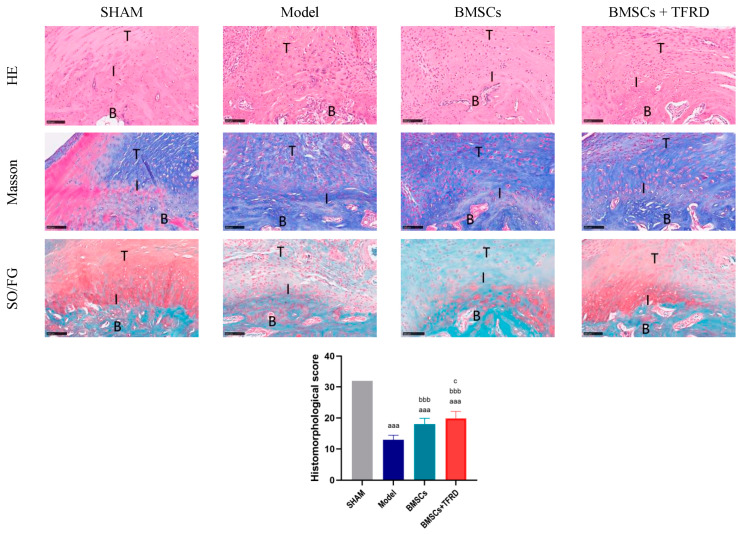 Figure 12
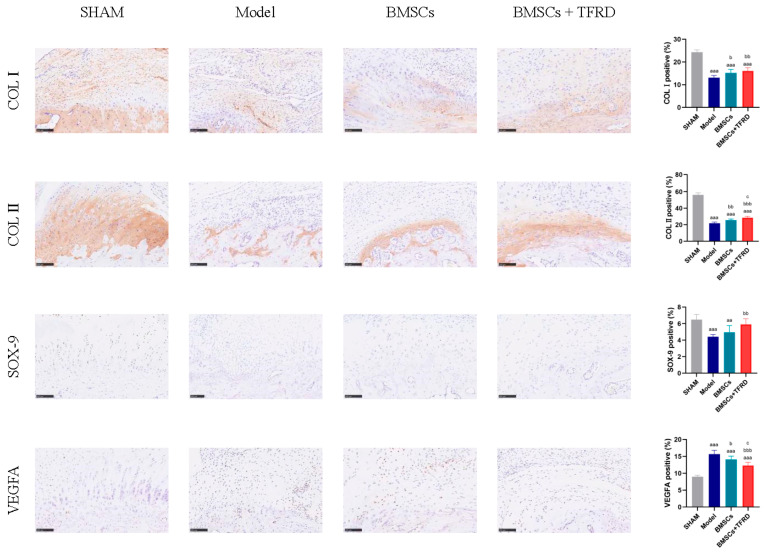 Figure 13
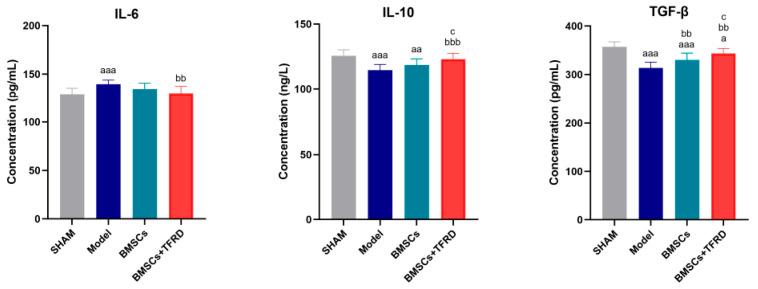 Figure 14
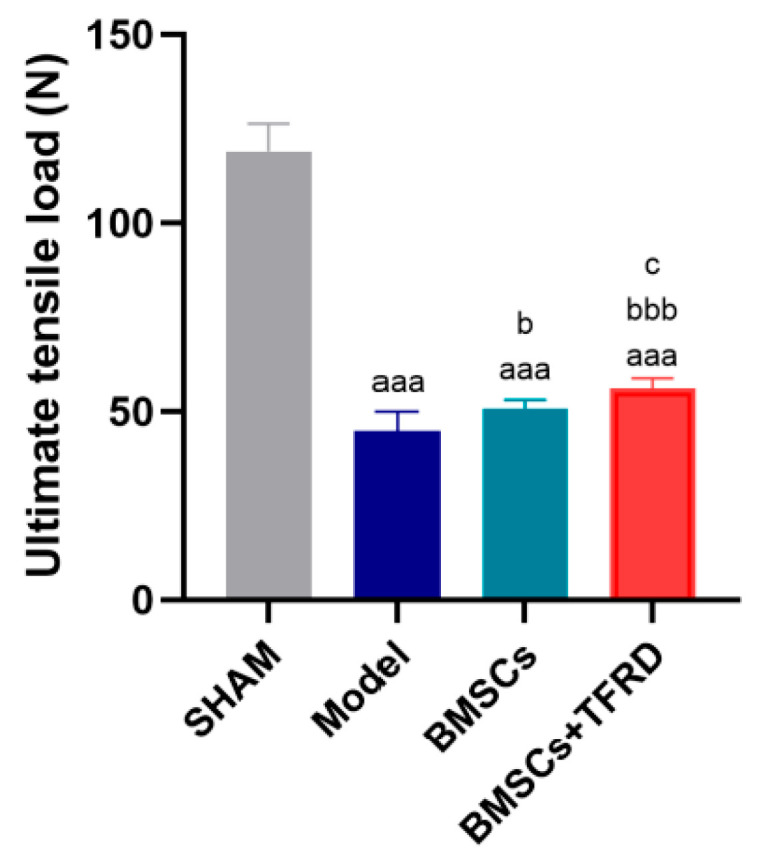 Figure 15
Peer Reviews
No public reviews on file for this paper yet. If you reviewed it on a platform where reviews are public (OpenReview, ICLR, NeurIPS, ICML), you can paste yours below so the community can read it here.
Videos
No videos yet. Explain this paper in a talk, walkthrough, or lecture? Add one.
Taxonomy
TopicsTendon Structure and Treatment · Osteoarthritis Treatment and Mechanisms · Berberine and alkaloids research