Changes in the Interaction Properties of Antibodies with Fc Receptors upon Binding to Target Antigens
Artem S. Grevtsev, Anton A. Kommer, Irina S. Zelmanchuk, Andrei S. Avdiushkin, Elizaveta O. Ermolaeva, Aleksandr A. Tiulin, Darya O. Chernyshova, Alexandra D. Azarian, Alexandr A. Gordeev, Aleksey K. Misorin

TL;DR
This paper shows that when antibodies bind to their target antigens, their interaction with Fc receptors can weaken, affecting drug properties and cancer treatment effectiveness.
Contribution
The study introduces a novel use of biolayer interferometry to detect changes in antibody-Fc receptor interactions after antigen binding.
Findings
Binding to antigens can significantly weaken antibody interactions with FcRn and FcγRIIIa receptors.
Sensor-based biolayer interferometry can detect reduced Fc receptor affinity in antibodies.
This effect may influence pharmacokinetics and effector mechanisms in cancer therapies.
Abstract
The interaction of therapeutic antibodies with Fc receptors is an important property that is actively modified to improve pharmacokinetic profiles and optimize antibody-dependent mechanisms of action. Various modifications of the Fc and hinge regions of antibodies, leading to a change in affinity with various Fc receptors, are widely covered in the literature. However, data on changes in antibody and Fc receptor interactions after antibody binding to the target antigen are poorly covered in the literature. In this work, we demonstrated a change in the affinity of the interaction of antibodies with Fc receptors after binding to the target antigen via the method of biolayer interferometry. An interesting result was a significant weakening of the interaction of FcRn and FcγRIIIa with some of the antibodies when the latter bound to the target antigen, which suggests the importance of this…
Genes, proteins, chemicals, diseases, species, mutations and cell lines named across the full text — each resolved to its canonical identifier and authoritative record.
Click any figure to enlarge with its caption.
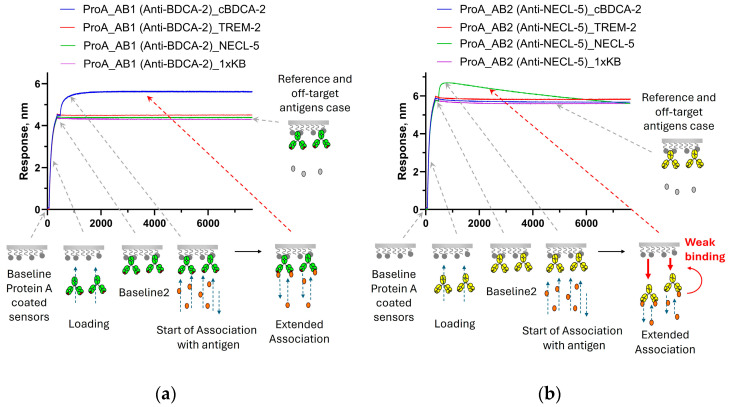 Figure 1
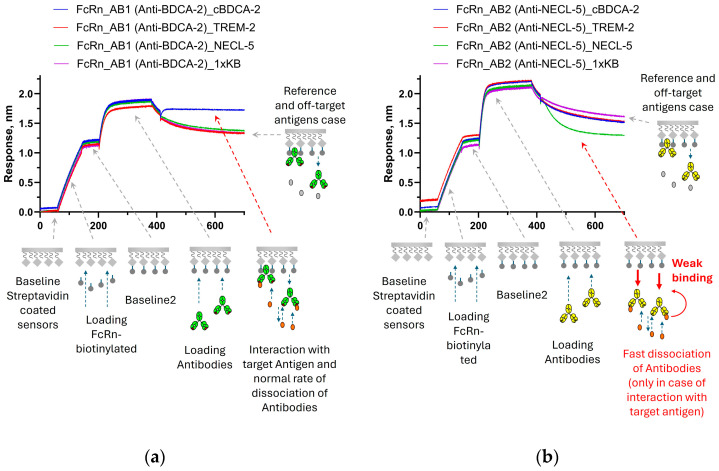 Figure 2
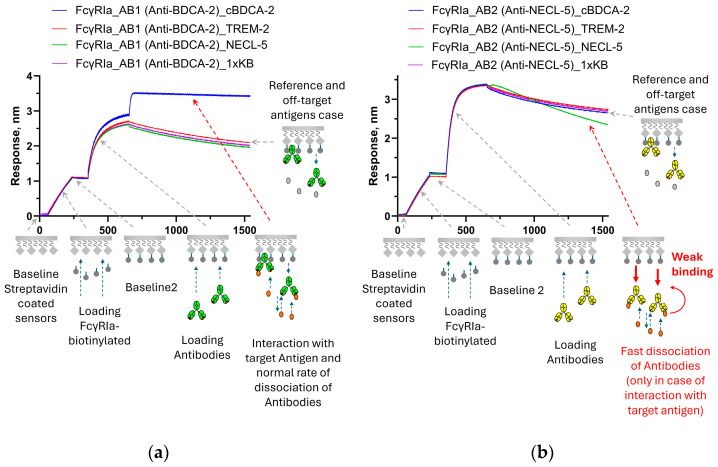 Figure 3
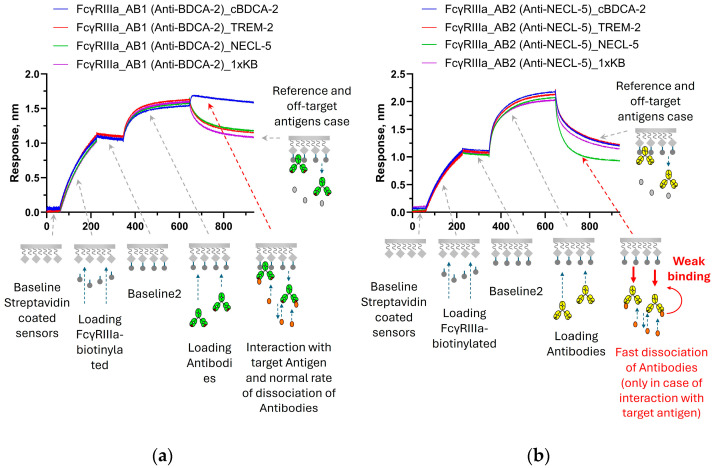 Figure 4
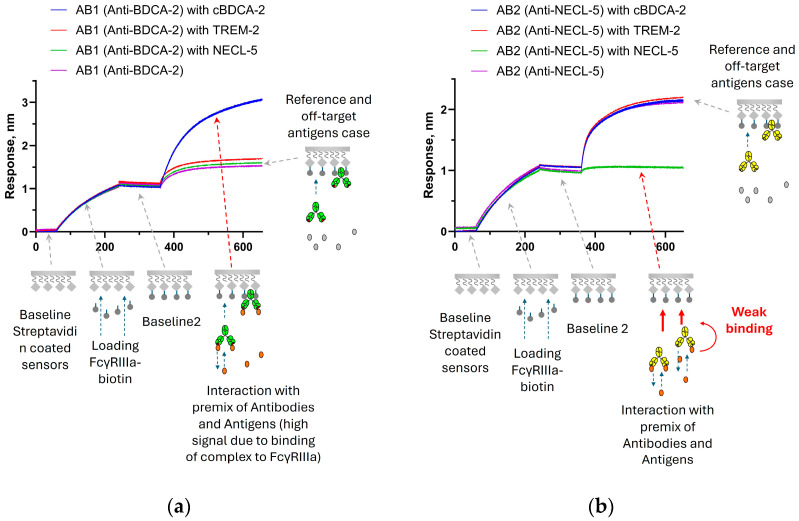 Figure 5
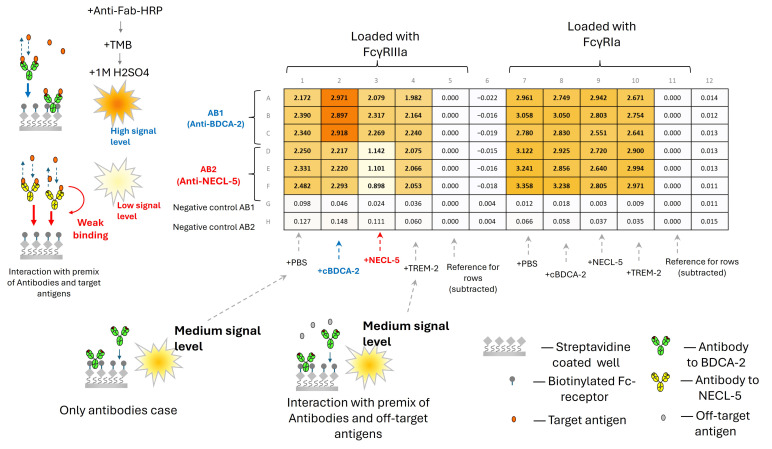 Figure 6
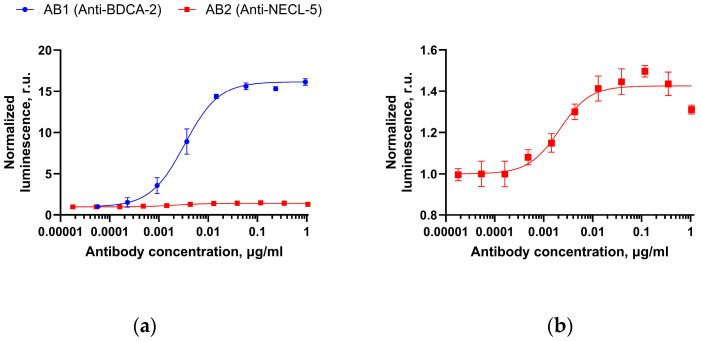 Figure 7
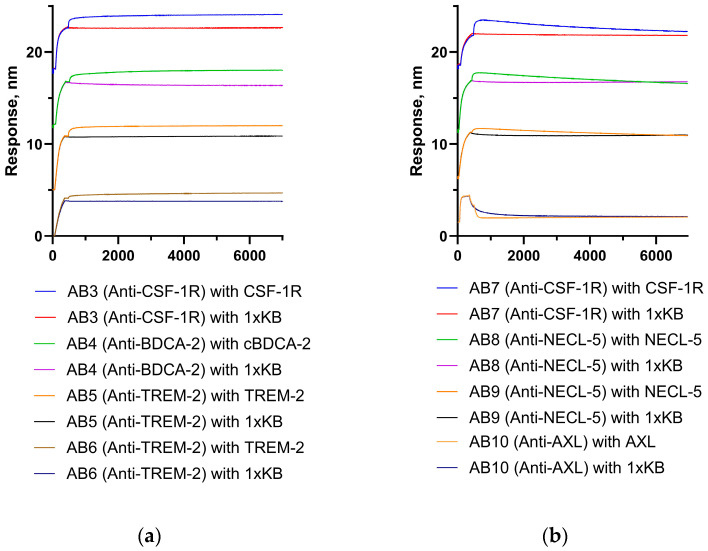 Figure 8
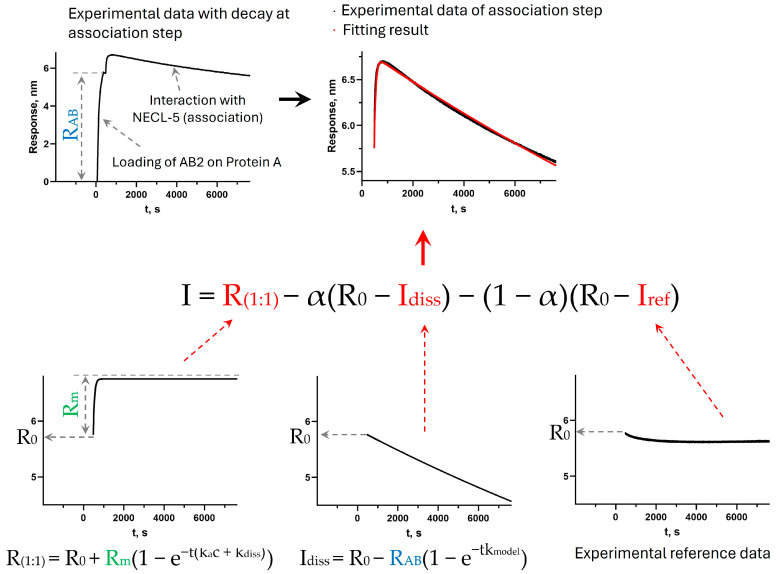 Figure 9
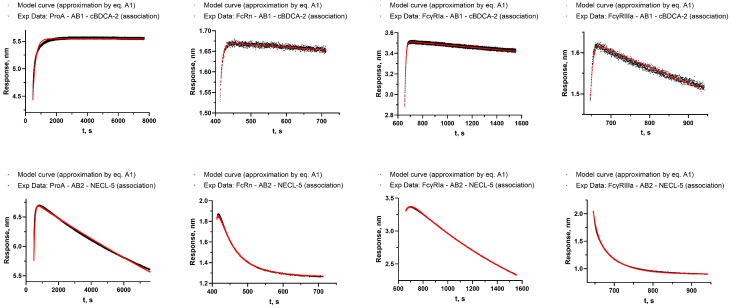 Figure 10
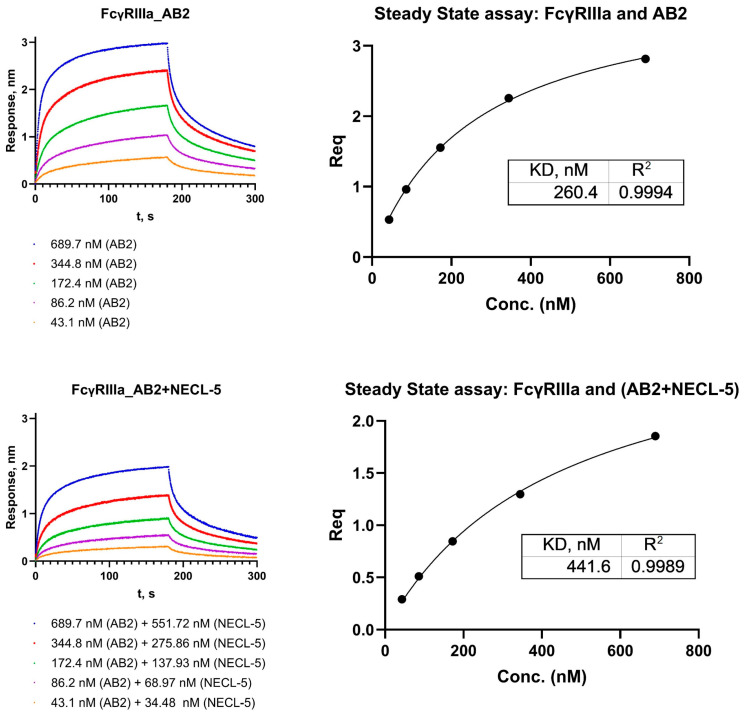 Figure 11
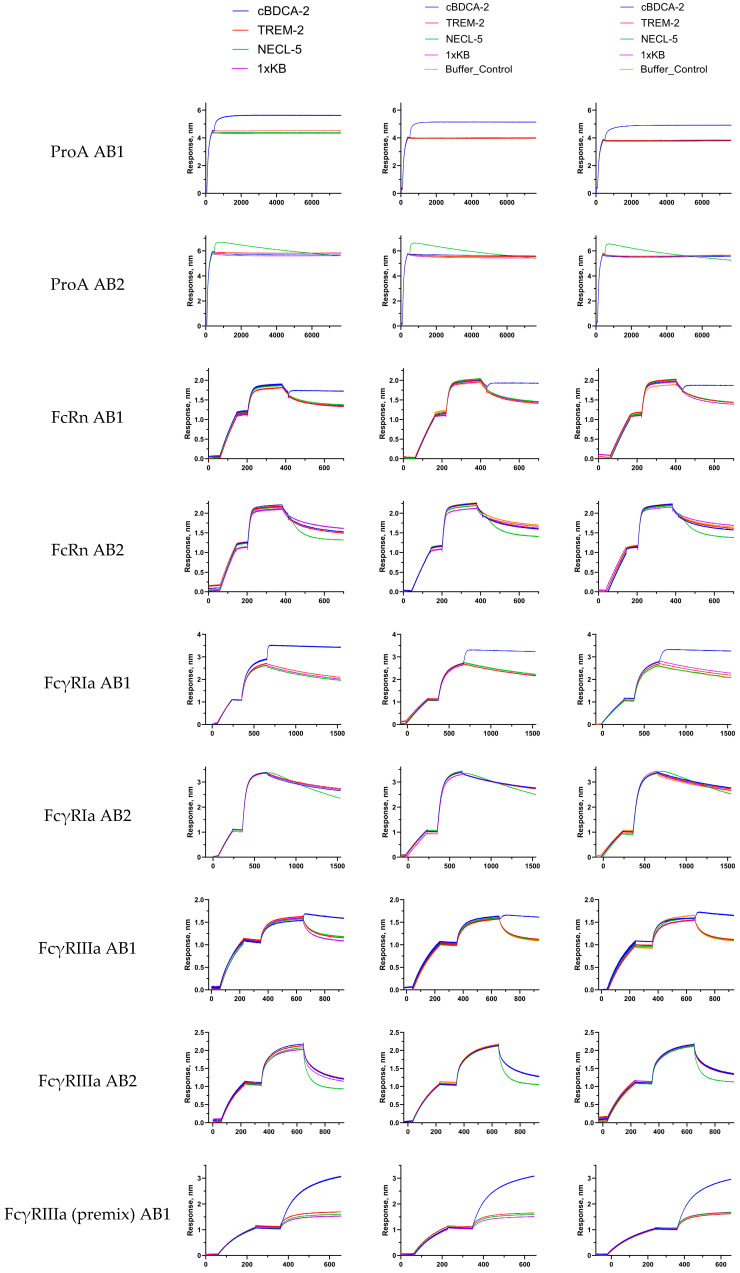 Figure 12
 Figure 13
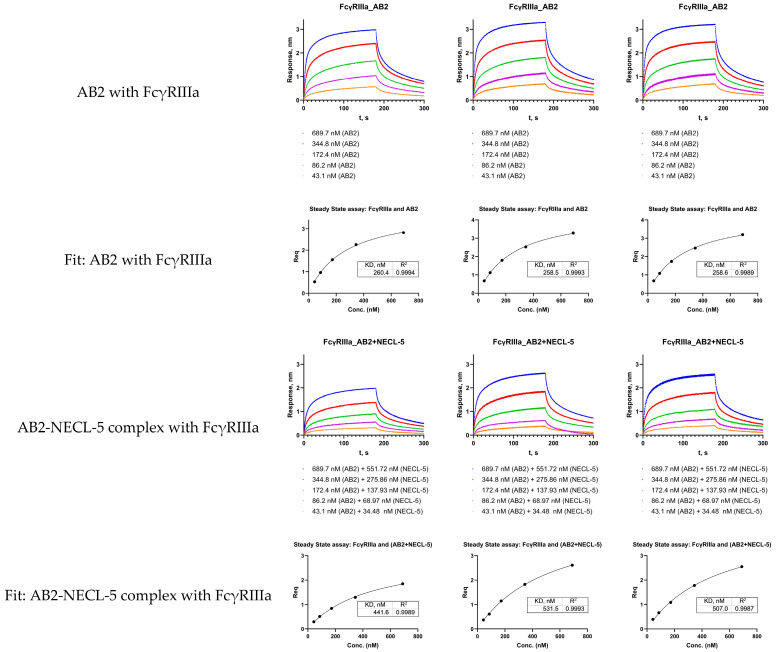 Figure 14
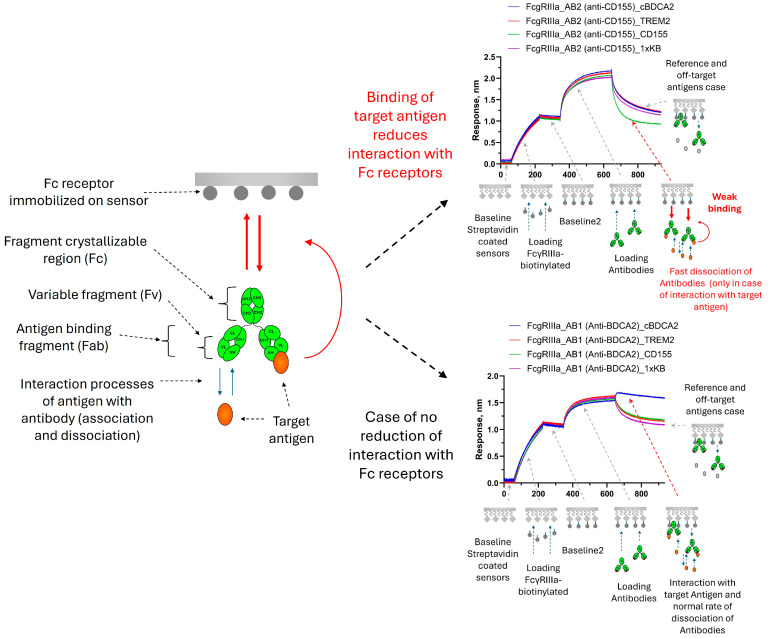 Figure 15
Peer Reviews
No public reviews on file for this paper yet. If you reviewed it on a platform where reviews are public (OpenReview, ICLR, NeurIPS, ICML), you can paste yours below so the community can read it here.
Videos
No videos yet. Explain this paper in a talk, walkthrough, or lecture? Add one.
Taxonomy
TopicsMonoclonal and Polyclonal Antibodies Research · Advanced Biosensing Techniques and Applications · Molecular Junctions and Nanostructures