A Screening Assay for Bile Acid-Transforming Microorganisms Using Engineered Bacterial Biosensors
Debora Dallera, Daniele Pastorelli, Massimo Bellato, Angelica Frusteri Chiacchiera, Francesca Usai, Maria Gabriella Cusella De Angelis, Paola Brun, Paolo Magni, Lorenzo Pasotti

TL;DR
This paper introduces a new, efficient method to detect microbes that can transform bile acids using engineered biosensors that glow when bile acids are present.
Contribution
The novel contribution is a fluorescence-based screening assay for bile acid-transforming microbes using engineered bacterial biosensors.
Findings
The biosensor reliably detects different bile acid types with high specificity.
The assay showed consistent results when tested on known BSH-positive strains.
The study addressed and minimized the matrix effect from growth media on biosensor output.
Abstract
Bile salt hydrolase (BSH) enables microbial-mediated deconjugation of bile acids (BAs) in the gastrointestinal tract. BSH enzymes initiate bile acid metabolism by catalyzing the first, essential deconjugation step. Due to the strict connection between dysregulations of the BA pool and human or animal diseases, identification and characterization of strains with BSH activity are relevant for both healthcare and agroindustry. However, current methods are expensive, poorly sensitive, or require complex procedures. Here, a BSH screening assay for cultivated microbes is proposed, based on a bacterial biosensor that reports the concentration of different BA types via fluorescence. Although the biosensor is broadly responsive to various bile acids, the assay was designed to guarantee specificity by testing individual primary BAs within controlled concentration ranges. The assay was evaluated…
Genes, proteins, chemicals, diseases, species, mutations and cell lines named across the full text — each resolved to its canonical identifier and authoritative record.
Click any figure to enlarge with its caption.
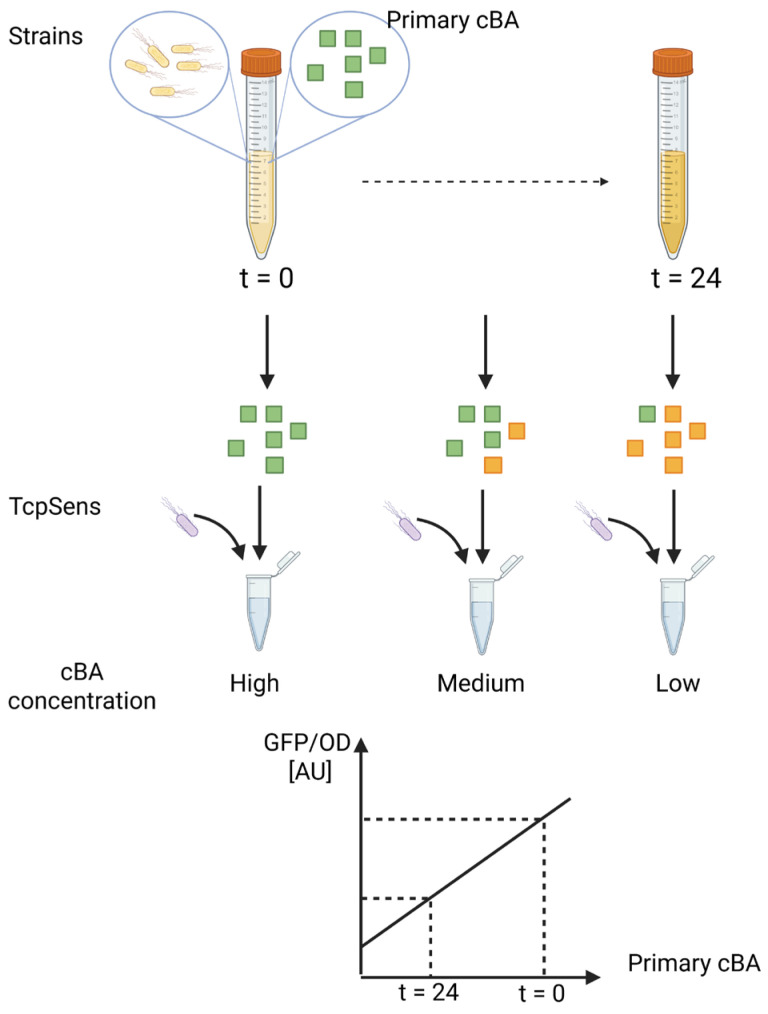 Figure 1
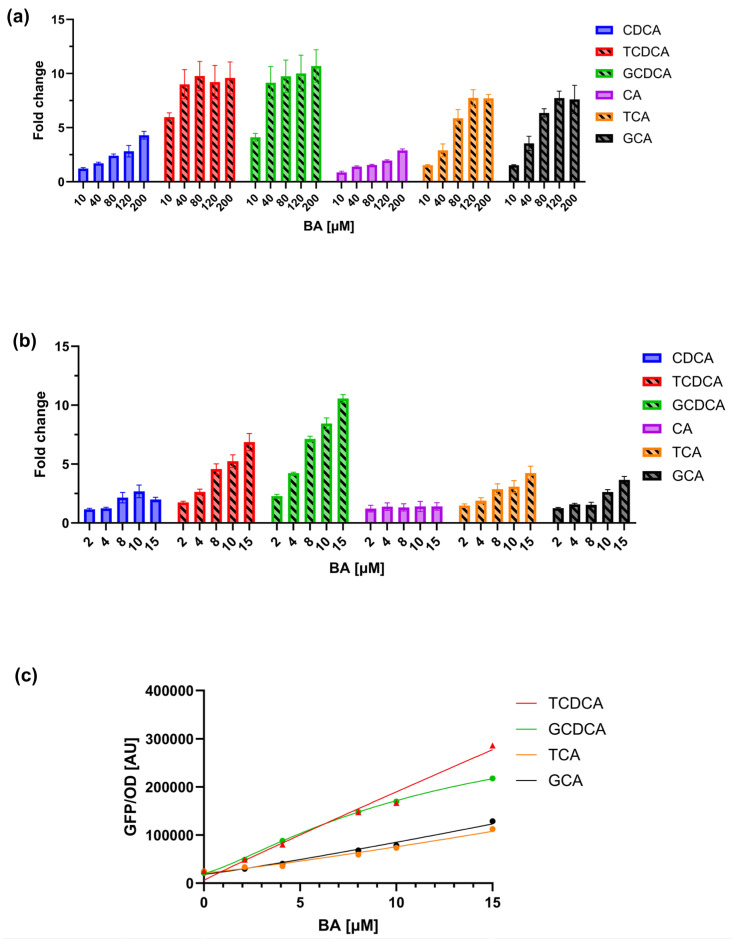 Figure 2
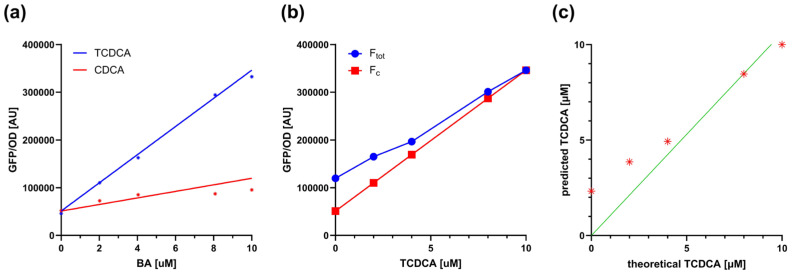 Figure 3
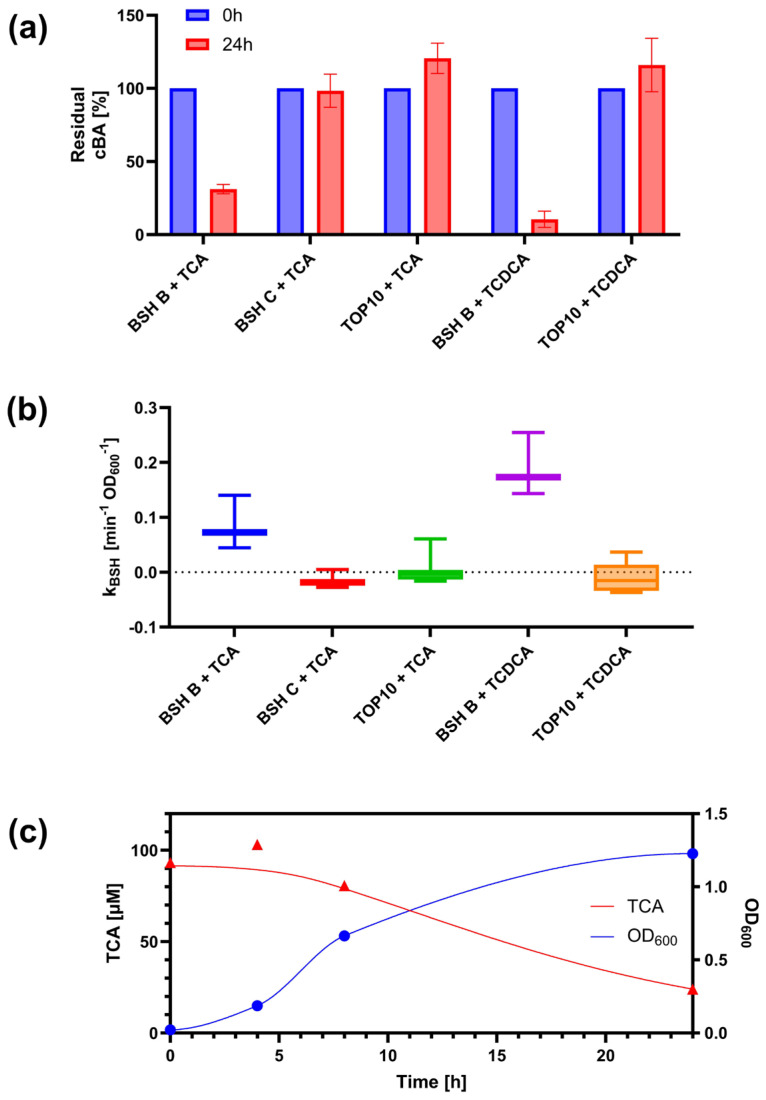 Figure 4
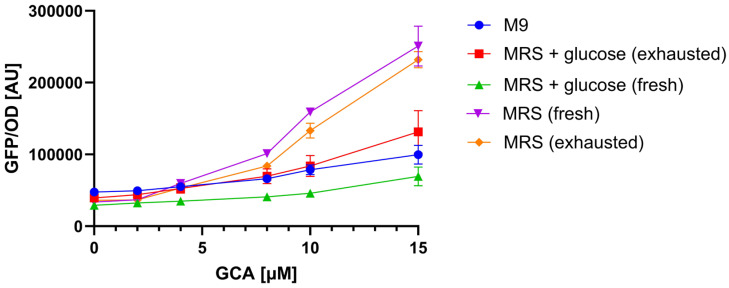 Figure 5
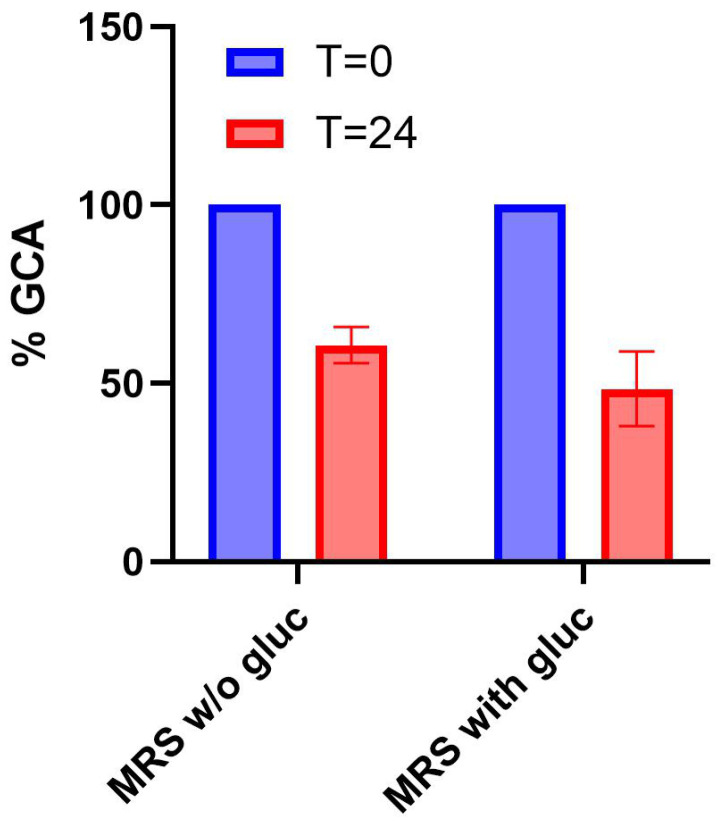 Figure 6
Peer Reviews
No public reviews on file for this paper yet. If you reviewed it on a platform where reviews are public (OpenReview, ICLR, NeurIPS, ICML), you can paste yours below so the community can read it here.
Videos
No videos yet. Explain this paper in a talk, walkthrough, or lecture? Add one.
Taxonomy
TopicsEnzyme Catalysis and Immobilization · Biopolymer Synthesis and Applications · Drug Transport and Resistance Mechanisms