Modulation of Spliceosomal Proteins hnRNPH1 and H2 Increases Melanoma Cell Pro-Inflammatory Signaling In Vitro
Maab Sultan, Shuai Ma, Juan Diez, Sadeeshkumar Velayutham, Yousef Al-Harbi, Jun Yong Choi, Keiran S. M. Smalley, Lubov Nathanson, Vladimir Beljanski, Dmitriy Minond

TL;DR
This study shows that reducing the proteins hnRNPH1 and H2 in melanoma cells boosts pro-inflammatory signals, which could improve cancer treatments.
Contribution
The study reveals a novel role of hnRNPH1/H2 in modulating melanoma immunogenicity through post-transcriptional regulation.
Findings
Downregulation of hnRNPH1/H2 increased pro-inflammatory pathways in melanoma cells.
Pharmacologic and genetic treatments both reduced anti-inflammatory signaling.
hnRNPH1/H2 are identified as potential therapeutic targets for melanoma.
Abstract
Melanoma is the most aggressive and deadliest form of skin cancer, and the current treatments of melanoma have many limitations, which necessitate discovering new compounds and targets for melanoma. Two probes, 2155-14 and 2155-18, were identified to induce apoptotic cell death, autophagy, and immune signaling modulation through hnRNPH1/H2-dependent mechanisms. RNA sequencing following the siRNA-mediated knockdown of hnRNPH2 in melanoma cells revealed an enrichment of immune-related signaling pathways. The present study investigated the effect of genetic and pharmacologic downregulation of hnRNPH1/H2 on melanoma immunogenicity in vitro. Our results indicated that treating melanoma cell lines with 2155-14 and 2155-18 led to hnRNPH1/H2 downregulation, whereas hnRNPH2 siRNA treatment led to only hnRNPH2 downregulation. Both types of treatment resulted in a significant upregulation of…
Genes, proteins, chemicals, diseases, species, mutations and cell lines named across the full text — each resolved to its canonical identifier and authoritative record.
Click any figure to enlarge with its caption.
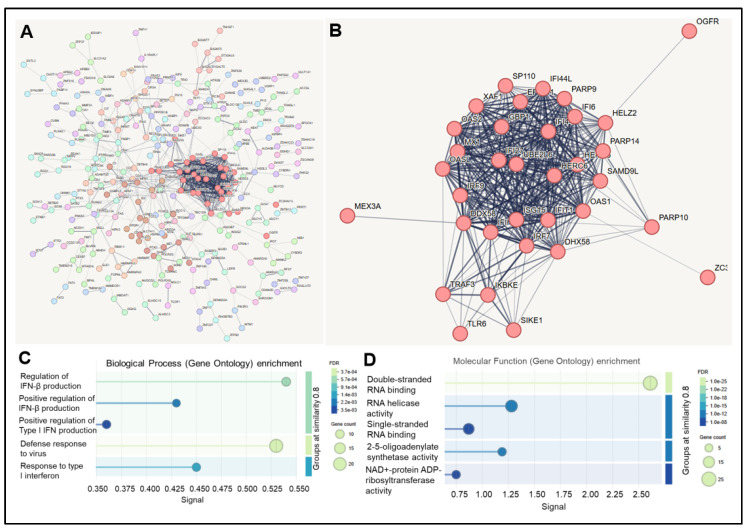 Figure 1
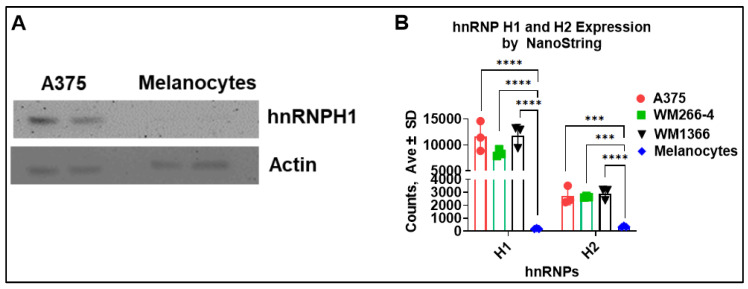 Figure 2
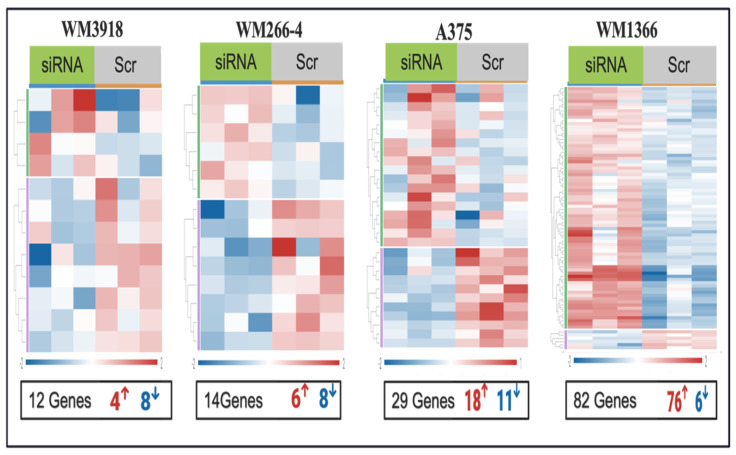 Figure 3
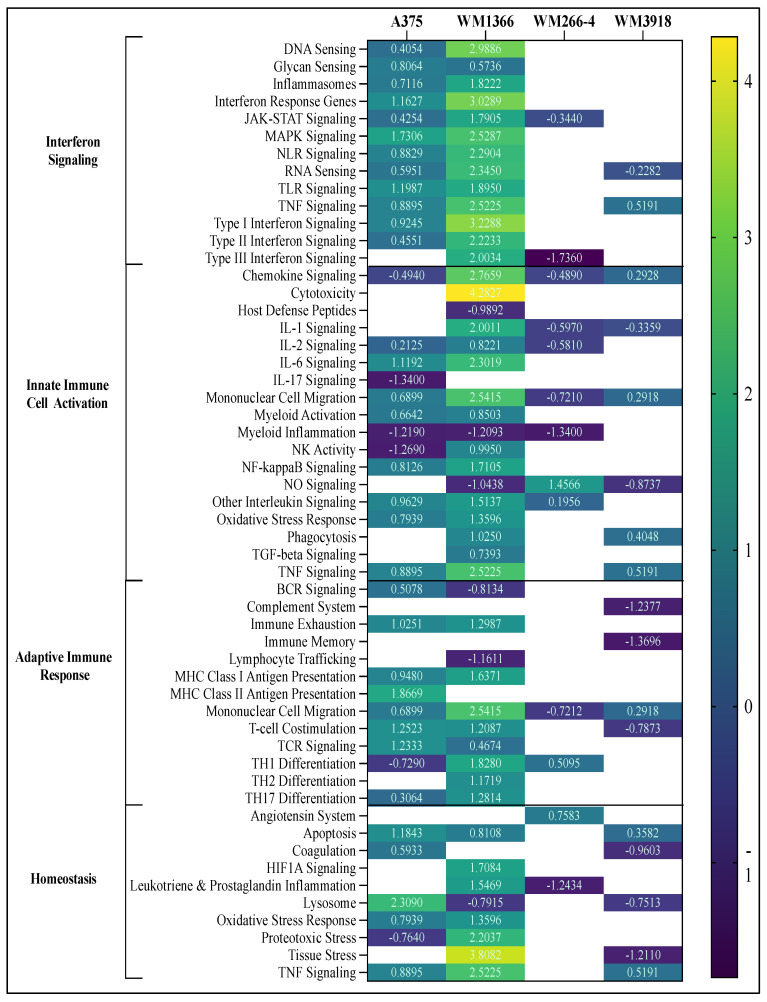 Figure 4
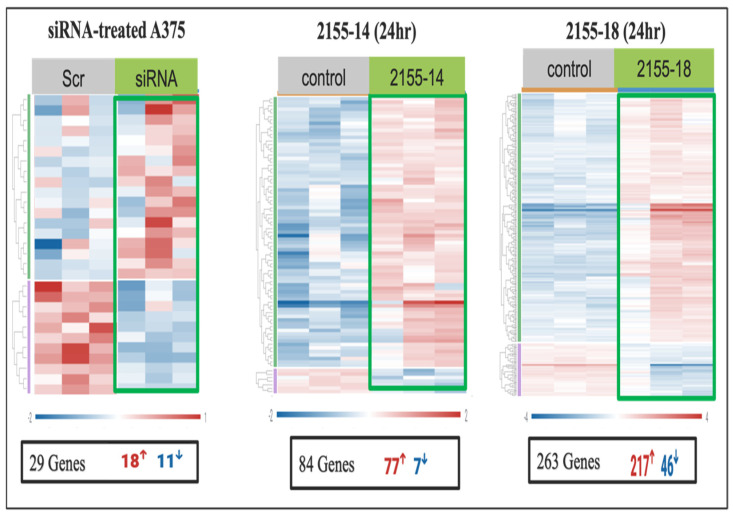 Figure 5
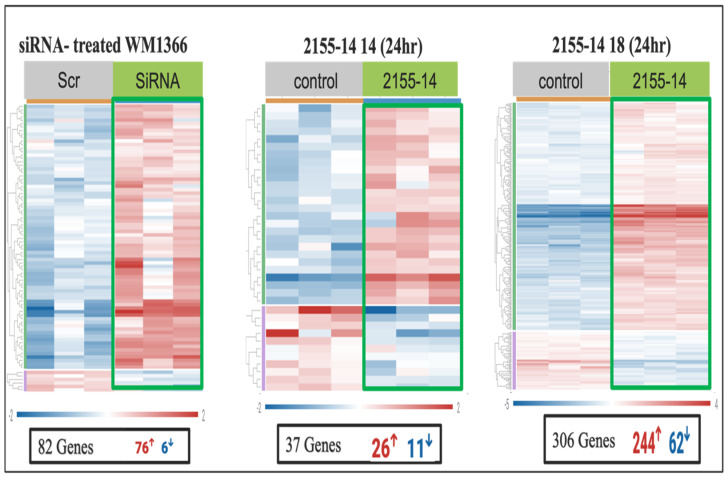 Figure 6
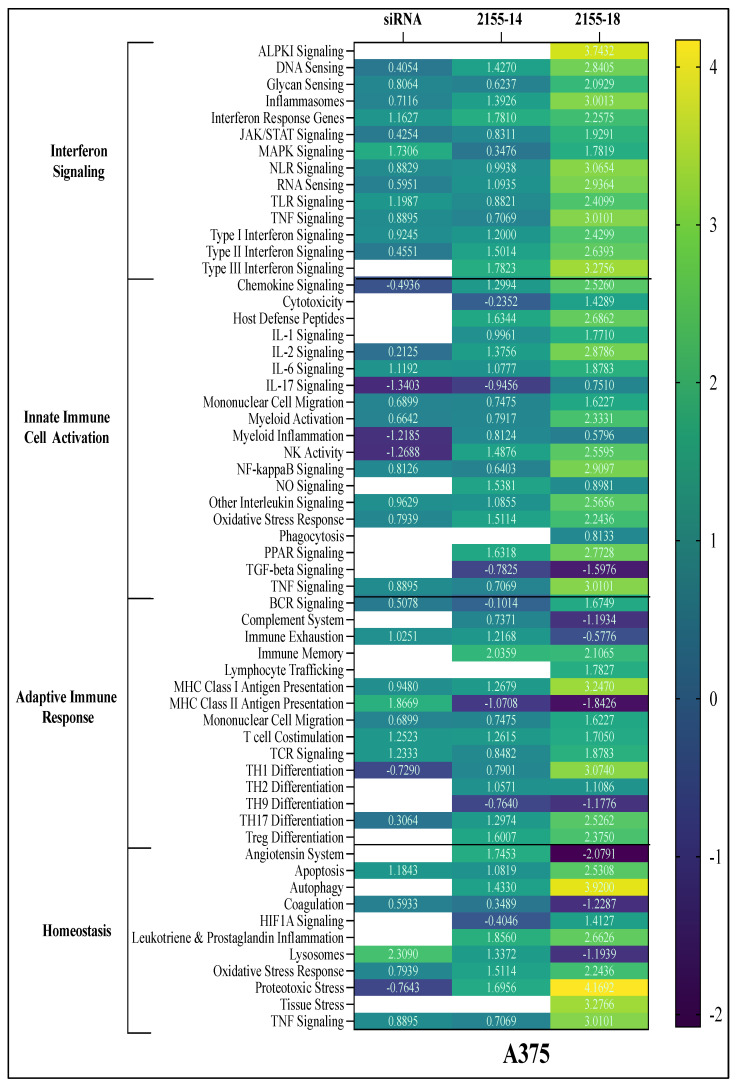 Figure 7
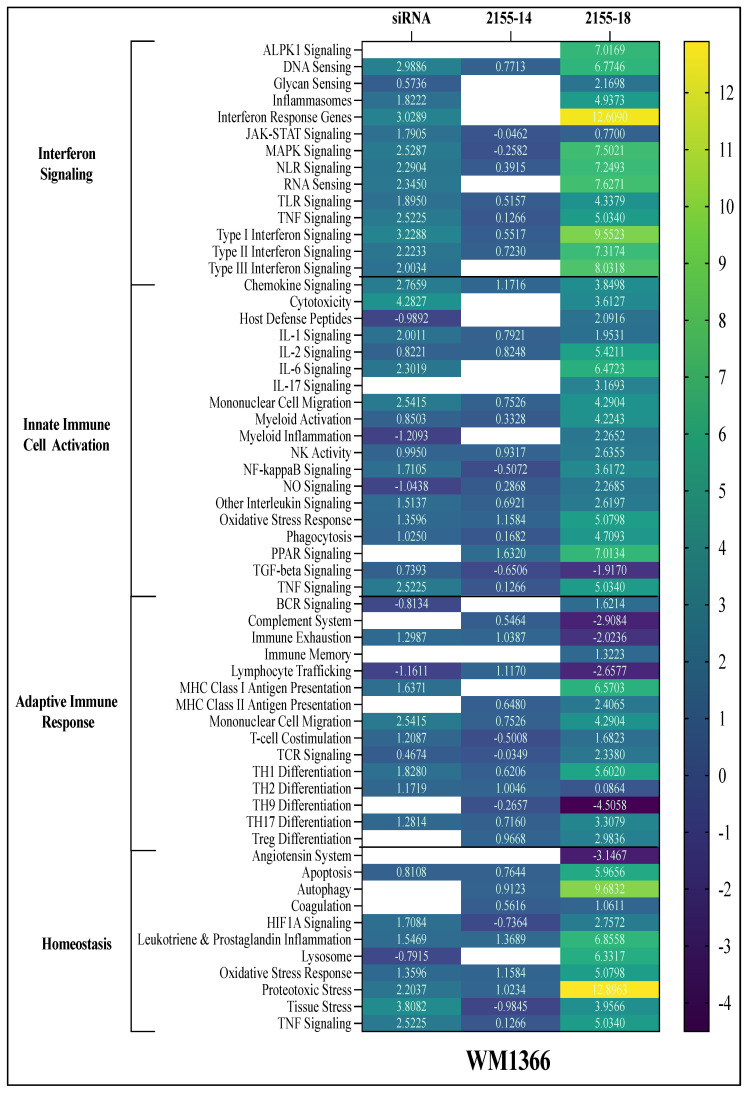 Figure 8
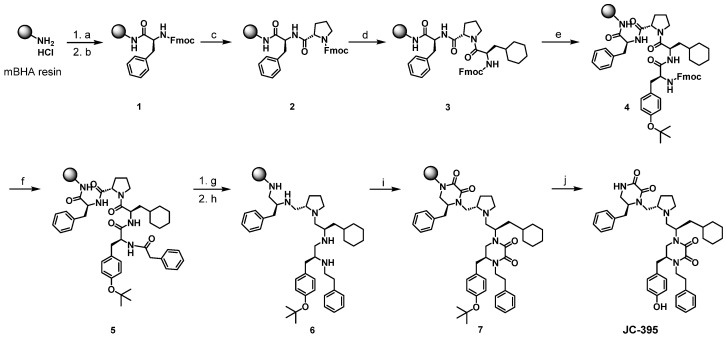 Figure 9
Peer Reviews
No public reviews on file for this paper yet. If you reviewed it on a platform where reviews are public (OpenReview, ICLR, NeurIPS, ICML), you can paste yours below so the community can read it here.
Videos
No videos yet. Explain this paper in a talk, walkthrough, or lecture? Add one.
Taxonomy
TopicsAutophagy in Disease and Therapy · RNA Research and Splicing · Amyotrophic Lateral Sclerosis Research