Maternal Dietary Choices Might Impact Intrauterine Healing Processes and Postnatal Phenotype and Function in Human Fetuses with Spina Bifida Aperta—Early Clinical Observations and Implications from a Retrospective Cohort Study
Thomas Kohl

TL;DR
A plant-based maternal diet may help improve healing and neurological outcomes in fetuses with spina bifida aperta.
Contribution
This study suggests maternal plant-based diets could serve as a non-surgical prenatal secondary prophylaxis for spina bifida aperta.
Findings
Fetuses from mothers on plant-based diets showed faster postnatal skin closure after prenatal surgery.
Two fetuses not undergoing surgery had preserved neural cords and L5 motor function.
Maternal dietary habits may influence intrauterine healing and postnatal outcomes in SBA.
Abstract
Background: The severity of postnatal symptoms in patients with spina bifida aperta (SBA) is also determined by secondary factors that damage the exposed neural tissue throughout gestation. The purpose of this report is to present clinical cases, from 2010 to 2025, and a new hypothesis for a nonsurgical means of prenatal secondary prophylaxis. Patients: Eight fetuses underwent minimally invasive fetoscopic patch closure of SBA. After delivery, an unusual degree of prenatal patch healing was observed. Furthermore, time to complete postnatal skin closure was shorter (mean ± SD: 22.00 ± 6.53 days) than in 31 contemporary patients without dietary restrictions (Mean ± SD: 44.35 ± 11.91 days; p < 0.001). Four of the eight prenatally operated women reported that they ate plant-based food most of the time but also some meat throughout gestation; the other four were strict vegetarians. Two other…
Genes, proteins, chemicals, diseases, species, mutations and cell lines named across the full text — each resolved to its canonical identifier and authoritative record.
Click any figure to enlarge with its caption.
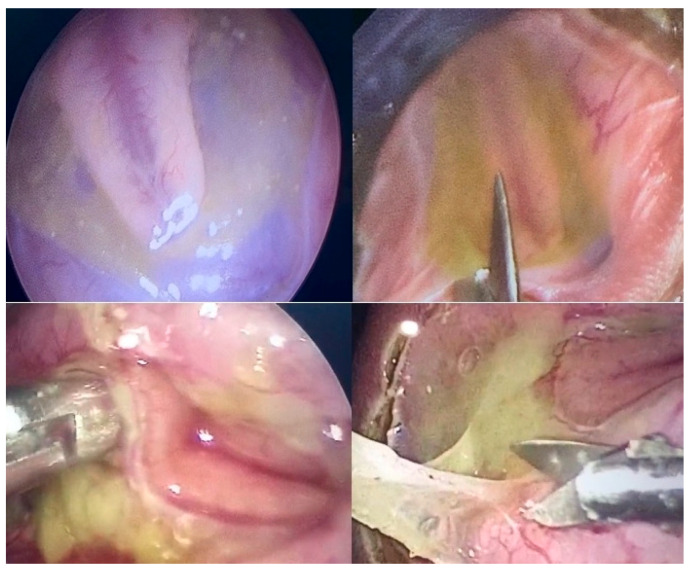 Figure 1
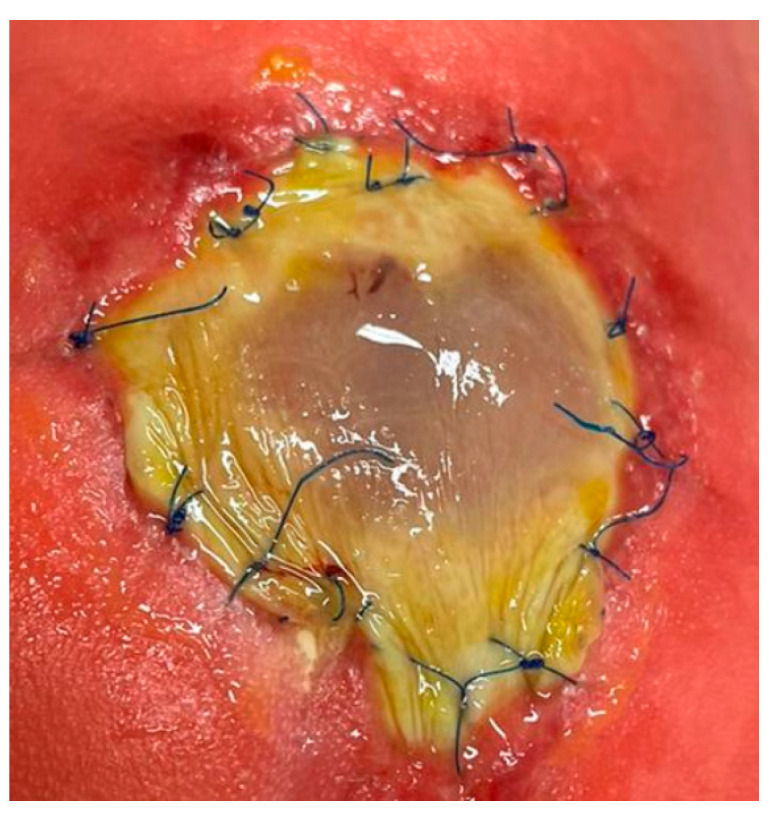 Figure 2
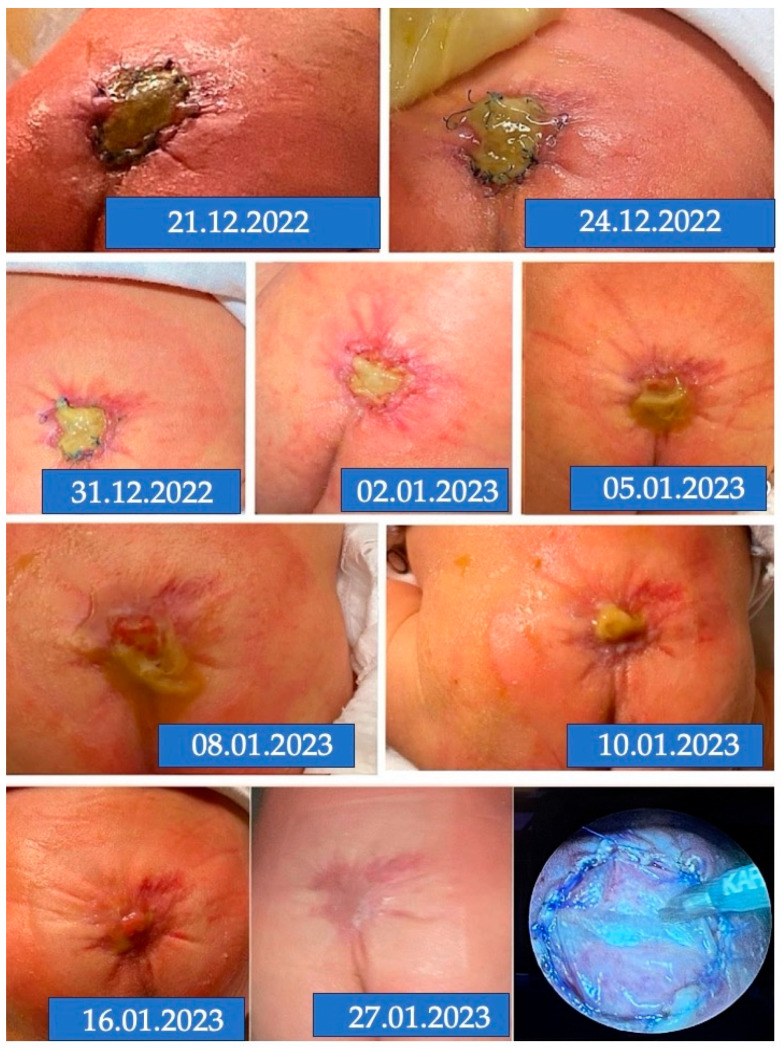 Figure 3
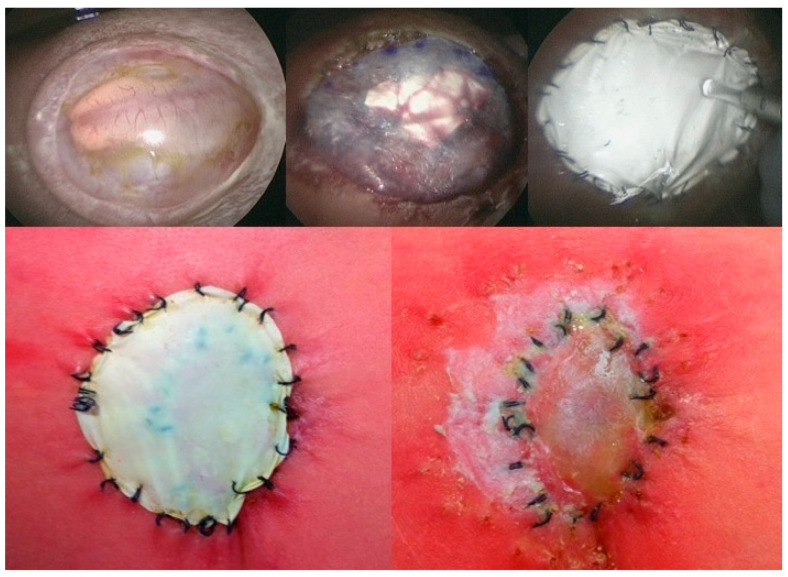 Figure 4
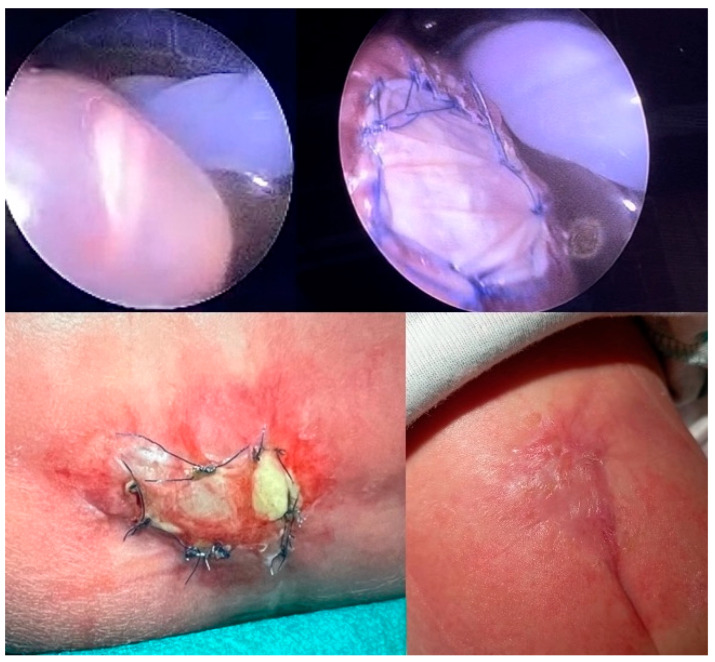 Figure 5
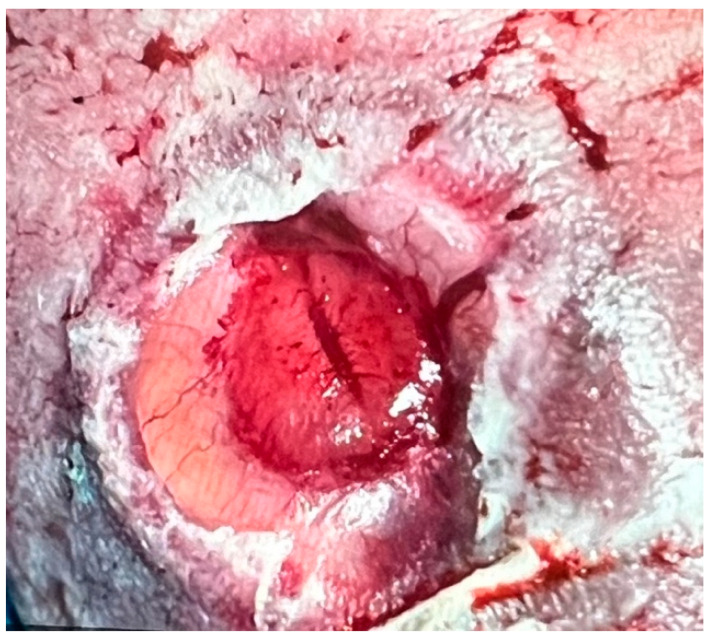 Figure 6
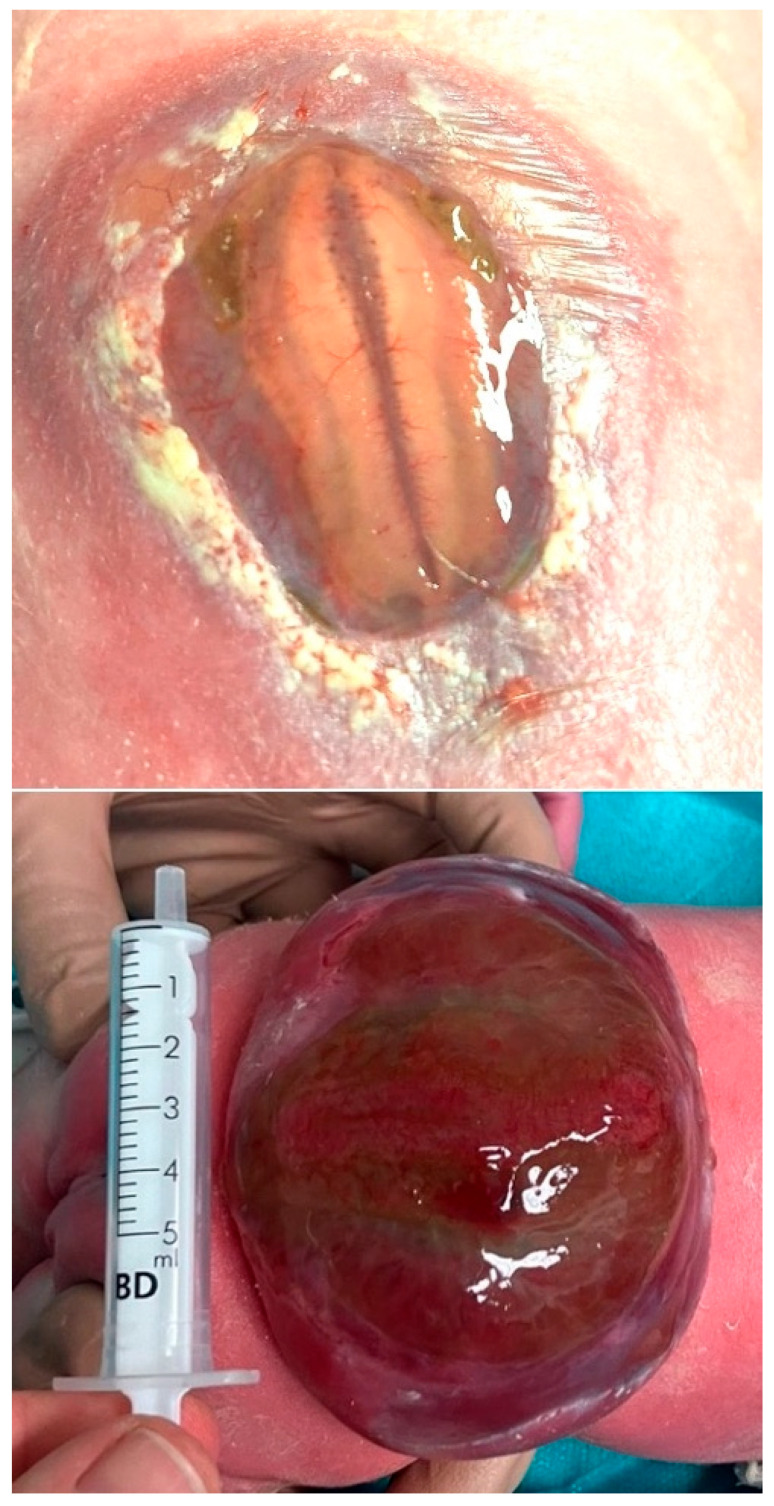 Figure 7
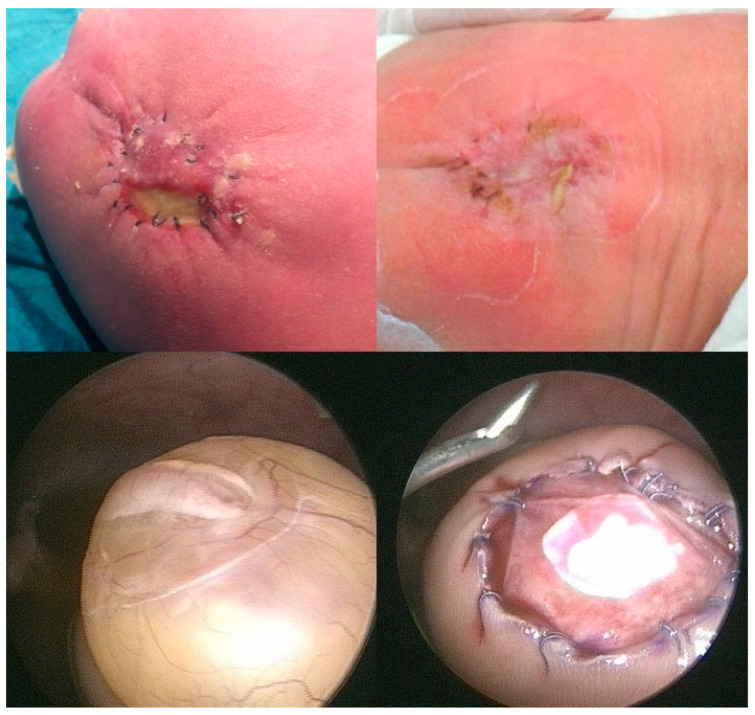 Figure 8
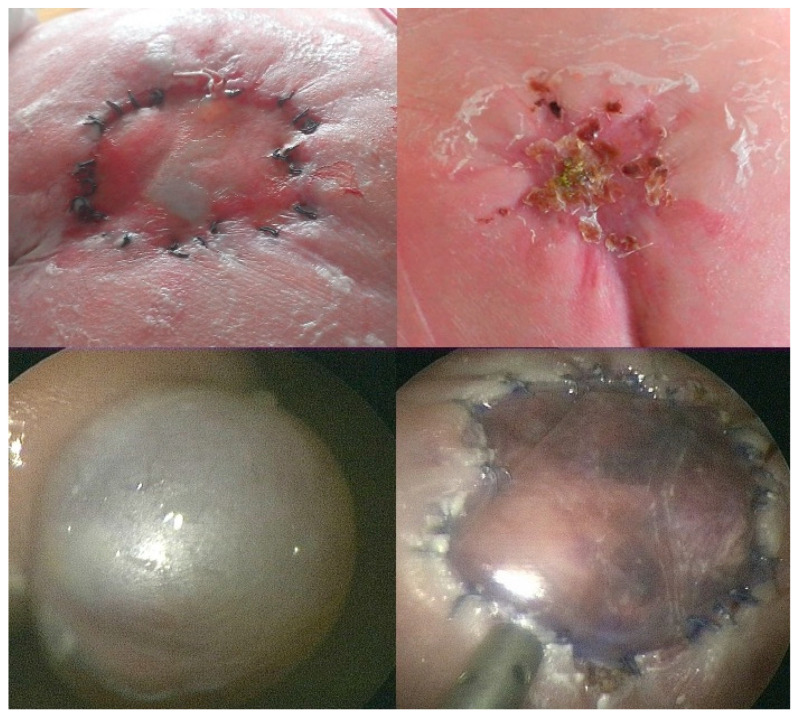 Figure 9
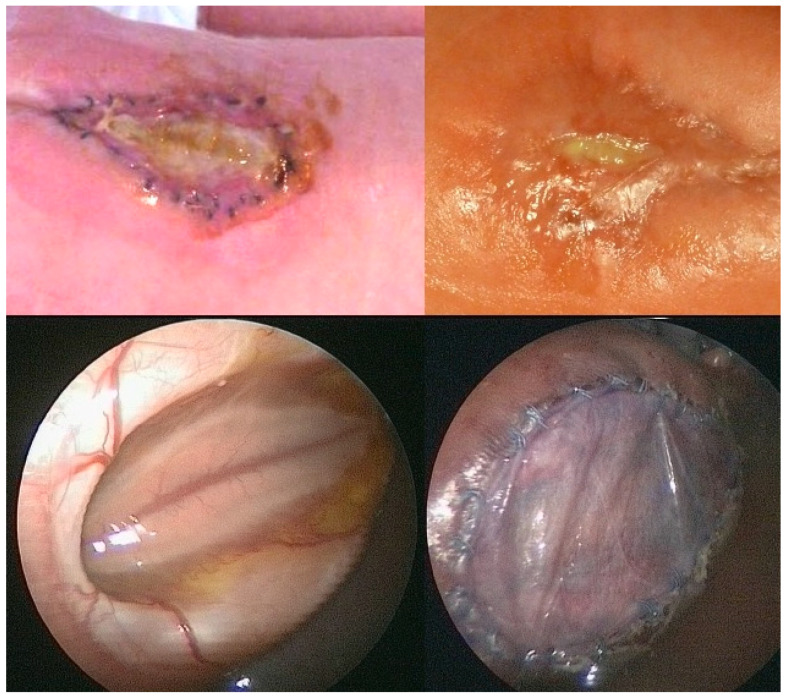 Figure 10
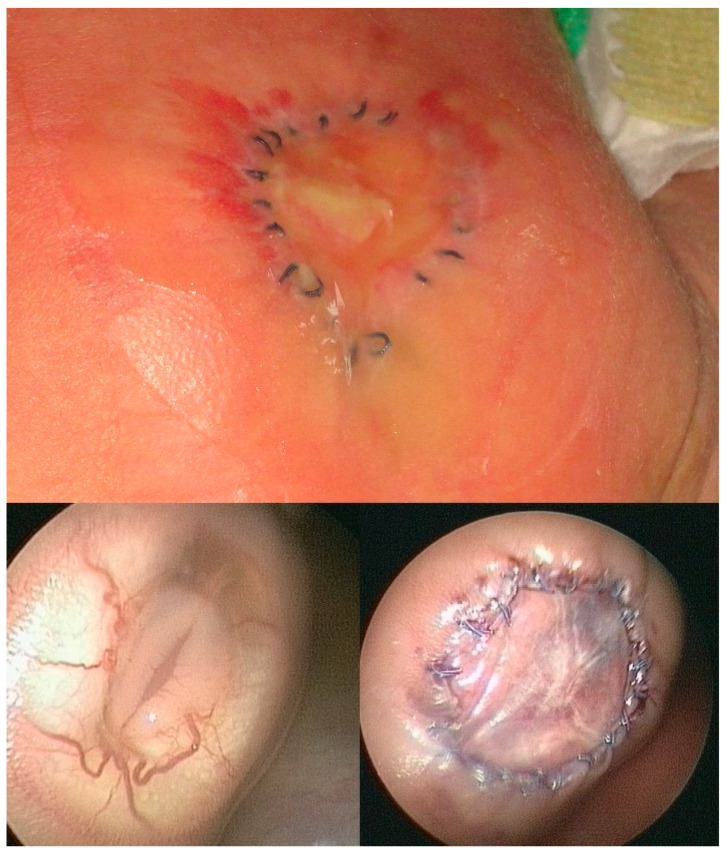 Figure 11
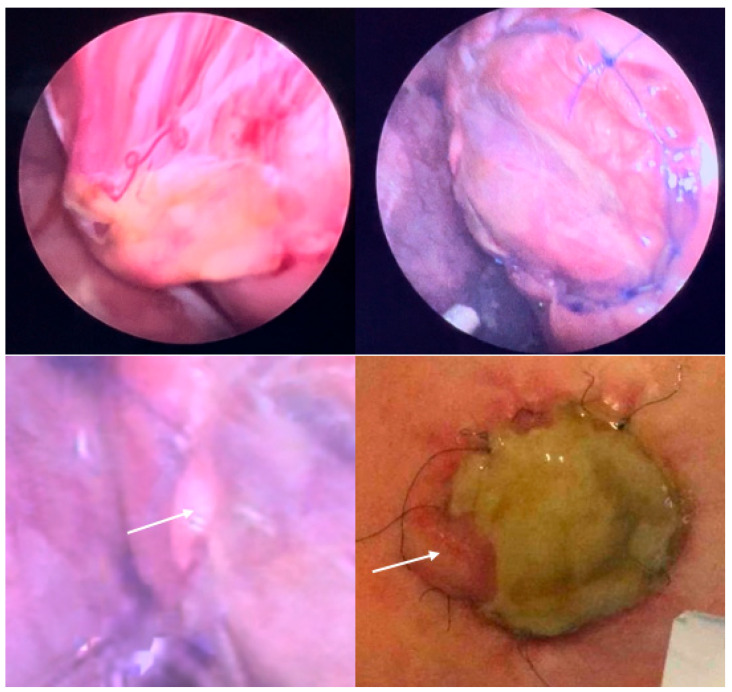 Figure 12
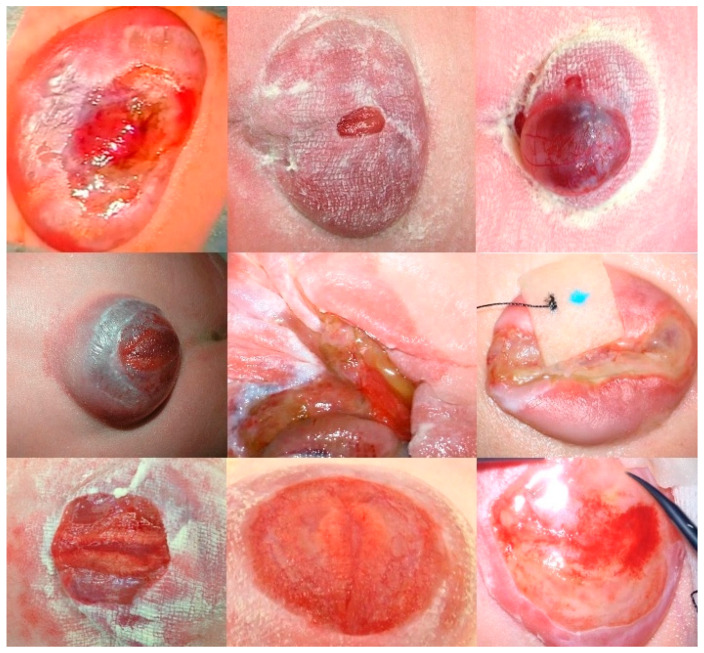 Figure 13
Peer Reviews
No public reviews on file for this paper yet. If you reviewed it on a platform where reviews are public (OpenReview, ICLR, NeurIPS, ICML), you can paste yours below so the community can read it here.
Videos
No videos yet. Explain this paper in a talk, walkthrough, or lecture? Add one.
Taxonomy
TopicsSpinal Dysraphism and Malformations · Congenital gastrointestinal and neural anomalies · Folate and B Vitamins Research