Isotopic H/D Exchange in Hydrogen Bonds Between the Nitrogenous Bases of the CAG Repeat Tract Makes It Possible to Stabilize Its Expansion in the ATXN2 Gene
Anna Dorohova, Luis Velázquez-Pérez, Mikhail Drobotenko, Oksana Lyasota, Jose Luis Hernandez-Caceres, Roberto Rodriguez-Labrada, Alexandr Svidlov, Olga Leontyeva, Yury Nechipurenko, Stepan Dzhimak

TL;DR
This study shows that replacing hydrogen with deuterium in DNA's CAG repeats can stabilize the structure and reduce errors in reading genetic information.
Contribution
The paper introduces a novel mechanism where H/D exchange stabilizes CAG repeats in the ATXN2 gene, regardless of deuterium position.
Findings
Deuterium in hydrogen bonds stabilizes the CAG repeat tract under specific torque ranges.
Deuterium presence reduces hairpin formation, potentially preventing genetic reading errors.
Stabilization occurs regardless of which base pair contains deuterium in the CAG tract.
Abstract
Background: The isotopic composition of the body’s internal environment can affect its functional state. Such effects are realized, among other things, by inserting deuterium atoms into hydrogen bonds between pairs of nitrogenous bases of DNA molecules and modifying their mechanical properties. Methods: This study uses a coarse-grained mathematical model of DNA. Results: It has been established that in a certain range of the magnitude of the torque, with the presence of a deuterium atom within it, stabilization of the CAG repeat tract is observed. In addition, it was found that, regardless of which base pair the deuterium atom falls into in the CAG repeat tract, its stability increases and the probability of hairpin formation decreases, which may interfere with the reading of genetic information from the site encoding glutamine. Conclusions: Single H/D substitutions in the CAG repeat…
Genes, proteins, chemicals, diseases, species, mutations and cell lines named across the full text — each resolved to its canonical identifier and authoritative record.
Click any figure to enlarge with its caption.
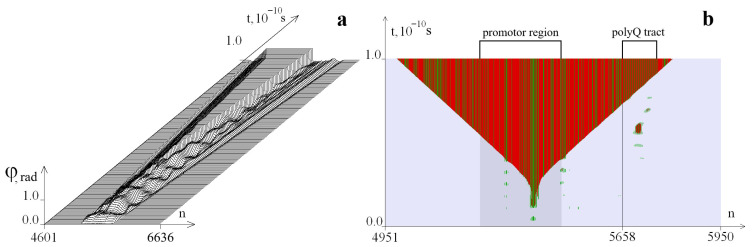 Figure 1
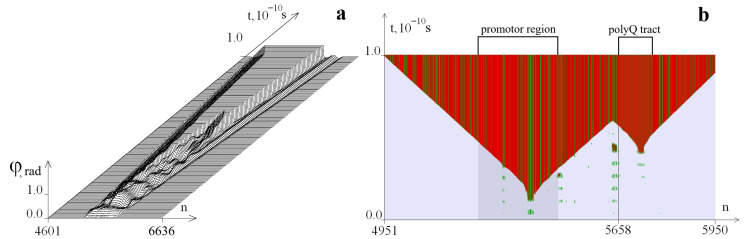 Figure 2
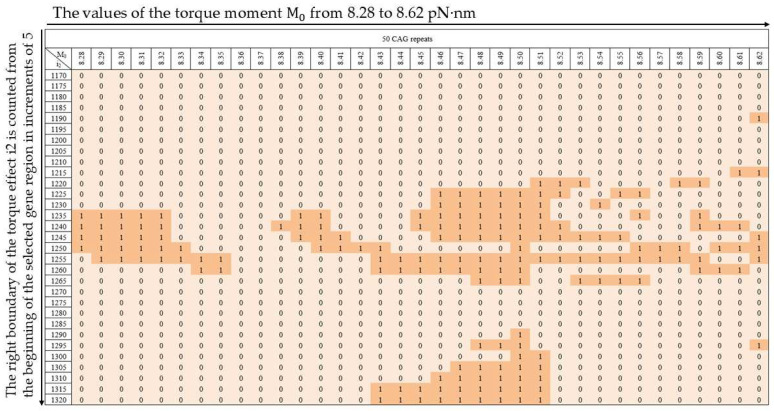 Figure 3
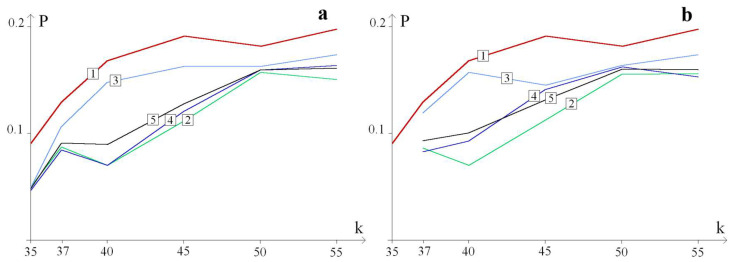 Figure 4
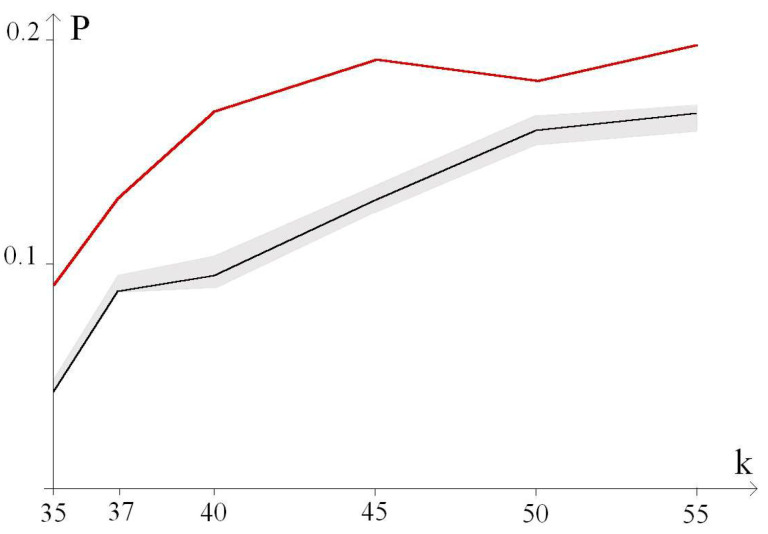 Figure 5
Peer Reviews
No public reviews on file for this paper yet. If you reviewed it on a platform where reviews are public (OpenReview, ICLR, NeurIPS, ICML), you can paste yours below so the community can read it here.
Videos
No videos yet. Explain this paper in a talk, walkthrough, or lecture? Add one.
Taxonomy
TopicsChemical Reactions and Isotopes · Origins and Evolution of Life · Hydrogen's biological and therapeutic effects