Ethylbenzene Exposure and Bronchoalveolar CD4/CD8 T Cells in Hypersensitivity Pneumonitis Development and Clinical Outcome
Alfredo Minguela, José A. Campillo, María Isabel Aguilar Sanchís, Antonia Baeza Caracena, Francisco Esquembre, Erika M. Novoa-Bolivar, Rosana González-López, Almudena Otalora, Cristina Ortuño-Hernández, Ruth López-Hernández, Lourdes Gimeno, Inmaculada Ruiz-Lorente

TL;DR
High levels of ethylbenzene in the environment are linked to bird-related hypersensitivity pneumonitis, and lower CD8+ T cells are associated with worse outcomes in patients.
Contribution
Identifies ethylbenzene as a risk factor for hypersensitivity pneumonitis and suggests CD8+ T cells may protect against disease progression.
Findings
Ethylbenzene levels above 10 µg/m3 are strongly associated with hypersensitivity pneumonitis in bird-exposed individuals.
HP patients with a BAL CD4/CD8 ratio >1.5 have shorter survival, likely due to reduced CD8+ T cells.
CD8+ T-lymphocyte counts are significantly lower in fibrotic HP patients and those who died during follow-up.
Abstract
Background: Hypersensitivity pneumonitis (HP) is an interstitial lung disease (ILD) characterized by inflammation of the lung parenchyma, alveoli and bronchioles induced by inhalation of organic compounds. Bird-related-HP (BRHP) is the most common type of HP, occurring in susceptible people in regular contact with birds, although a genetic susceptibility is unclear. This study investigates the impact of environmental volatile organic compounds (VOCs) on the development of HP and other pulmonary diseases, and their relationship with pulmonary inflammatory cell composition and patient outcomes. Methods: Geospatial environmental levels of VOCs (benzene, toluene, ethylbenzene, m,p-xylene and o-xylene) in patients’ homes were related to bronchoalveolar lavage (BAL) leukocyte profiles analyzed by flow cytometry of 1515 patients with different lung diseases in the region of Murcia…
Genes, proteins, chemicals, diseases, species, mutations and cell lines named across the full text — each resolved to its canonical identifier and authoritative record.
Click any figure to enlarge with its caption.
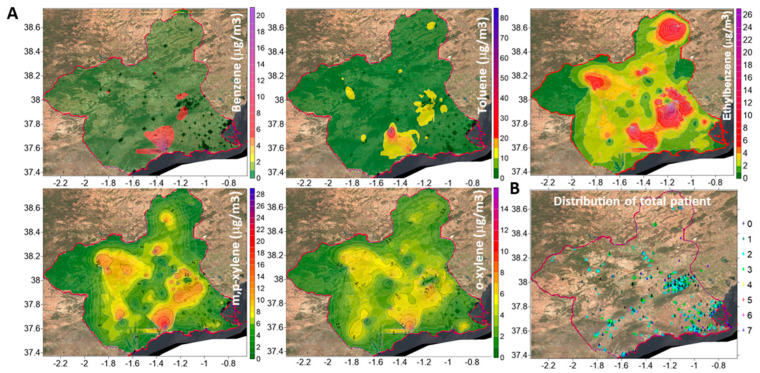 Figure 1
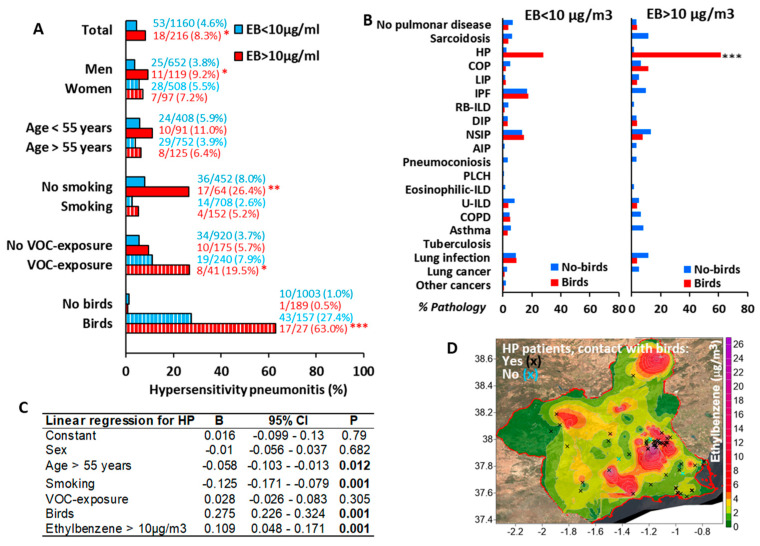 Figure 2
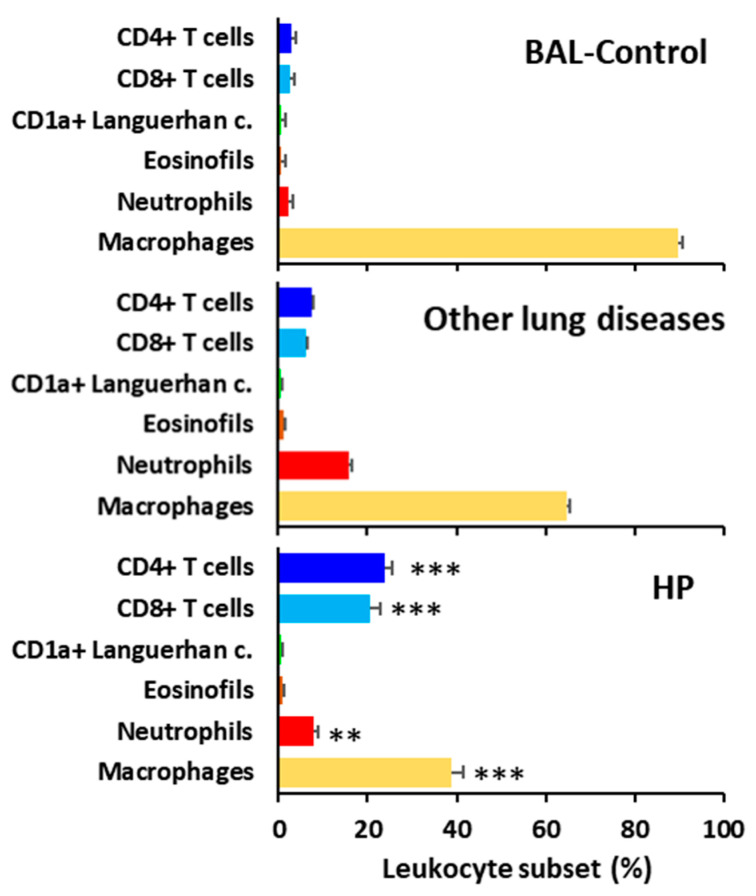 Figure 3
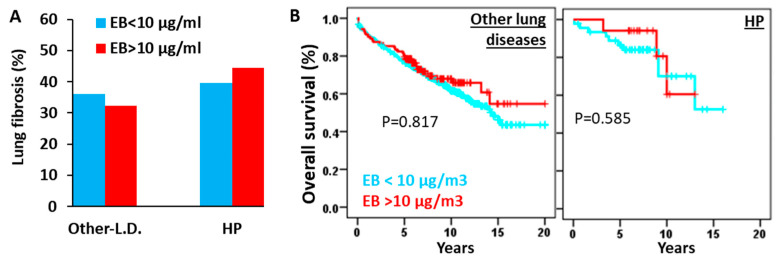 Figure 4
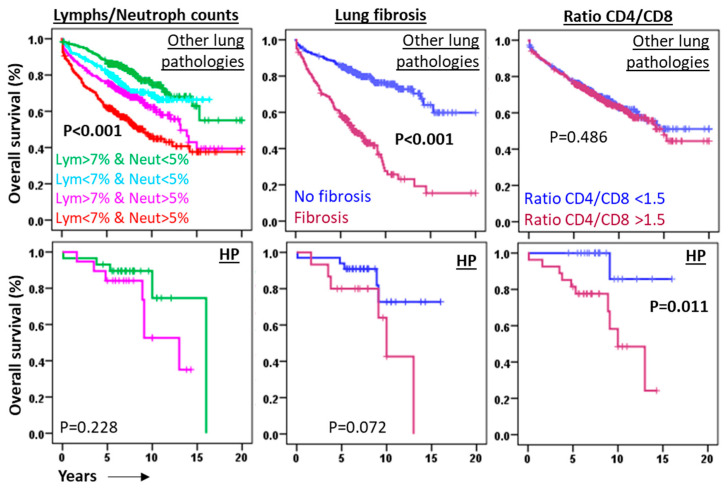 Figure 5
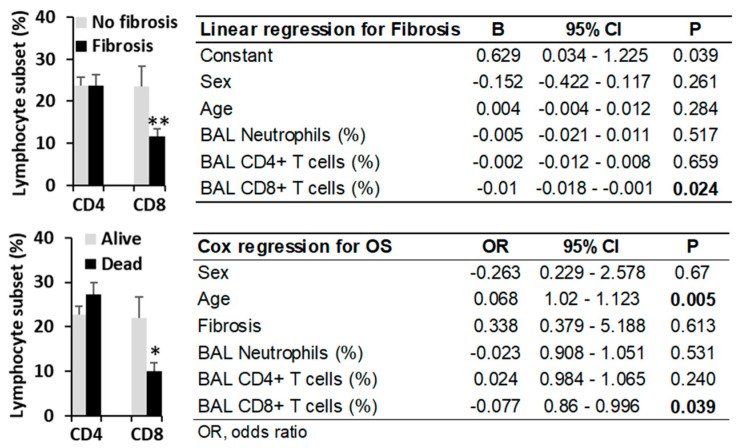 Figure 6
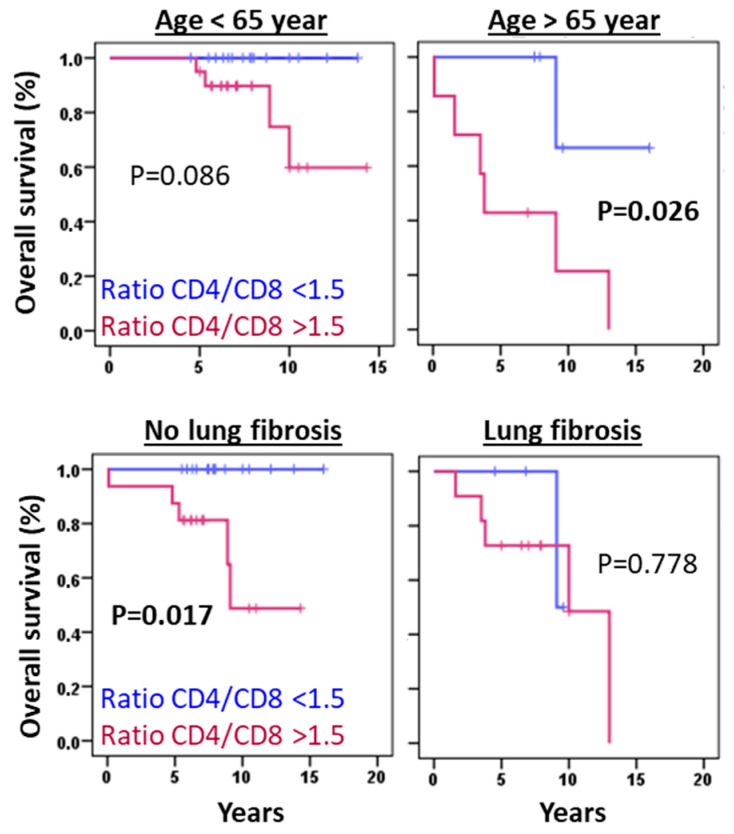 Figure 7
Peer Reviews
No public reviews on file for this paper yet. If you reviewed it on a platform where reviews are public (OpenReview, ICLR, NeurIPS, ICML), you can paste yours below so the community can read it here.
Videos
No videos yet. Explain this paper in a talk, walkthrough, or lecture? Add one.
Taxonomy
TopicsOccupational exposure and asthma · Air Quality and Health Impacts · Inhalation and Respiratory Drug Delivery