Construction of an Immunosensor Based on the Affinity DNA Functional Ligands to the Fc Segment of IgG Antibody
Qianyu Yang, Zhiwei Liu, Xinrui Xu, Zihao Zhao, Ze Fan, Bin Du, Jianjie Xu, Jiwei Xu, Jiang Wang, Bing Liu, Xihui Mu, Zhaoyang Tong

TL;DR
Researchers developed a new DNA-based tool that binds to antibodies and can be used to build sensitive biosensors for detecting toxins like ricin.
Contribution
A novel affinity DNA functional ligand (A-DNAFL) was developed as an effective alternative to Protein A for antibody immobilization and biosensing.
Findings
A-DNAFL showed comparable binding affinity to mouse IgG antibodies as Protein A (KD = 6.59 × 10⁻⁸).
The biosensor using A-DNAFL achieved a detection limit of 30.5 ng/mL for ricin, a 64-fold improvement over Protein A-based methods.
The A-DNAFL-based sensor showed high reusability with only 8.55% signal reduction after two regeneration cycles.
Abstract
Over the past few decades, Fc fragment-conjugated proteins, such as Protein A, have been extensively utilized across a range of applications, including antibody purification, site-specific immobilization of antibodies, and the development of biosensing platforms. In this study, building upon our group prior research, we designed and screened an affinity DNA functional ligand (A-DNAFL) and experimentally validated its binding affinity (KD = 6.59 × 10⁻⁸) toward mouse IgG antibodies, whose binding performance was comparable to that of protein A. Systematic evaluations were performed to assess the binding efficiency under varying pH levels and ionic strength conditions. Optimal antibody immobilization was achieved in PBST-B buffer under physiological pH 7.2–7.4 and containing approximately 154 mM Na+ and 4 mM K+. Two competitive binding assays confirmed that the A-DNAFL binds to the Fc…
Genes, proteins, chemicals, diseases, species, mutations and cell lines named across the full text — each resolved to its canonical identifier and authoritative record.
Click any figure to enlarge with its caption.
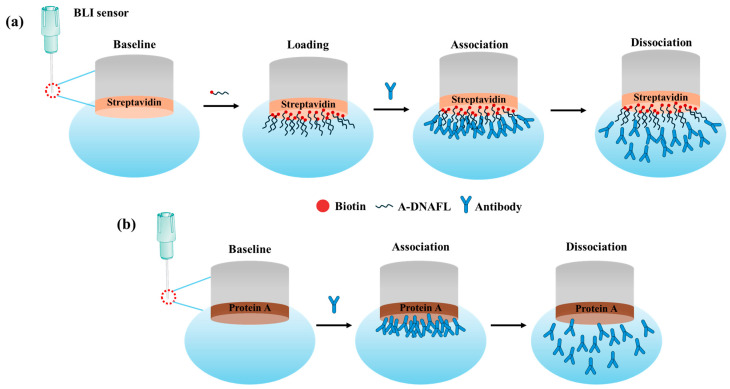 Figure 1
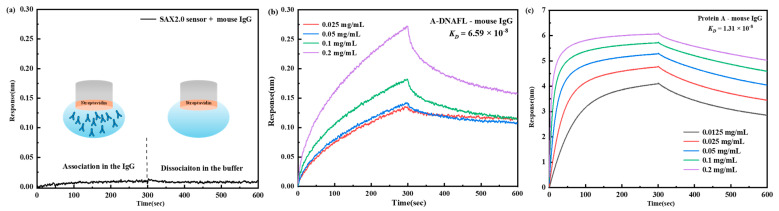 Figure 2
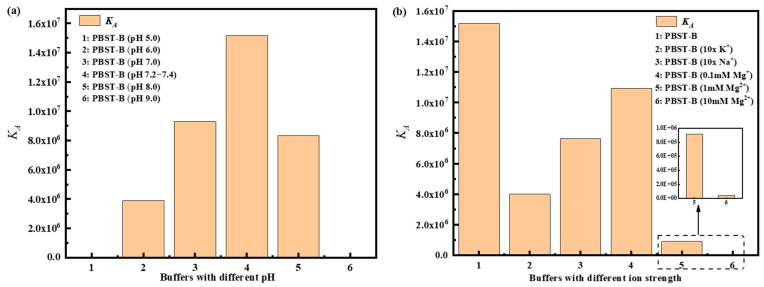 Figure 3
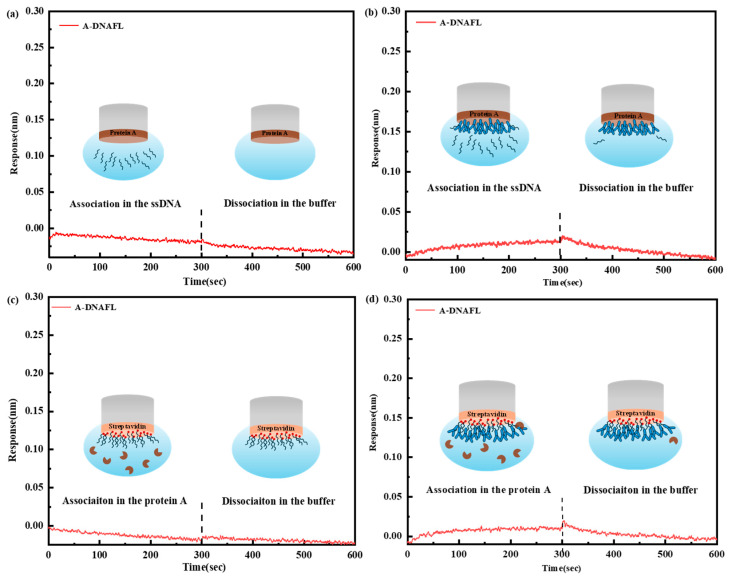 Figure 4
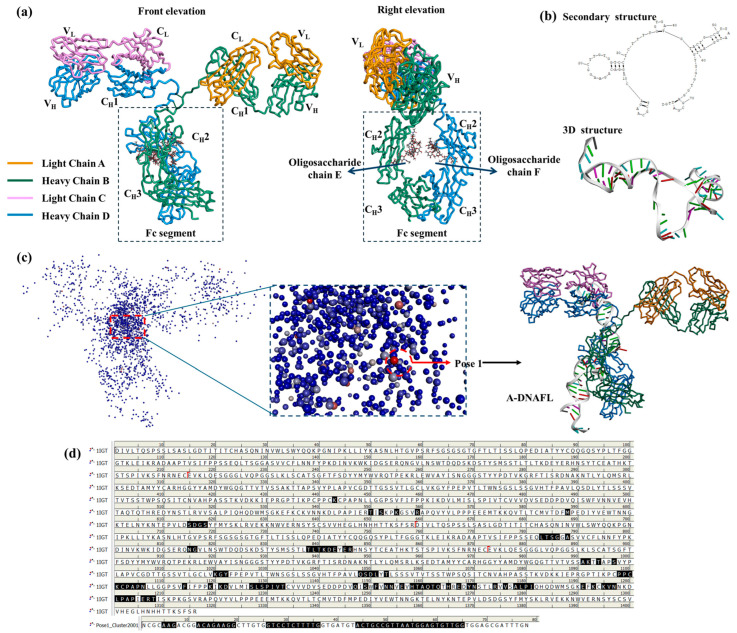 Figure 5
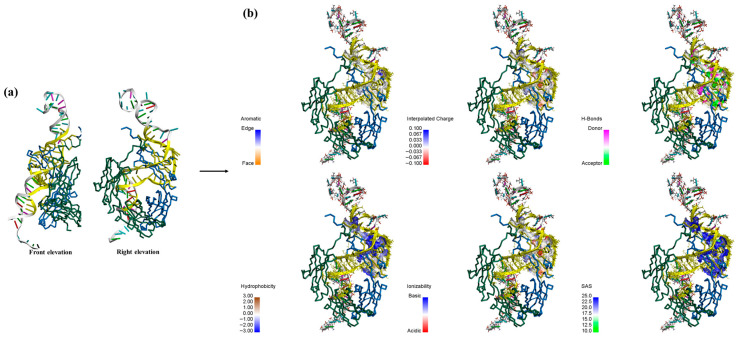 Figure 6
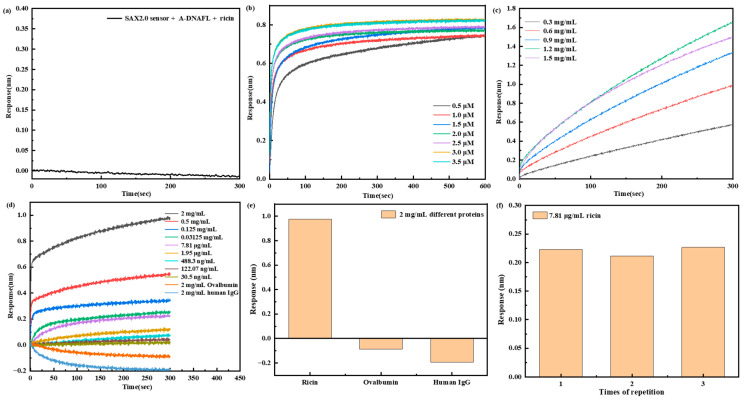 Figure 7
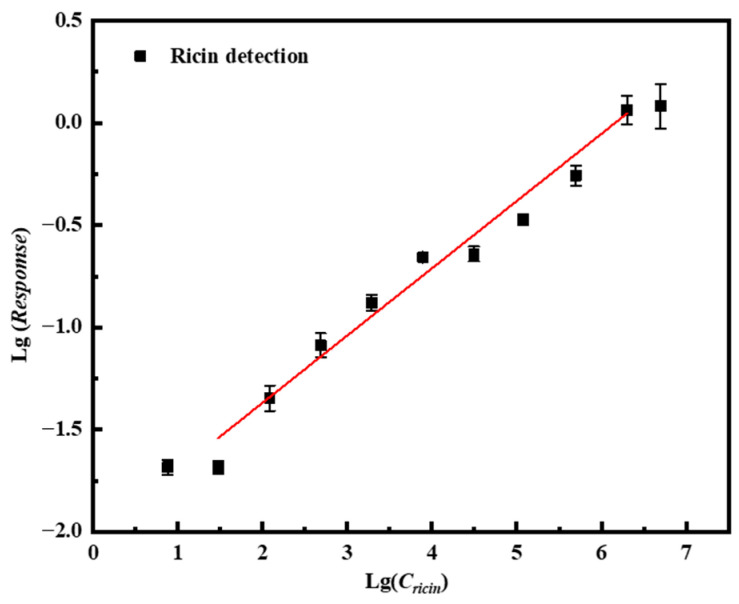 Figure 8
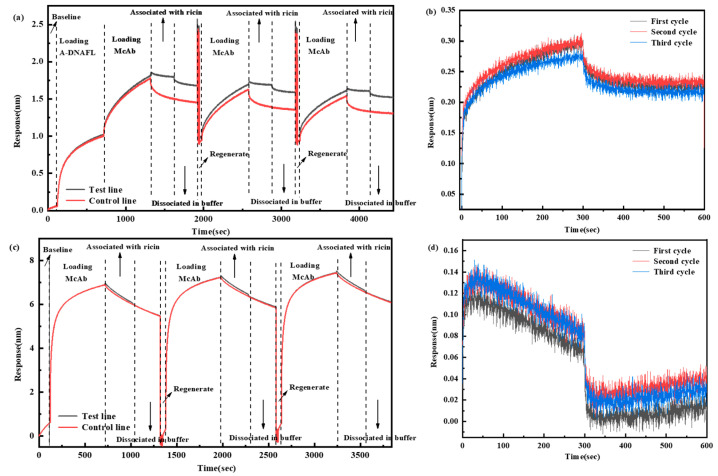 Figure 9
Peer Reviews
No public reviews on file for this paper yet. If you reviewed it on a platform where reviews are public (OpenReview, ICLR, NeurIPS, ICML), you can paste yours below so the community can read it here.
Videos
No videos yet. Explain this paper in a talk, walkthrough, or lecture? Add one.
Taxonomy
TopicsToxin Mechanisms and Immunotoxins · Monoclonal and Polyclonal Antibodies Research · Glycosylation and Glycoproteins Research