Developmental Phase-Specific Molecular Signatures and Signaling Pathways in Cryptorchidism-Induced Testicular Damage
Xinying Wang, Fuming Deng, Yijing Chen, Xiaonan Liu, Dian Li, Xiangliang Tang, Hongkun Lai, Qianlong Li, Wen Fu, Guochang Liu, Zhongzhong Chen, Tianxin Zhao

TL;DR
This study identifies distinct molecular changes in mouse testes at different developmental stages caused by cryptorchidism, offering insights into potential timing-specific treatments.
Contribution
The paper provides the first phase-resolved characterization of cryptorchidism pathology, revealing phase-specific molecular signatures and signaling pathways.
Findings
Prepubertal cryptorchid testes show 2570 differentially expressed genes linked to immunoproteasome and inflammatory pathways.
Sexually mature testes exhibit 883 differentially expressed genes related to ECM remodeling and oncogenic pathways.
Elevated PI3K-Akt and NF-κB signaling were confirmed at both developmental phases as potential therapeutic targets.
Abstract
Cryptorchidism, characterized by undescended testes, is associated with infertility and increased cancer risk through complex, multifactorial pathophysiological mechanisms involving interconnected alterations in testicular microenvironment, including but not limited to elevated temperature, hormonal dysregulation, altered vascular perfusion, and immune responses. These factors interact synergistically to drive testicular pathology. Using a surgically induced bilateral cryptorchid mouse model established at postnatal day 21 (PND21), we investigated phase-specific pathological mechanisms through analyses at prepubertal (PND35) and sexually mature (PND70) phases. Our transcriptome analysis revealed distinct molecular signatures at different developmental phases, with prepubertal cryptorchid testes showing 2570 differentially expressed genes predominantly enriched in immunoproteasome…
Genes, proteins, chemicals, diseases, species, mutations and cell lines named across the full text — each resolved to its canonical identifier and authoritative record.
Click any figure to enlarge with its caption.
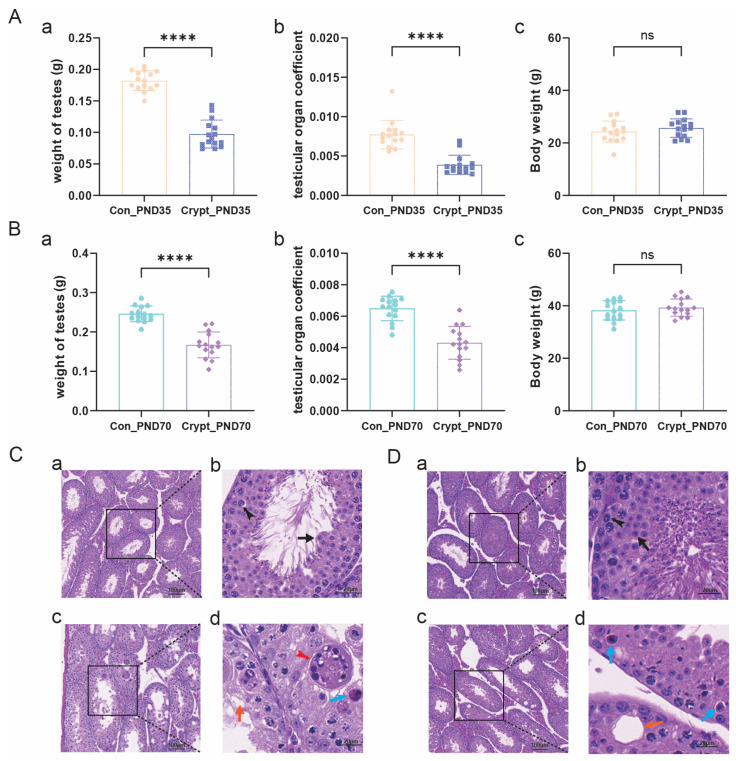 Figure 1
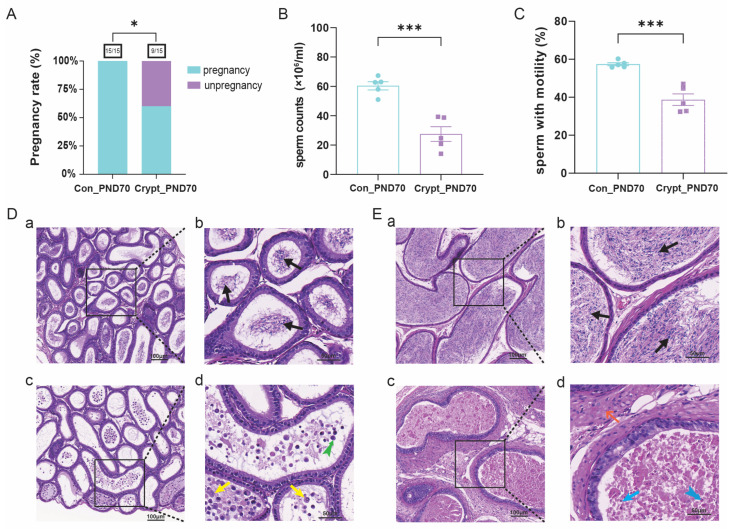 Figure 2
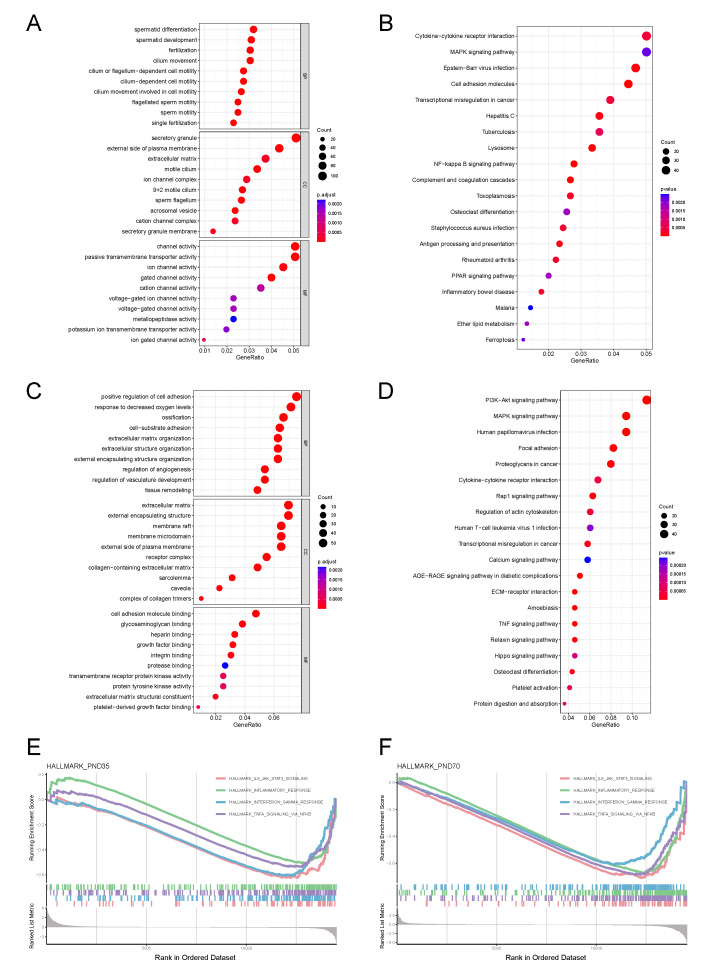 Figure 3
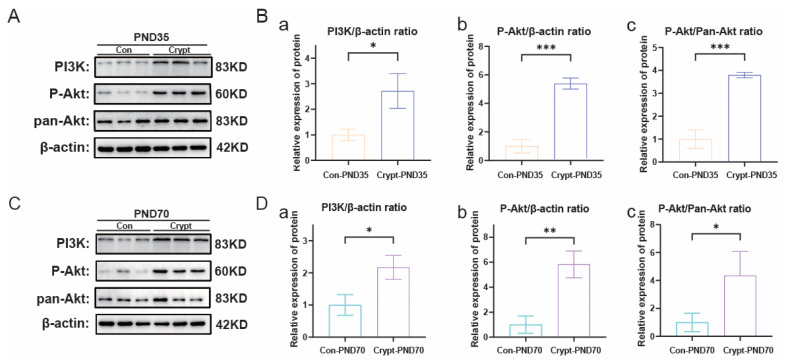 Figure 4
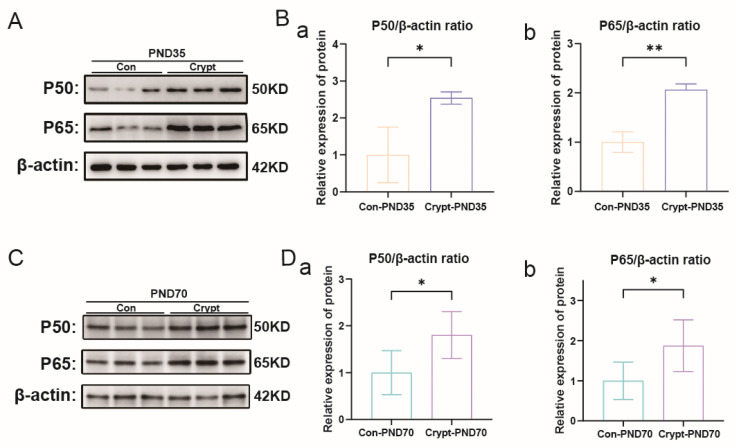 Figure 5
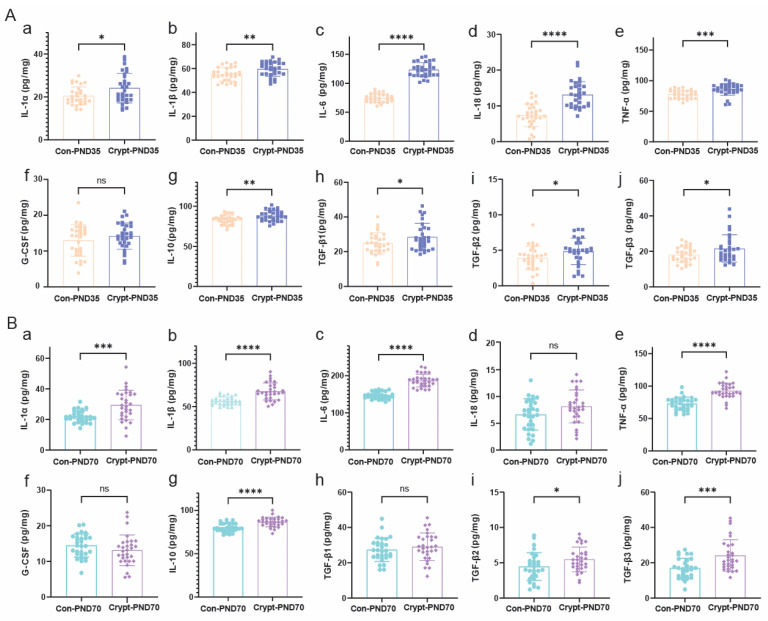 Figure 6
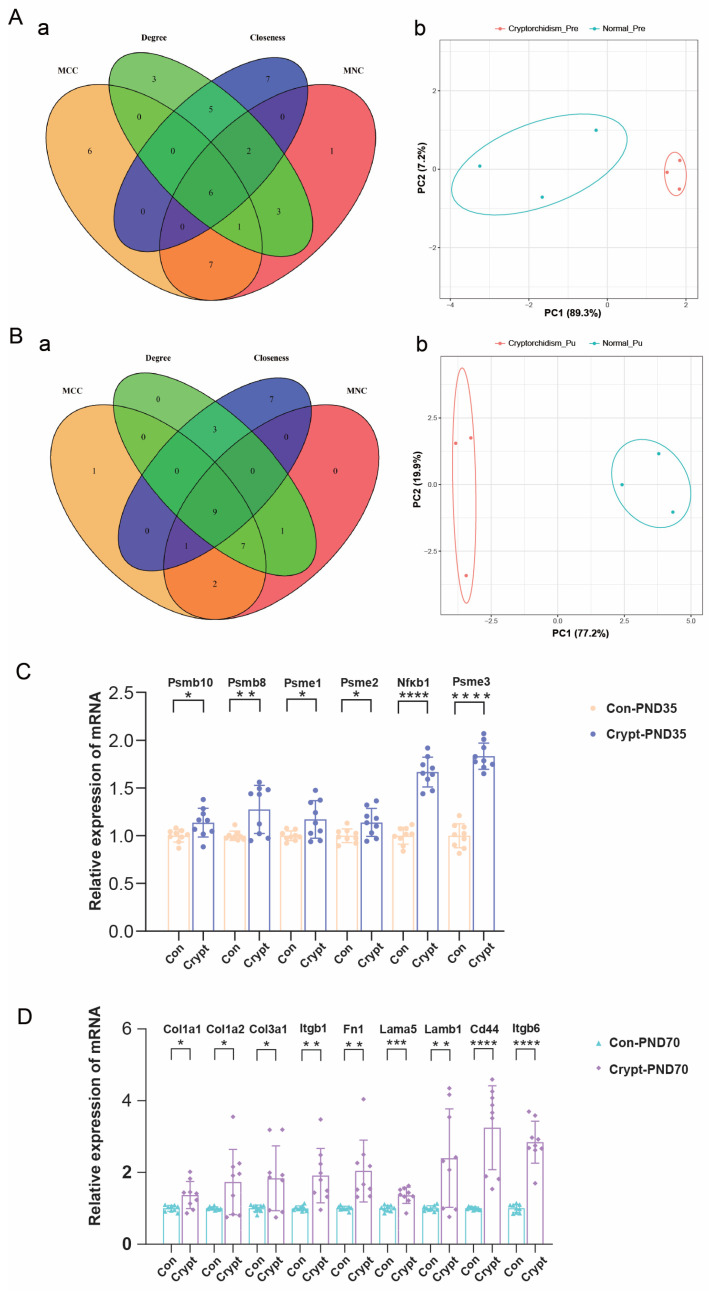 Figure 7
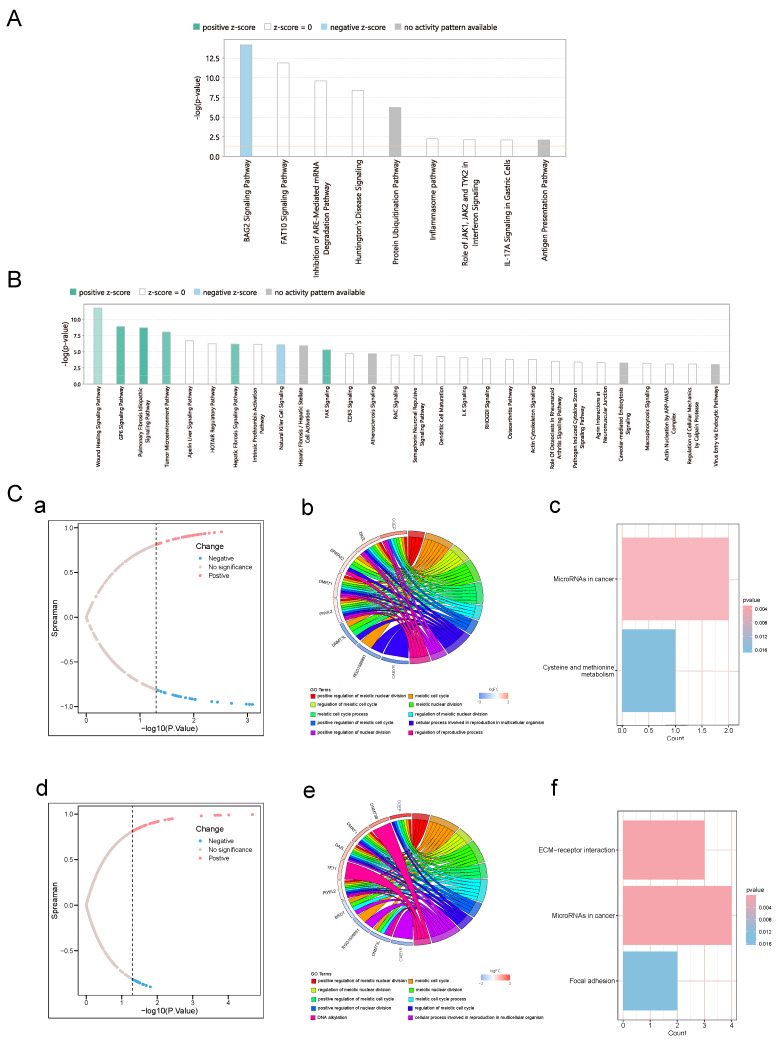 Figure 8
Peer Reviews
No public reviews on file for this paper yet. If you reviewed it on a platform where reviews are public (OpenReview, ICLR, NeurIPS, ICML), you can paste yours below so the community can read it here.
Videos
No videos yet. Explain this paper in a talk, walkthrough, or lecture? Add one.
Taxonomy
TopicsTesticular diseases and treatments · Sperm and Testicular Function · Pregnancy-related medical research