A Novel In Vitro Potency Assay Demonstrating the Anti-Fibrotic Mechanism of Action of CDCs in Deramiocel
Yujia Li, Justin B. Nice, Marya Kozinova, Stephanie Adachi, Linda Marbán, Kristi Elliott, Minghao Sun

TL;DR
A new lab test shows how a cell therapy called Deramiocel reduces fibrosis, a key issue in Duchenne muscular dystrophy.
Contribution
A novel in vitro assay was developed to measure Deramiocel's anti-fibrotic activity through collagen gene suppression.
Findings
Deramiocel's conditioned media significantly reduced COL1A and COL3A expression in human fibroblasts.
The anti-fibrotic effect was dose-dependent and mediated by exosomes and soluble proteins.
Potent Deramiocel lots correlated with clinical benefits in DMD patients in HOPE-2 trials.
Abstract
Background/Objectives: Duchenne muscular dystrophy (DMD) is characterized by progressive skeletal and cardiac muscle degeneration driven by inflammation and fibrosis, ultimately leading to cardiomyopathy and premature death. Deramiocel, an allogeneic cell therapy composed of cardiosphere-derived cells (CDCs), has demonstrated potent anti-fibrotic and immunomodulatory effects in preclinical models and clinical trials, including HOPE-2 and its open-label extension (HOPE-2 OLE), where Deramiocel treatment significantly attenuated progression of skeletal and cardiac muscle dysfunction. Methods: CDCs in Deramiocel were cultured to generate CM enriched with secreted exosomes and factors, which was subsequently applied to primary human dermal fibroblasts (HDFs). Following co-culture, ex-pression of collagen type I alpha 1 (COL1A) and collagen type III alpha 1 (COL3A) was measured by qRT-PCR.…
Genes, proteins, chemicals, diseases, species, mutations and cell lines named across the full text — each resolved to its canonical identifier and authoritative record.
Click any figure to enlarge with its caption.
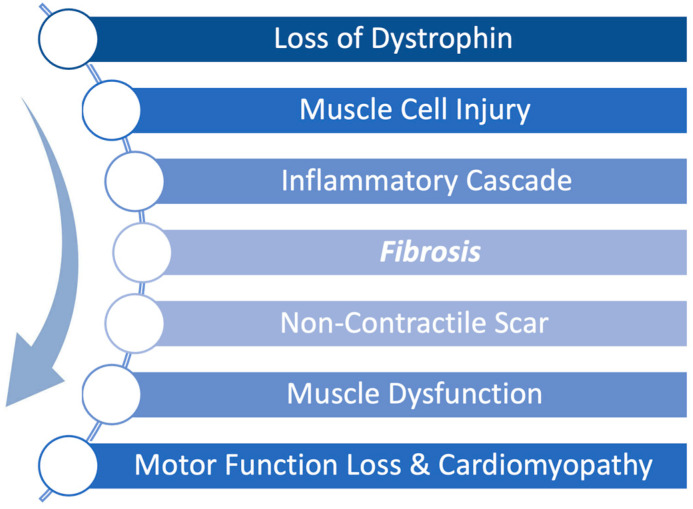 Figure 1
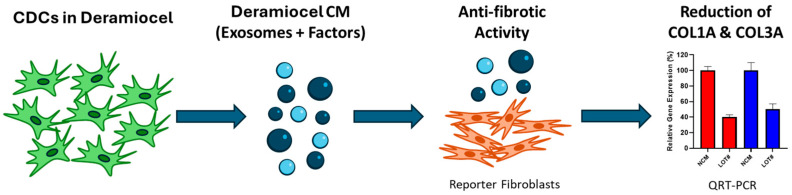 Figure 2
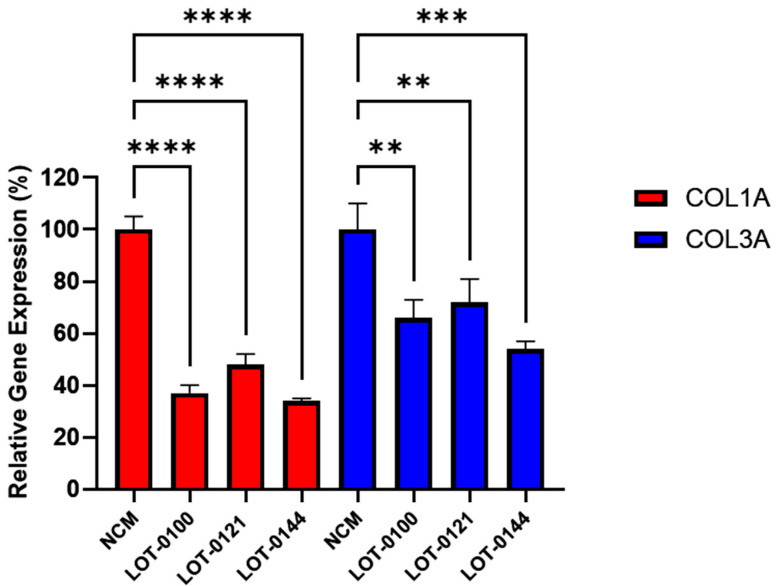 Figure 3
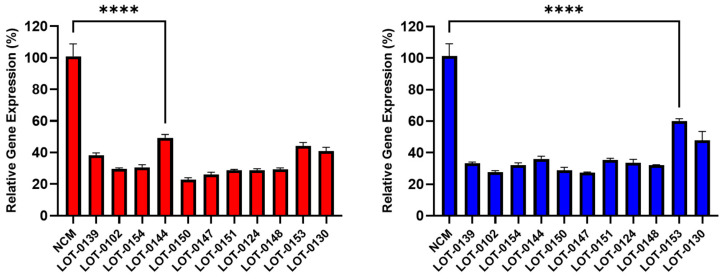 Figure 4
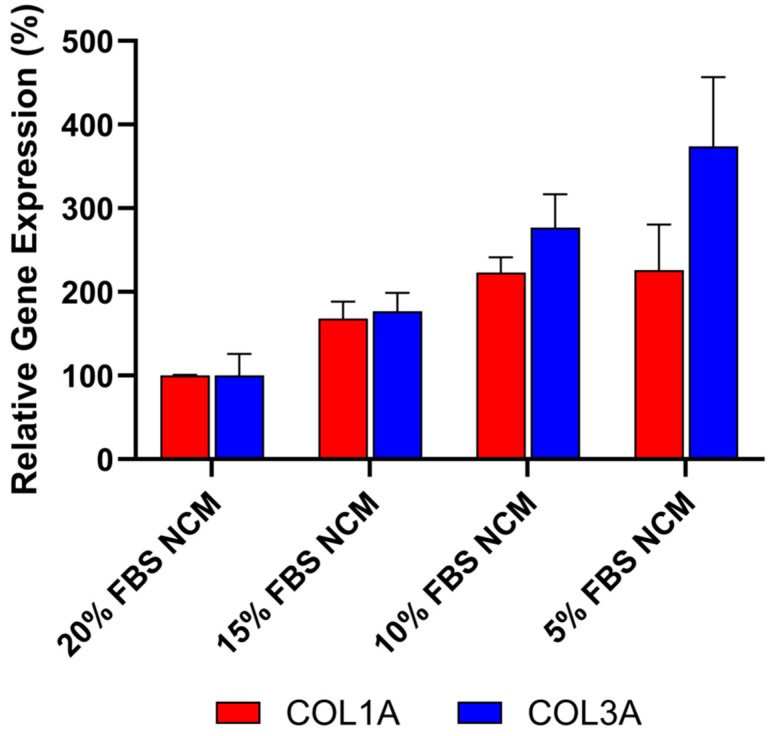 Figure 5
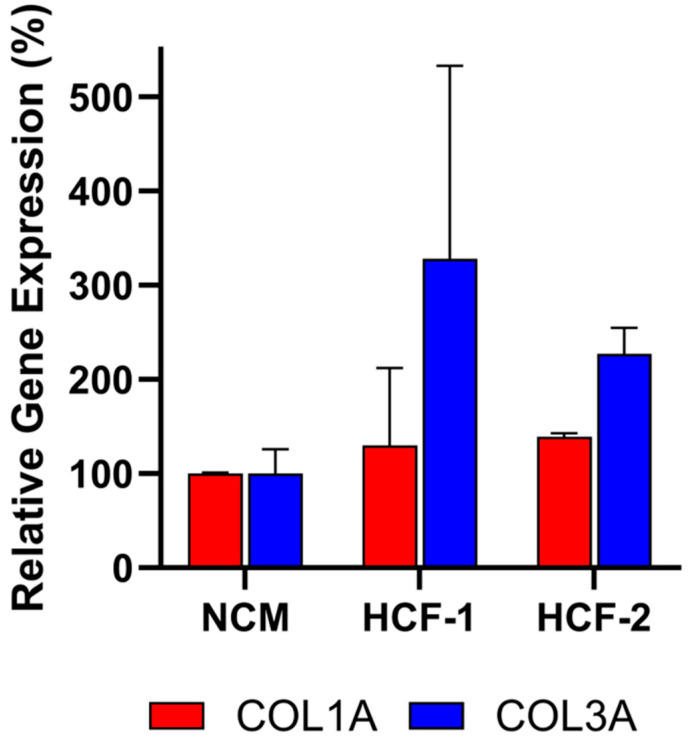 Figure 6
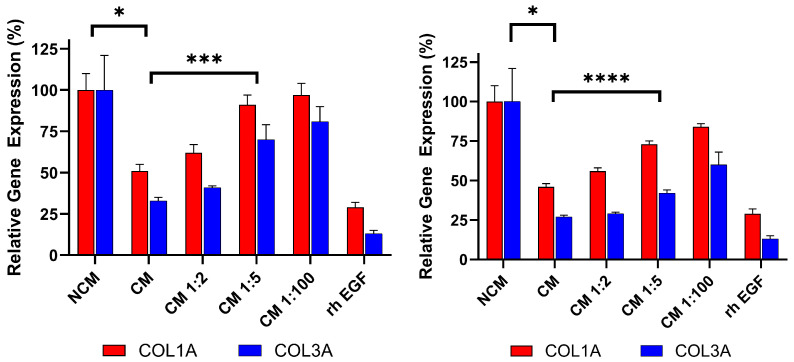 Figure 7
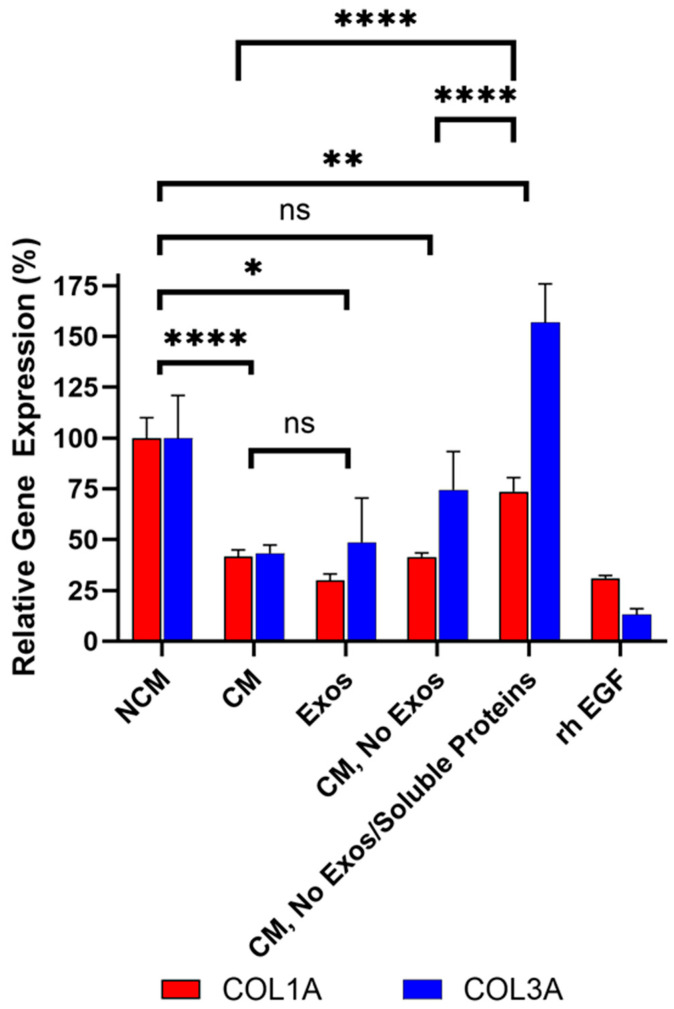 Figure 8
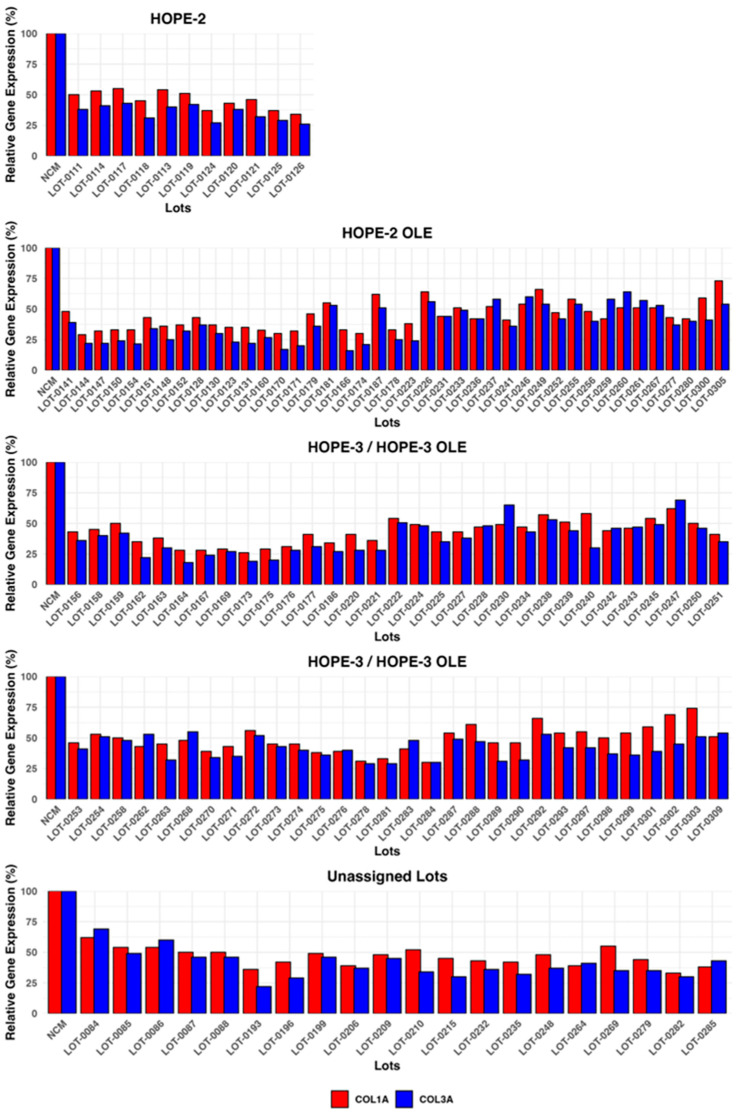 Figure 9
Peer Reviews
No public reviews on file for this paper yet. If you reviewed it on a platform where reviews are public (OpenReview, ICLR, NeurIPS, ICML), you can paste yours below so the community can read it here.
Videos
No videos yet. Explain this paper in a talk, walkthrough, or lecture? Add one.
Taxonomy
TopicsMesenchymal stem cell research · Muscle Physiology and Disorders · Tissue Engineering and Regenerative Medicine