Gas exclusion zones in Type II porous liquids
Cathal F. Kelly, Sergio F. Fonrouge, José L. Borioni, Mario G. Del Pópolo, Émer M. F. Rooney, Deborah E. Crawford, K. Travis Holman, Stuart L. James

TL;DR
Porous liquids can have regions around their pores where gas solubility is reduced, and a new design reduces this effect for better gas uptake.
Contribution
The first observation of gas-exclusion zones around pores in Type II porous liquids and the first Cryptophane-based PL to mitigate this effect.
Findings
NoriaOEt@15C5 has equal or lower CO2 solubility than neat 15C5 at pressures above 1 bar.
Molecular dynamics reveal an exclusion zone around pores where CO2 binding is disfavored.
Cryptophane-A@Cyrene shows improved CO2 uptake compared to its neat solvent, confirming the exclusion zone hypothesis.
Abstract
Porous liquids combine permanent porosity with fluidity and may ultimately find uses which are not possible for conventional liquids or porous solids. An important general characteristic of porous liquids studied to date is that they exhibit very high gas solubilities. Here, we examine this aspect in more detail than has been done previously, in particular with regard to CO2 and CH4 solubility in the Type II porous liquid NoriaOEt@15C5 (15C5 = 15-crown-5). Whilst this porous liquid exhibits increased CH4 solubility compared to neat 15-crown-5, counterintuitively it actually exhibits equal or lower CO2 solubility than the neat solvent 15C5 at pressures above 1 bar. Molecular dynamics modelling reveals that although the pore space does provide a good binding site for gas molecules, there is an ‘exclusion zone’ around the pore space within which binding of CO2 molecules is disfavoured…
Genes, proteins, chemicals, diseases, species, mutations and cell lines named across the full text — each resolved to its canonical identifier and authoritative record.
Click any figure to enlarge with its caption.
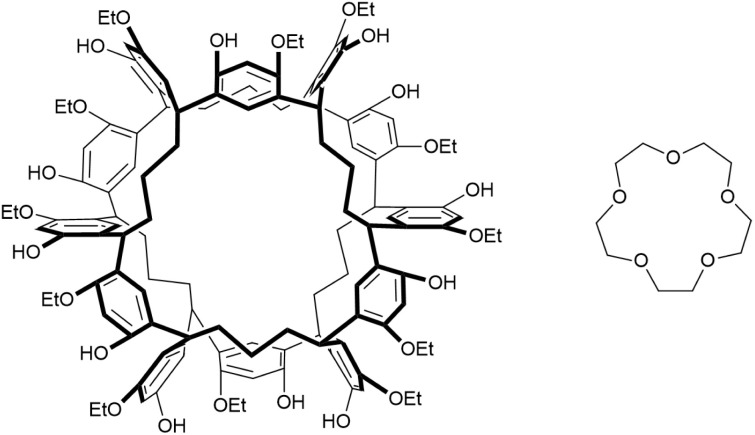 Figure 1
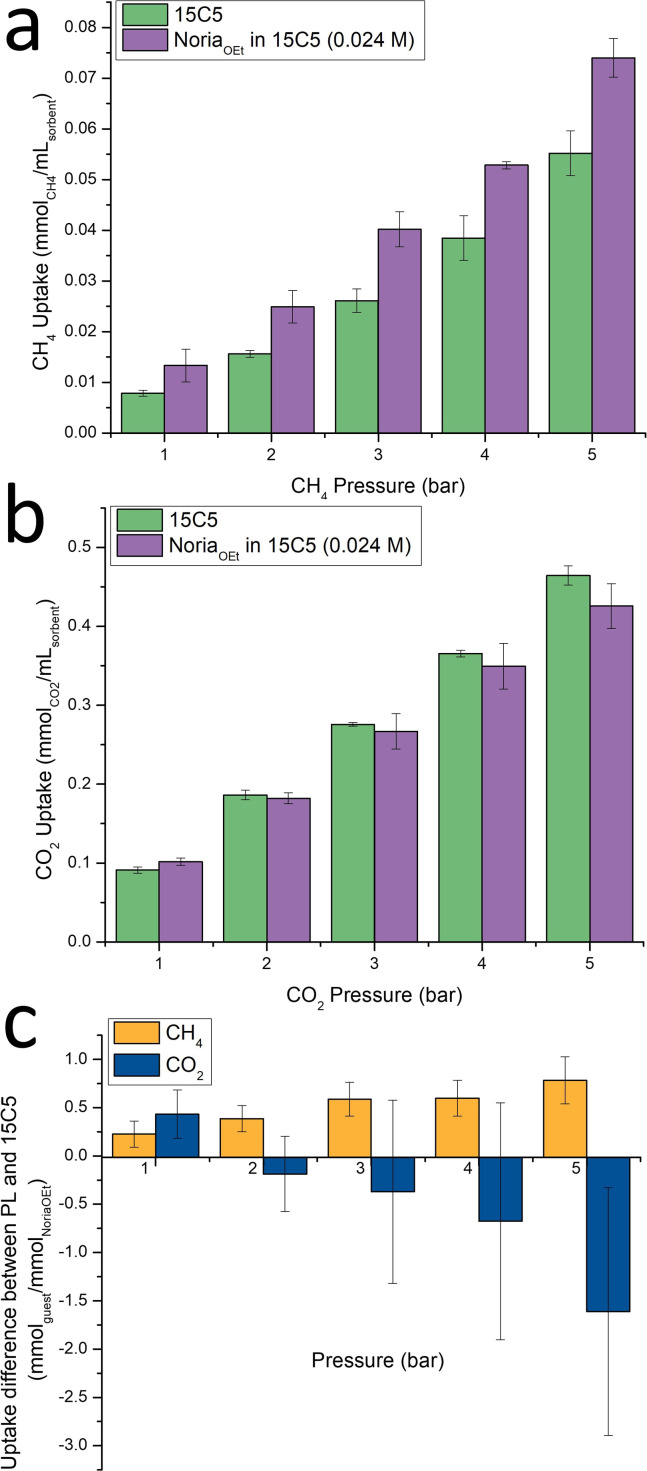 Figure 2
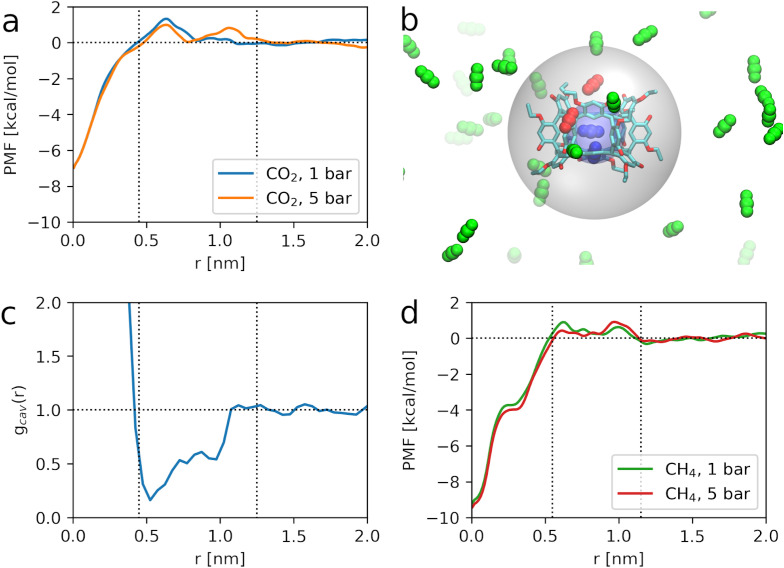 Figure 3
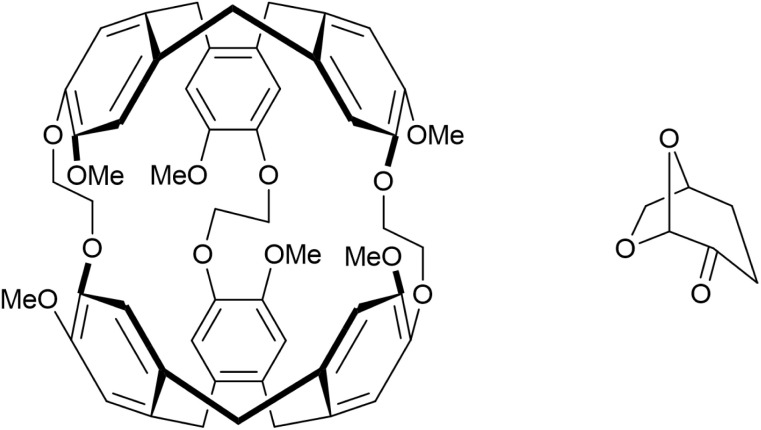 Figure 4
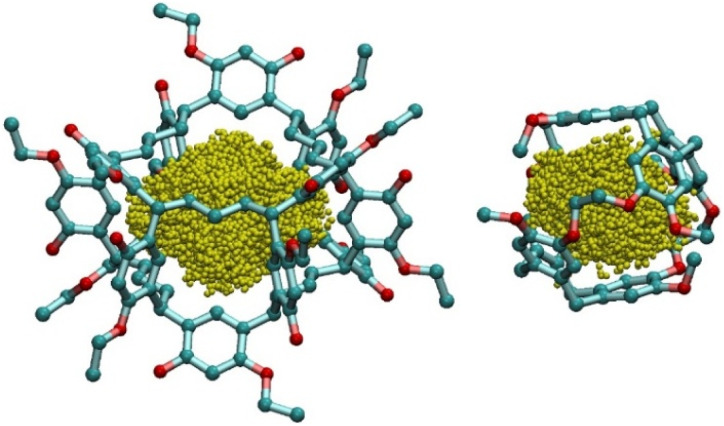 Figure 5
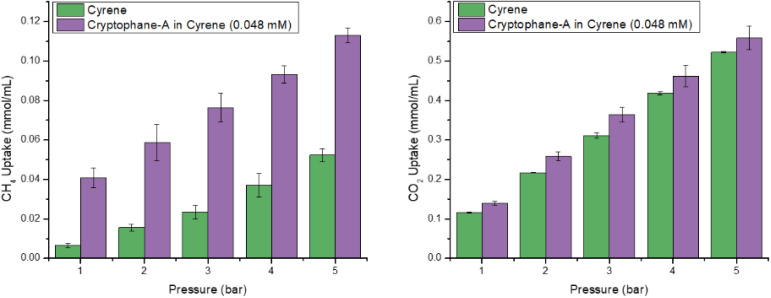 Figure 6
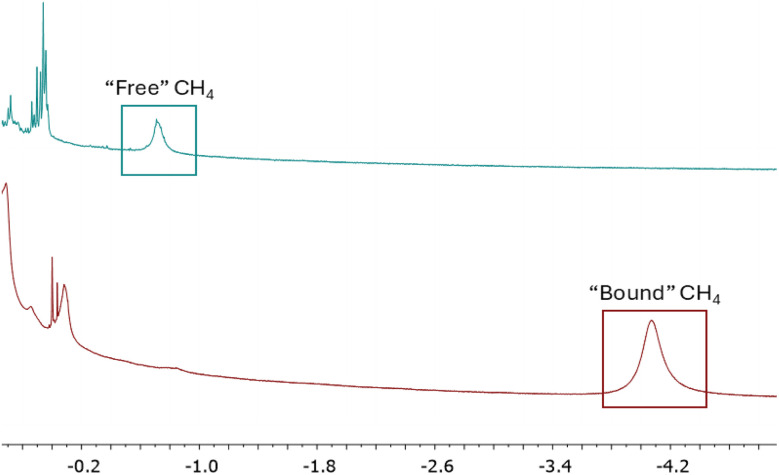 Figure 7
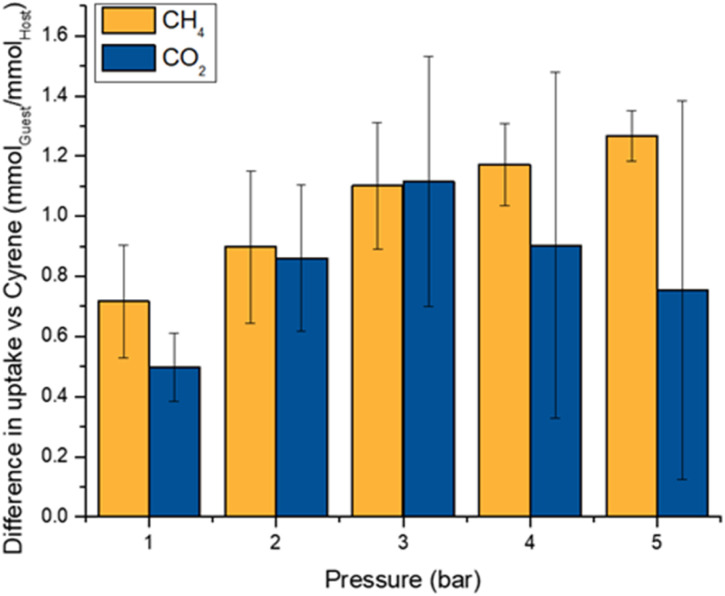 Figure 8
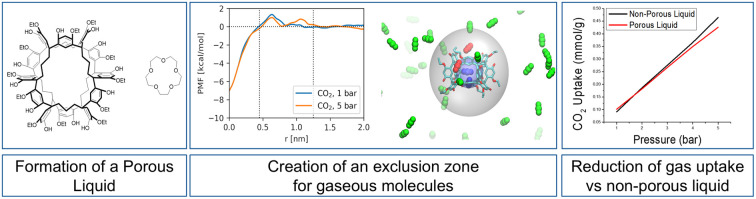 Figure 9
Peer Reviews
No public reviews on file for this paper yet. If you reviewed it on a platform where reviews are public (OpenReview, ICLR, NeurIPS, ICML), you can paste yours below so the community can read it here.
Videos
No videos yet. Explain this paper in a talk, walkthrough, or lecture? Add one.
Taxonomy
TopicsSupramolecular Chemistry and Complexes · Covalent Organic Framework Applications · Ionic liquids properties and applications