The Formation of a Novel Intergeneric Hybrid Fish Derived from Megalobrama amblycephala (♀) × Culter dabryi (♂)
Zhifeng Zhou, Xinge Ouyang, Chang Wu, Siyu Fan, Faxian Yu, Liran Zhang, Xinxin Yu, Zhong Tang, Lang Qin, Yi Zhou, Shengnan Li, Ming Wen, Yuequn Wang, Min Tao, Shaojun Liu

TL;DR
Scientists created a new hybrid fish by combining two species, which grows faster, is fertile, and has better nutrition than its parents.
Contribution
The study introduces a novel intergeneric hybrid fish with superior growth, fertility, and nutritional traits.
Findings
The hybrid fish (BG) is diploid with 48 chromosomes and predominantly inherits genetic traits from the maternal species.
BG has 1.81 times the body weight of the green tip culter and exhibits accelerated spermatogenesis.
BG muscle contains higher crude protein and umami amino acids compared to its parent species.
Abstract
In this study, we successfully developed a novel hybrid fish (BG) based on distant hybridization between blunt snout bream (BSB, ♀) and green tip culter (GTC, ♂). Genetic characterization confirmed that BG was diploid (2n = 48), exhibiting predominantly maternal (BSB) genetic inheritance with the incorporation of specific paternal (GTC) genomic fragments. BG demonstrated a significantly higher body weight, reaching approximately 1.81-fold that of the GTC. Additionally, it possessed bisexual fertility and accelerated spermatogenesis compared to BSB. Nutritional analyses demonstrated that BG contained a higher crude protein content, increased levels of umami amino acids, and greater concentrations of beneficial polyunsaturated fatty acids than its parents. Collectively, these results indicate that BG combines superior growth performance, reproductive characteristics, and nutritional…
Genes, proteins, chemicals, diseases, species, mutations and cell lines named across the full text — each resolved to its canonical identifier and authoritative record.
Click any figure to enlarge with its caption.
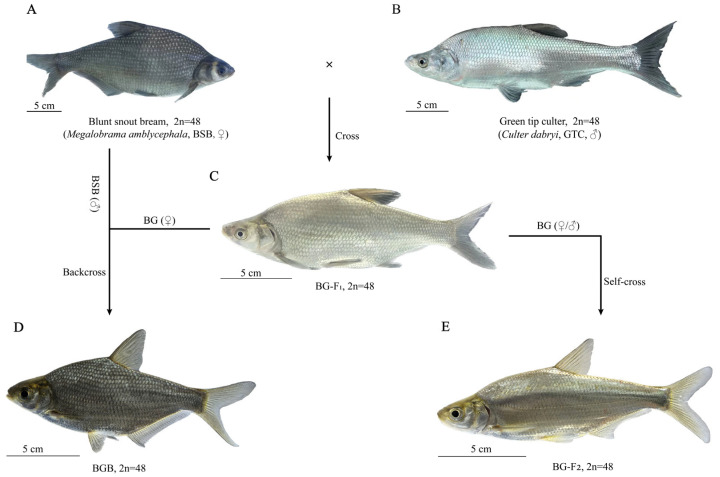 Figure 1
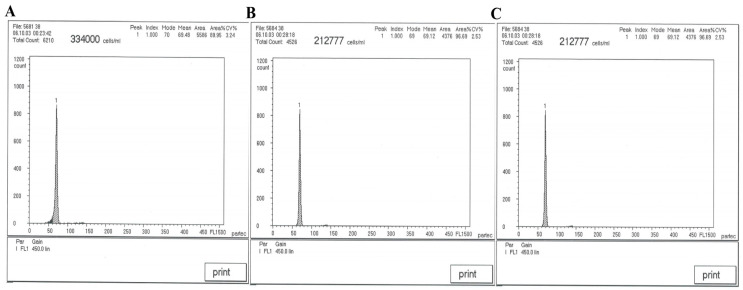 Figure 2
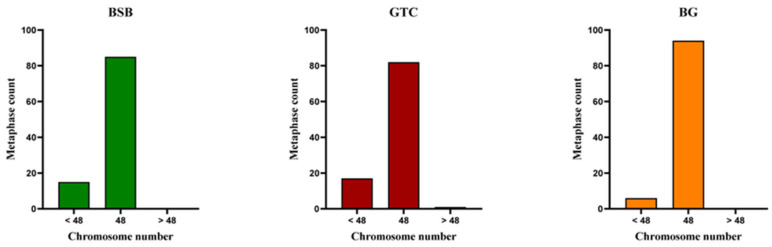 Figure 3
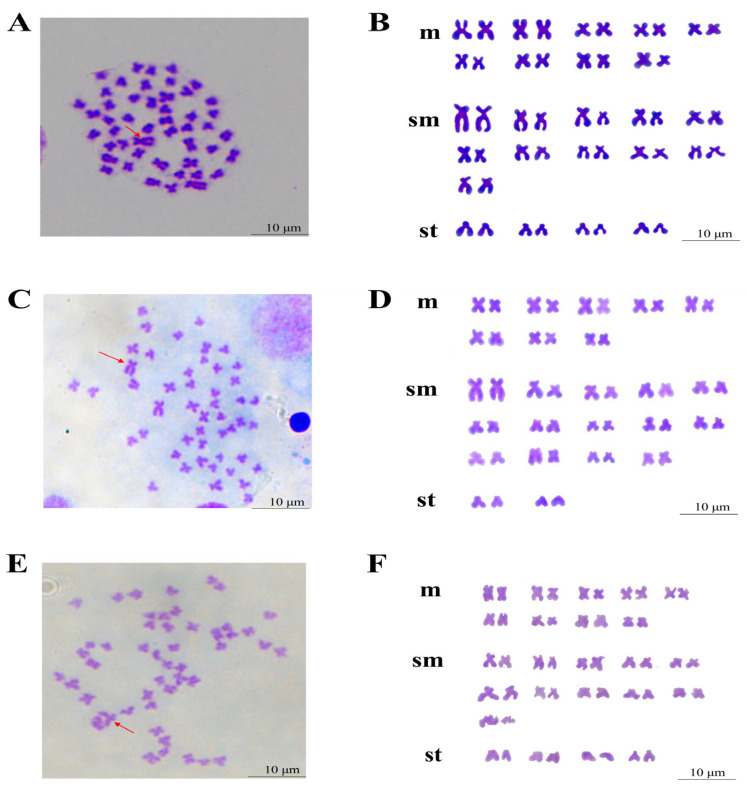 Figure 4
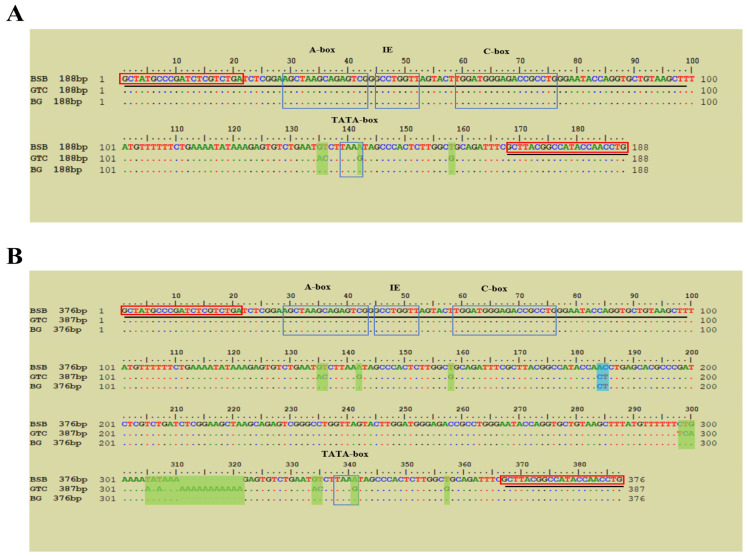 Figure 5
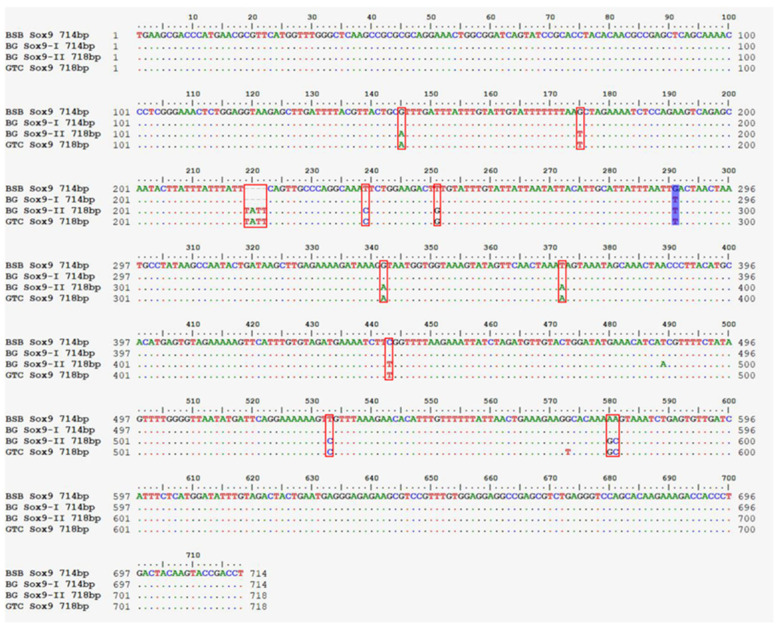 Figure 6
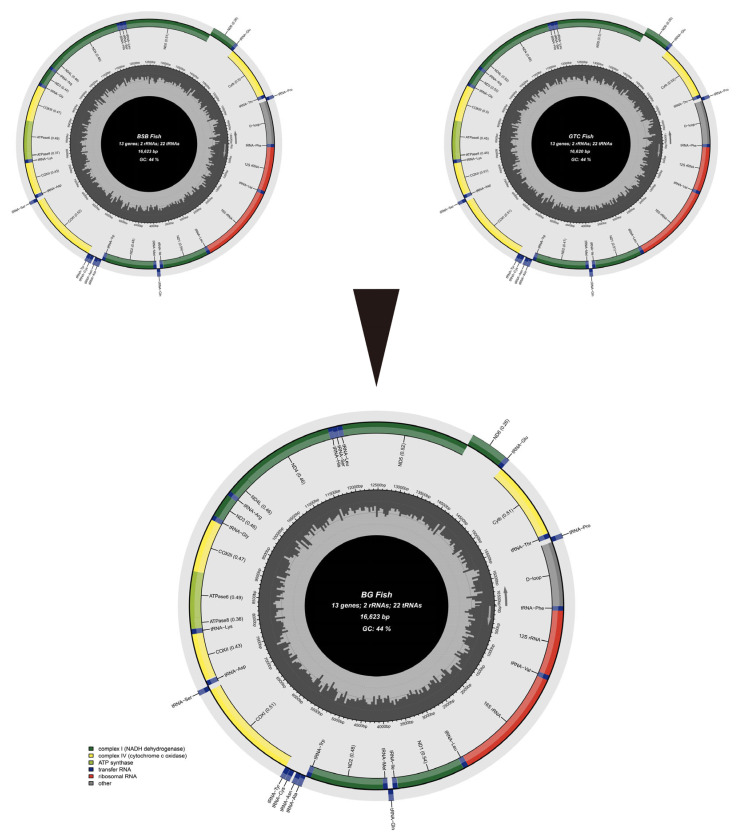 Figure 7
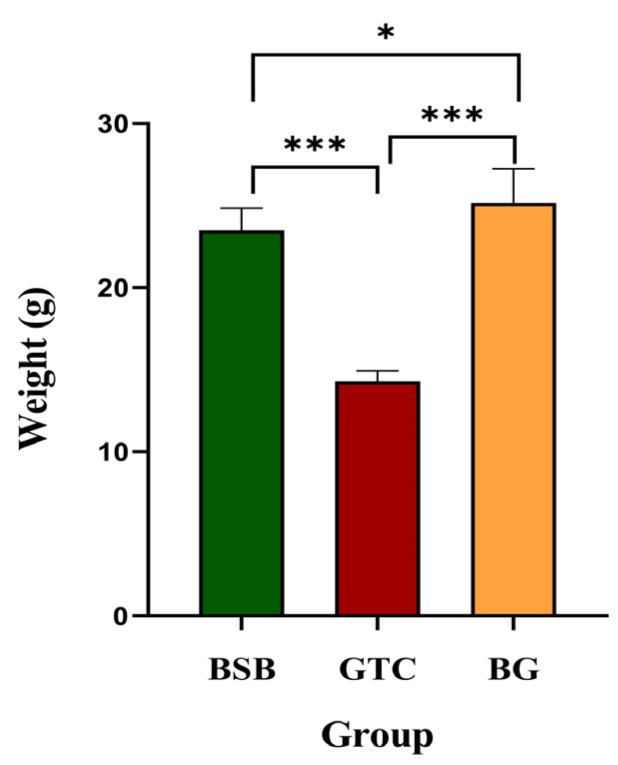 Figure 8
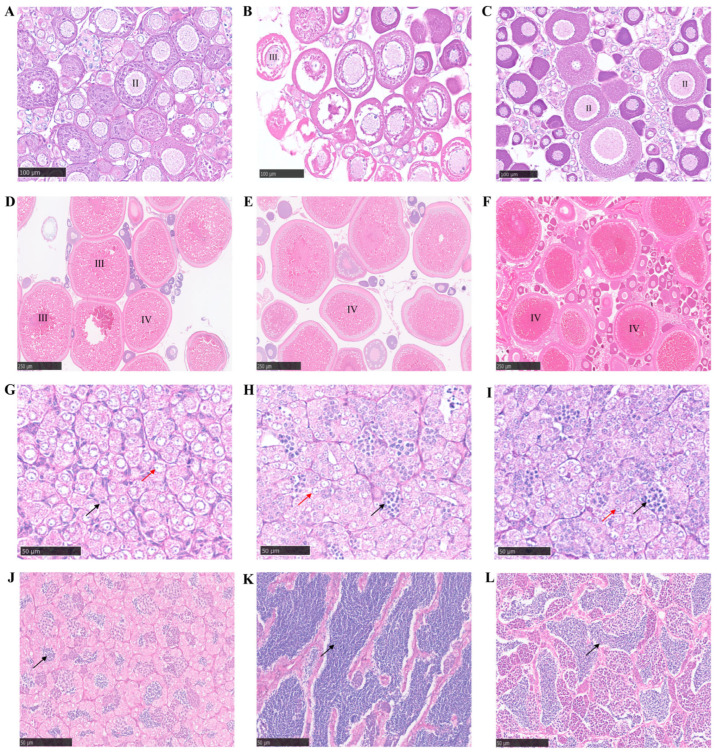 Figure 9
Peer Reviews
No public reviews on file for this paper yet. If you reviewed it on a platform where reviews are public (OpenReview, ICLR, NeurIPS, ICML), you can paste yours below so the community can read it here.
Videos
No videos yet. Explain this paper in a talk, walkthrough, or lecture? Add one.
Taxonomy
TopicsReproductive biology and impacts on aquatic species · Genetic and Clinical Aspects of Sex Determination and Chromosomal Abnormalities · Chromosomal and Genetic Variations