Correlation of Antioxidant and Antibacterial Activities of the Aqueous Pinus pinaster Aiton Bark Extract Within a Cytocompatible Concentration Range
Diana Barros, Liliana Grenho, Maria Helena Fernandes, Pedro Sousa Gomes, Élia Fernandes

TL;DR
This study shows that an aqueous extract from pine bark has strong antioxidant and antibacterial properties without harming eukaryotic cells, making it suitable for biological applications.
Contribution
The study demonstrates the dual antioxidant and antibacterial activities of aqueous Pinus pinaster bark extract within a cytocompatible range.
Findings
The aqueous extract showed strong antioxidant activity with high values in DPPH, ABTS, ORAC, and FRAP assays.
Antibacterial activity was observed against Staphylococcus aureus and Escherichia coli at non-cytotoxic concentrations.
Phenolic and flavonoid contents correlated strongly with antioxidant activity across all assays.
Abstract
This study explores the antioxidant, antibacterial, and cytocompatibility properties of aqueous Pinus pinaster bark extract (PBE). PBE was prepared using two solvent systems—100% distilled water and 1% DMSO in aqueous solution—at a solid-to-liquid ratio of 1:20 (w/v), following ISO guidelines. Extract characterization included yield determination, FTIR analysis, quantification of total phenolic (TPC) and flavonoid (TFC) contents, and assessment of antioxidant activity using four complementary methods: free radical scavenging (DPPH and ABTS), metal ion reduction (FRAP), and a competitive reaction assay (ORAC). The phenolic compound profile was further examined by HPLC-DAD. The results indicated that the two extracts exhibited comparable values across all evaluated parameters when expressed per gram of PBE. The TPC and TFC were approximately 400 mg GAE (gallic acid equivalents)/g PBE and…
Genes, proteins, chemicals, diseases, species, mutations and cell lines named across the full text — each resolved to its canonical identifier and authoritative record.
Click any figure to enlarge with its caption.
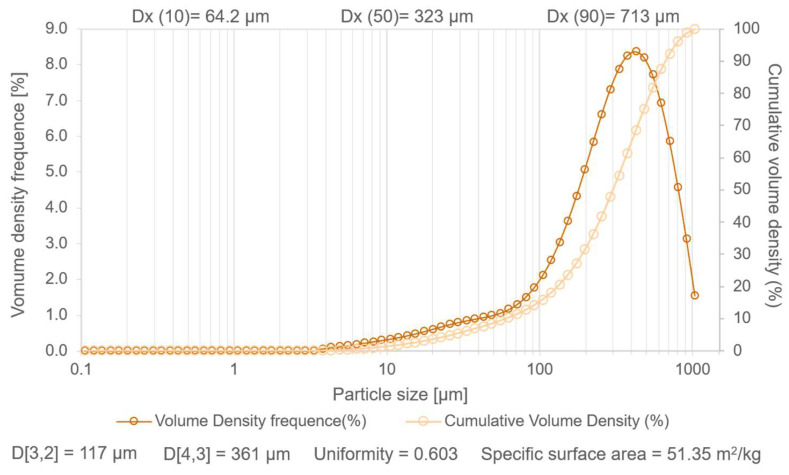 Figure 1
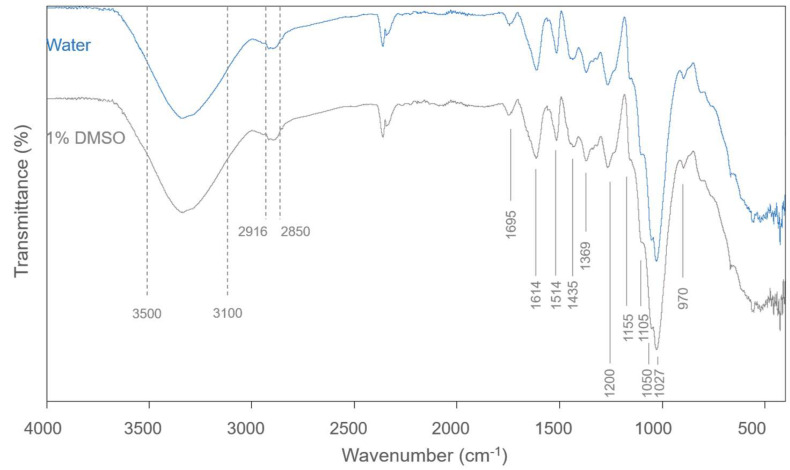 Figure 2
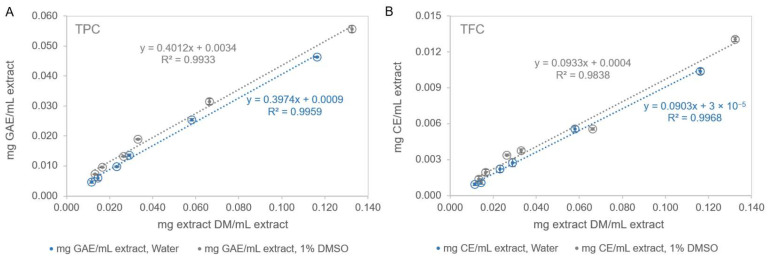 Figure 3
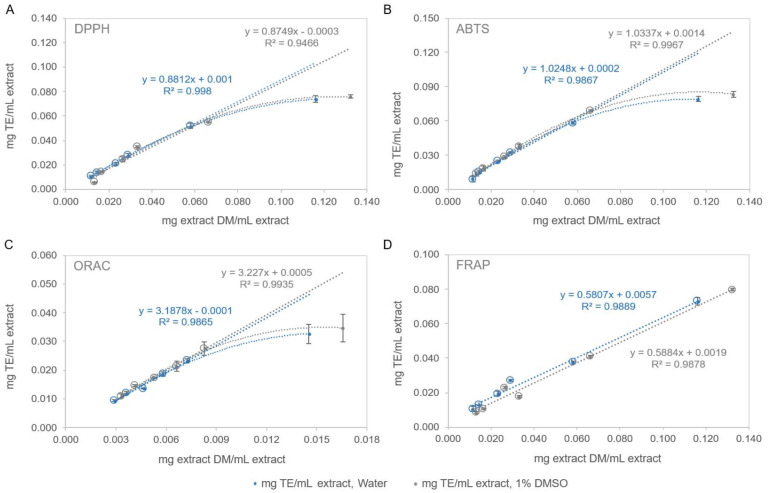 Figure 4
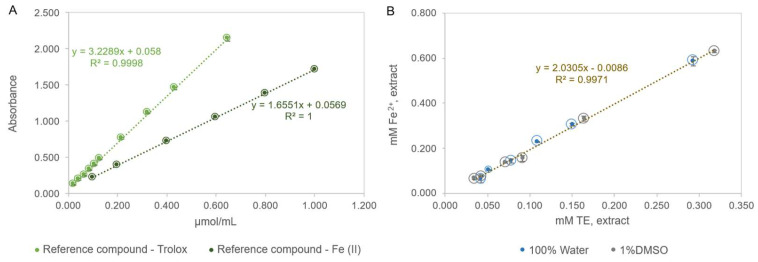 Figure 5
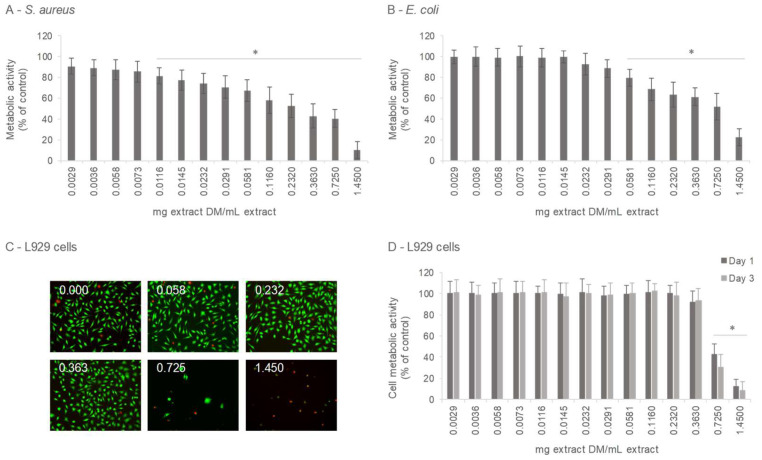 Figure 6
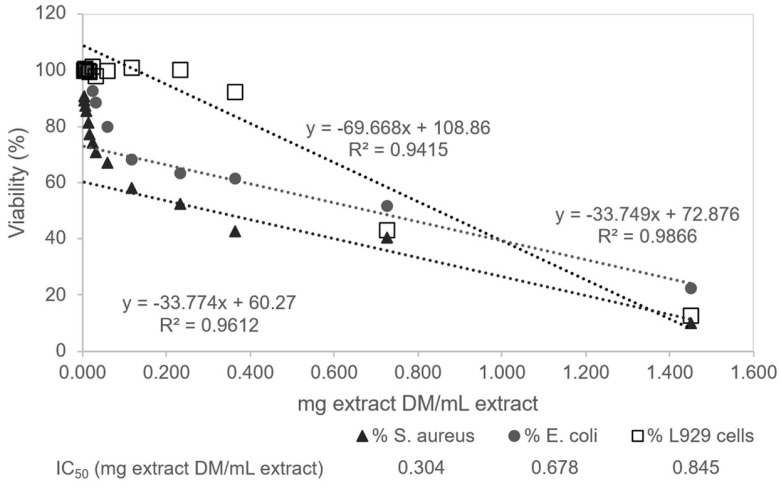 Figure 7
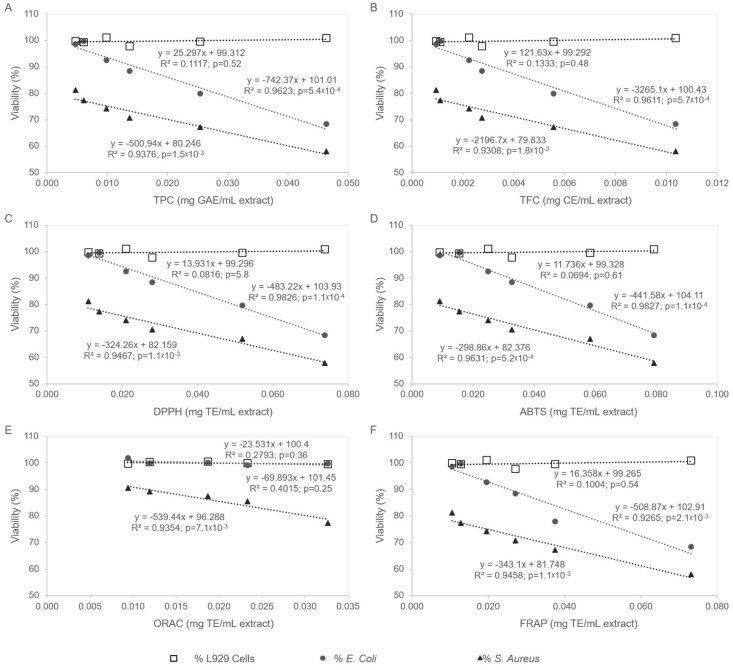 Figure 8
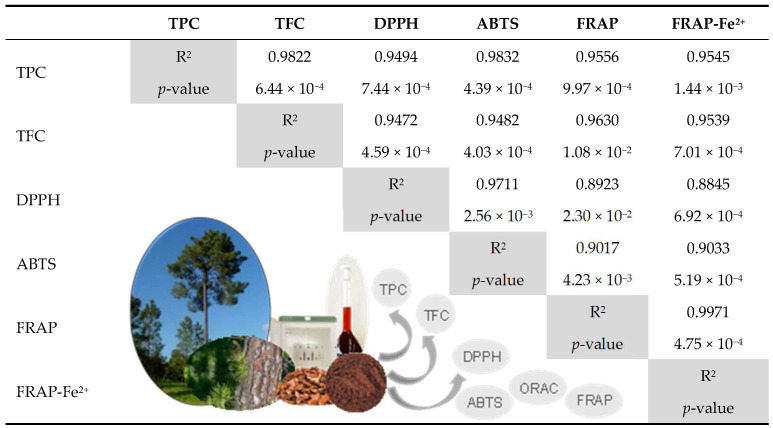 Figure 9
Peer Reviews
No public reviews on file for this paper yet. If you reviewed it on a platform where reviews are public (OpenReview, ICLR, NeurIPS, ICML), you can paste yours below so the community can read it here.
Videos
No videos yet. Explain this paper in a talk, walkthrough, or lecture? Add one.
Taxonomy
TopicsPhytochemicals and Antioxidant Activities · Tannin, Tannase and Anticancer Activities · Essential Oils and Antimicrobial Activity