Environmental Exposure to the Common Trunk of Mammalian Appeasing Pheromone Modulates Social Behavior and Reduces Fight Wounds in Male Mice
Sara Fuochi, Cecile Bienboire-Frosini, Estelle Descout, Miriam Marcet-Rius, Patrick Pageat, Alessandro Cozzi

TL;DR
Exposure to a synthetic mammalian appeasing pheromone reduces aggression and injuries in male mice, improving their welfare in laboratory settings.
Contribution
The study demonstrates that a synthetic pheromone can modulate social behavior and reduce aggression in group-housed male mice.
Findings
Mice exposed to the pheromone had fewer injuries and engaged in more non-violent communication.
Treated mice showed higher serotonin levels, linked to reduced aggressiveness.
The protective effects were strongest during the early stages of group housing.
Abstract
Aggression among male laboratory mice housed together is a common problem in research facilities, often leading to injuries, stress, and the need to separate or cull animals, which negatively impacts their welfare and the reliability of scientific results. This study investigated whether exposure to a synthetic version of a chemical signal, called mammalian appeasing pheromone, could reduce aggression and modulate social behavior in male mice. We assessed a range of behavioral tests, injury rates, and blood parameters related to stress and aggression. While behavioral tests showed only limited differences, animals treated with the pheromone displayed clearer signs of improved welfare: they had fewer injuries, engaged more in non-violent communication behaviors, and showed changes in serotonin levels associated with aggression control. The protective effects were most evident during the…
Genes, proteins, chemicals, diseases, species, mutations and cell lines named across the full text — each resolved to its canonical identifier and authoritative record.
Click any figure to enlarge with its caption.
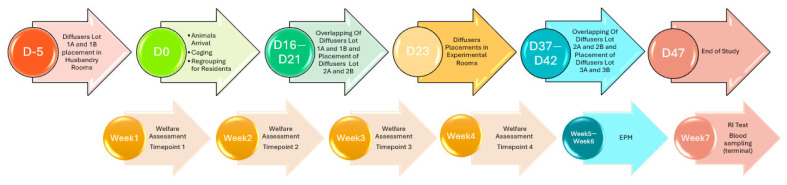 Figure 1
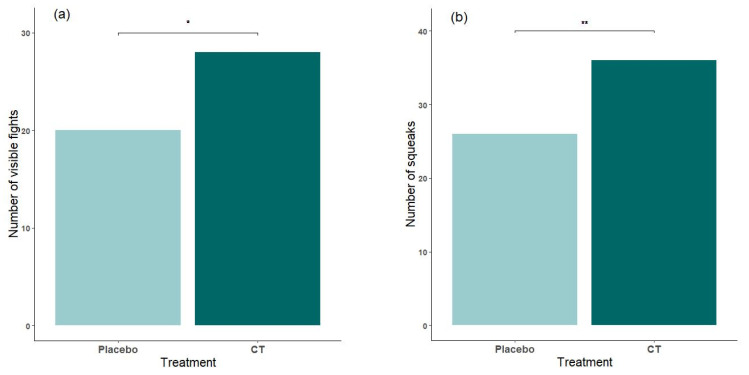 Figure 2
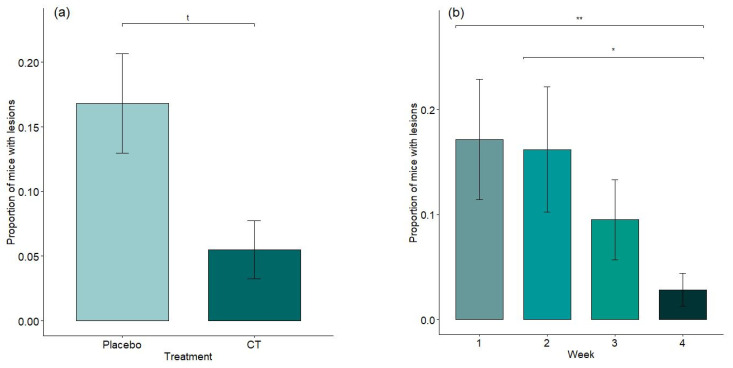 Figure 3
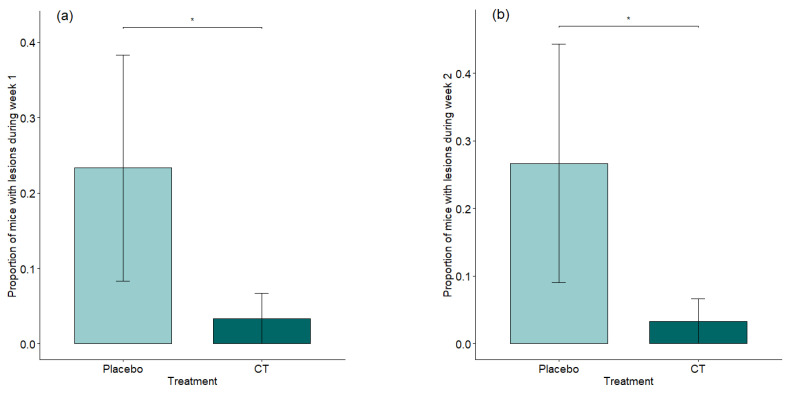 Figure 4
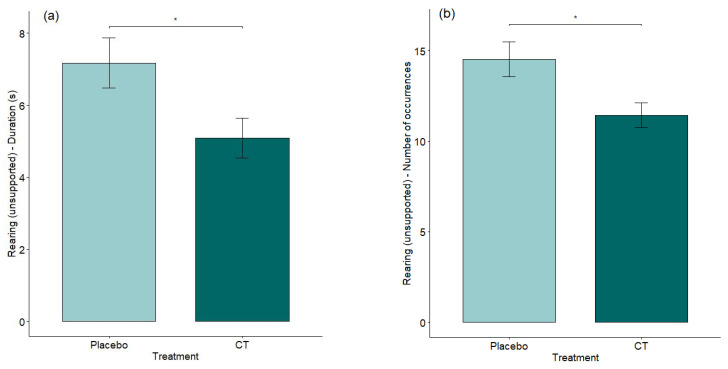 Figure 5
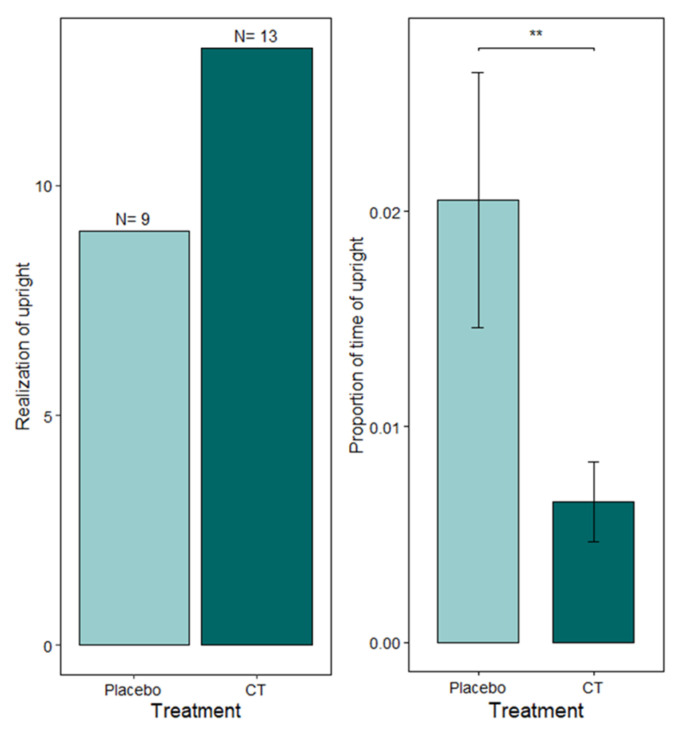 Figure 6
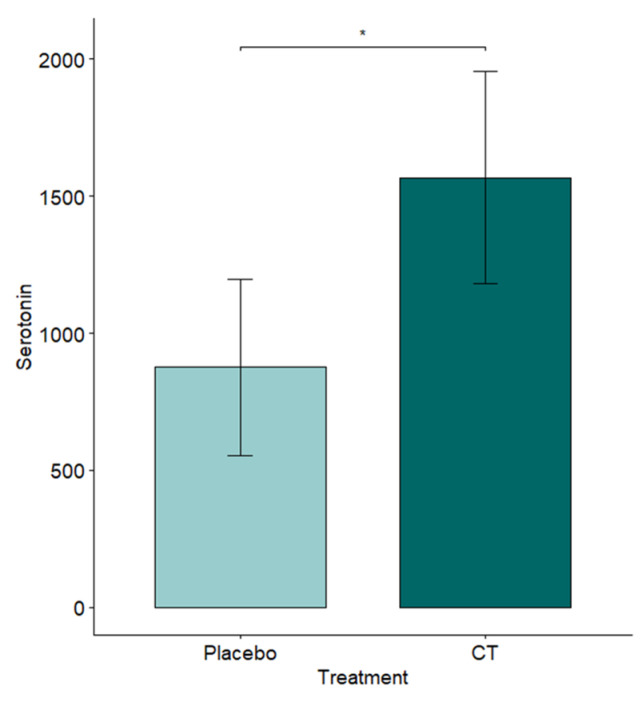 Figure 7
Peer Reviews
No public reviews on file for this paper yet. If you reviewed it on a platform where reviews are public (OpenReview, ICLR, NeurIPS, ICML), you can paste yours below so the community can read it here.
Videos
No videos yet. Explain this paper in a talk, walkthrough, or lecture? Add one.
Taxonomy
TopicsOlfactory and Sensory Function Studies · Animal testing and alternatives · Animal Behavior and Welfare Studies