Granulosa Cell-Secreted KITL Is Involved in Maintaining Zinc Homeostasis in the Oocytes of Neonatal Mouse Ovaries
Yan Du, Lincheng Han, Hongwei Wei, Xiaodan Zhang, Wenbo Zhang, Yashuang Weng, Weiyong Wang, Luchun Zhang, Sihui He, Meijia Zhang, Jingjie Li

TL;DR
This study shows that granulosa cells help maintain zinc balance in mouse oocytes, and disrupting this process can lead to oocyte damage and death.
Contribution
The study reveals a new role of granulosa cell-secreted KITL in regulating zinc homeostasis in neonatal mouse oocytes.
Findings
KITL-KIT signaling inhibition increases ZIP6 levels and zinc overload in oocytes.
Zinc overload causes oocyte apoptosis through DNA damage and autophagic flux blockade.
ZnSO4 and ISCK03 injection in mice increases ZIP6 expression and oocyte damage.
Abstract
Proto-oncogenic receptor tyrosine kinase (KIT) ligand (KITL) secreted by granulosa cells and its receptor KIT on oocytes are crucial for primordial follicle formation and activation, and follicular development. In the present study, ZnSO4 decreased the number of primordial and growing follicles in cultured neonatal mouse ovaries when KITL-KIT signaling was inhibited by ISCK03. ZnSO4 also significantly increased the mRNA and protein levels of Zrt/Irt-like protein 6 (ZIP6, a zinc importer) and zinc levels in the oocytes of cultured neonatal mouse ovaries in the presence of ISCK03, suggesting that the increase in ZIP6 levels results in zinc overload in the oocytes of cultured neonatal mouse ovaries. Further experiments indicated that zinc overload resulted in oocyte apoptosis in cultured neonatal mouse ovaries via oxidative stress-driven dual mechanisms: irreversible DNA damage in the…
Genes, proteins, chemicals, diseases, species, mutations and cell lines named across the full text — each resolved to its canonical identifier and authoritative record.
Click any figure to enlarge with its caption.
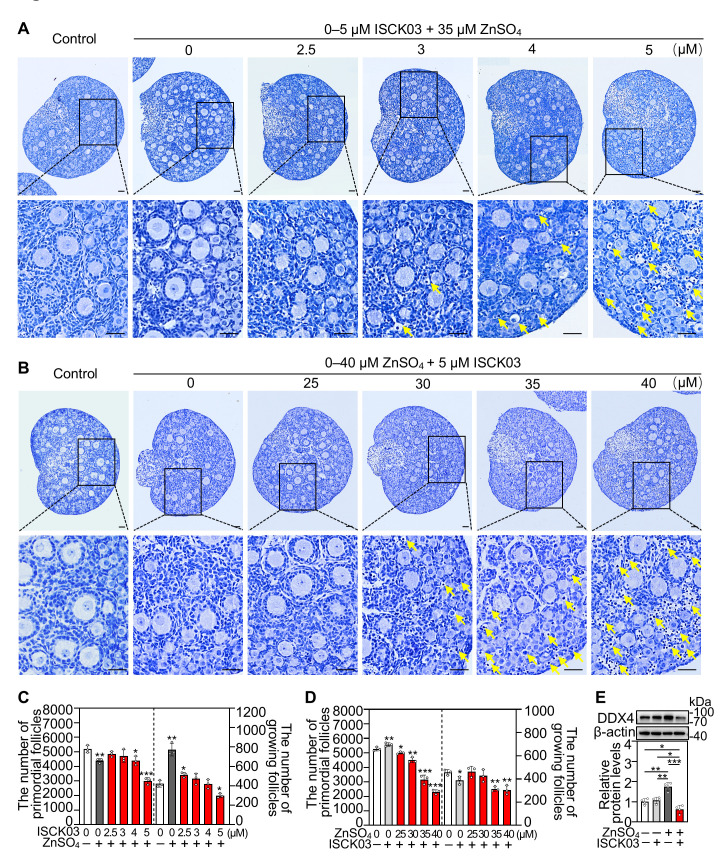 Figure 1
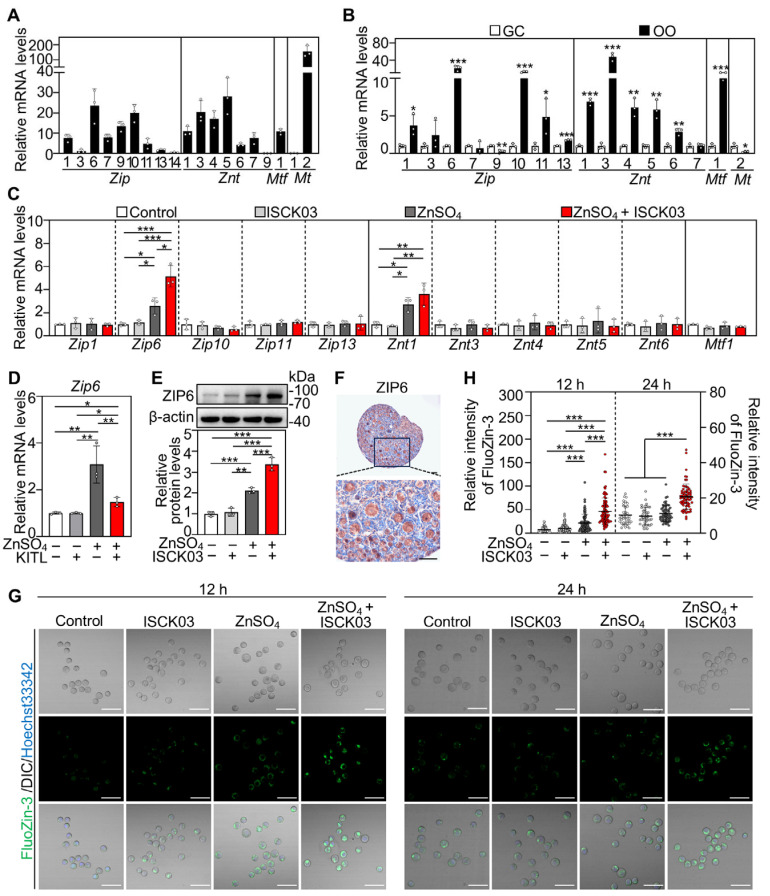 Figure 2
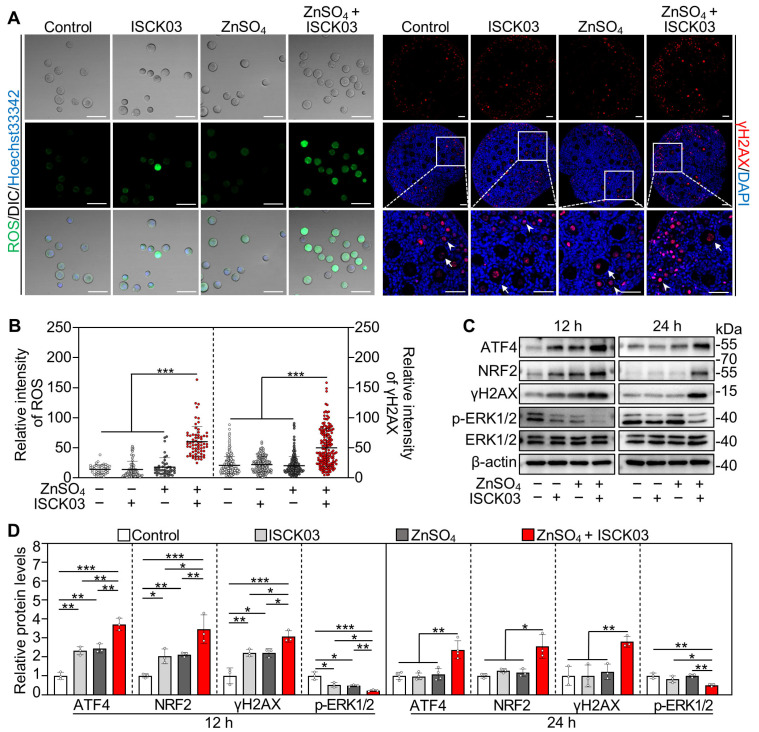 Figure 3
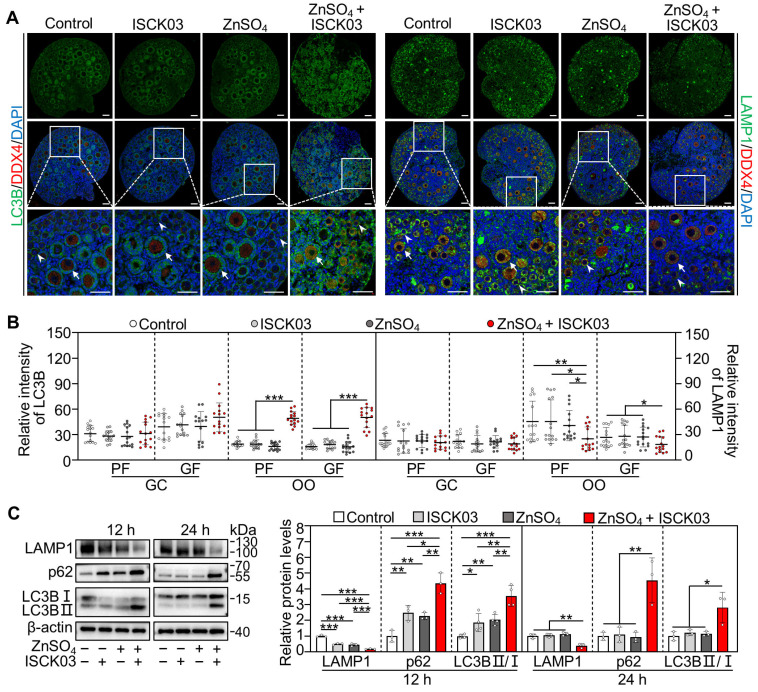 Figure 4
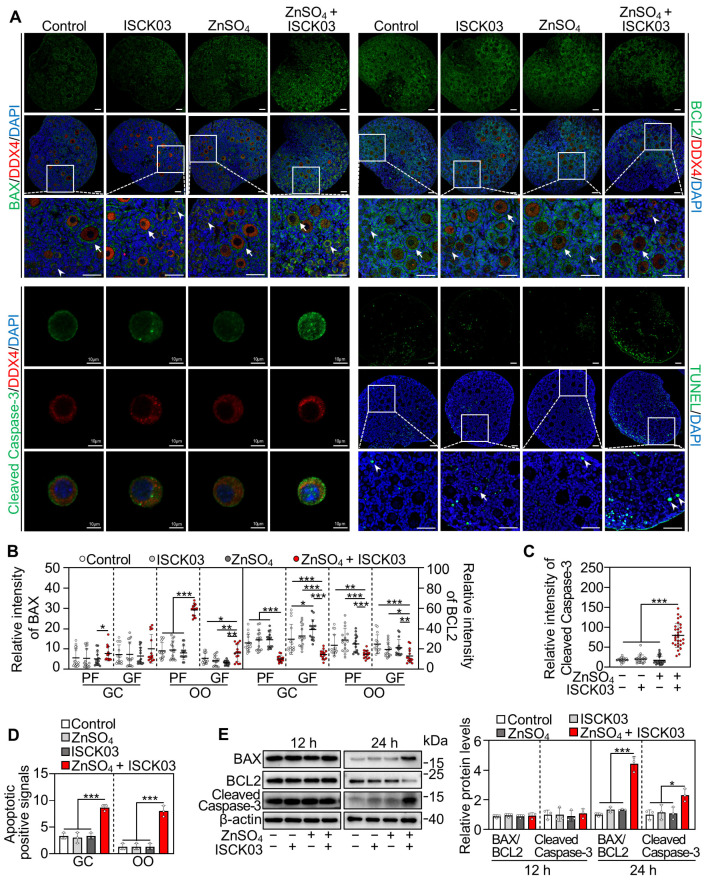 Figure 5
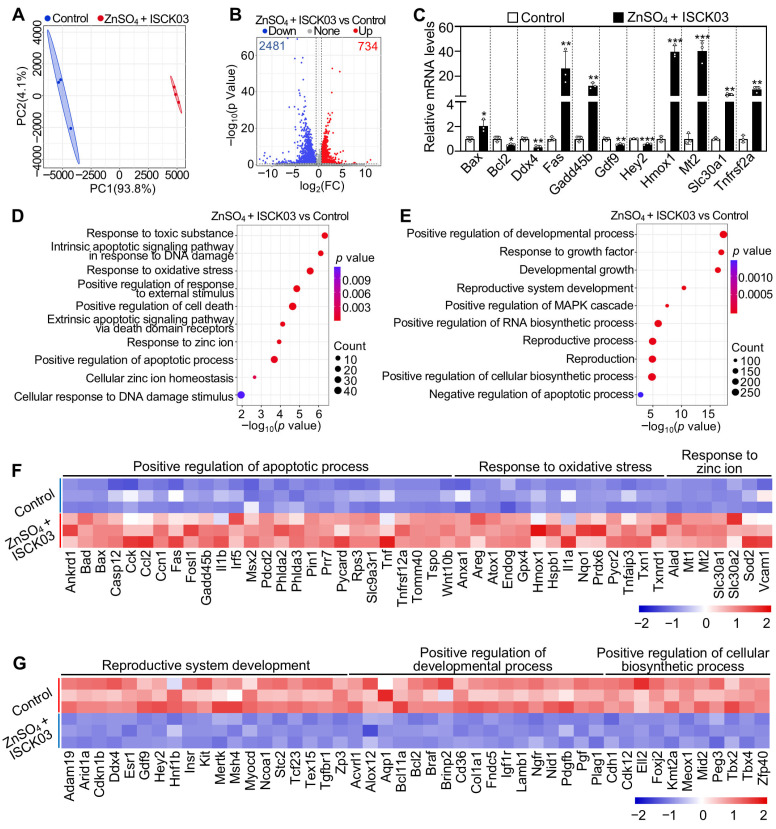 Figure 6
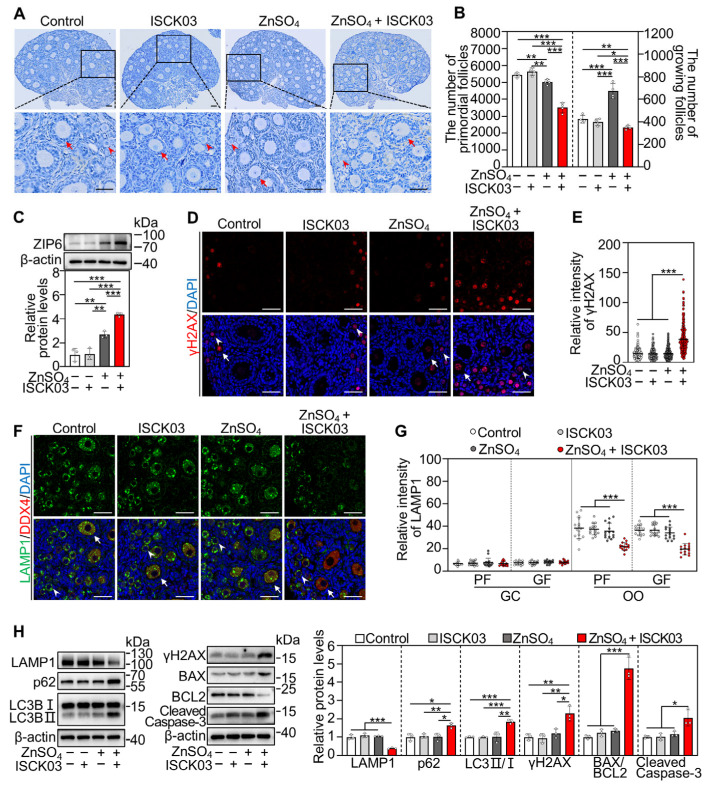 Figure 7
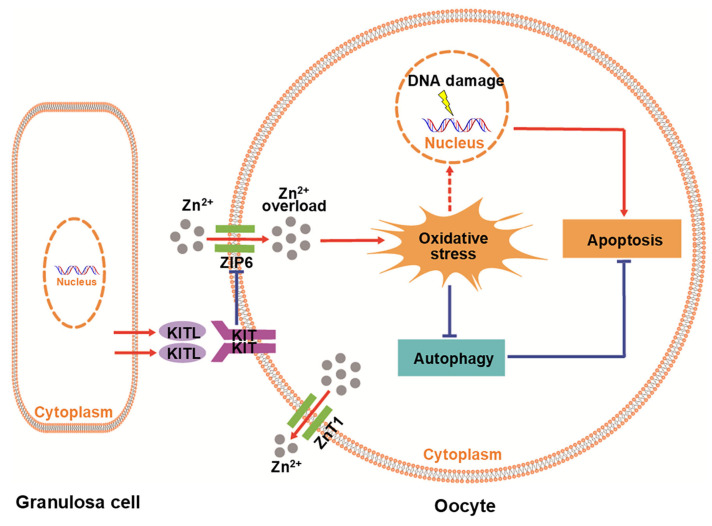 Figure 8
Peer Reviews
No public reviews on file for this paper yet. If you reviewed it on a platform where reviews are public (OpenReview, ICLR, NeurIPS, ICML), you can paste yours below so the community can read it here.
Videos
No videos yet. Explain this paper in a talk, walkthrough, or lecture? Add one.
Taxonomy
TopicsTrace Elements in Health · Reproductive Biology and Fertility · Reproductive System and Pregnancy