Effects of Black Soldier Fly (Hermetia illucens) Larvae Meal Replacement for Fish Meal on Growth Performance, Muscle Quality, Antioxidant Status, Immune Function, and Gut Microbiota in Juvenile Southern Catfish (Silurus meridionalis)
Huiying Wang, Gao Gao, Jialong Chen, Dan Jia, Qing Hu, Hanqi Duan, Bin Zhang, Run Bi, Qingquan Hu, Baoliang Bi

TL;DR
This study shows that replacing fish meal with black soldier fly larvae meal in the diet of southern catfish improves growth and health markers, making it a promising sustainable alternative.
Contribution
The study demonstrates that 50% replacement of fish meal with black soldier fly larvae meal optimizes growth and health in southern catfish.
Findings
A 50% replacement of fish meal with black soldier fly larvae meal significantly improved weight gain, growth rate, and protein efficiency in southern catfish.
Gut microbiota shifted with increased Clostridia and Escherichia at higher substitution levels, suggesting microbial cooperation through metabolite exchange.
Muscle texture properties were altered, but muscle amino acid and fatty acid profiles remained unchanged with BSFLM substitution.
Abstract
This study evaluated the effects of feeding juvenile southern catfish (Silurus meridionalis) with one of six isonitrogenous and isoenergetic diets where fish meal (FM) was replaced by black soldier fly larval meal (BSFLM) at 0%, 10%, 20%, 30%, 40%, and 50% levels on growth, muscle quality, antioxidant capacity, immune response, and gut microbiota of juvenile southern catfish (Silurus meridionalis). A total of 1620 fish (9.20 ± 0.15 g) were fed one of six experimental diets for 8 weeks. Results demonstrated that a 50% replacement (H50 group) significantly improved weight gain rate, specific growth rate, and protein efficiency ratio (p < 0.001). Antioxidant capacity (T-AOC) was enhanced in groups H30 and H50, while immune markers lysozyme (LZM) and alkaline phosphatase (AKP) showed mixed responses. Muscle texture properties such as chewiness and adhesiveness were significantly altered…
Genes, proteins, chemicals, diseases, species, mutations and cell lines named across the full text — each resolved to its canonical identifier and authoritative record.
Click any figure to enlarge with its caption.
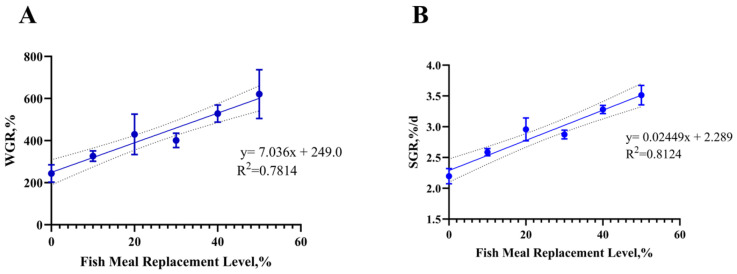 Figure 1
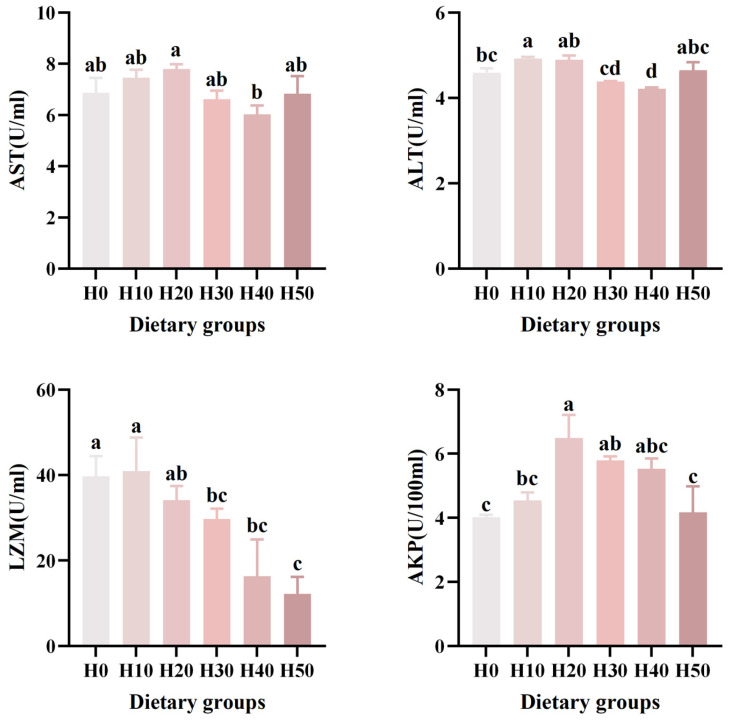 Figure 2
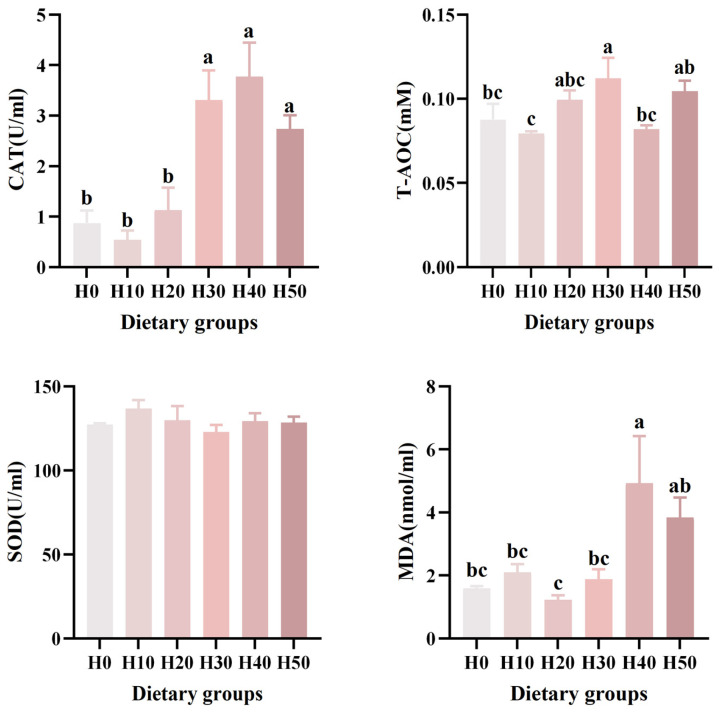 Figure 3
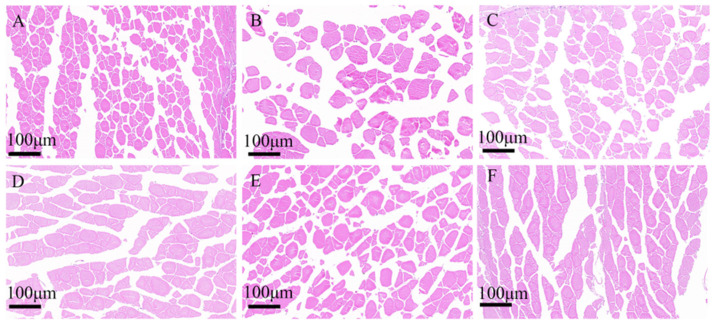 Figure 4
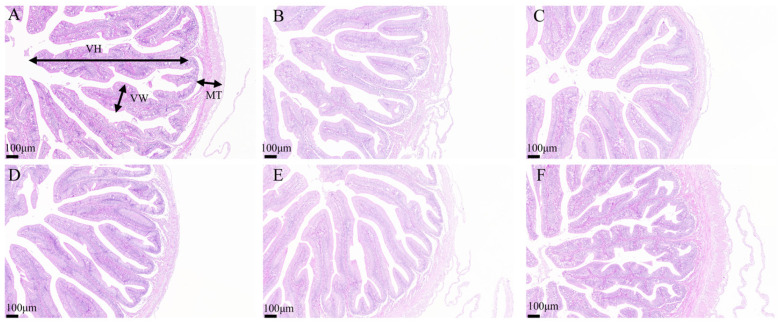 Figure 5
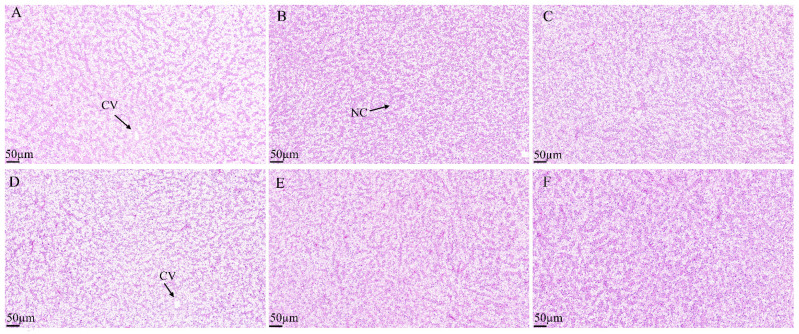 Figure 6
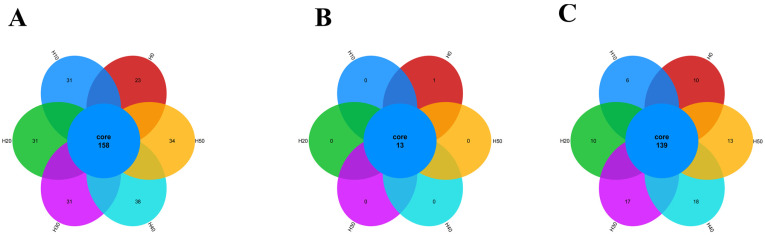 Figure 7
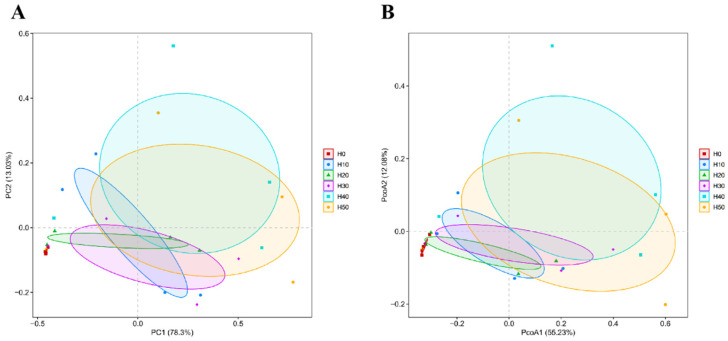 Figure 8
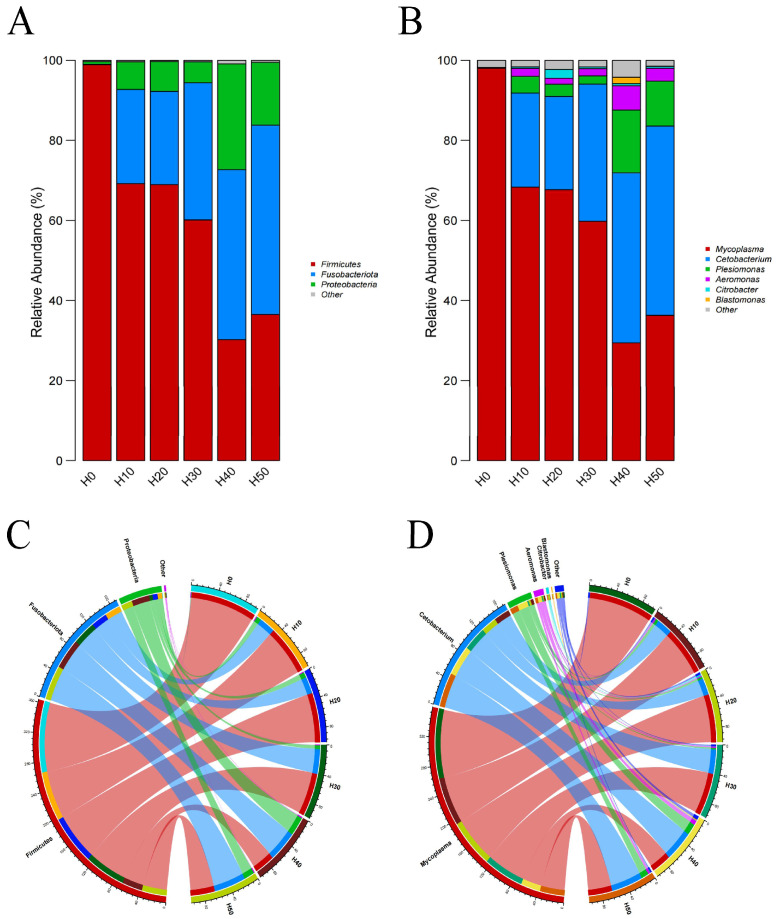 Figure 9
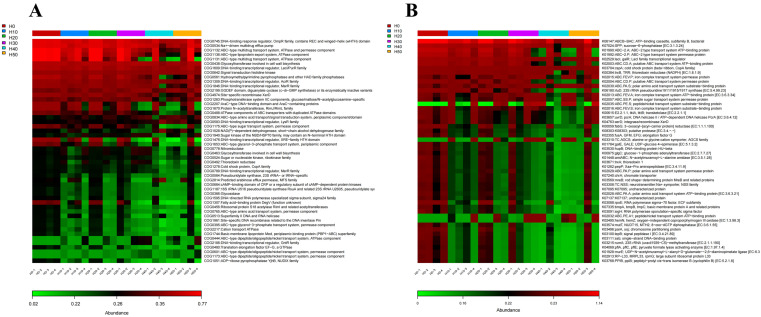 Figure 10
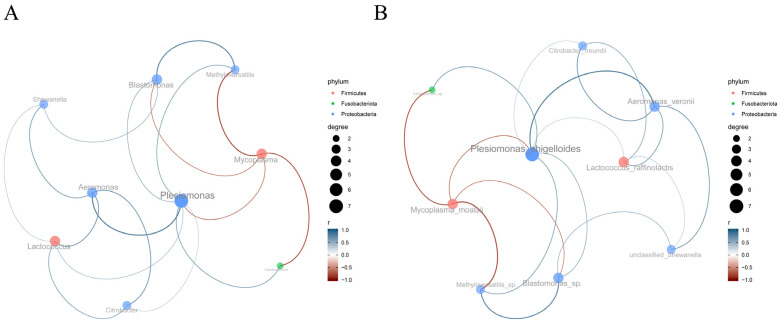 Figure 11
Peer Reviews
No public reviews on file for this paper yet. If you reviewed it on a platform where reviews are public (OpenReview, ICLR, NeurIPS, ICML), you can paste yours below so the community can read it here.
Videos
No videos yet. Explain this paper in a talk, walkthrough, or lecture? Add one.
Taxonomy
TopicsInsect Utilization and Effects · Aquaculture Nutrition and Growth · Protein Hydrolysis and Bioactive Peptides