Resveratrol–Curcumin Hybrid Selectively Induces Chromosomal Abnormalities and Apoptosis in Colon Adenocarcinoma Cells
Mariane Minussi Baptistella, Aléxia Polo Siqueira, Dâmaris Lizia Santos Magalhães, Bruno Zavan, Carolina Sales de Oliveira, Matheus de Freitas Silva, Ellen Tardelli Falleiros Lima, Claúdio Viegas, Bruno Martins Dala-Paula, Ester Siqueira Caixeta, Marisa Ionta

TL;DR
A new hybrid compound shows promise in fighting colon cancer by disrupting cell division and causing cell death.
Contribution
A novel resveratrol–curcumin hybrid compound is shown to selectively induce chromosomal abnormalities and apoptosis in colon cancer cells.
Findings
PQM-162 exhibits radical scavenging activity and reduces cell viability in HCT-8 cells.
The compound inhibits cell cycle progression at the G2/M phase and modulates key cell cycle regulators.
PQM-162 disrupts redox balance and shows antiproliferative effects in colorectal cancer cells.
Abstract
Colorectal cancer (CRC) therapy frequently relies on chemotherapeutic agents with high cytotoxicity, low selectivity, and suboptimal efficacy. Thus, the search for alternative therapeutic strategies for CRC continues. In the present work, the antitumor potential of a hybrid compound, which contains fragments derived from resveratrol and curcumin, was evaluated. These natural compounds are known by their antioxidant, chemopreventive, and chemotherapeutic properties. Different methodologic approaches were used to investigate cytotoxic, genotoxic, antiproliferative, and antioxidant effects of a hybrid compound, named PQM-162, on HCT-8 colorectal cancer cells. The results showed that PQM-162 displays radical scavenging capacity as demonstrated by DPPH assay. Furthermore, this substance reduced cell viability and inhibited cell cycle progression at G2/M in HCT-8 cells. Antiproliferative…
Genes, proteins, chemicals, diseases, species, mutations and cell lines named across the full text — each resolved to its canonical identifier and authoritative record.
Click any figure to enlarge with its caption.
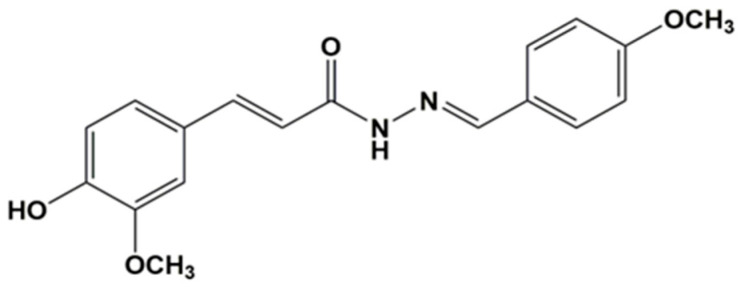 Figure 1
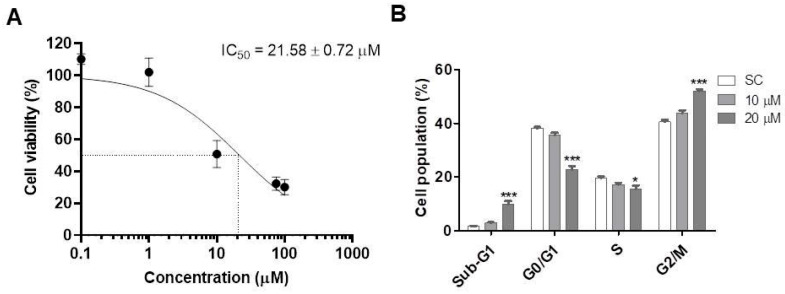 Figure 2
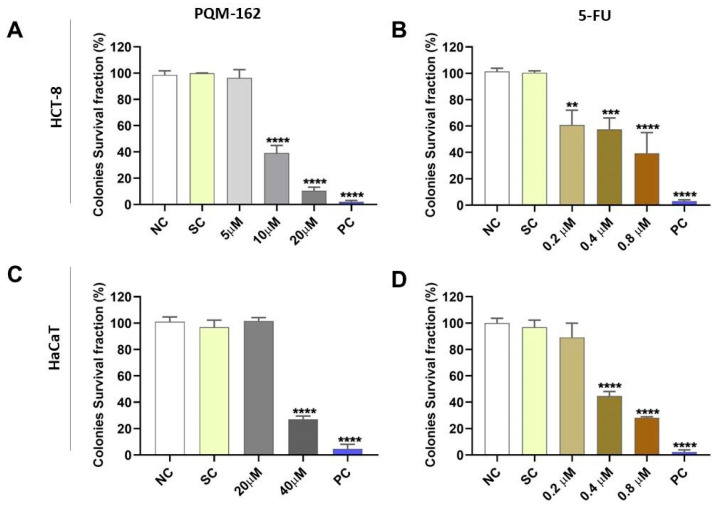 Figure 3
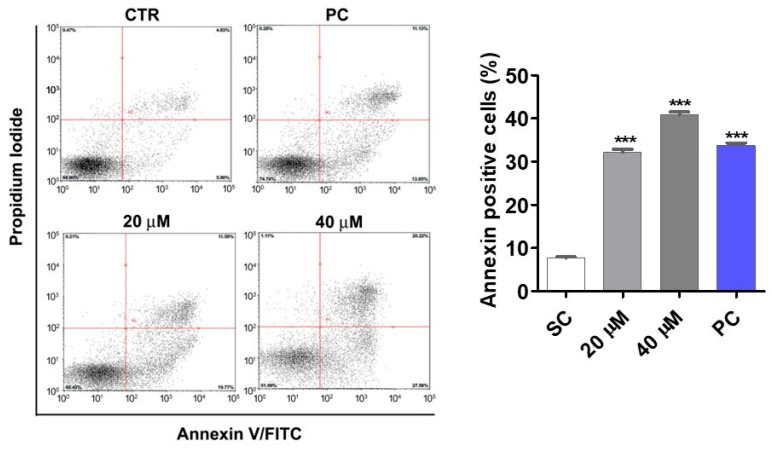 Figure 4
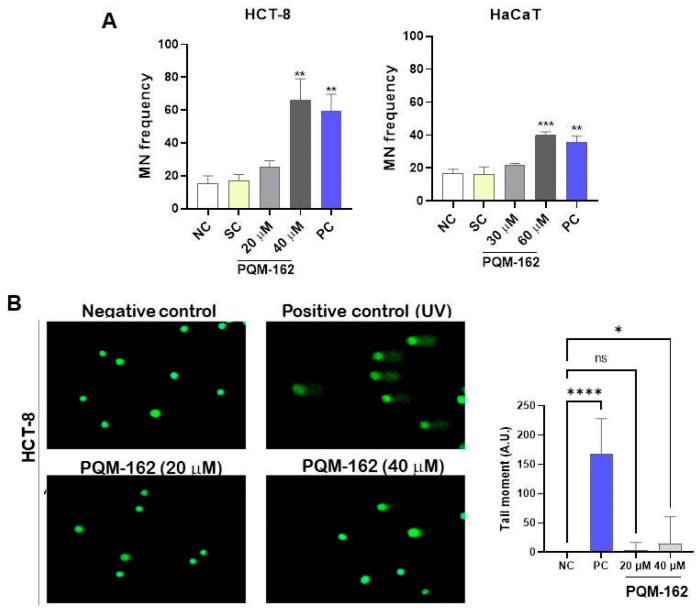 Figure 5
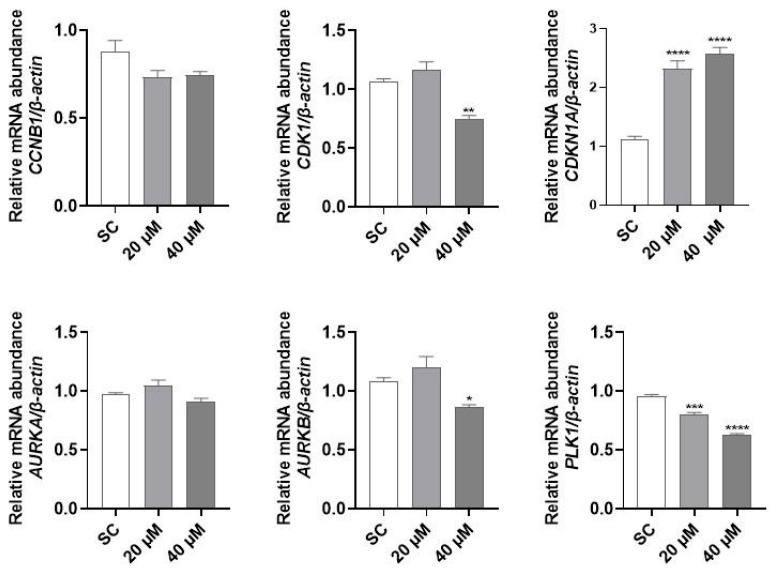 Figure 6
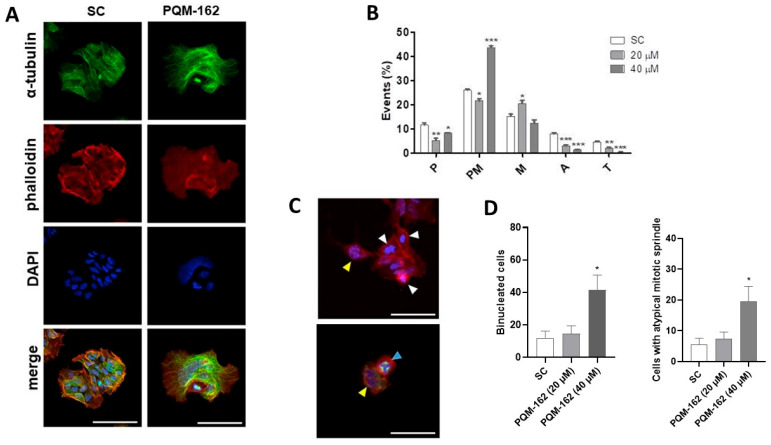 Figure 7
Peer Reviews
No public reviews on file for this paper yet. If you reviewed it on a platform where reviews are public (OpenReview, ICLR, NeurIPS, ICML), you can paste yours below so the community can read it here.
Videos
No videos yet. Explain this paper in a talk, walkthrough, or lecture? Add one.
Taxonomy
TopicsCurcumin's Biomedical Applications · Sirtuins and Resveratrol in Medicine · Genomics, phytochemicals, and oxidative stress