Molecular Epidemiology, Antimicrobial Resistance, and Clinical Characteristics of Streptococcus pneumoniae Isolated from Adult Patients with Invasive Pneumococcal Disease
Kristina Franjić Amančić, Bojana Mohar-Vitezić, Đurđica Cekinović Grbeša, Tanja Grubić Kezele, Maja Abram, Marina Bubonja-Šonje

TL;DR
This study examines the types and drug resistance of Streptococcus pneumoniae causing severe infections in adults, highlighting the prevalence of dangerous strains like serotype 19A and the ST320 clone.
Contribution
The study identifies the molecular and resistance profiles of invasive pneumococcal disease isolates, emphasizing the role of the ST320 clone in antimicrobial resistance.
Findings
Serotype 3 and 19A were the most common among invasive isolates.
The ST320 clone was frequently found in penicillin-resistant 19A isolates.
Nearly half of penicillin-resistant isolates were multidrug-resistant, often with resistance to erythromycin, clindamycin, and tetracycline.
Abstract
Background/Objectives: Streptococcus pneumoniae is a major human pathogen causing illnesses that range from mild respiratory infections to severe invasive diseases. More than 100 known S. pneumoniae serotypes differ in their virulence, prevalence, and levels of drug resistance. Additionally, different clonal types within the same serotype may exhibit varying disease potential and genetic characteristics. This study aimed to determine phenotypic and molecular characteristics of S. pneumoniae isolated from patients with invasive pneumococcal disease (IPD). Methods: The serotypes of invasive S. pneumoniae isolates collected between 2022 and 2025 from adult patients hospitalized in a tertiary hospital were determined. Multilocus sequence typing (MLST) was performed on isolates with reduced susceptibility to penicillin to assess their molecular epidemiology. Results: Serotype 3 was the most…
Genes, proteins, chemicals, diseases, species, mutations and cell lines named across the full text — each resolved to its canonical identifier and authoritative record.
Click any figure to enlarge with its caption.
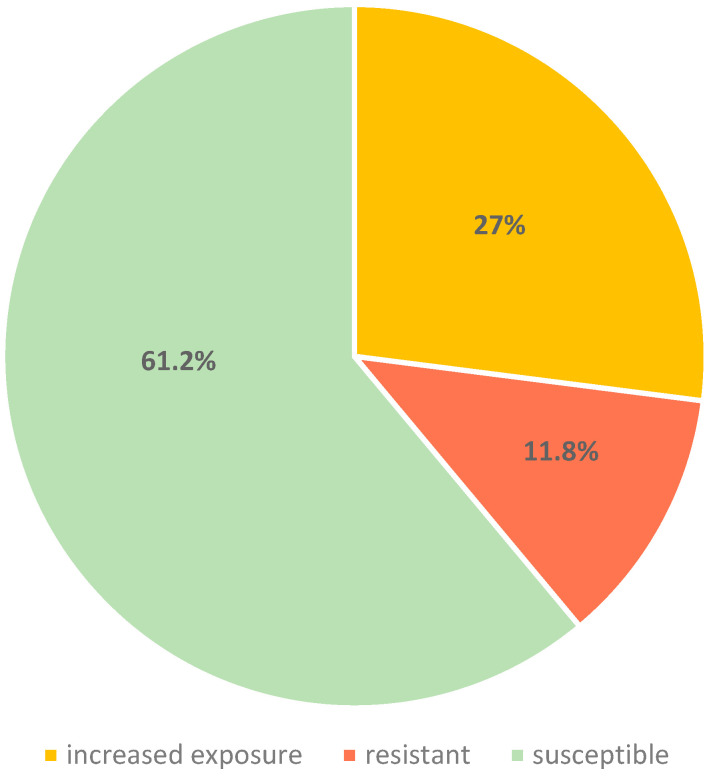 Figure 1
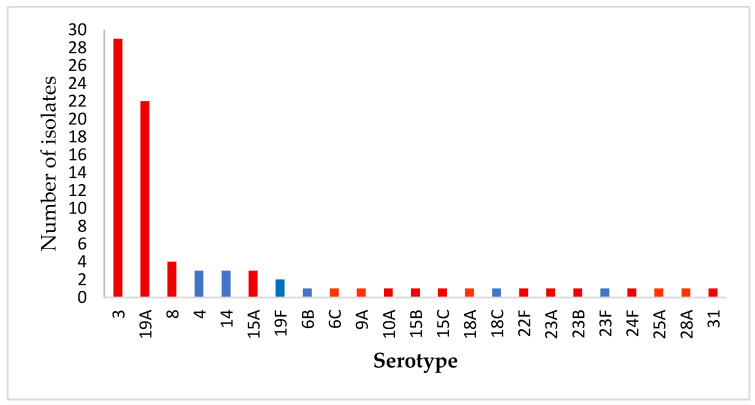 Figure 2
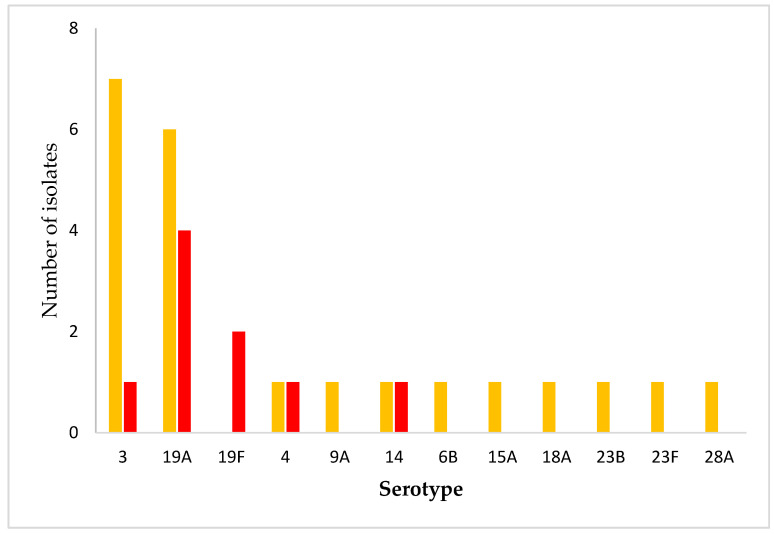 Figure 3
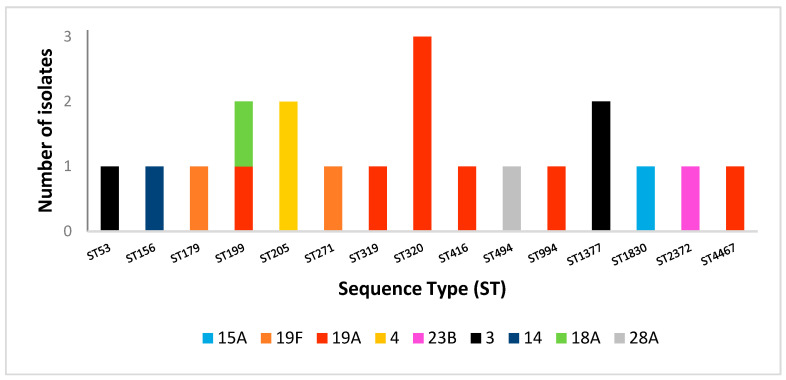 Figure 4
Peer Reviews
No public reviews on file for this paper yet. If you reviewed it on a platform where reviews are public (OpenReview, ICLR, NeurIPS, ICML), you can paste yours below so the community can read it here.
Videos
No videos yet. Explain this paper in a talk, walkthrough, or lecture? Add one.
Taxonomy
TopicsPneumonia and Respiratory Infections · Pneumocystis jirovecii pneumonia detection and treatment · Streptococcal Infections and Treatments