Mechanistic Insights into Mancozeb-Induced Redox Imbalance and Structural Remodelling Affecting the Function of Human Red Blood Cells
Sara Spinelli, Elisabetta Straface, Lucrezia Gambardella, Giuseppina Bozzuto, Daniele Caruso, Angela Marino, Silvia Dossena, Rossana Morabito, Alessia Remigante

TL;DR
This study explores how the fungicide mancozeb affects human red blood cells by causing oxidative stress and structural changes, offering insights into its potential health risks.
Contribution
The study provides new mechanistic insights into mancozeb-induced redox imbalance and structural remodeling in human red blood cells.
Findings
Mancozeb induces oxidative stress in RBCs, leading to lipid and protein oxidation and impaired Na+/K+-ATPase and AE1 function.
Mancozeb exposure alters RBC morphology, reduces deformability, and increases methemoglobin levels.
Mancozeb causes membrane-cytoskeleton disruption and EV release, but eryptosis remains minimal due to protective ER-mediated pathways.
Abstract
Mancozeb is a broad-spectrum fungicide used extensively in agriculture to protect crops against a wide range of plant diseases. Although its capacity to induce oxidative stress is well documented, the cytotoxic effects of mancozeb on red blood cells (RBCs) remain poorly characterized. The present study aimed to investigate the cytotoxic effects of mancozeb on isolated RBCs, with particular focus on oxidative stress-induced cellular and molecular alterations. Human RBCs were exposed to mancozeb (0.5–100 µM) for 24 h. No hemolytic activity was observed across the tested concentrations. However, 10 and 100 µM mancozeb induced a significant increase in intracellular reactive oxygen species (ROS), leading to lipid and protein oxidation and impaired Na+/K+-ATPase and anion exchanger 1 (AE1) function. These changes resulted in altered RBC morphology, reduced deformability, and increased…
Genes, proteins, chemicals, diseases, species, mutations and cell lines named across the full text — each resolved to its canonical identifier and authoritative record.
Click any figure to enlarge with its caption.
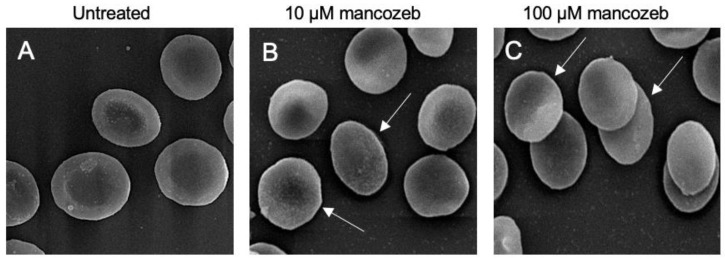 Figure 1
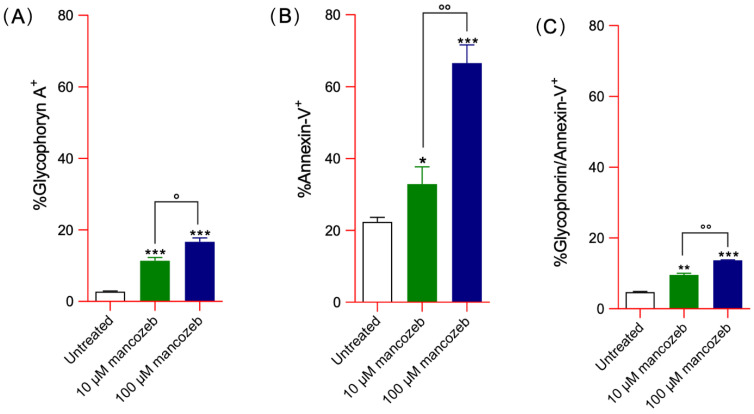 Figure 2
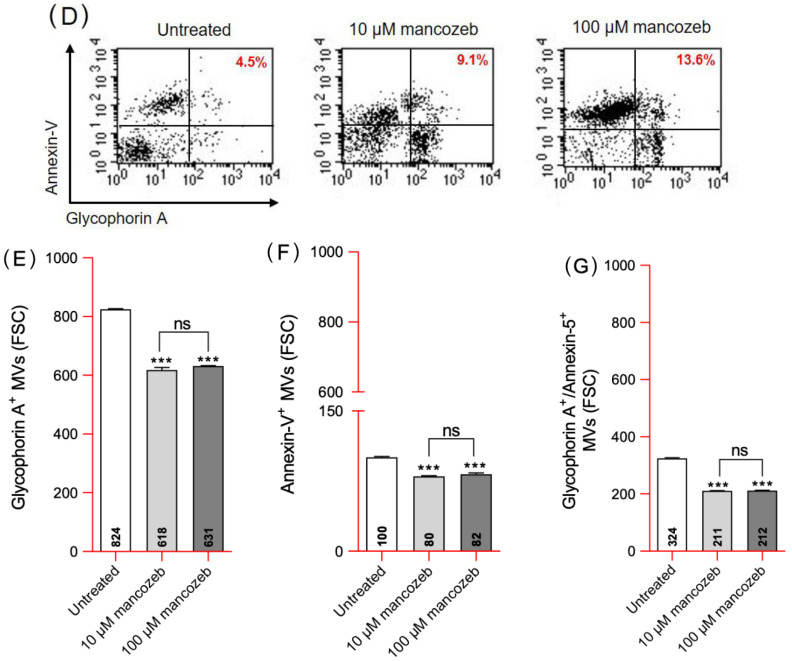 Figure 3
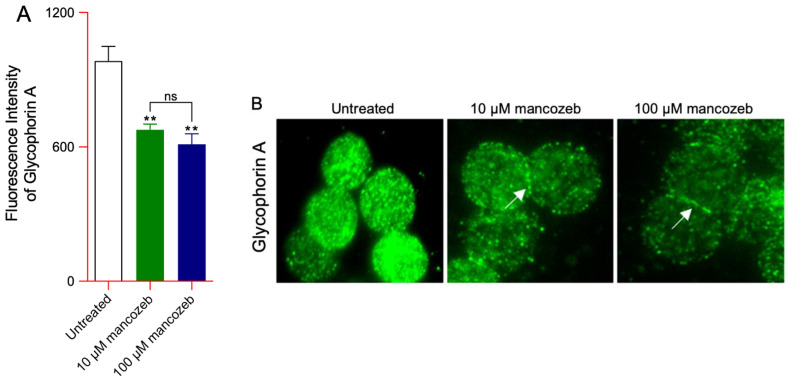 Figure 4
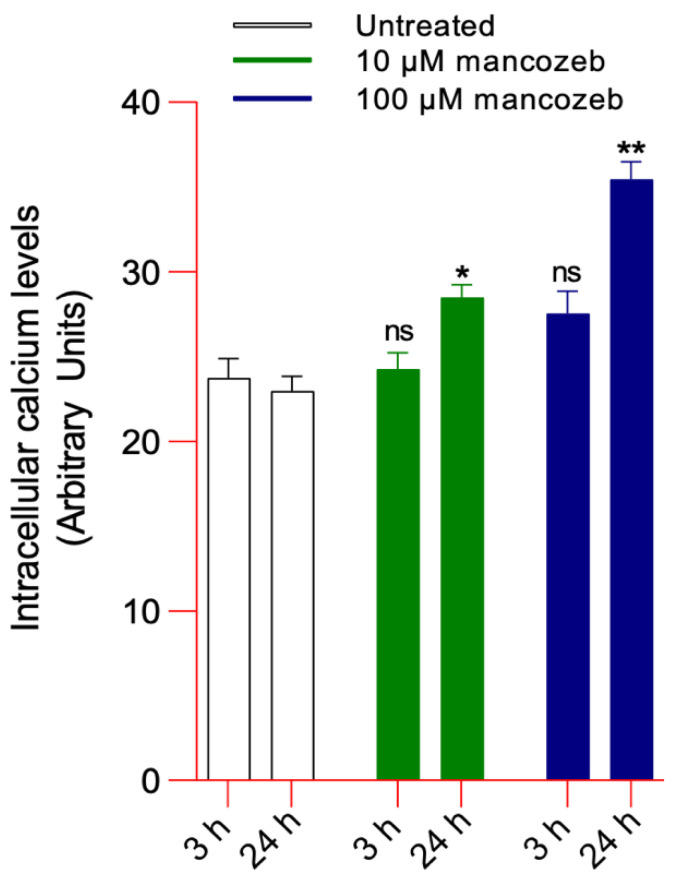 Figure 5
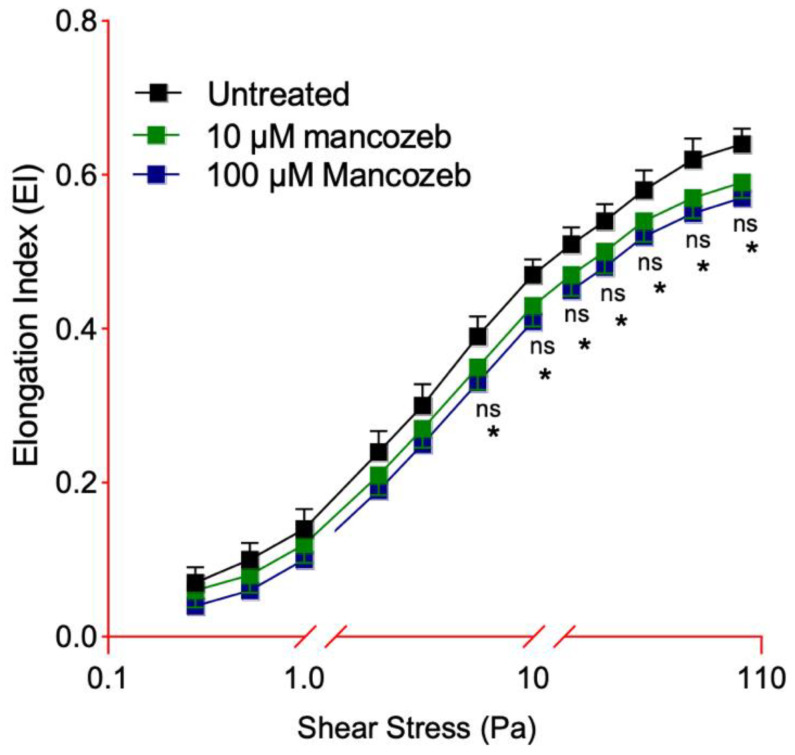 Figure 6
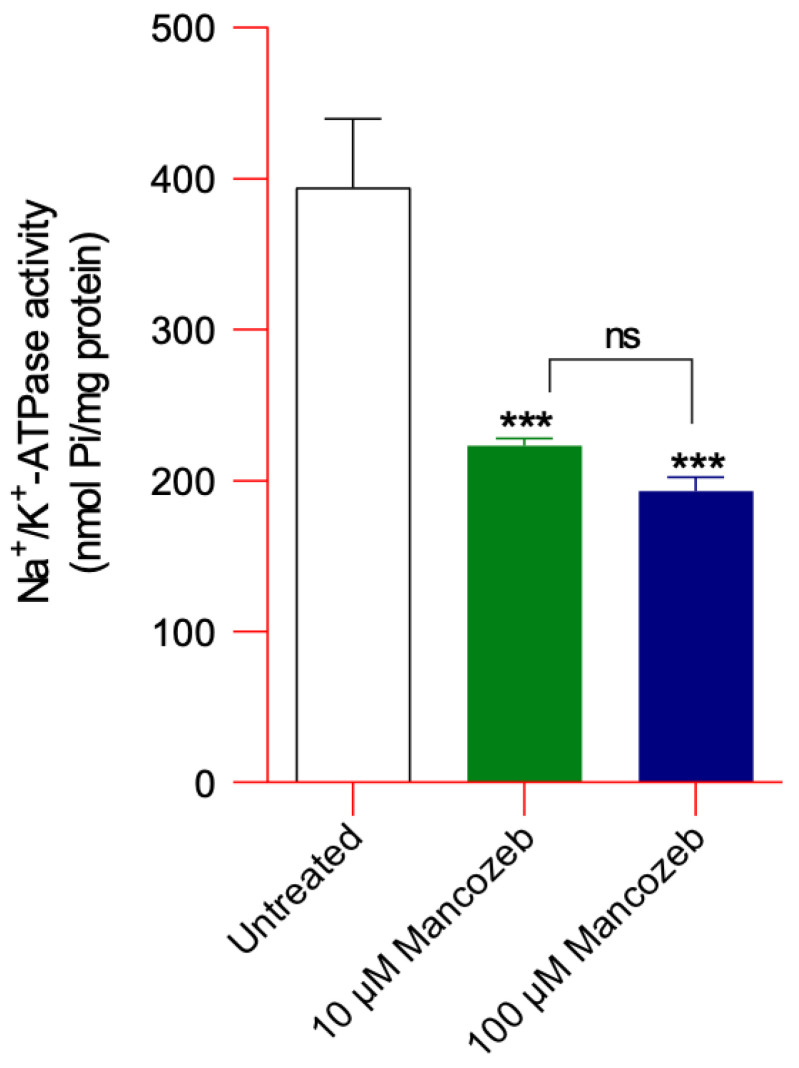 Figure 7
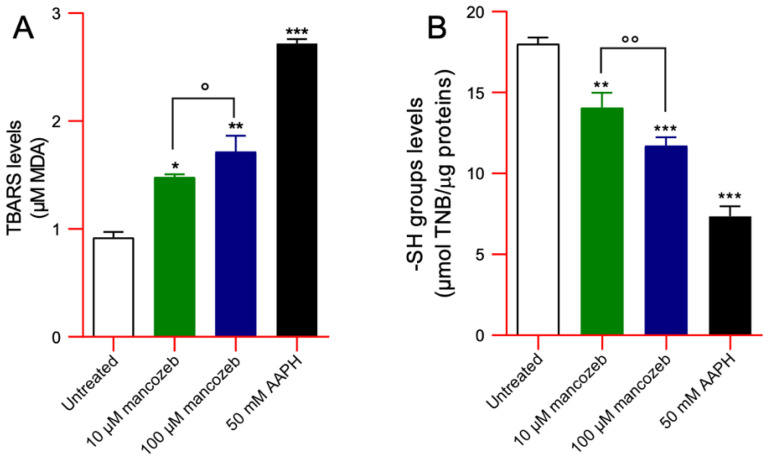 Figure 8
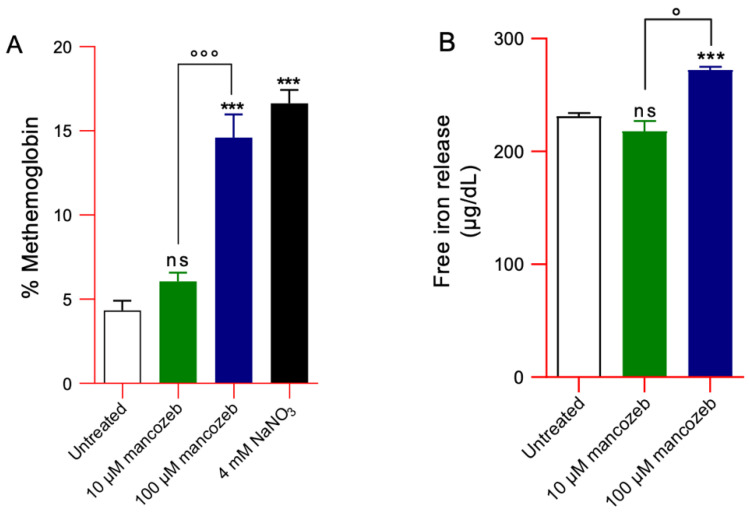 Figure 9
 Figure 10
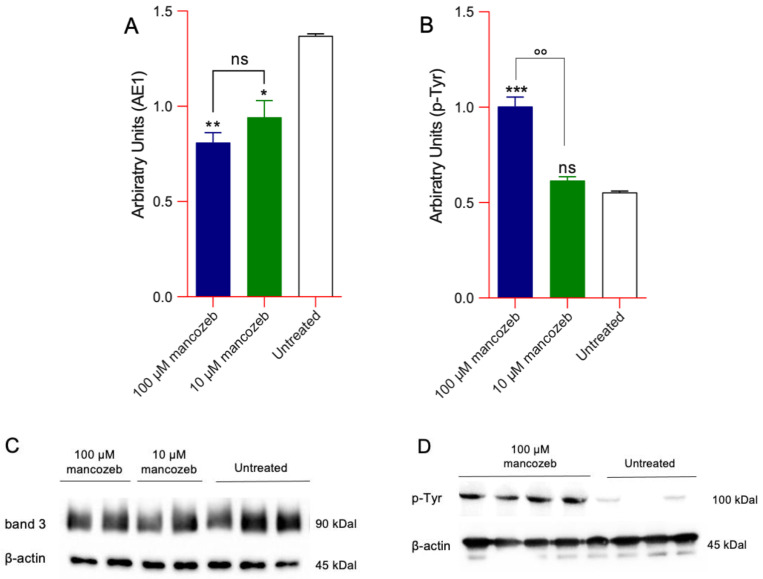 Figure 11
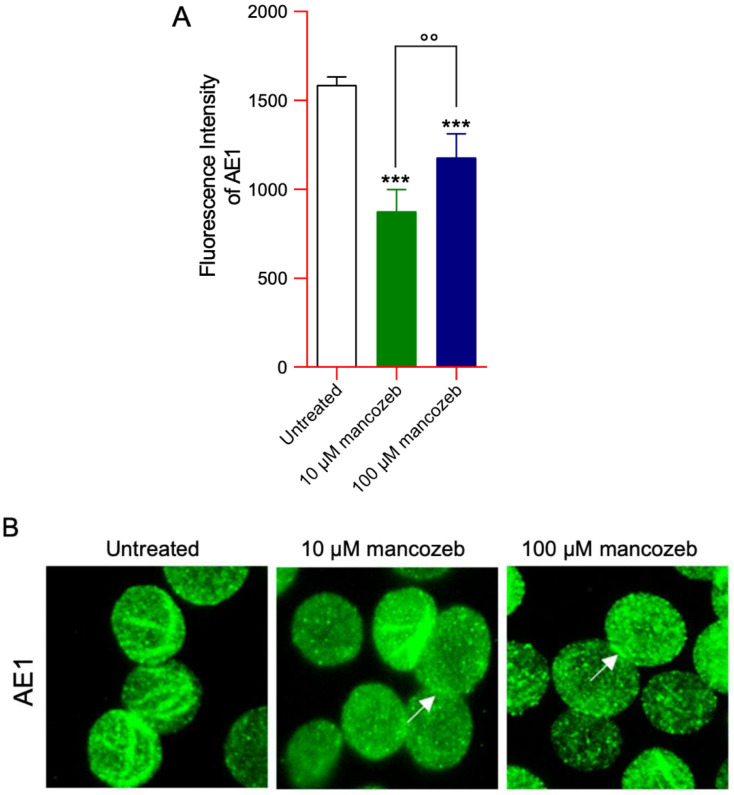 Figure 12
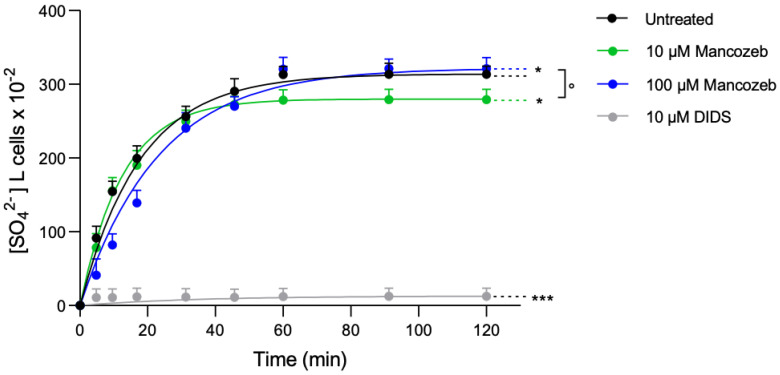 Figure 13
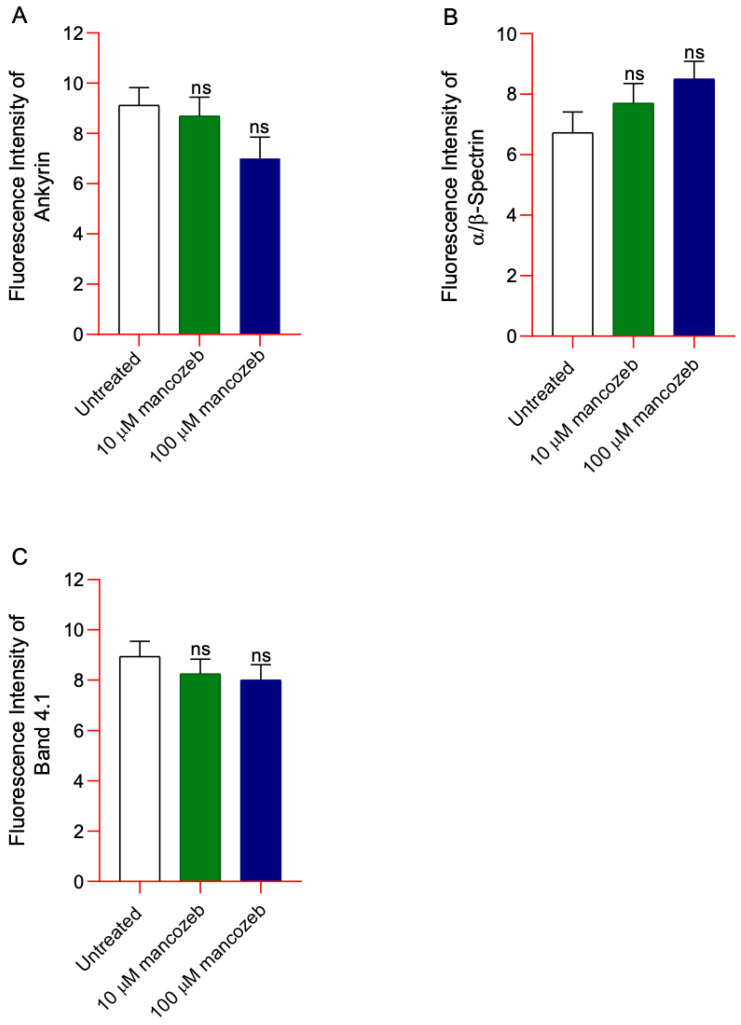 Figure 14
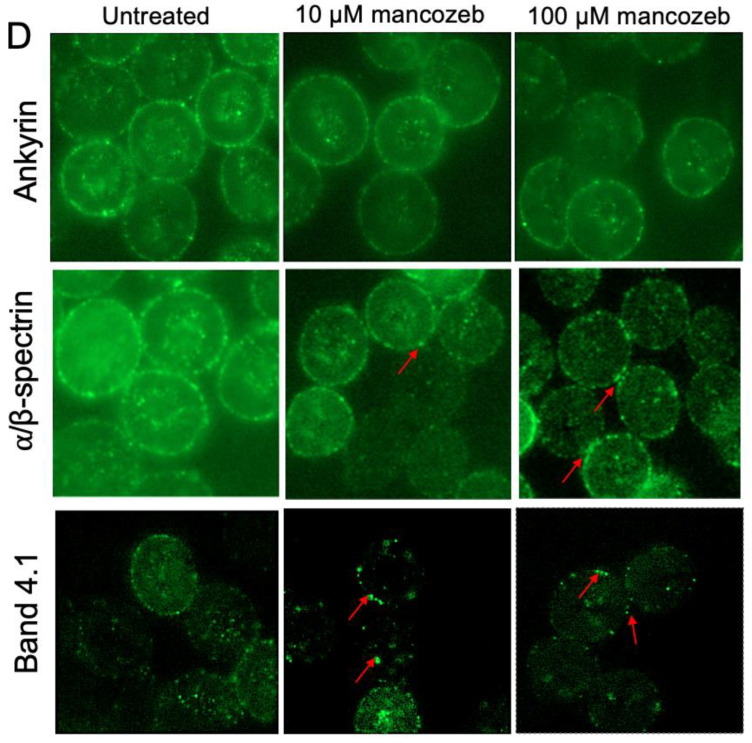 Figure 15
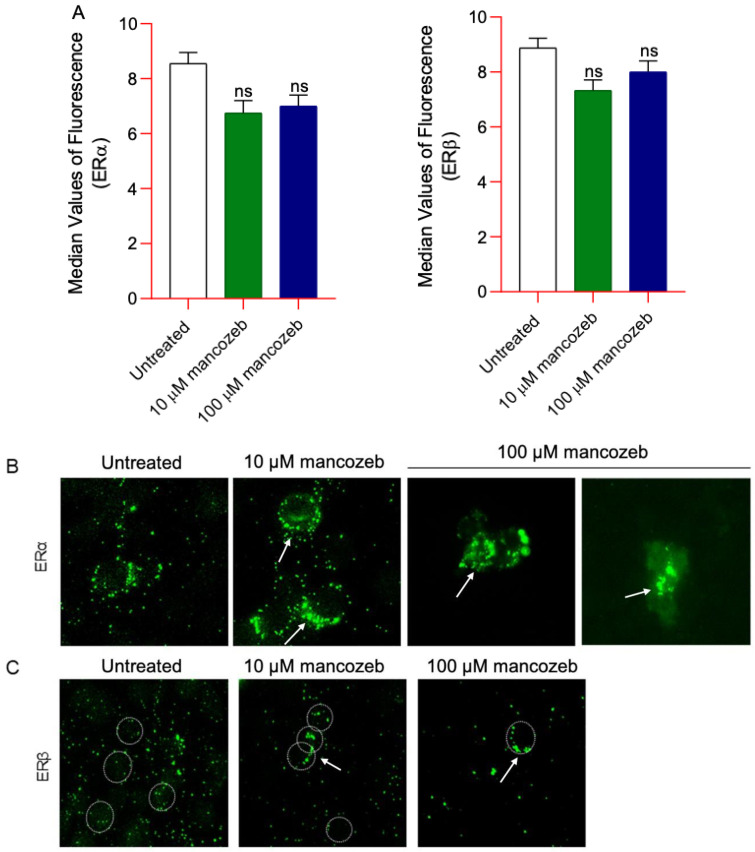 Figure 16
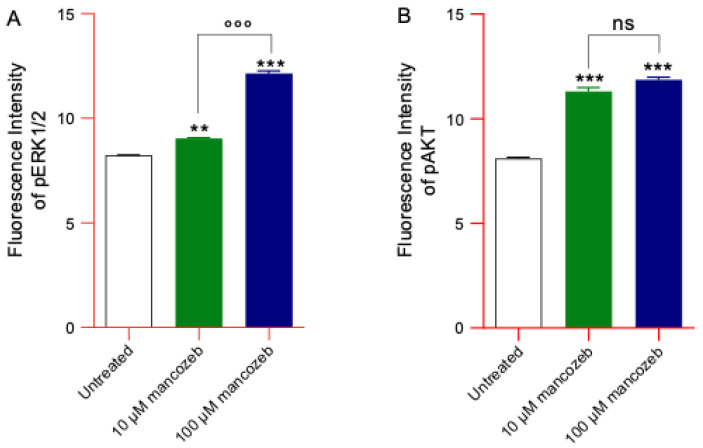 Figure 17
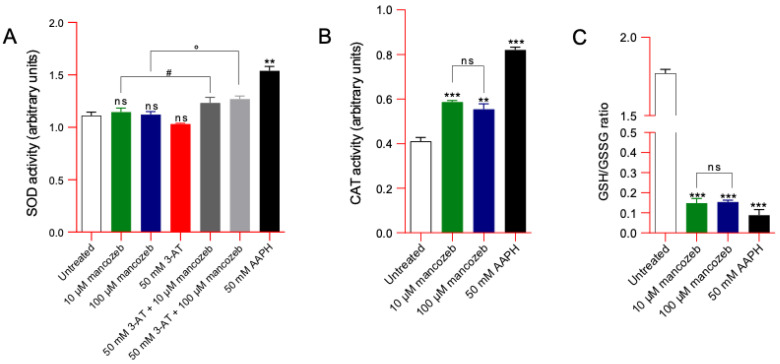 Figure 18
Peer Reviews
No public reviews on file for this paper yet. If you reviewed it on a platform where reviews are public (OpenReview, ICLR, NeurIPS, ICML), you can paste yours below so the community can read it here.
Videos
No videos yet. Explain this paper in a talk, walkthrough, or lecture? Add one.
Taxonomy
TopicsErythrocyte Function and Pathophysiology · PARP inhibition in cancer therapy · Erythropoietin and Anemia Treatment