Moderate Reduction in Dietary Protein Improves Muscle Composition and Modulates Gut Microbiota and Serum Metabolome Without Compromising Growth in Finishing Pigs
Tengfei He, Zirong Ye, Chengwan Zhou, Songyu Jiang, Linfang Yang, Yanzhi Liu, Shunqi Liu, Jianfeng Zhao, Shenfei Long, Zhaohui Chen

TL;DR
Reducing dietary protein in finishing pigs improves muscle composition and gut health without harming growth, offering a sustainable approach for pork production.
Contribution
The study shows that moderate protein reduction, when balanced with essential amino acids, can enhance pork quality and gut microbiota while reducing nitrogen emissions.
Findings
Moderate protein reduction maintained growth performance and nutrient digestibility in pigs.
Low-protein diets altered muscle fatty acid composition and amino acid profiles.
LPDs reshaped gut microbiota and serum metabolites, affecting lipid and amino acid metabolism.
Abstract
Reducing dietary protein is an effective way to decrease nitrogen emissions and feed costs in pig production, but concerns remain about whether this affects growth performance and meat quality. This study examined how low-protein diets (LPDs) affect growth, meat quality, gut microbiota, and metabolism in finishing pigs. Results showed that moderate protein reduction, when balanced with essential amino acids, maintained growth and nutrient digestibility. However, protein levels influenced muscle fatty acid composition and amino acid profiles. LPDs also reshaped gut microbiota and serum metabolites, indicating adjustments in lipid and amino acid metabolism. Overall, moderate protein reduction can improve meat quality and gut health while reducing nitrogen output, offering a sustainable nutritional strategy for swine production. Reducing dietary crude protein (CP) while sustaining growth…
Genes, proteins, chemicals, diseases, species, mutations and cell lines named across the full text — each resolved to its canonical identifier and authoritative record.
Click any figure to enlarge with its caption.
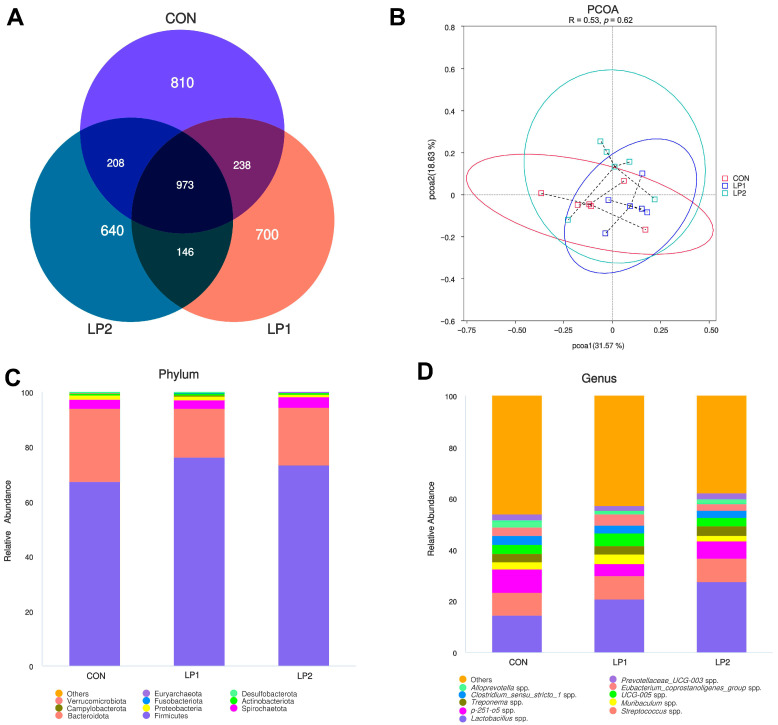 Figure 1
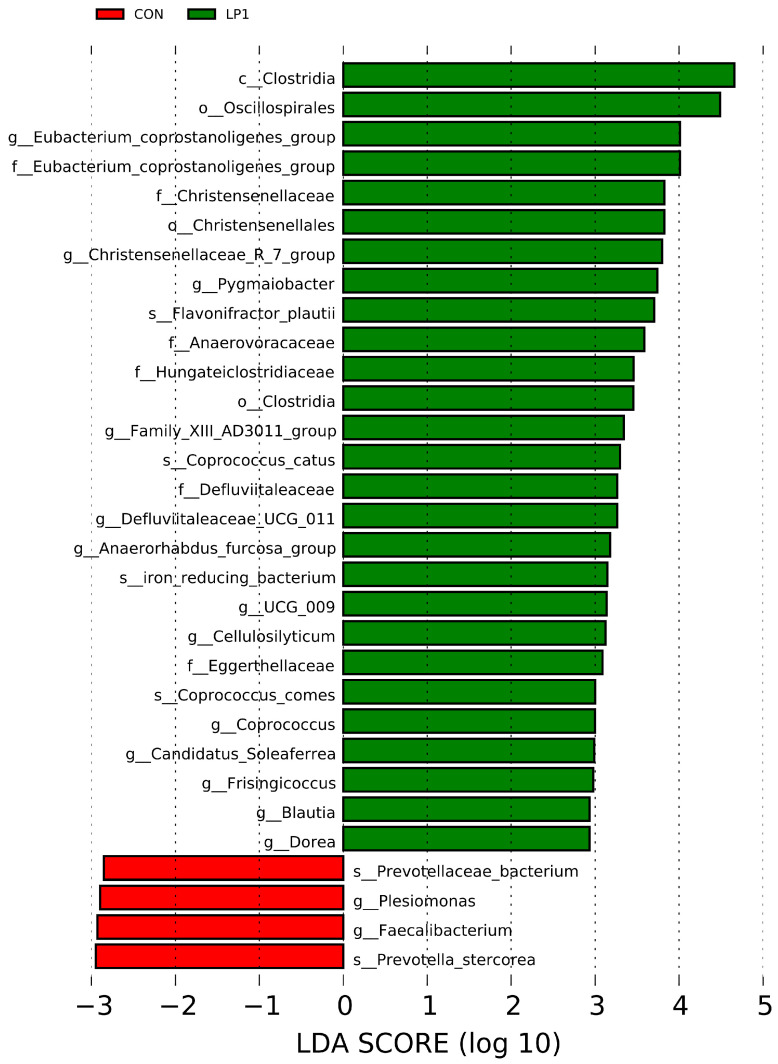 Figure 2
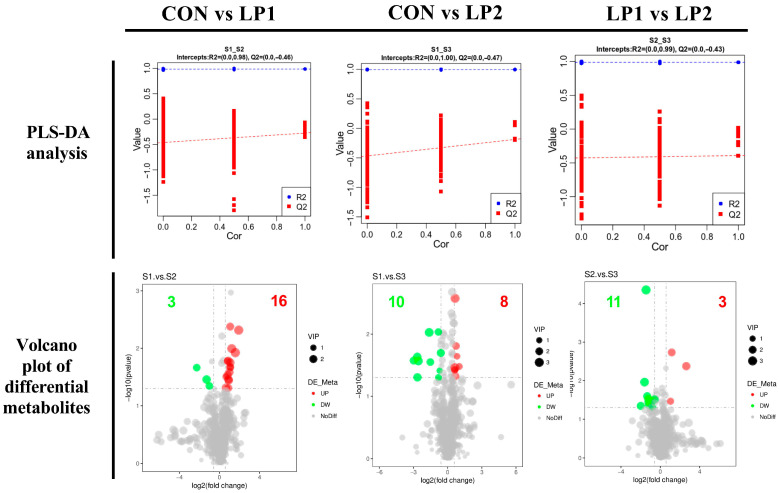 Figure 3
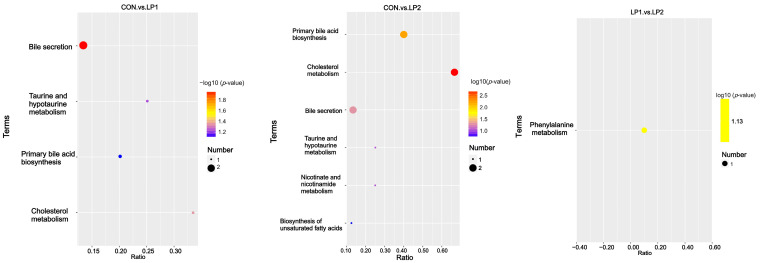 Figure 4
Peer Reviews
No public reviews on file for this paper yet. If you reviewed it on a platform where reviews are public (OpenReview, ICLR, NeurIPS, ICML), you can paste yours below so the community can read it here.
Videos
No videos yet. Explain this paper in a talk, walkthrough, or lecture? Add one.
Taxonomy
TopicsAnimal Nutrition and Physiology · Meat and Animal Product Quality · Animal Behavior and Welfare Studies