Comparison of Rhythmic Auditory Stimulation Gait Training with and Without Vibrotactile Feedback on Balance and Gait in Persons with Stroke: A Randomized Controlled Trial
Su-Jin Kim, Sun-Min Kim, Sang-Hun Jang

TL;DR
This study compares gait training with and without vibrotactile feedback in stroke patients, finding that adding feedback improves balance and walking performance more effectively.
Contribution
The novel contribution is demonstrating that combining rhythmic auditory stimulation with vibrotactile feedback provides greater gait and balance improvements than using auditory stimulation alone.
Findings
Both RAS-V and RG groups showed significant improvements in balance and gait within their groups.
The RAS-V group showed significantly greater improvements in gait velocity, cadence, and 10 mWT compared to the RG group.
RAS-V led to better TUG scores and overall gait performance than RAS alone.
Abstract
Background: Although both rhythmic auditory stimulation (RAS) and vibrotactile feedback have been shown to yield beneficial effects in stroke rehabilitation, evidence regarding their combined application remains limited. This study investigates the effects of RAS gait training alone (RG) versus RAS combined with vibrotactile feedback (RAS-V) on balance and gait in individuals post-stroke. Methods: Twenty-two people with stroke were randomly assigned to either an RAS-V or an RG group. The RAS-V group performed RAS gait training combined with vibrotactile feedback while the RG group performed RAS gait training. Both groups participated in 30-min gait training sessions, 5 times a week for 4 weeks. Balance ability was assessed using the Berg Balance Scale (BBS) and Timed Up and Go test (TUG). Gait ability was evaluated using the G-Walk gait analyzer and the 10-m Walk Test (10 mWT),…
Genes, proteins, chemicals, diseases, species, mutations and cell lines named across the full text — each resolved to its canonical identifier and authoritative record.
Click any figure to enlarge with its caption.
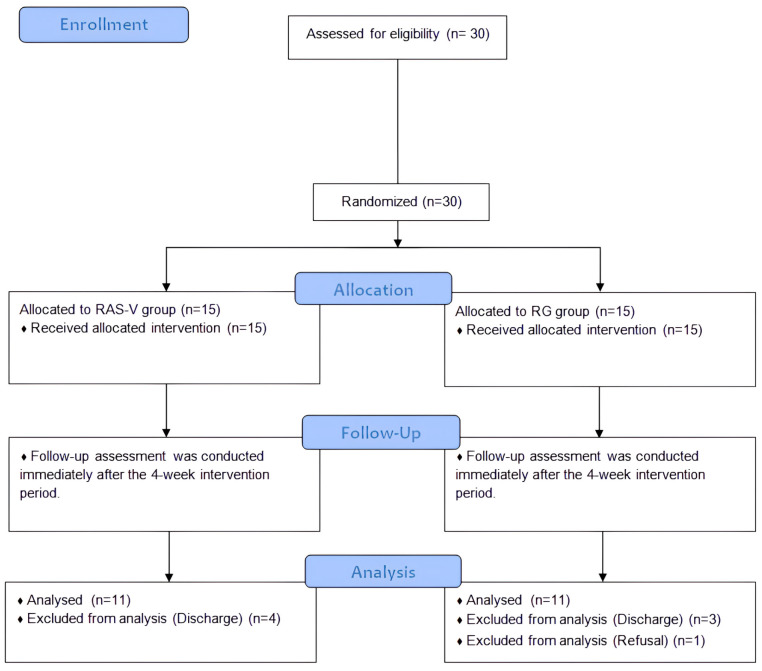 Figure 1
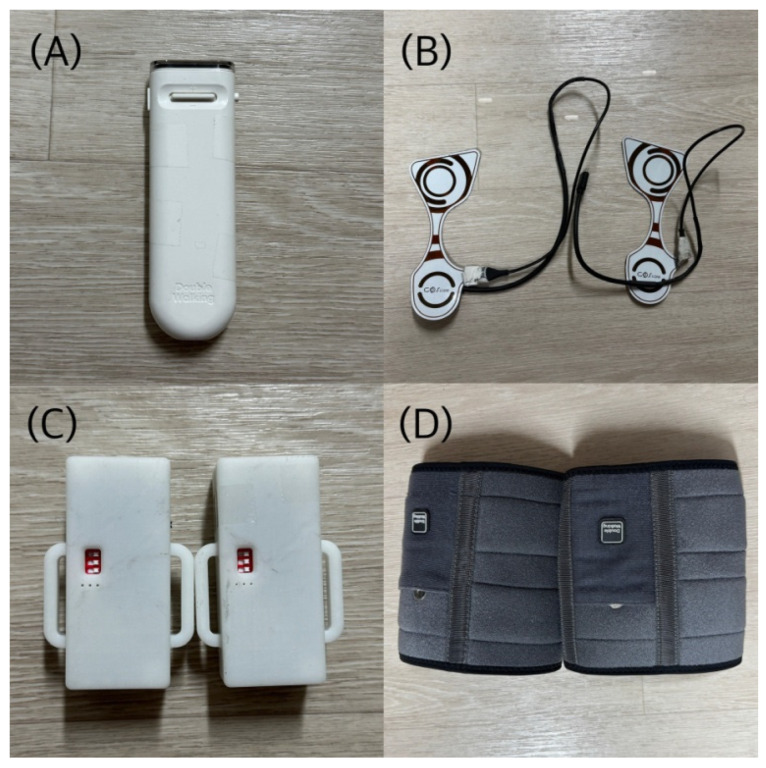 Figure 2
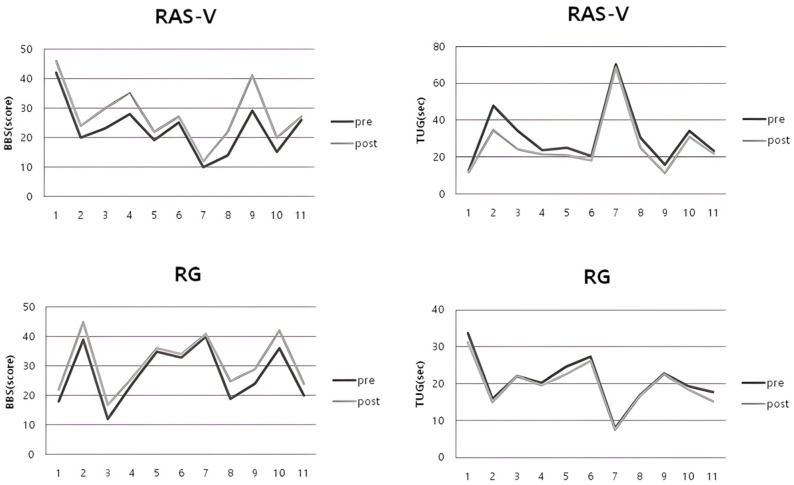 Figure 3
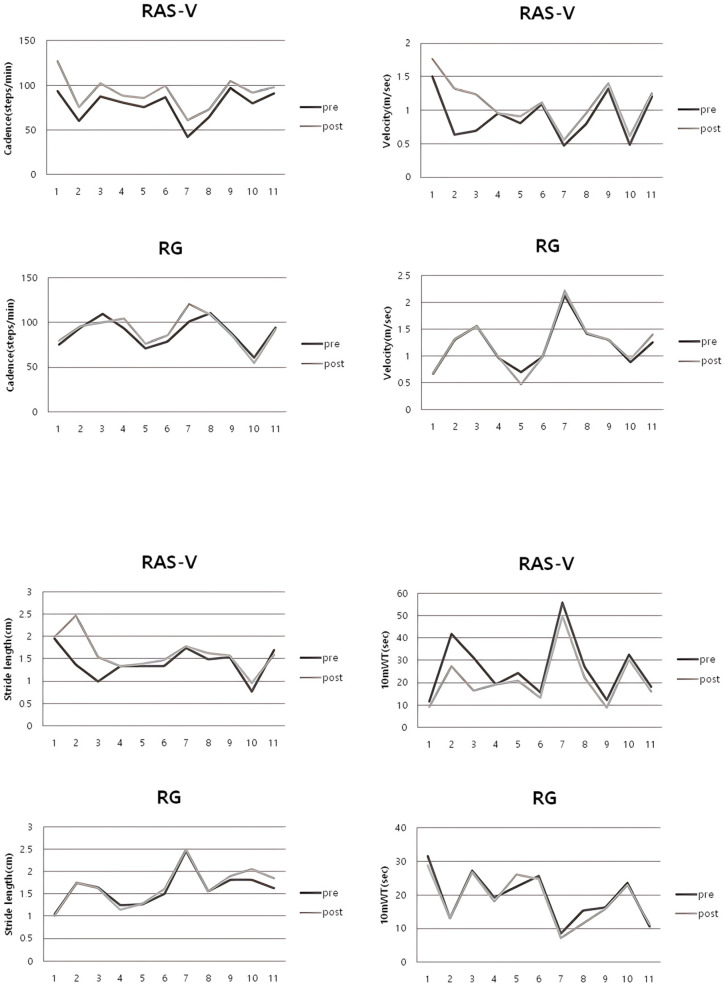 Figure 4
Peer Reviews
No public reviews on file for this paper yet. If you reviewed it on a platform where reviews are public (OpenReview, ICLR, NeurIPS, ICML), you can paste yours below so the community can read it here.
Videos
No videos yet. Explain this paper in a talk, walkthrough, or lecture? Add one.
Taxonomy
TopicsTactile and Sensory Interactions · Balance, Gait, and Falls Prevention · Hearing Loss and Rehabilitation