Topical over Dermal Versus Transdermal Application of Cyanoacrylate in Wound Synthesis and Its Effects on Healing—Experimental Study
Inácio Silva Viana, Paula Alessandra Di Filippo, Gabriel João Unger Carra, Francielli Pereira Gobbi, Lara Souza Ribeiro, Rachel Bittencourt Ribeiro, Fernando Antônio M. Petri, Maria Luíza Favero, Luíza Maria Feitosa Ribeiro, Eulogio Carvalho Queiroz Carvalho, Paulo Aléscio Canola

TL;DR
This study compares how applying cyanoacrylate adhesives on or through the skin affects wound healing in rats, finding that application method impacts healing more than adhesive type.
Contribution
The study introduces a novel comparison of topical over dermal versus transdermal application methods of cyanoacrylate adhesives in wound healing.
Findings
Transdermal application showed improved mononuclear cell activity but higher inflammation and oxidative stress.
Topical over dermal application resulted in better-aligned wound edges and collagen production for scar resolution.
Application technique had a greater impact on healing than the type of cyanoacrylate monomer used.
Abstract
Cyanoacrylate-based adhesives are commonly used for wound closure due to their short synthesis time, aesthetic outcomes, and minimal discomfort. However, reported adverse effects include the release of cytotoxic metabolites, inflammation, and foreign body reactions. This study evaluated and compared the effectiveness of three cyanoacrylate-based adhesives for skin incision closure in Rattus norvegicus. The subjects were divided into three groups based on the type of monomer: G1 (n-2-ethyl-cyanoacrylate), G2 (n-2-butyl-cyanoacrylate), and G3 (n-2-octyl-cyanoacrylate). Each animal received two 2 cm paramedian incisions, which were closed using either a topical over dermal (OD) or a topical transdermal (TD) application, resulting in two subgroups per group. Wounds were evaluated on postoperative days 3, 7, 14, and 21 to compare the different monomers and application techniques. Assessment…
Genes, proteins, chemicals, diseases, species, mutations and cell lines named across the full text — each resolved to its canonical identifier and authoritative record.
Click any figure to enlarge with its caption.
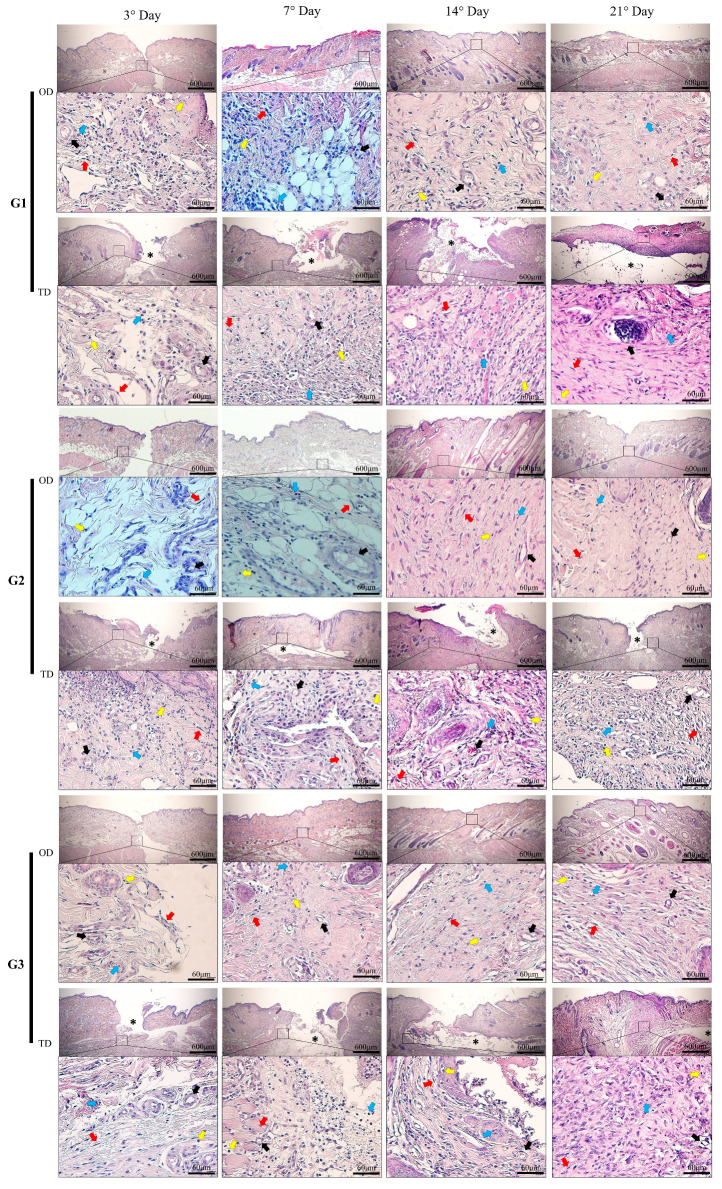 Figure 1
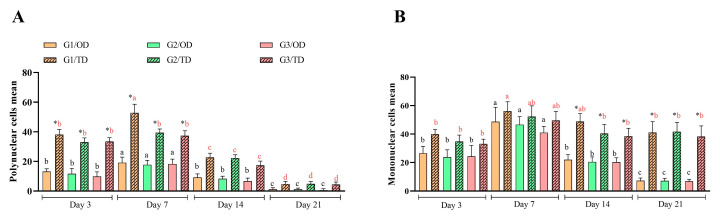 Figure 2
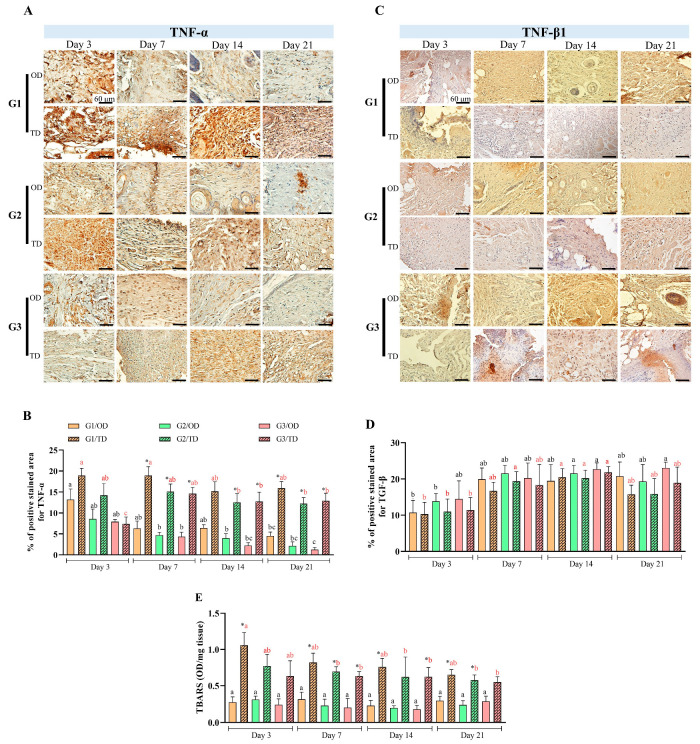 Figure 3
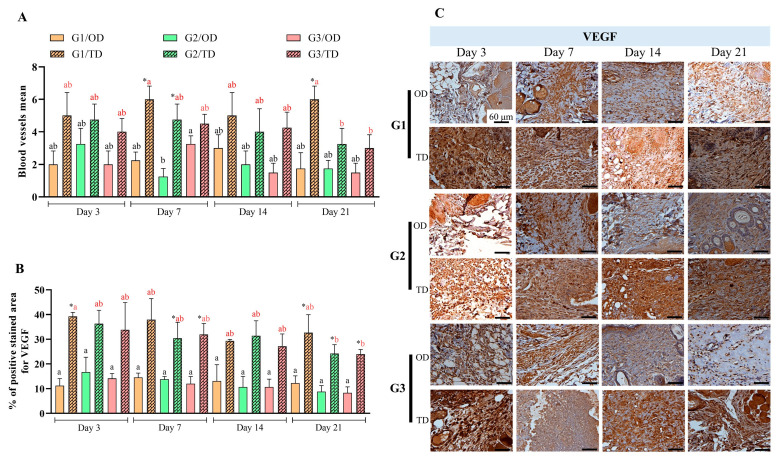 Figure 4
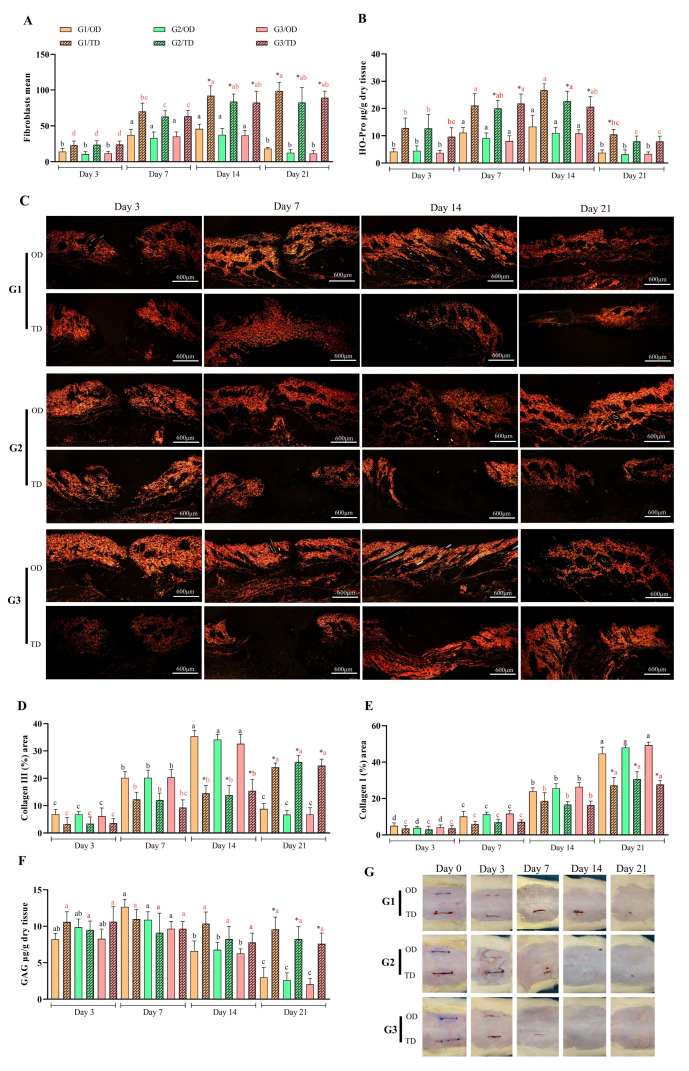 Figure 5
Peer Reviews
No public reviews on file for this paper yet. If you reviewed it on a platform where reviews are public (OpenReview, ICLR, NeurIPS, ICML), you can paste yours below so the community can read it here.
Videos
No videos yet. Explain this paper in a talk, walkthrough, or lecture? Add one.
Taxonomy
TopicsSurgical Sutures and Adhesives · Wound Healing and Treatments · Hemostasis and retained surgical items