The Indoor Environment at the University Equestrian Facility in the Autumn Semester: A Case Study
Pavel Kic, Marie Wohlmuthová

TL;DR
This study assesses the indoor environment of a university equestrian facility in autumn, finding good temperature and CO2 levels but high dust levels affecting health.
Contribution
The study provides empirical data on indoor environmental conditions in a university equestrian facility and their potential health impacts.
Findings
High dust concentrations, especially large particles, were found to affect air quality and health.
PM10 and PM2.5 levels during cleaning were significantly higher than during bedding.
Sound pressure levels remained within safe limits despite proximity to an airport.
Abstract
This article evaluates the basic parameters of the indoor environment, such as temperature and humidity, CO2 concentration, airborne dust concentration, and noise in the operating conditions of a university horse farm during the autumn semester. The measurements showed that the conditions inside the stable were favorable in terms of temperature and humidity as well as CO2 concentration during this period. However, the air quality is worsened by the high concentration of dust, especially during cleaning, which can have a bad effect not only on the stabled horses but also on the workers, students, and members of the riding club. The airborne dust was characterized by a high proportion of the largest dust particles. Analysis of the measurement results showed that there was no difference between the average concentration of PM10 dust particles during bedding with straw or a mixture of…
Genes, proteins, chemicals, diseases, species, mutations and cell lines named across the full text — each resolved to its canonical identifier and authoritative record.
Click any figure to enlarge with its caption.
 Figure 1
 Figure 2
 Figure 3
 Figure 4
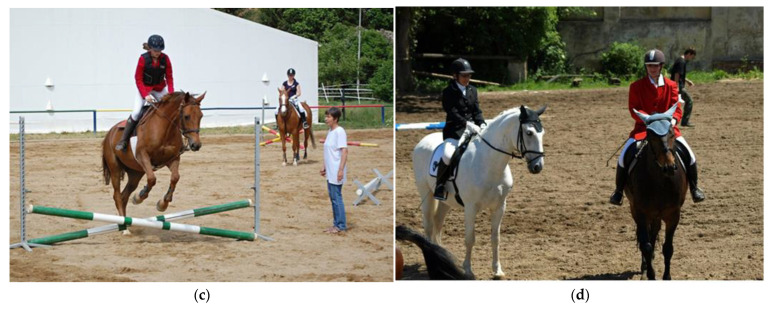 Figure 5
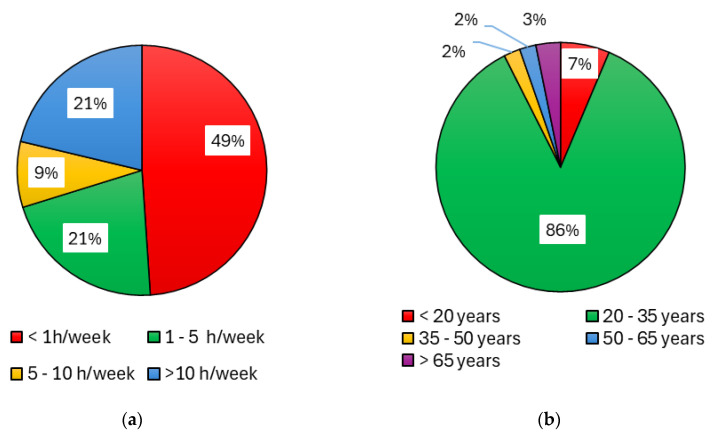 Figure 6
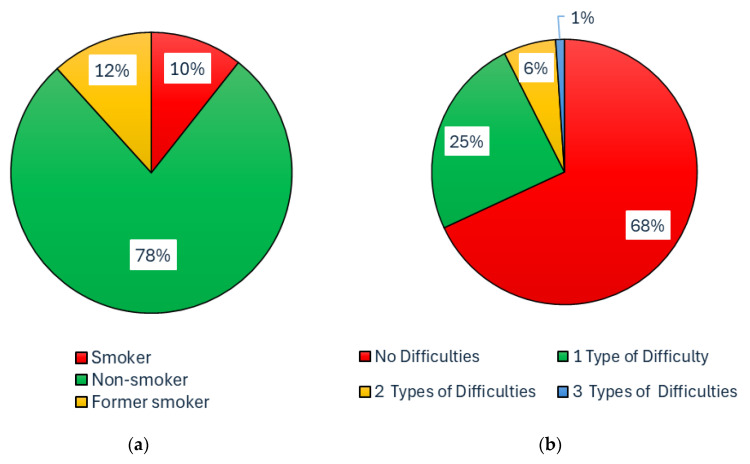 Figure 7
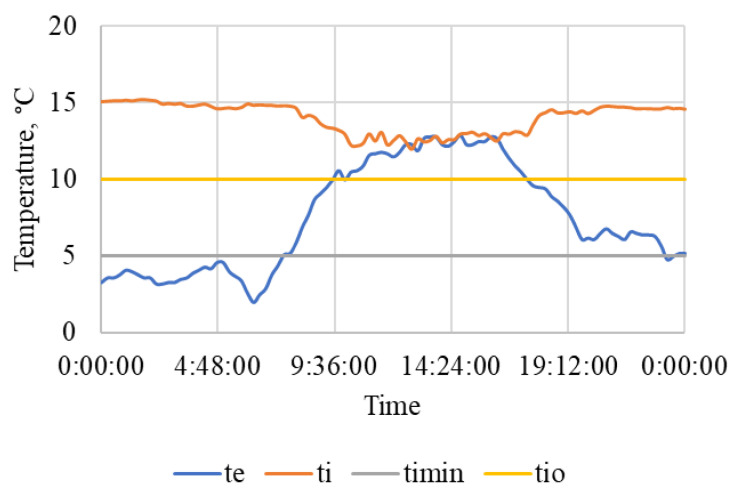 Figure 8
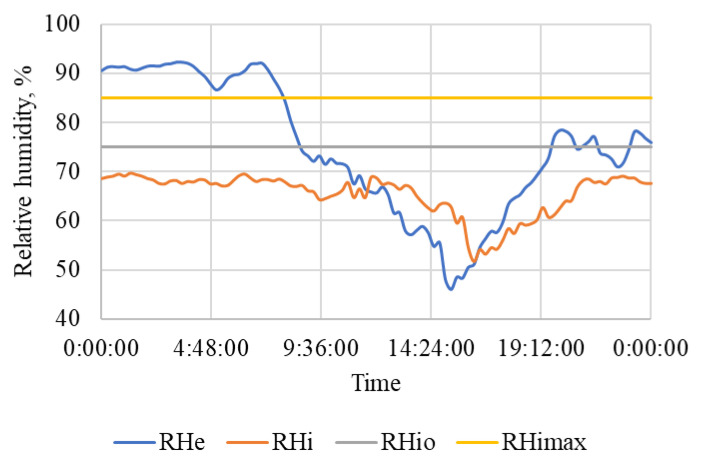 Figure 9
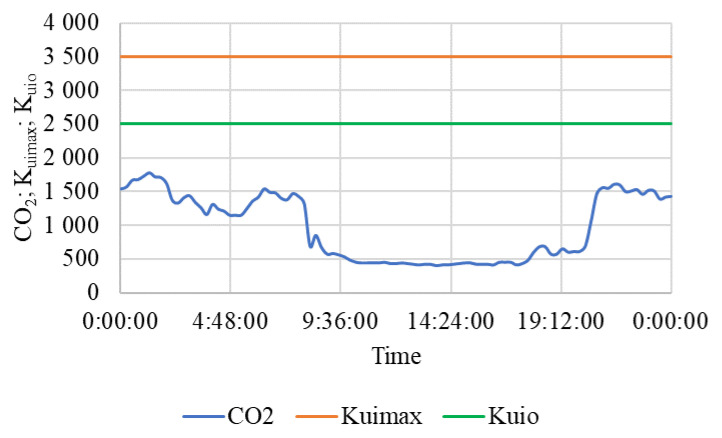 Figure 10
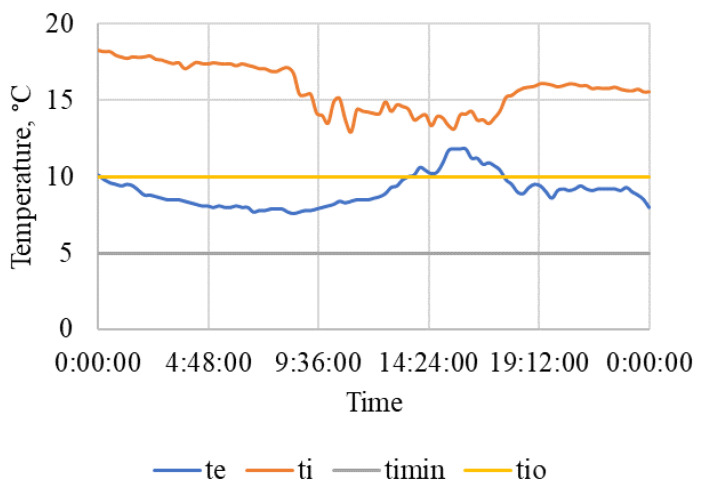 Figure 11
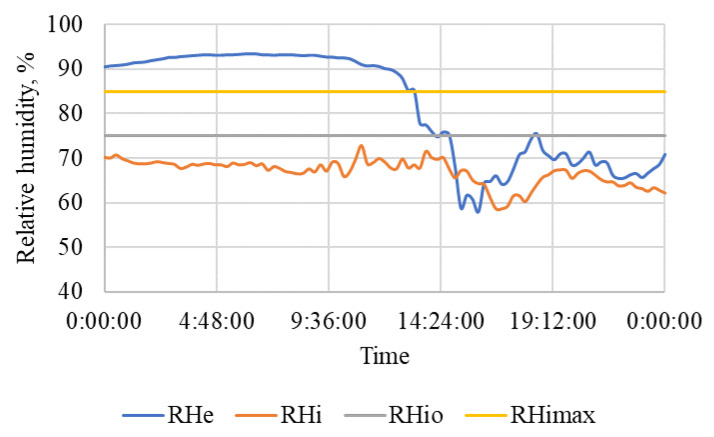 Figure 12
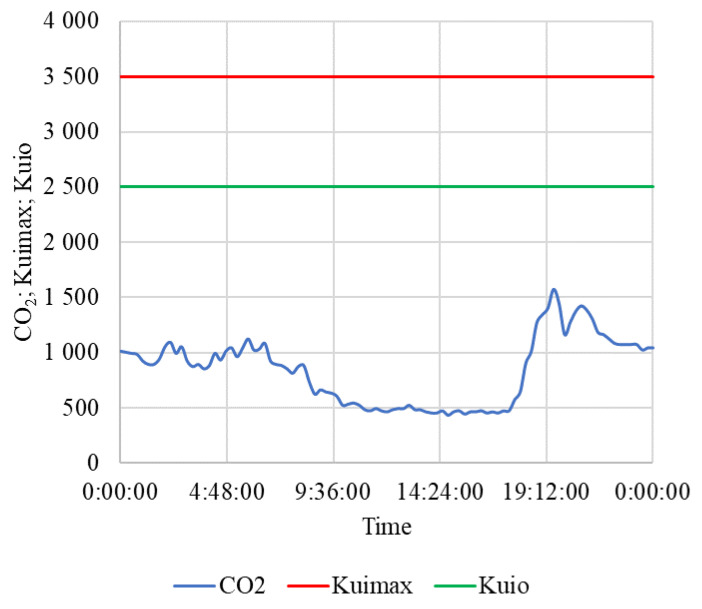 Figure 13
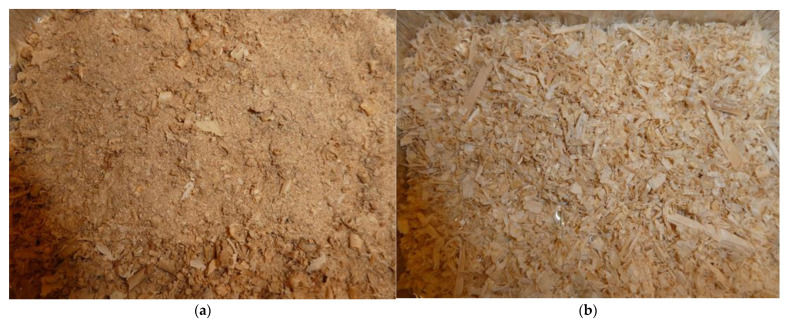 Figure 14
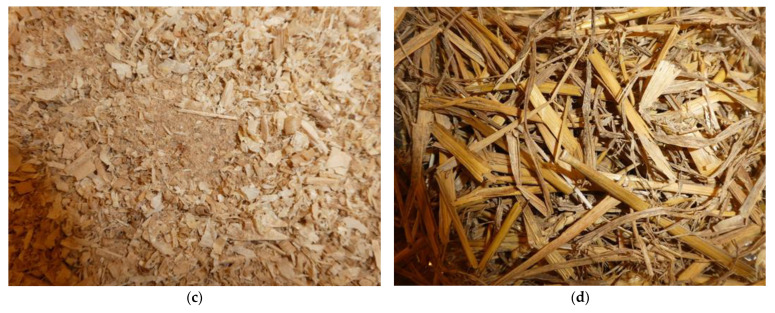 Figure 15
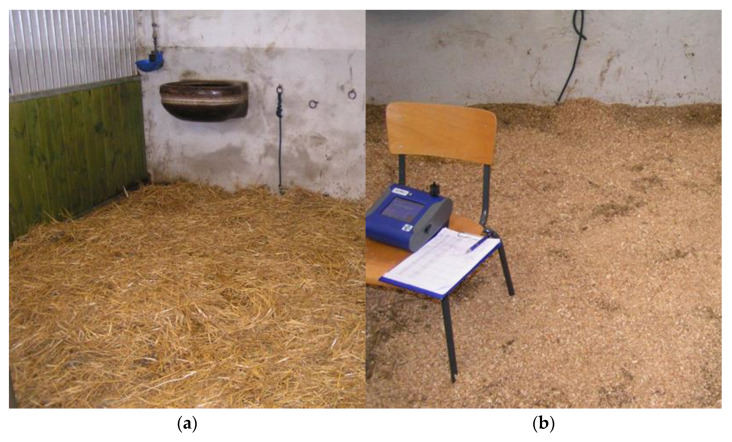 Figure 16
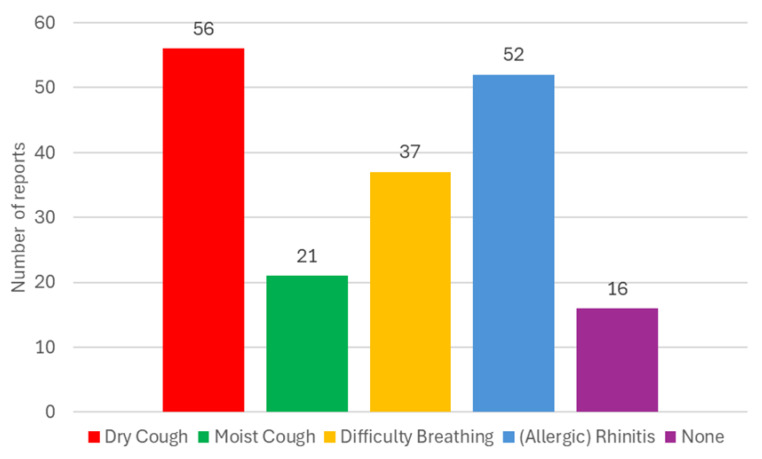 Figure 17
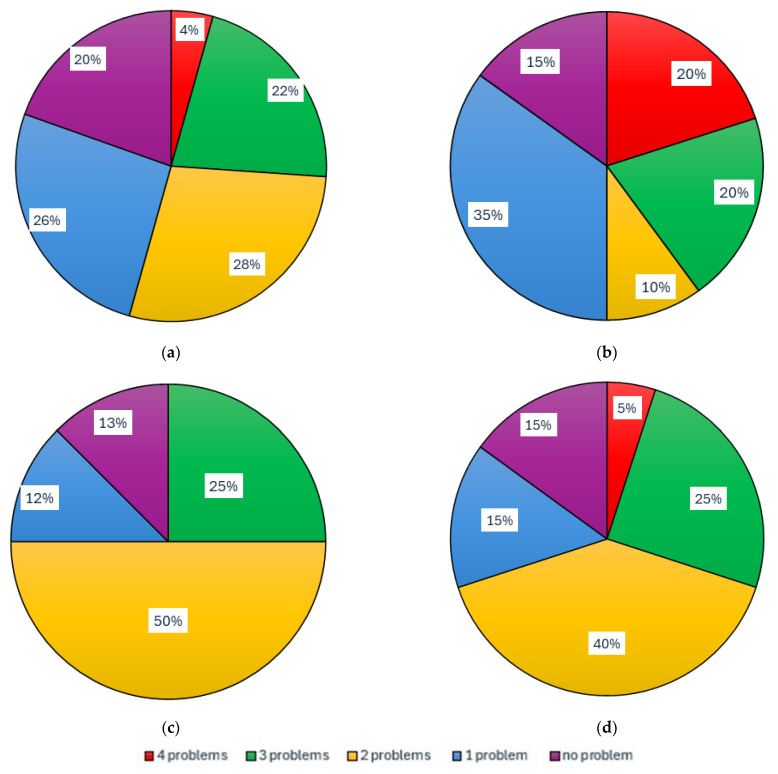 Figure 18
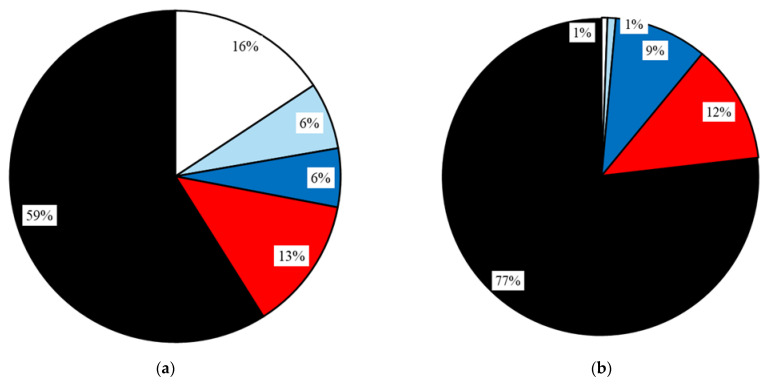 Figure 19
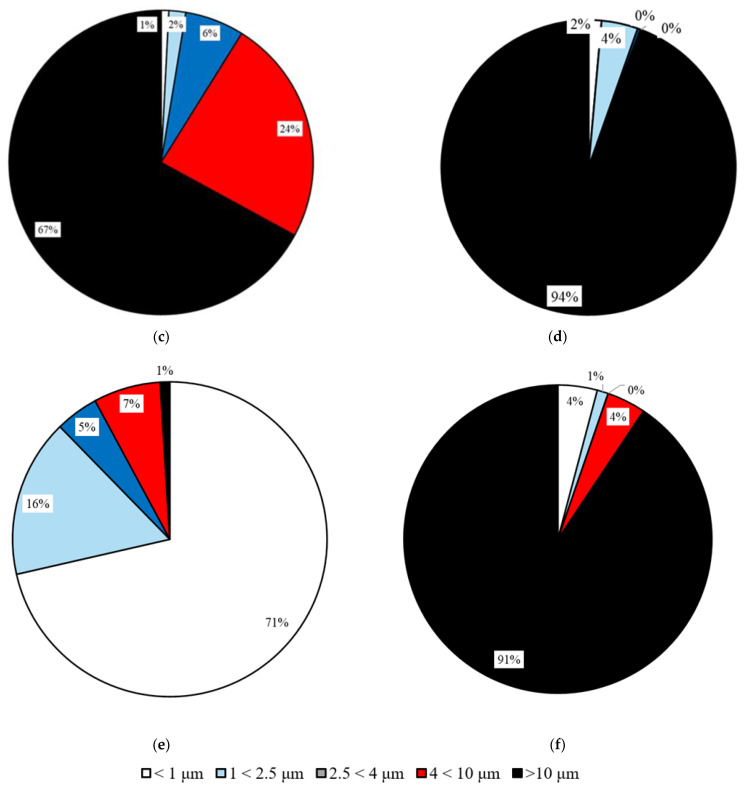 Figure 20
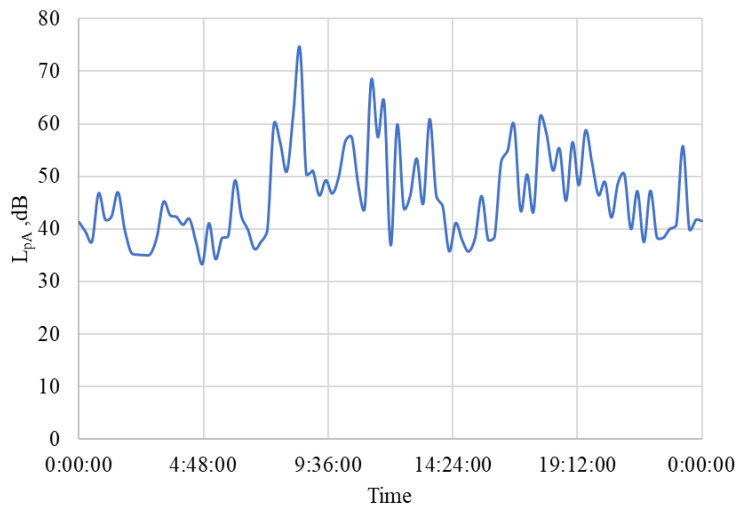 Figure 21
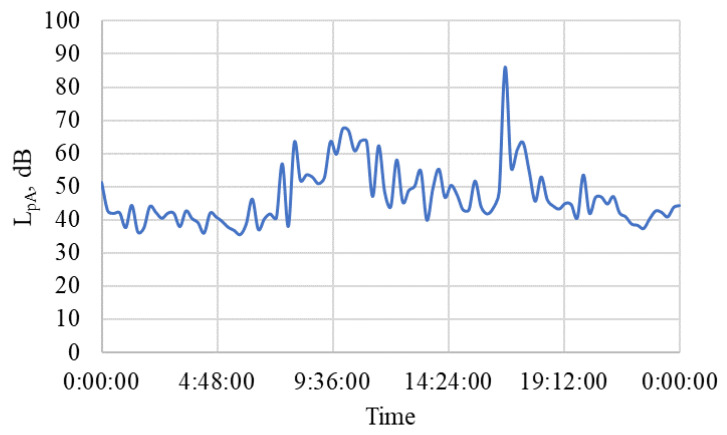 Figure 22
 Figure 23
 Figure 24
 Figure 25
 Figure 26
Peer Reviews
No public reviews on file for this paper yet. If you reviewed it on a platform where reviews are public (OpenReview, ICLR, NeurIPS, ICML), you can paste yours below so the community can read it here.
Videos
No videos yet. Explain this paper in a talk, walkthrough, or lecture? Add one.
Taxonomy
TopicsVeterinary Equine Medical Research · Human-Animal Interaction Studies · Veterinary Practice and Education Studies