Mito-Genipin, a Novel Mitochondria-Targeted Genipin Derivative Modulates Oxidative Stress and Inflammation in Macrophages
Beatrice Angi, Daria Di Molfetta, Diana Pendin, Giuseppe Antoniazzi, Carlo Alberto Flora, Francesco De Leonardis, Martina Buono, Giuseppe Fiermonte, Ildiko Szabo, Andrea Mattarei, Tatiana Varanita

TL;DR
A new mitochondria-targeted version of genipin increases oxidative stress and inflammation in macrophages, likely by inhibiting UCP2.
Contribution
Mito-genipin is a novel mitochondria-targeted genipin derivative with enhanced efficacy and UCP2 inhibition.
Findings
Mito-genipin induces mitochondrial hyperpolarization and increases ROS production in macrophages.
Mito-genipin amplifies pro-inflammatory cytokine expression compared to genipin or control.
Mito-genipin's effects on ROS are UCP2-dependent, as they are absent in UCP2-deficient cells.
Abstract
Genipin, a natural compound derived from Gardenia jasminoides, is widely used as an inhibitor of uncoupling protein 2 (UCP2), a protein located in the inner mitochondrial membrane (IMM) that plays a crucial role in regulating oxidative stress and cellular metabolism. Pharmacological inhibition of UCP2 has been explored as a strategy to modulate reactive oxygen species (ROS) and inflammatory responses. However, the utility of genipin is limited by its relatively low bioavailability and dose-dependent toxicity. To address these limitations, we developed mito-genipin, a mitochondria-targeted genipin derivative incorporating a triphenylphosphonium (TPP+) moiety, designed to enhance mitochondrial accumulation and thereby increase efficacy. In macrophages, mito-genipin induced mitochondrial hyperpolarization, elevated ROS production, and amplified pro-inflammatory cytokine expression compared…
Genes, proteins, chemicals, diseases, species, mutations and cell lines named across the full text — each resolved to its canonical identifier and authoritative record.
Click any figure to enlarge with its caption.
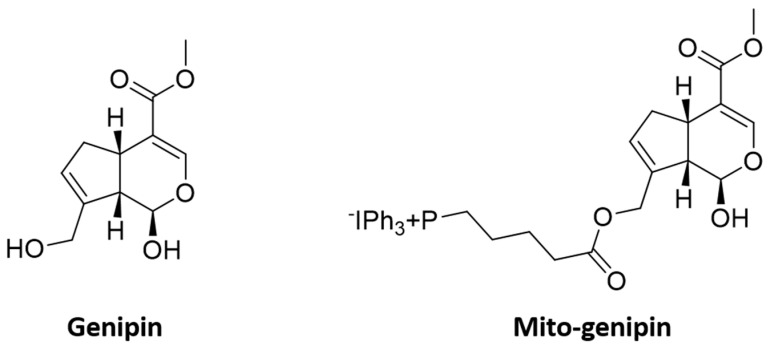 Figure 1
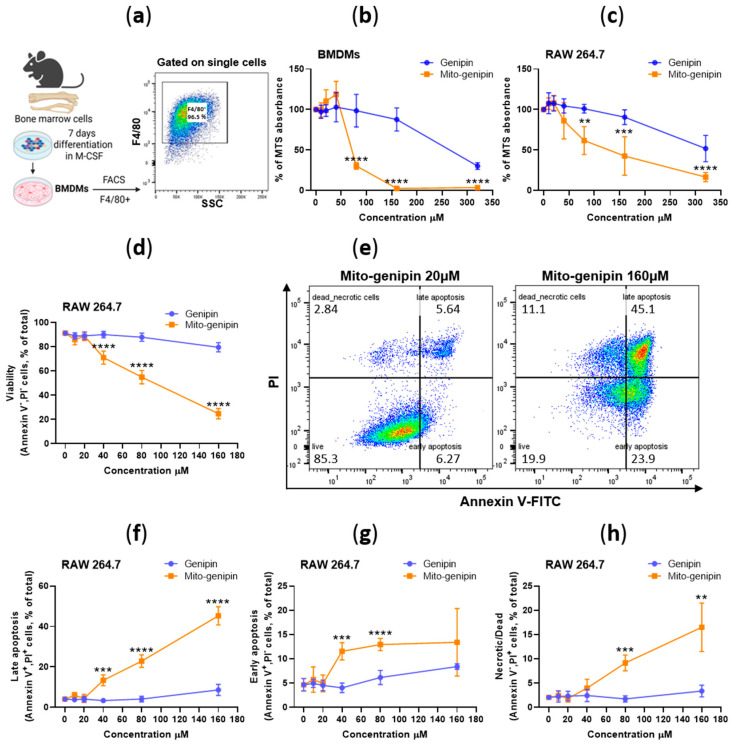 Figure 2
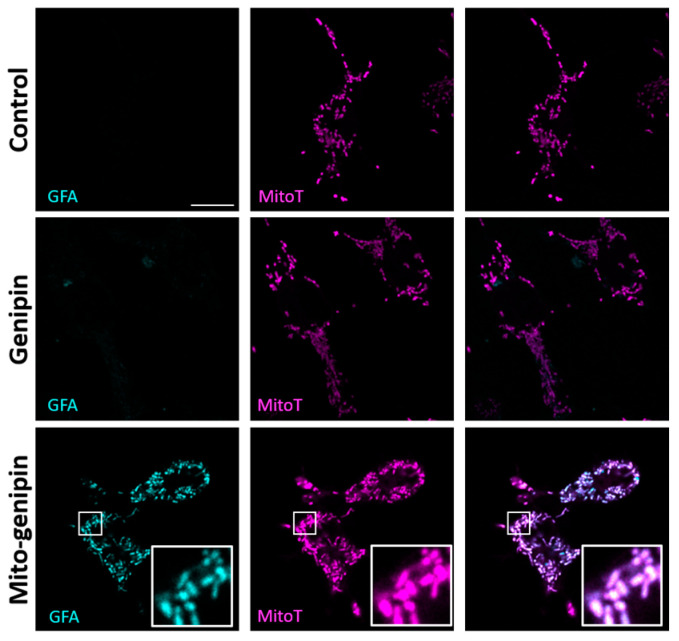 Figure 3
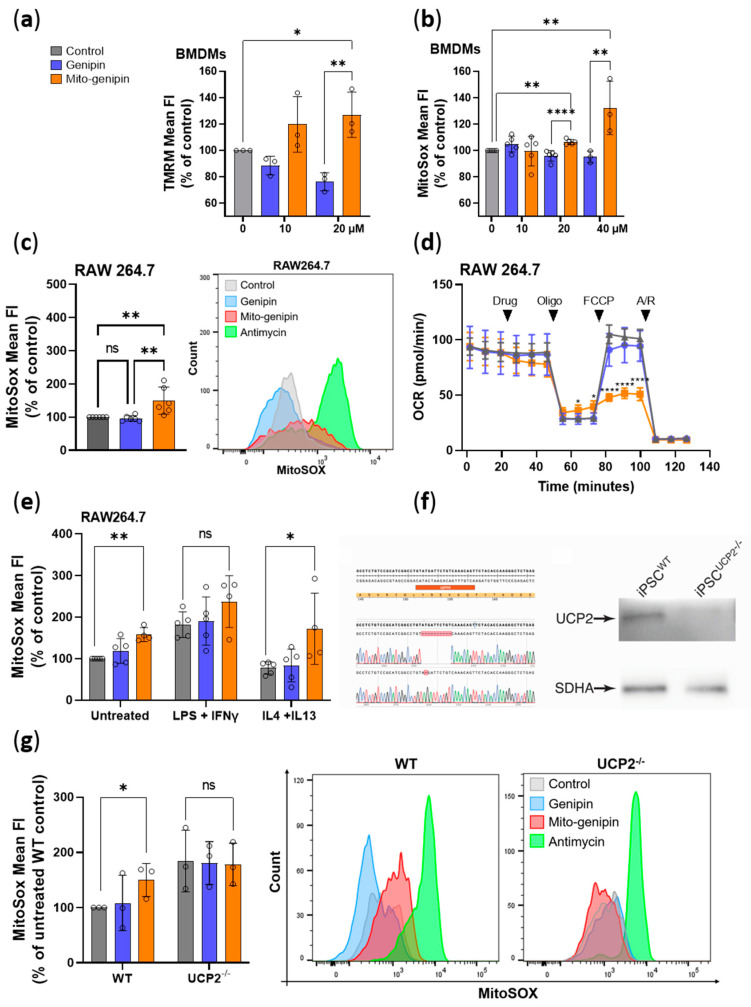 Figure 4
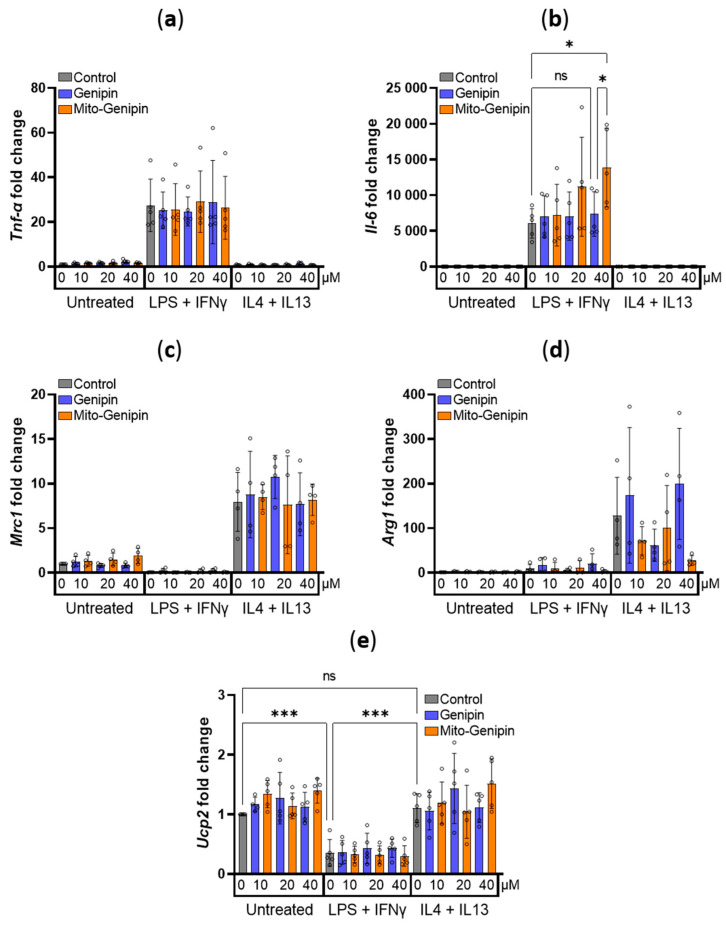 Figure 5
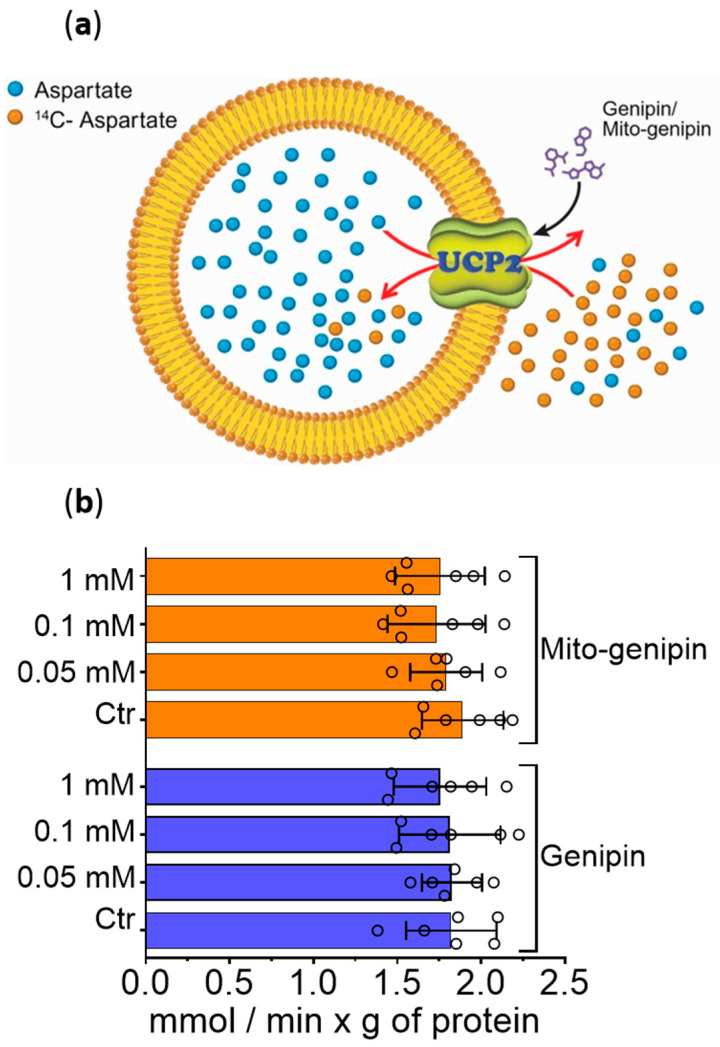 Figure 6
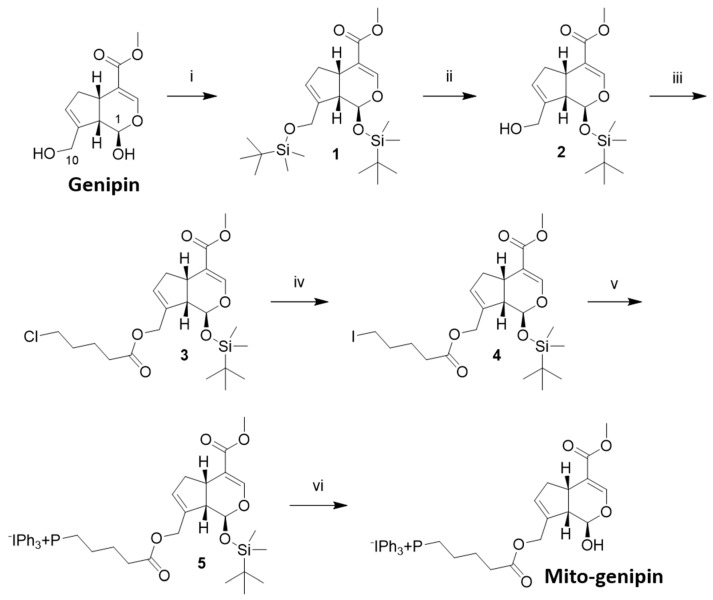 Figure 7
Peer Reviews
No public reviews on file for this paper yet. If you reviewed it on a platform where reviews are public (OpenReview, ICLR, NeurIPS, ICML), you can paste yours below so the community can read it here.
Videos
No videos yet. Explain this paper in a talk, walkthrough, or lecture? Add one.
Taxonomy
TopicsSaffron Plant Research Studies · Adipose Tissue and Metabolism · Retinoids in leukemia and cellular processes