Measuring Contamination Levels and Incubation Results of Hatching Eggs Sanitized with Essential Oils
Vinícius Machado dos Santos, Gabriel da Silva Oliveira, Pedro Henrique Gomes de Sá Santos, Liz de Albuquerque Cerqueira, José Luiz de Paula Rôlo Jivago, Susana Suely Rodrigues Milhomem Paixão, Márcio Botelho de Castro, Concepta McManus

TL;DR
This study shows that essential oils can safely sanitize hatching eggs, reducing contamination and supporting high hatchability without harming the embryos.
Contribution
The study introduces Zingiber officinale, Cymbopogon flexuosus, and Rosmarinus officinalis essential oils as effective and safe egg sanitizers.
Findings
Essential oils significantly reduced eggshell and yolk sac contamination.
Hatchability rates exceeded 93% with no embryonic trachea or genetic damage.
EOs performed as well as formaldehyde without causing irritation or genotoxicity.
Abstract
Background/Objectives: Making sustainable choices and transforming guidelines into effective bacterial control practices for viable and safe hatching eggs is a challenge for many researchers. Gradually, scientific findings are strengthening the case for using antibacterial protocols with essential oils (EOs) for hatching eggs, which could lead to changes in traditional egg sanitization management and stimulate new research. The present study aimed to measure the contamination levels and incubation outcomes of hatching eggs sanitized with Zingiber officinale (ZOEO), Cymbopogon flexuosus (CFEO), and Rosmarinus officinalis (ROEO) essential oils. Methods: Hatching eggs from commercial broiler breeders were sanitized with solutions of ZOEO, CFEO, and ROEO prepared in grain alcohol and compared with formaldehyde and non-sanitized eggs. Bacterial contamination, eggshell integrity, incubation…
Genes, proteins, chemicals, diseases, species, mutations and cell lines named across the full text — each resolved to its canonical identifier and authoritative record.
Click any figure to enlarge with its caption.
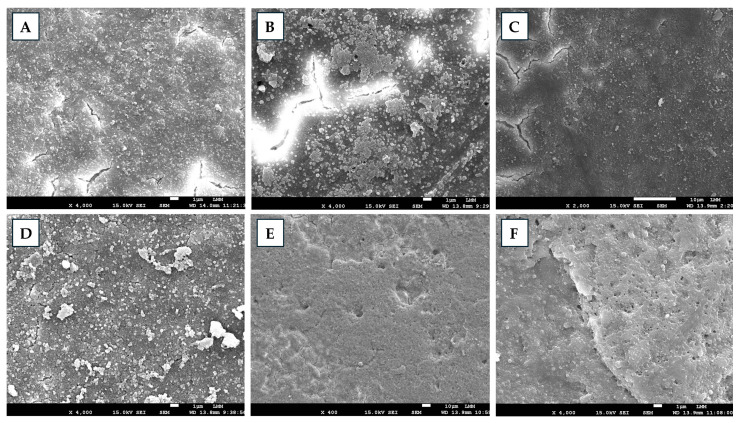 Figure 1
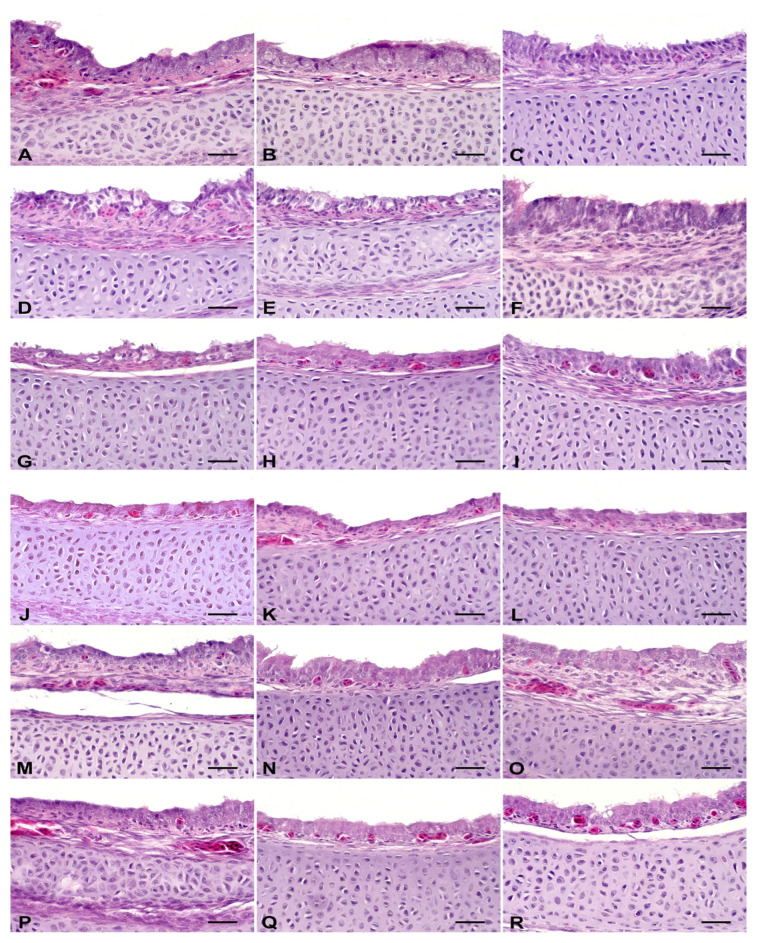 Figure 2
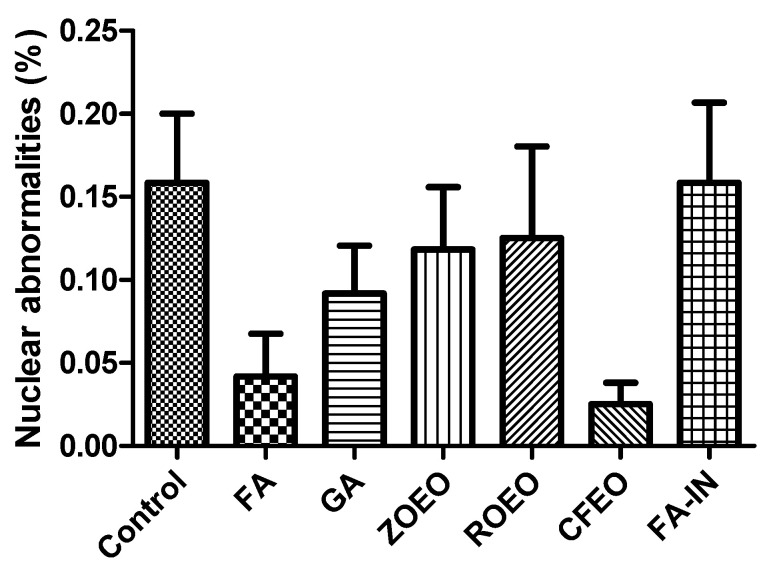 Figure 3
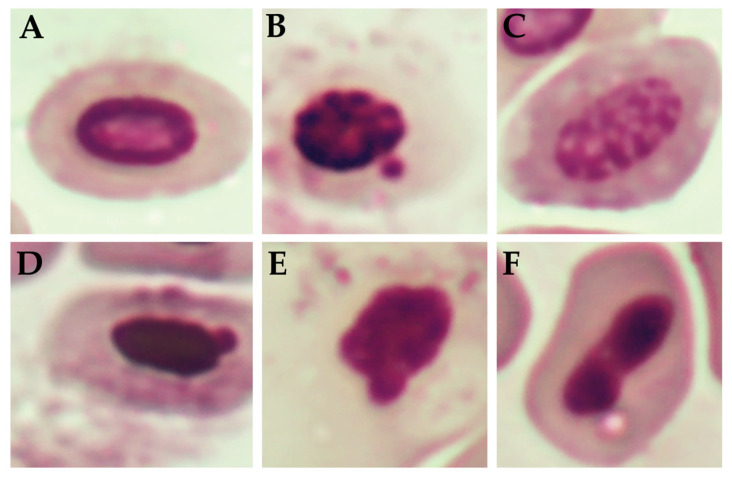 Figure 4
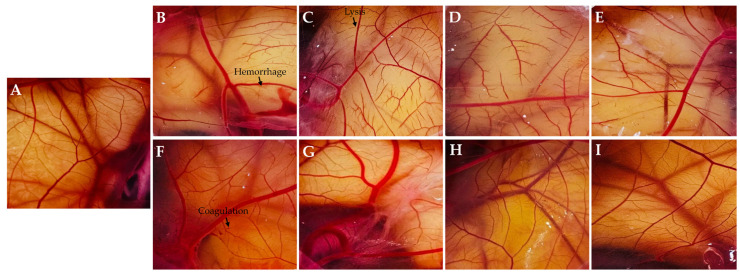 Figure 5
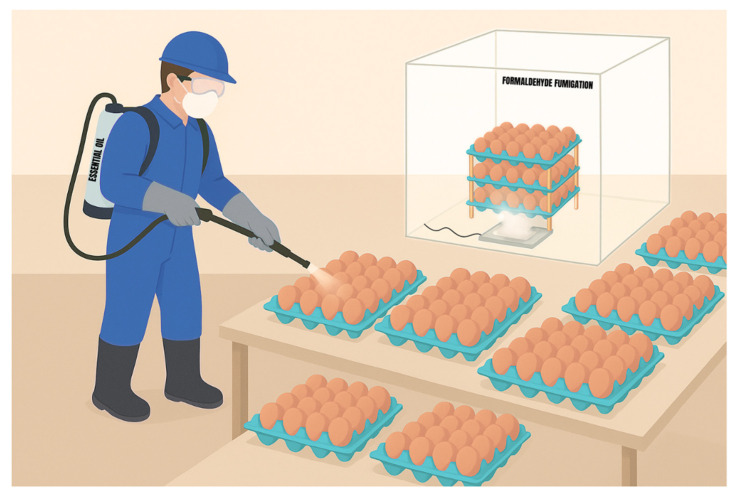 Figure 6
Peer Reviews
No public reviews on file for this paper yet. If you reviewed it on a platform where reviews are public (OpenReview, ICLR, NeurIPS, ICML), you can paste yours below so the community can read it here.
Videos
No videos yet. Explain this paper in a talk, walkthrough, or lecture? Add one.
Taxonomy
TopicsAnimal Nutrition and Physiology · Coccidia and coccidiosis research · Aquaculture disease management and microbiota