Green Synthesized Copper-Oxide Nanoparticles Exhibit Antifungal Activity Against Botrytis cinerea, the Causal Agent of the Gray Mold Disease
Erisneida Campos-Jiménez, Karla Juarez-Moreno, Domingo Martínez-Soto, Alejandro Cabello-Pasini, Ernestina Castro-Longoria

TL;DR
Green-made copper nanoparticles effectively fight gray mold disease in crops, offering a sustainable alternative to fungicides.
Contribution
Green-synthesized CuONPs using Trichoderma species show superior antifungal activity against Botrytis cinerea compared to commercial fungicides.
Findings
Four CuONP formulations showed antifungal activity, with Tg2 being the most effective.
Tg2 nanoparticles were quasi-spherical and ranged from 1 to 2.7 nm in size.
Tg2 outperformed the commercial fungicide NORDOX® 75W in inhibiting B. cinerea growth.
Abstract
Background/Objectives: Botrytis cinerea is a necrotrophic fungal plant pathogen responsible for the gray mold disease, affecting several crops of economic importance worldwide. The primary line of control for the disease in the field and post-harvest fruits includes the application of fungicides. However, the emergence of fungal populations resistant to one or more fungicides has increased their application and diminished their effectiveness. Looking at new control strategies, metallic nanoparticles have appeared as a promising alternative for disease treatment. Green-synthesized copper oxide nanoparticles (CuONPs) are considered a feasible alternative, aiming to reduce the generation of environmentally toxic waste through chemical methods. Methods: In this work, CuONPs biosynthesized using the supernatant of Trichoderma asperellum and Trichoderma ghanense were evaluated to determine…
Genes, proteins, chemicals, diseases, species, mutations and cell lines named across the full text — each resolved to its canonical identifier and authoritative record.
Click any figure to enlarge with its caption.
 Figure 1
 Figure 2
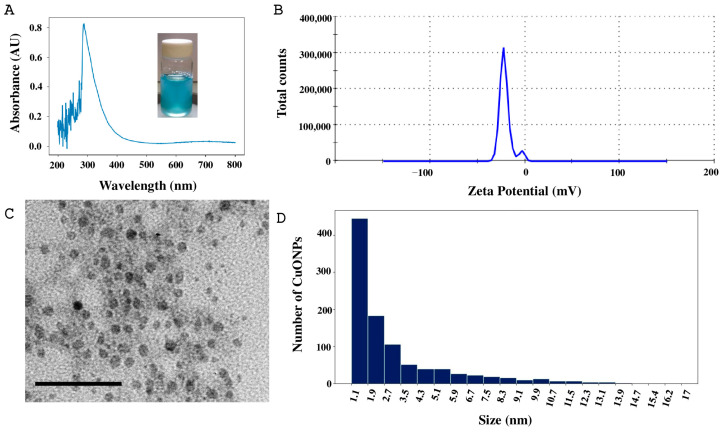 Figure 3
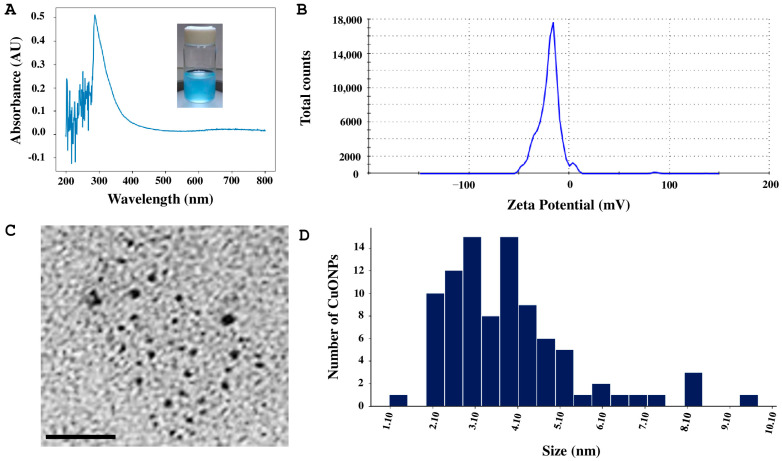 Figure 4
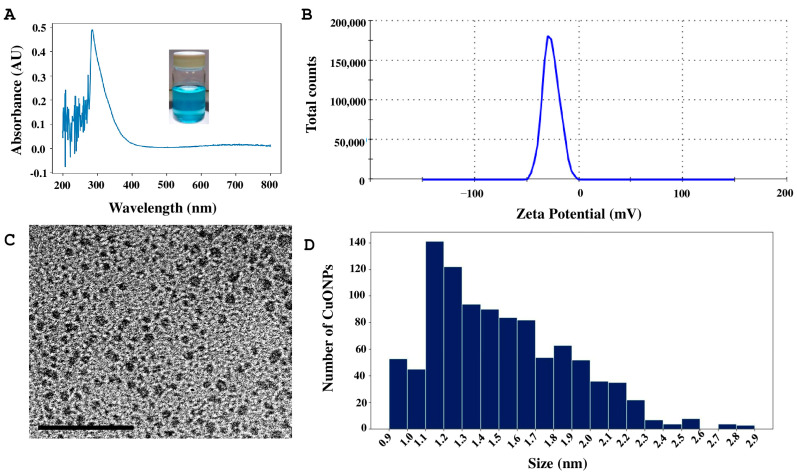 Figure 5
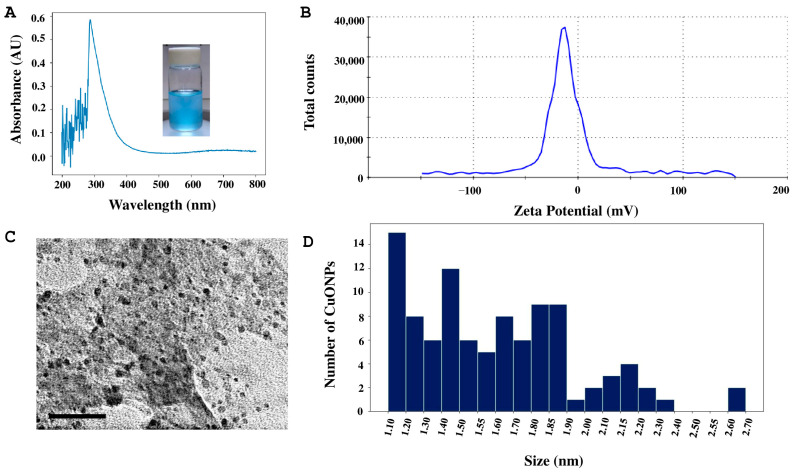 Figure 6
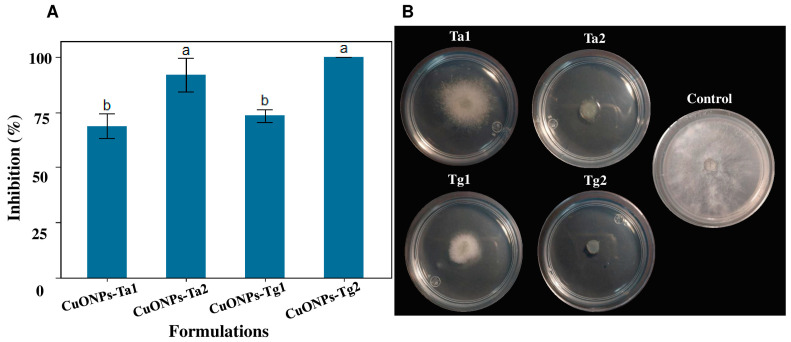 Figure 7
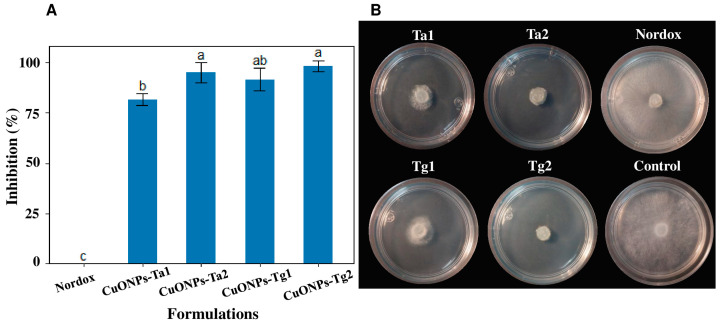 Figure 8
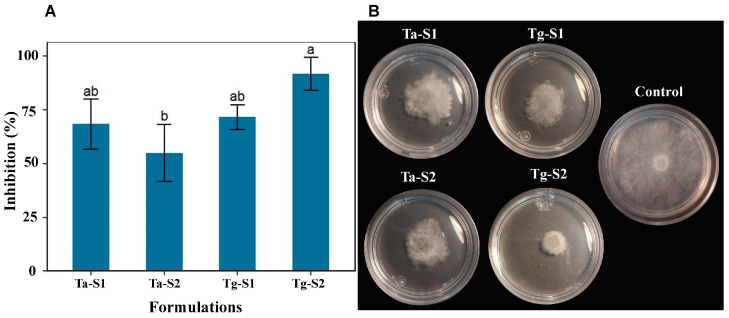 Figure 9
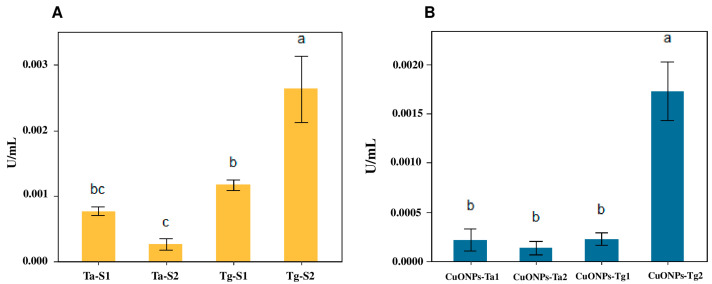 Figure 10
 Figure 11
 Figure 12
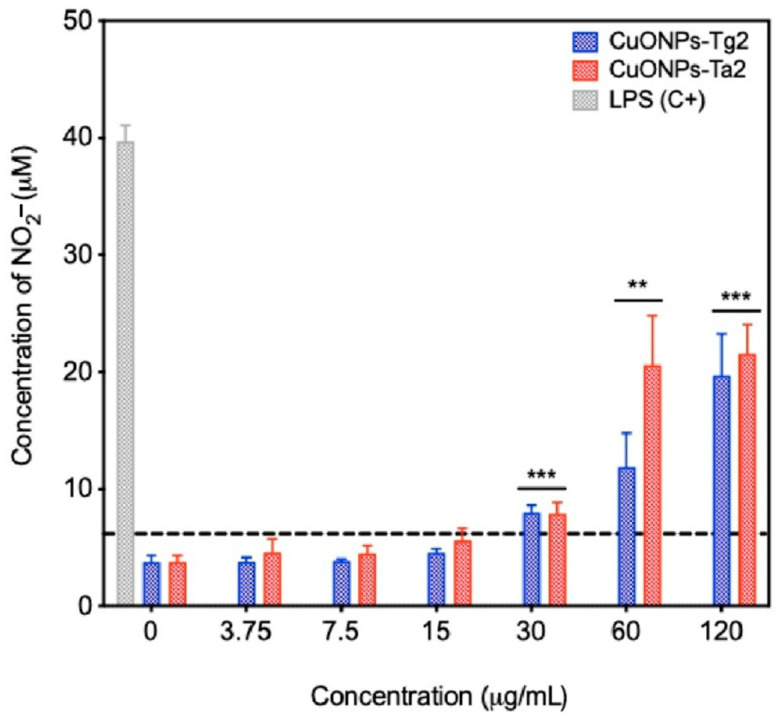 Figure 13
Peer Reviews
No public reviews on file for this paper yet. If you reviewed it on a platform where reviews are public (OpenReview, ICLR, NeurIPS, ICML), you can paste yours below so the community can read it here.
Videos
No videos yet. Explain this paper in a talk, walkthrough, or lecture? Add one.
Taxonomy
TopicsCopper-based nanomaterials and applications · Nanoparticles: synthesis and applications · Magnesium Oxide Properties and Applications