In Vitro Investigation of Equine Gut Microbiota Alterations During Hypoglycin A Exposure
Anne-Christine François, Bernard Taminiau, Benoît Renaud, Irma Elizabeth Gonza-Quito, Claire Massey, Carolyn Hyde, Richard J. Piercy, Caroline Douny, Marie-Louise Scippo, Georges Daube, Pascal Gustin, Véronique Delcenserie, Dominique-Marie Votion

TL;DR
This study shows that horse gut microbes can break down a toxic compound from sycamore maple seeds, potentially protecting against a deadly disease.
Contribution
The study provides the first in vitro evidence that equine gut microbiota can degrade hypoglycin A without producing toxic metabolites.
Findings
Hypoglycin A concentration decreased significantly in the presence of equine gut microbiota.
No toxic breakdown products were detected during hypoglycin A degradation by microbes.
Certain microbial taxa, like Paraclostridium, were affected by hypoglycin A exposure.
Abstract
Atypical myopathy is a severe and often fatal poisoning of equids caused by the ingestion of sycamore maple tree seeds or seedlings that contain hypoglycin A. Once ingested, the protoxin is converted into harmful compounds that block energy production in muscles, leading to muscle breakdown. Scientists have questioned whether the microbes living in the gut could influence how this toxin behaves. Previous studies have shown differences in gut microbial communities between horses affected by atypical myopathy, their clinically healthy co-grazers, and a group of toxin-free horses serving as a control. This suggests that the microbiota may influence the outcome of intoxication. In this in vitro study, we recreated part of the horse’s large intestine in the laboratory and exposed it to hypoglycin A. Our results show that the toxin’s concentration decreased significantly when microbes were…
Genes, proteins, chemicals, diseases, species, mutations and cell lines named across the full text — each resolved to its canonical identifier and authoritative record.
Click any figure to enlarge with its caption.
 Figure 1
 Figure 2
 Figure 3
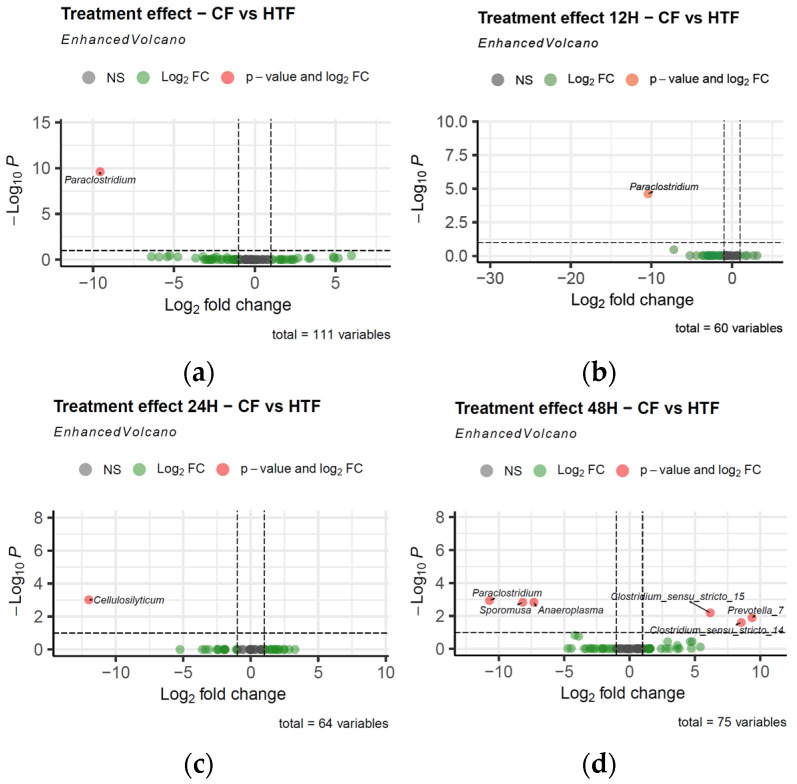 Figure 4
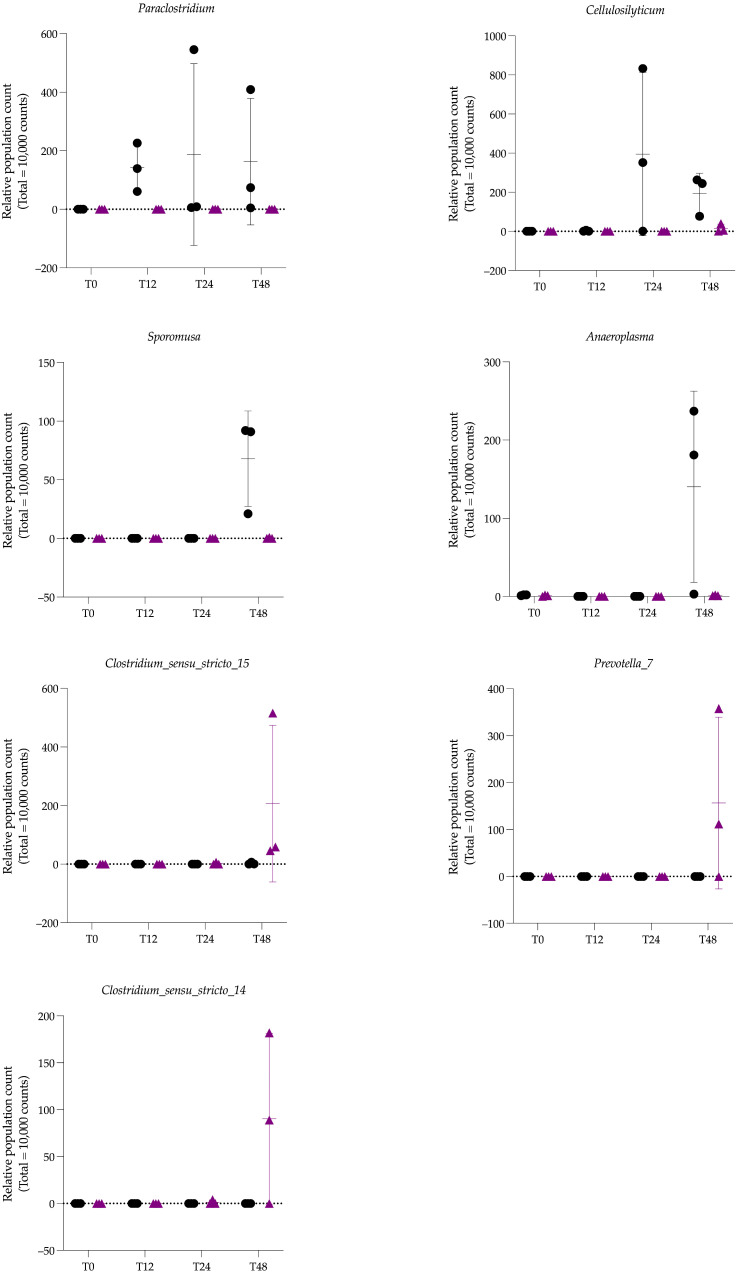 Figure 5
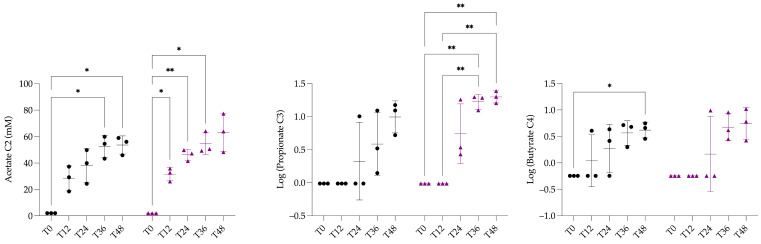 Figure 6
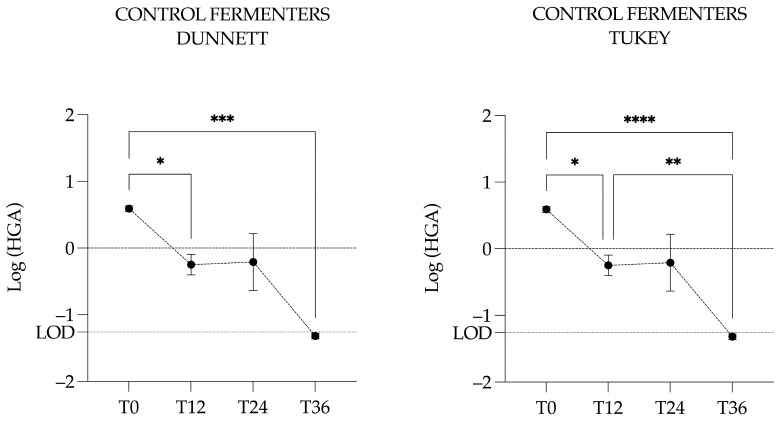 Figure 7
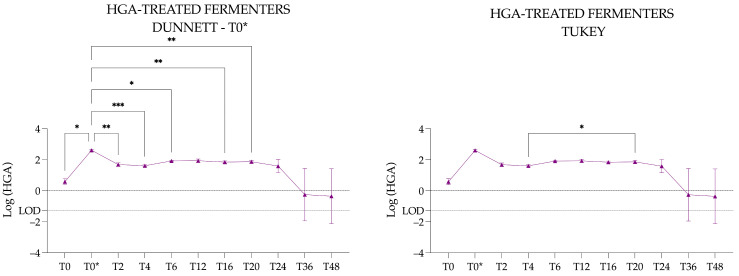 Figure 8
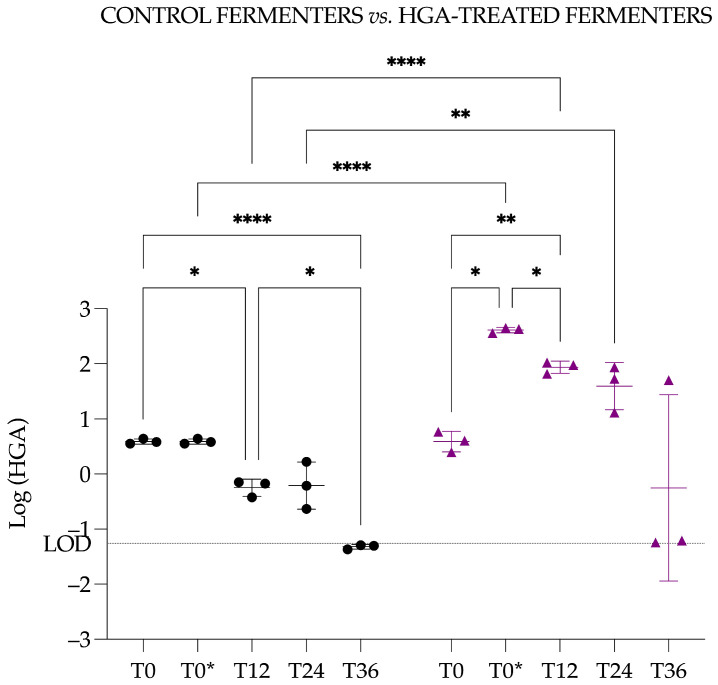 Figure 9
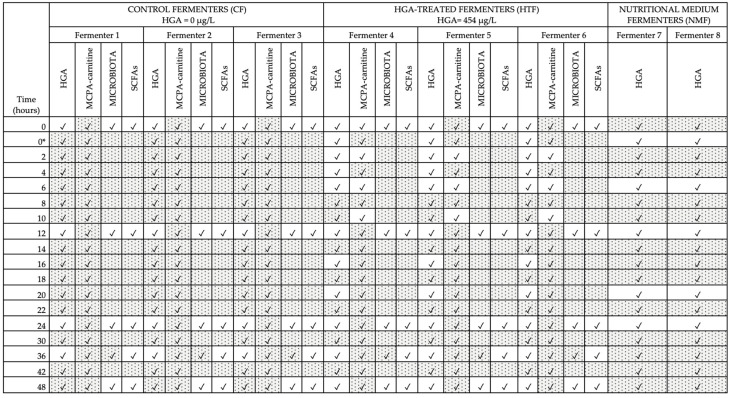 Figure 10
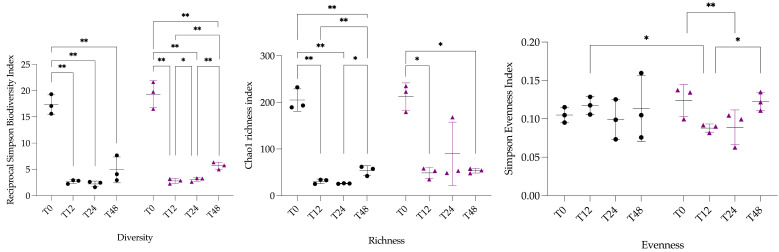 Figure 11
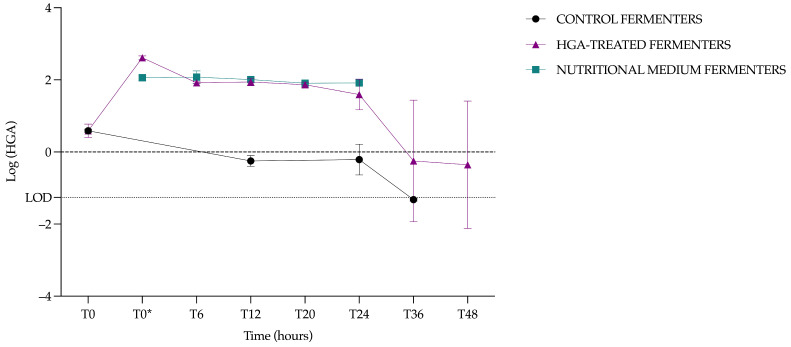 Figure 12
Peer Reviews
No public reviews on file for this paper yet. If you reviewed it on a platform where reviews are public (OpenReview, ICLR, NeurIPS, ICML), you can paste yours below so the community can read it here.
Videos
No videos yet. Explain this paper in a talk, walkthrough, or lecture? Add one.
Taxonomy
TopicsRuminant Nutrition and Digestive Physiology · Gut microbiota and health · Veterinary Equine Medical Research