Sequence Permutation Generated Lysine and Tryptophan-Rich Antimicrobial Peptides with Enhanced Therapeutic Index
Kuang-Li Peng, Yu-Hsuan Wu, Hsuan-Che Hsu, Jya-Wei Cheng

TL;DR
This study explores how rearranging amino acid sequences in antimicrobial peptides can improve their effectiveness and stability, offering new ways to design better treatments for drug-resistant infections.
Contribution
The study introduces a sequence permutation strategy to optimize antimicrobial peptides by preserving molecular properties while enhancing bioactivity and therapeutic index.
Findings
Sequence arrangement of lysine and tryptophan residues significantly impacts peptide bioactivity and therapeutic index.
Permutation-derived peptides showed improved antimicrobial activity, salt resistance, and membrane permeabilization.
The study supports combining permutation strategies with AI-based design to enhance antimicrobial peptide discovery.
Abstract
Background/Objectives: Antimicrobial peptides (AMPs) are promising therapeutic agents due to their broad-spectrum activity against bacteria, viruses, and fungi. Unlike traditional antibiotics, AMPs target microbial membranes directly and are less likely to induce resistance. They also possess immunomodulatory and wound-healing properties. However, clinical application remains limited by factors such as salt sensitivity, low bioavailability, and poor stability. To address these challenges, researchers have turned to structural optimization strategies. Recently, artificial intelligence (AI) has facilitated peptide drug design by rapidly screening large peptide libraries. Still, AI struggles to predict how subtle sequence changes affect peptide structure and function. Traditional sequence permutation offers a complementary approach by analyzing structural and functional effects without…
Genes, proteins, chemicals, diseases, species, mutations and cell lines named across the full text — each resolved to its canonical identifier and authoritative record.
Click any figure to enlarge with its caption.
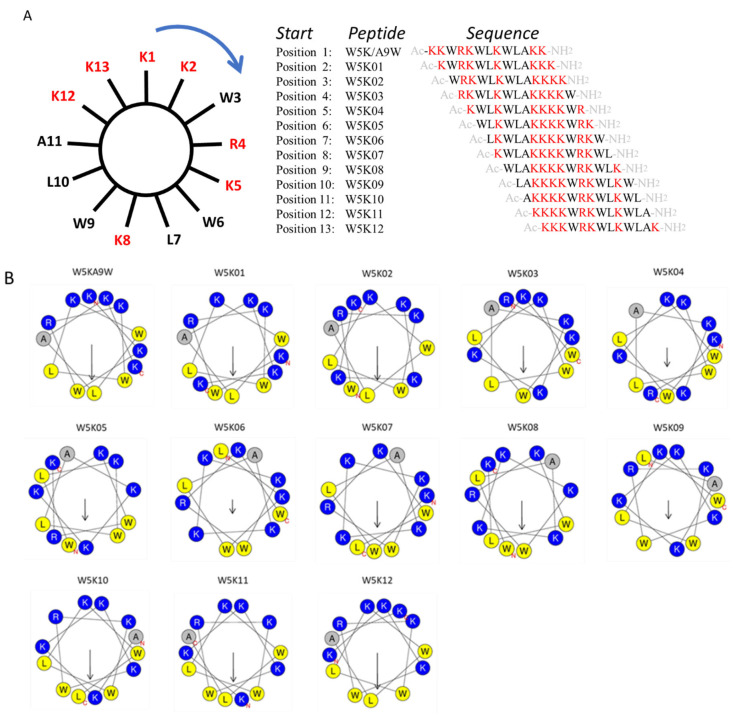 Figure 1
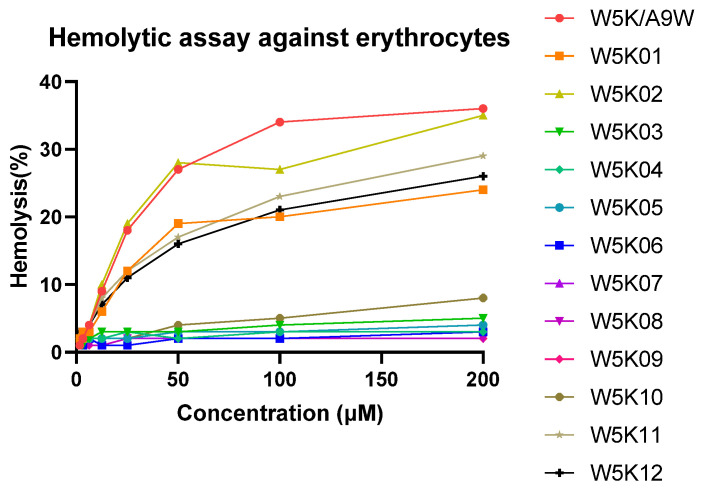 Figure 2
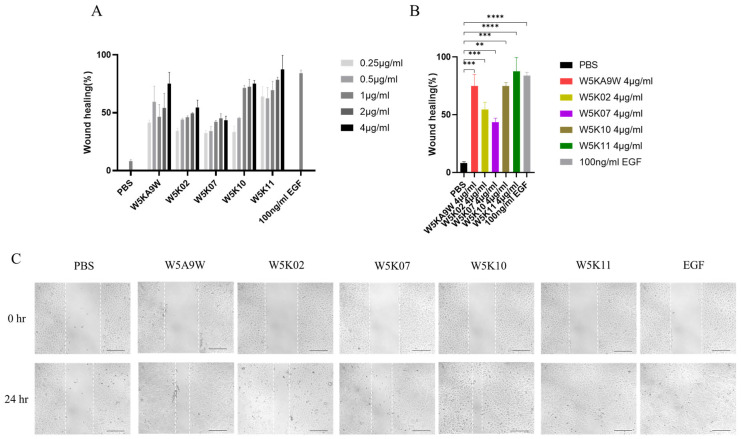 Figure 3
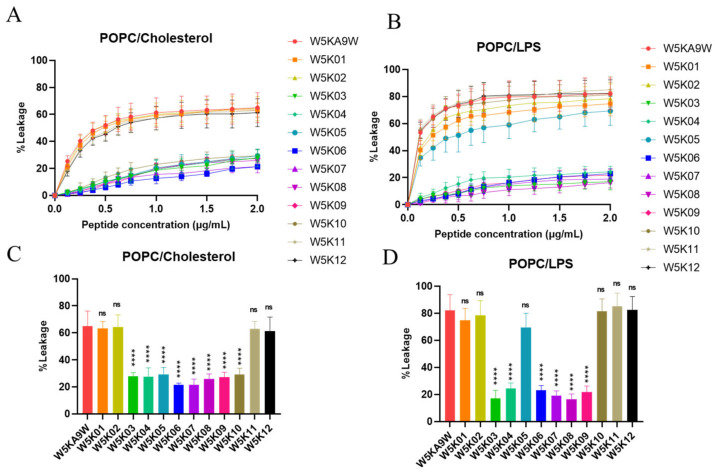 Figure 4
 Figure 5
Peer Reviews
No public reviews on file for this paper yet. If you reviewed it on a platform where reviews are public (OpenReview, ICLR, NeurIPS, ICML), you can paste yours below so the community can read it here.
Videos
No videos yet. Explain this paper in a talk, walkthrough, or lecture? Add one.
Taxonomy
TopicsAntimicrobial Peptides and Activities · vaccines and immunoinformatics approaches · Biochemical and Structural Characterization