Digital Microfluidics-Driven Cell-Free Protein Synthesis Platform Reveals Expression and Stability Determinants for Phytoglobins and Cysteine-to-Alanine Substituted Variants
Leonard Groth, Leif Bülow

TL;DR
A new cell-free platform helps identify factors affecting the expression and stability of phytoglobins and their variants.
Contribution
A digital microfluidics-based CFPS platform is used to uncover expression and stability determinants for phytoglobins and their cysteine variants.
Findings
Alanine substitutions often improve expression and purification yields of phytoglobins.
Oxidative additives like glutathione disulfide enhance Pgb production by supporting redox environments.
The CFPS platform enables rapid identification of expression requirements for phytoglobins.
Abstract
Heme proteins are central to metabolism and stress responses but remain challenging to express recombinantly due to cytotoxicity and folding constraints. Phytoglobins (Pgbs) exemplify these difficulties, as expression protocols often fail to translate across protein species. Here, we used a cell-free protein synthesis (CFPS) platform powered by digital microfluidics to screen expression determinants for sugar beet Pgb 1.2 (BvPgb 1.2), its C86A variant, and three of eight newly identified oat Pgbs (AsPgbs), including their cysteine-to-alanine substituted variants. Benchmarking with multiple solubility tags and cell-free blends revealed protein- and variant-specific preferences, with alanine substitutions frequently improving expression and purification yields. Oxidative additives such as glutathione disulfide, alone or combined with protein disulfide isomerase, consistently enhanced…
Genes, proteins, chemicals, diseases, species, mutations and cell lines named across the full text — each resolved to its canonical identifier and authoritative record.
Click any figure to enlarge with its caption.
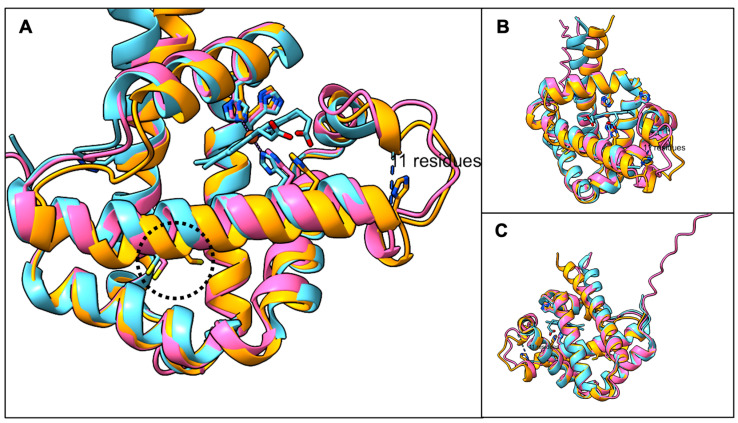 Figure 1
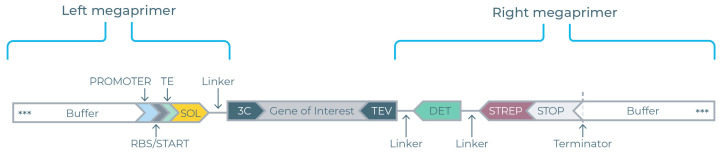 Figure 2
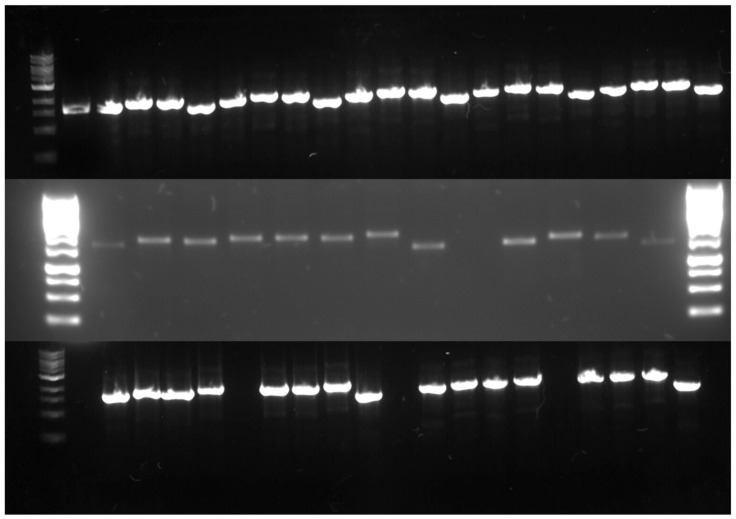 Figure 3
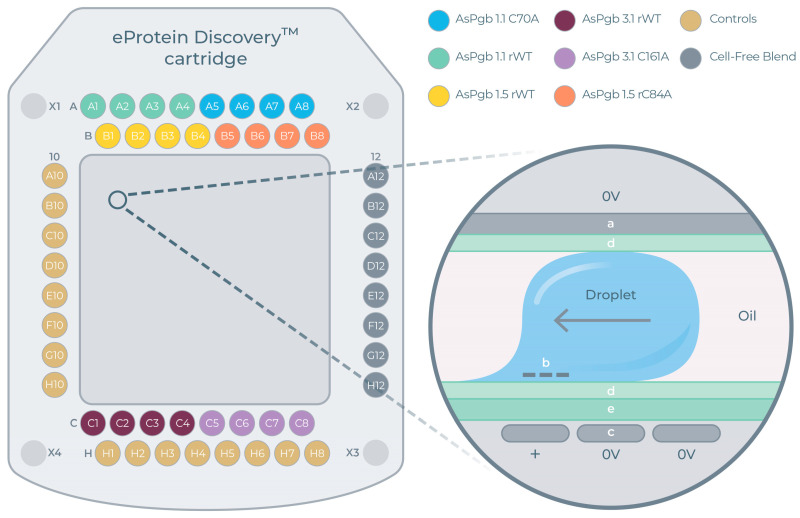 Figure 4
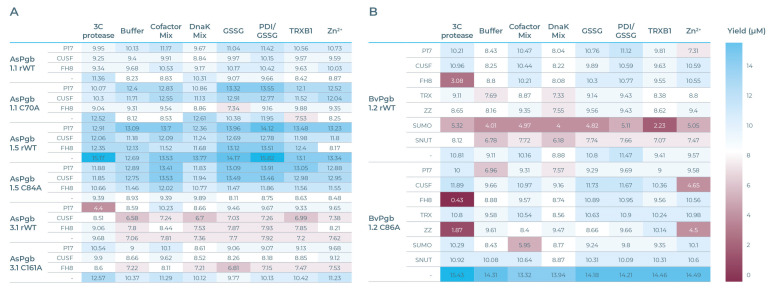 Figure 5
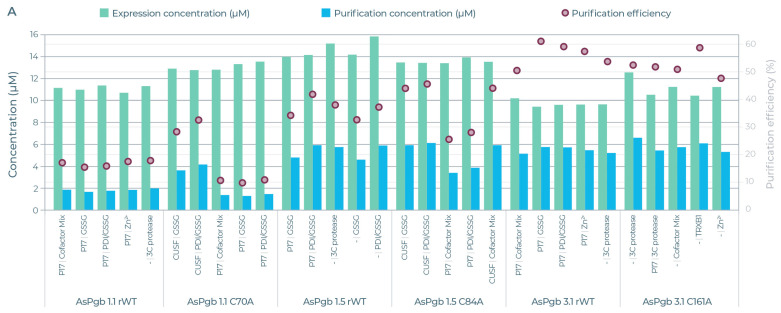 Figure 6
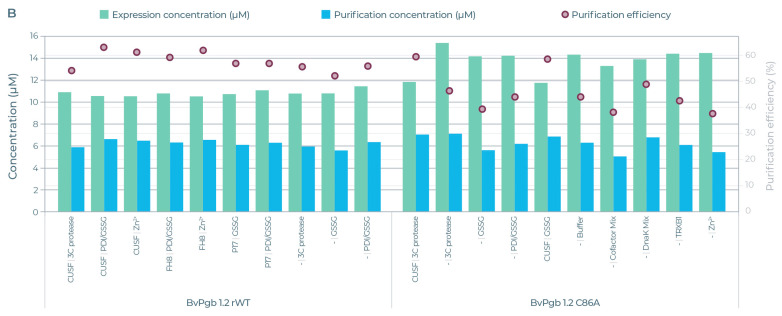 Figure 7
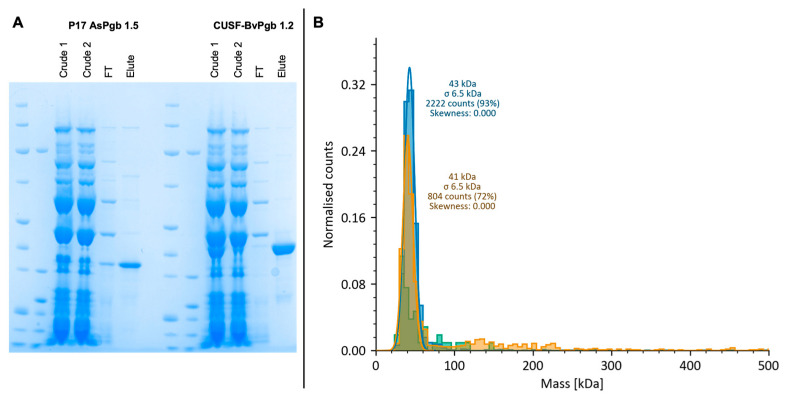 Figure 8
Peer Reviews
No public reviews on file for this paper yet. If you reviewed it on a platform where reviews are public (OpenReview, ICLR, NeurIPS, ICML), you can paste yours below so the community can read it here.
Videos
No videos yet. Explain this paper in a talk, walkthrough, or lecture? Add one.
Taxonomy
TopicsHemoglobin structure and function · Transgenic Plants and Applications · Innovative Microfluidic and Catalytic Techniques Innovation