First Histological Study of the Gastrointestinal Tract and Associated Lymphoid Structures of a Harbour Porpoise (Phocoena phocoena)
Diego Pérez-Maroto, Ana Balseiro, Patricia Barroso, Ignacio Molpeceres-Diego, Antonio Fernández, Juan Francisco García Marín, Natalia García-Álvarez

TL;DR
This study describes the first histological analysis of the gastrointestinal tract and immune cells in a harbour porpoise, revealing structural and immune cell distribution patterns.
Contribution
The study provides the first detailed histological characterization of the GIT and lymphoid structures in a harbour porpoise, including immune cell distribution.
Findings
The GIT layers were thickest in the stomach and anal canal, with no significant differences between intestinal segments.
B lymphocytes were the most prevalent immune cell type in lymph nodes, while all three cell types were more concentrated in the distal intestine and anal tonsil.
Peyer’s patches and morphological differences helped distinguish the duodenal ampulla and distal segments from other intestinal regions.
Abstract
Here, we characterized the histological structure and distribution of immune cells (macrophages and T and B lymphocytes) in the gastrointestinal tract (GIT) and associated lymphoid tissue, including lymph nodes, of a harbour porpoise (Phocoena phocoena) that died due to bycatch in the Bay of Biscay. Despite the lack of a clear distinction between the small and large intestine, the difference in thickness, folds, and the presence of Peyer’s patches allowed differentiation of the duodenal ampulla and the distal segments from the rest of the intestine. Within the lymph nodes, B lymphocytes represented the predominant cell population. The current knowledge on the histological structure of the gastrointestinal tract (GIT) in cetaceans is based on general descriptions. The aim of this study was to characterize the histology and expression of immune cell markers in samples from the GIT and…
Genes, proteins, chemicals, diseases, species, mutations and cell lines named across the full text — each resolved to its canonical identifier and authoritative record.
Click any figure to enlarge with its caption.
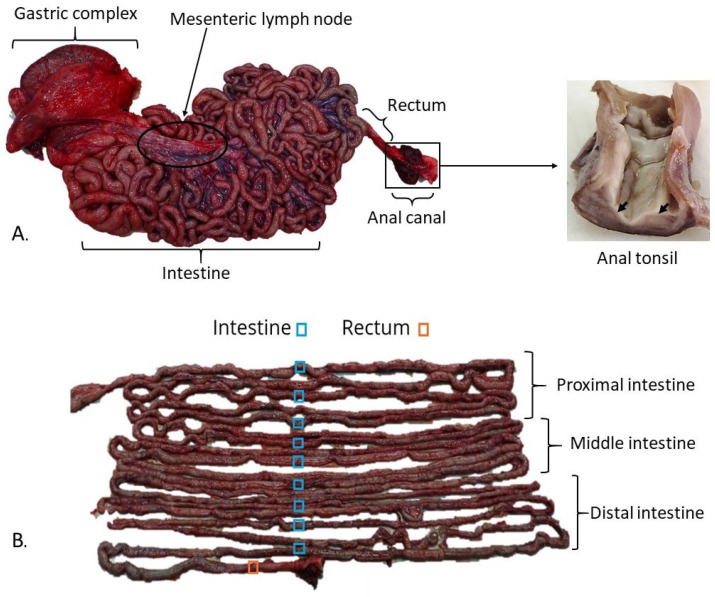 Figure 1
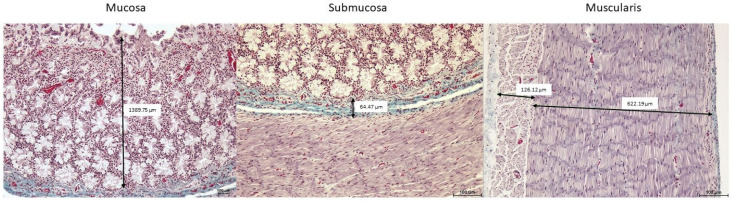 Figure 2
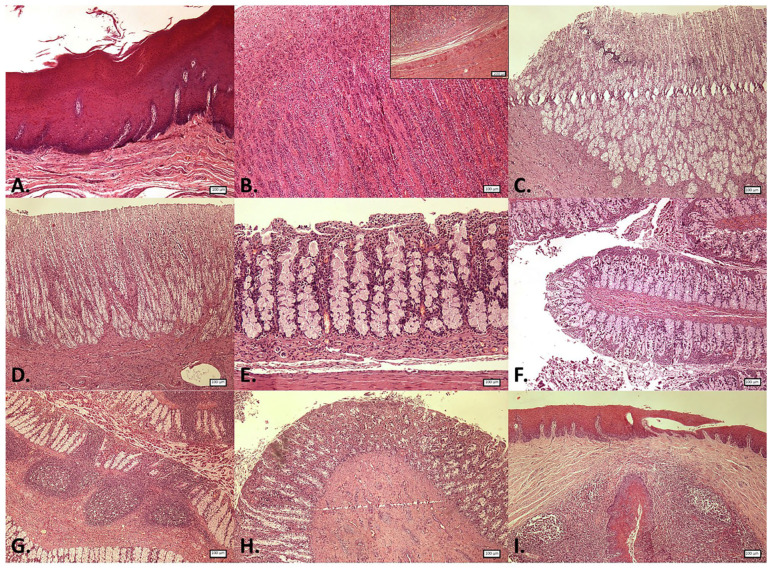 Figure 3
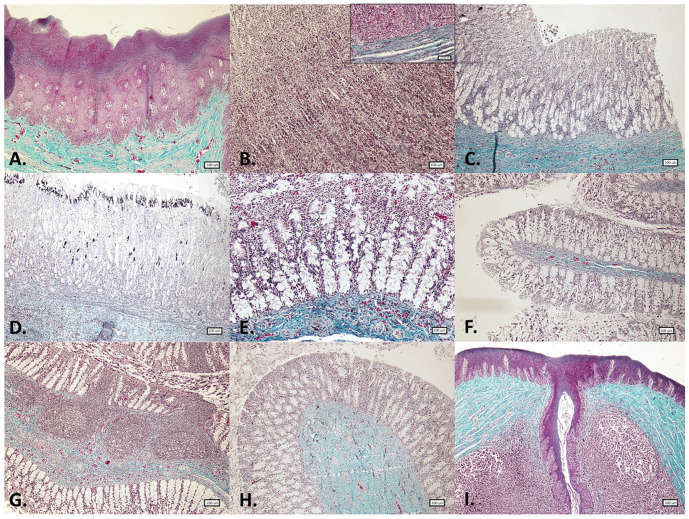 Figure 4
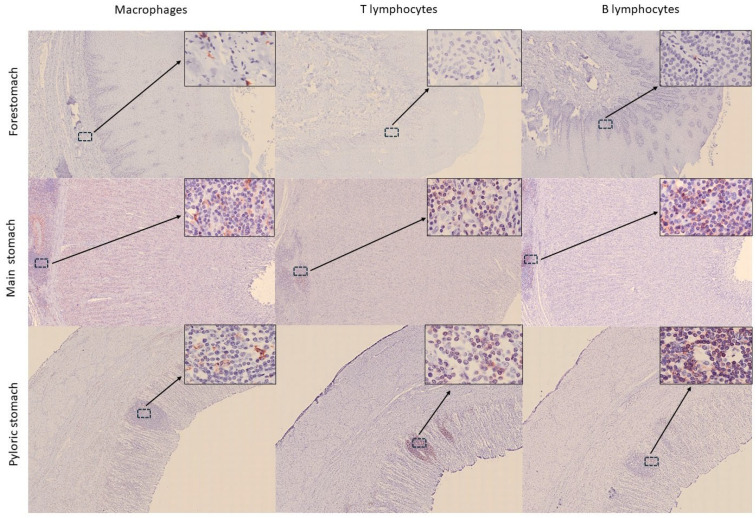 Figure 5
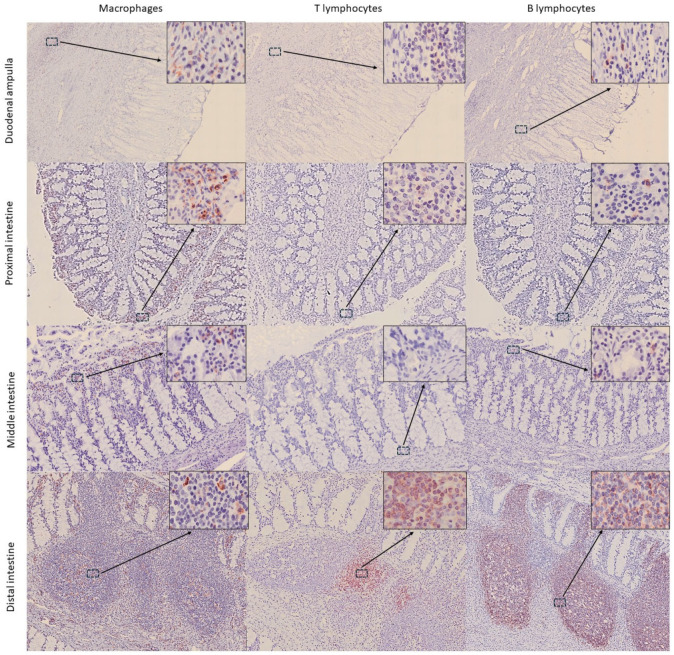 Figure 6
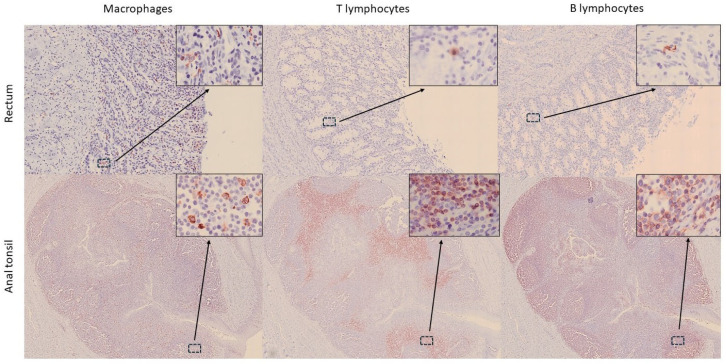 Figure 7
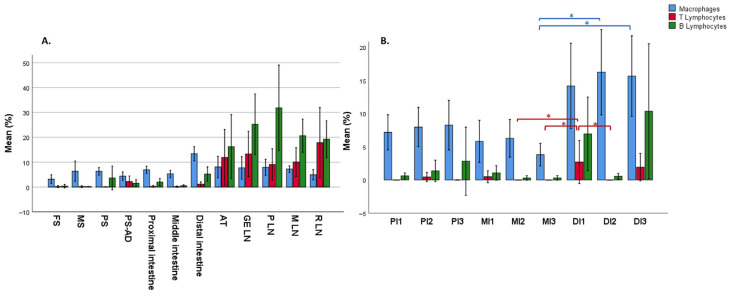 Figure 8
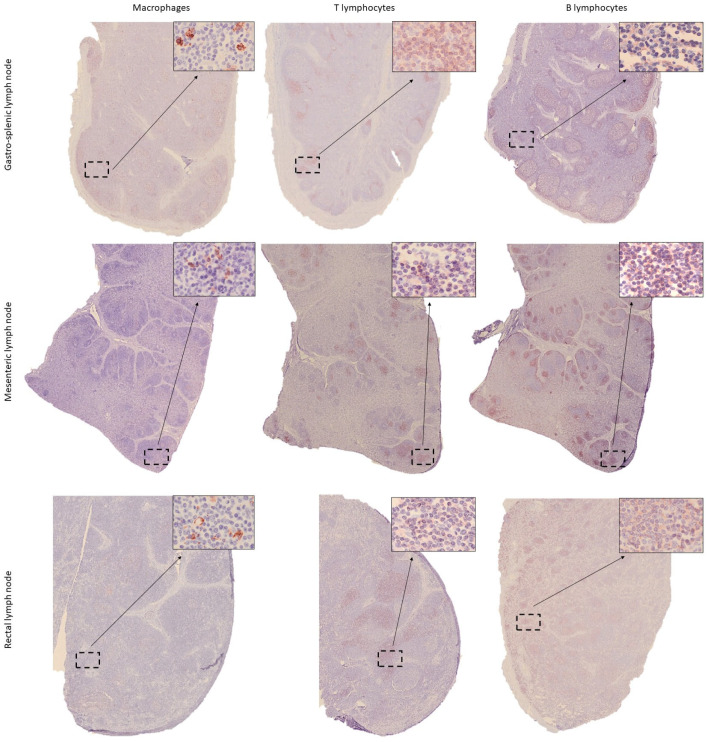 Figure 9
Peer Reviews
No public reviews on file for this paper yet. If you reviewed it on a platform where reviews are public (OpenReview, ICLR, NeurIPS, ICML), you can paste yours below so the community can read it here.
Videos
No videos yet. Explain this paper in a talk, walkthrough, or lecture? Add one.
Taxonomy
TopicsMarine animal studies overview · Aquaculture disease management and microbiota · Marine Bivalve and Aquaculture Studies