A Sensor Localization and Orientation Method for OPM-MEG Based on Rigid Coil Structures and Magnetic Dipole Fitting Models
Weinan Xu, Wenli Wang, Fuzhi Cao, Nan An, Wen Li, Min Xiang, Xiaolin Ning, Ying Liu, Baosheng Wang

TL;DR
This paper introduces a new method to accurately locate and orient sensors in OPM-MEG systems using rigid coil structures and improved fitting models.
Contribution
A novel sensor localization and orientation method combining rigid coil structures with magnetic dipole fitting to improve accuracy and robustness in OPM-MEG.
Findings
The proposed method achieves position errors below 1 mm and orientation errors below 1° in simulations.
Weighted Frobenius norm and SSIM outperform standard Frobenius norm in stability and outlier suppression.
The method is robust to assembly perturbations and near-field signal imbalances.
Abstract
High-precision sensor co-registration is a critical prerequisite for achieving high-resolution imaging in Optically Pumped Magnetometer–Magnetoencephalography (OPM-MEG) systems. The conventional magnetic dipole fitting method, essentially a multipole expansion approximation of a finite-size coil, exhibits accuracy that strongly depends on spatial geometric factors such as coil–sensor distance, dipole orientation, and the projection angle of the sensor’s sensitive axis. Moreover, the approximation error increases significantly when sensors are placed either too close to the coils or at an unfavorable angular coupling. To address this issue, we propose a sensor localization and orientation method that combines magnetic dipole-equivalent modeling with a rigid coil structure (RCS). The RCS provides stable geometric constraints and eliminates uncertainties introduced by scalp-attached coils.…
Genes, proteins, chemicals, diseases, species, mutations and cell lines named across the full text — each resolved to its canonical identifier and authoritative record.
Click any figure to enlarge with its caption.
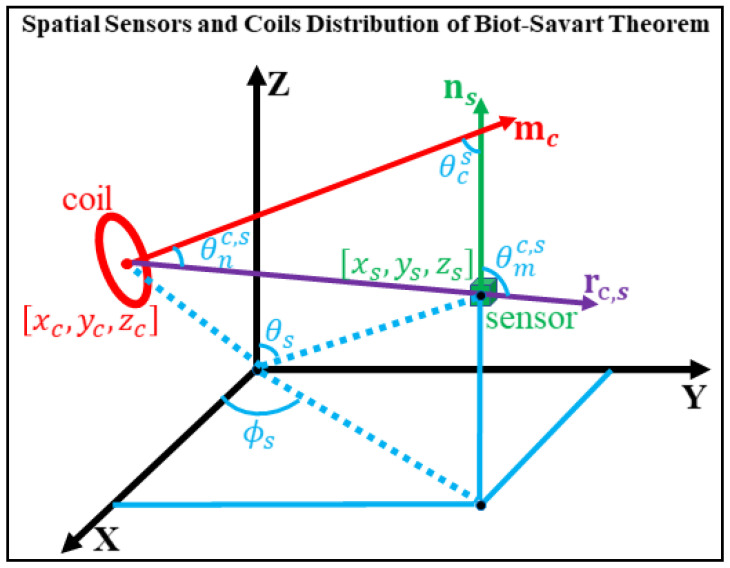 Figure 1
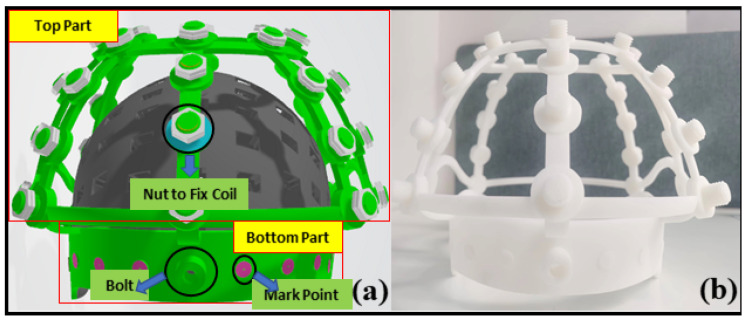 Figure 2
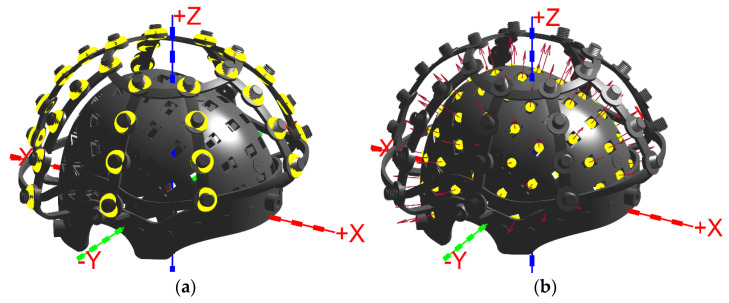 Figure 3
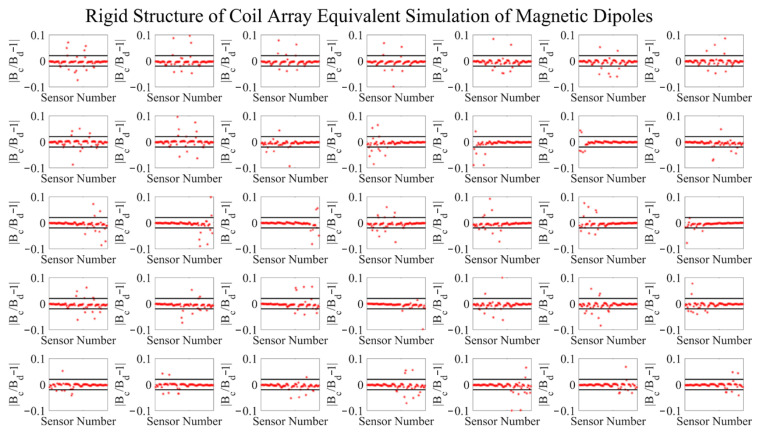 Figure 4
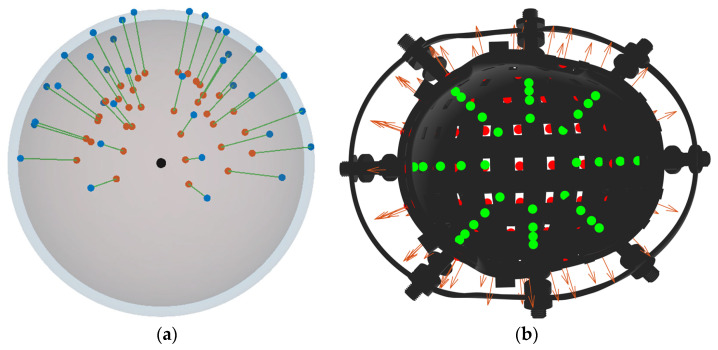 Figure 5
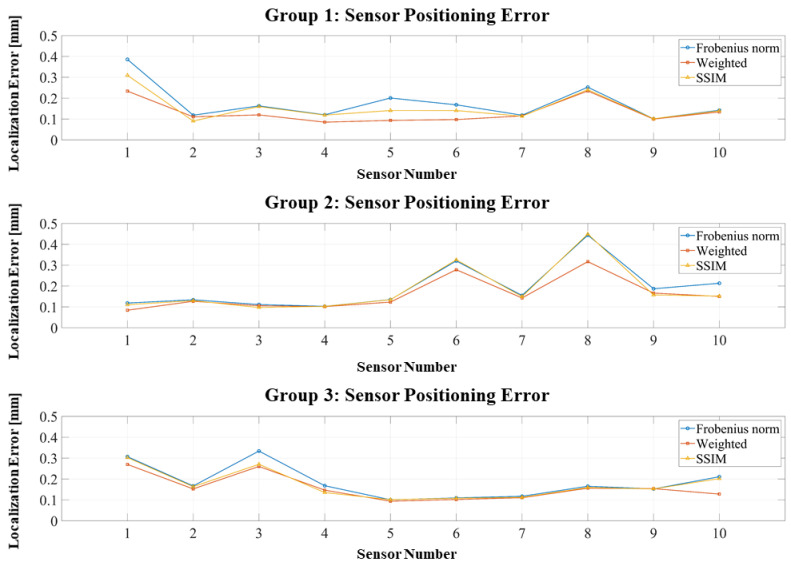 Figure 6
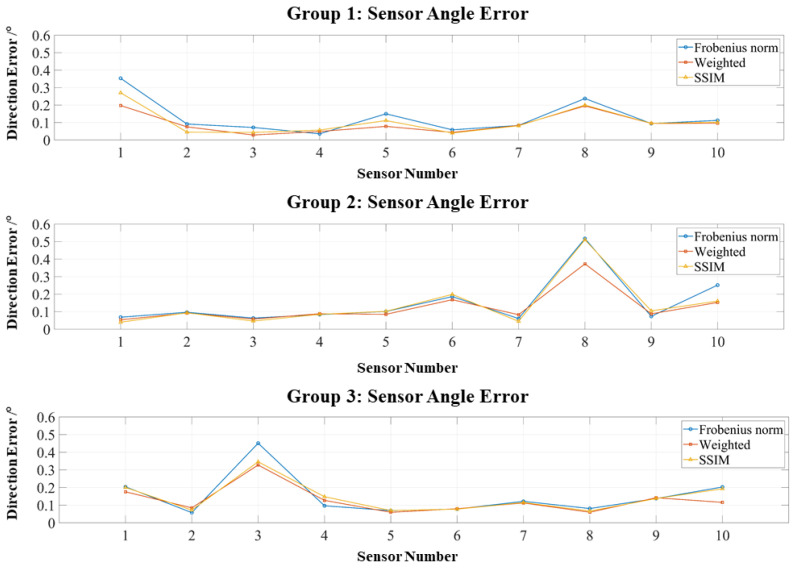 Figure 7
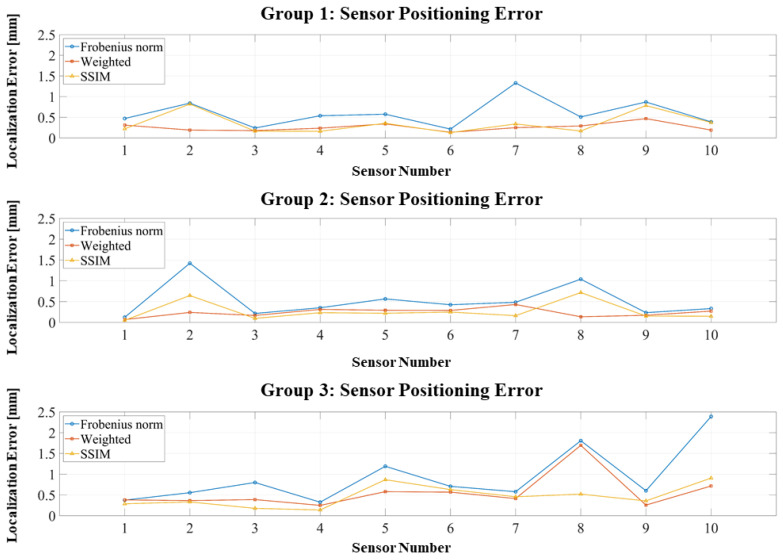 Figure 8
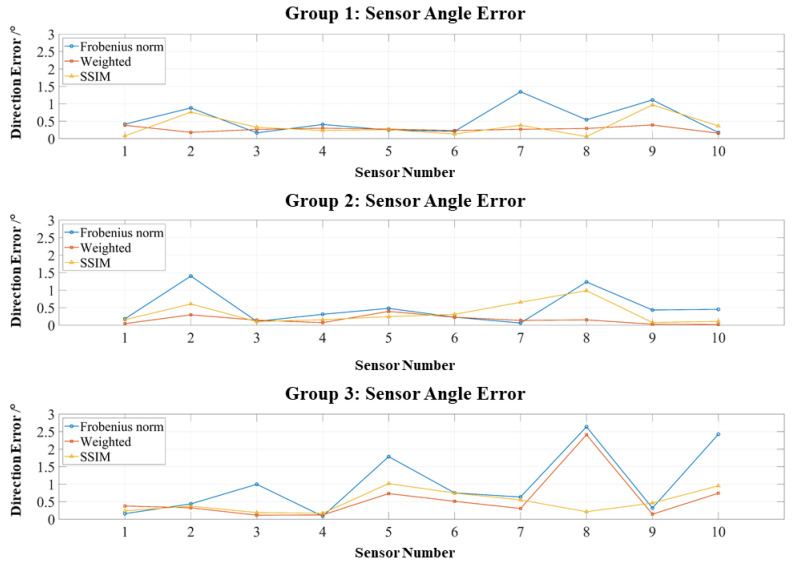 Figure 9
Peer Reviews
No public reviews on file for this paper yet. If you reviewed it on a platform where reviews are public (OpenReview, ICLR, NeurIPS, ICML), you can paste yours below so the community can read it here.
Videos
No videos yet. Explain this paper in a talk, walkthrough, or lecture? Add one.
Taxonomy
TopicsAtomic and Subatomic Physics Research · Magnetic Field Sensors Techniques · Inertial Sensor and Navigation