Novel Chalcone Derivatives as Anti-Leishmania infantum Agents with Potential Synergistic Activity and In Silico Insights
Ana Letícia Monteiro Fernandes, Abraão Pinheiro Sousa, Delva Thyares Fonseca Lamec, Leonardo Lima Cardoso, Rosália Santos Ferreira, Shayenne Eduarda Ramos Vanderley, Petrônio Filgueiras Athayde-Filho, Gabriela Fehn Fiss, Tatjana Souza Lima Keesen

TL;DR
Researchers developed new chalcone compounds that effectively fight Leishmania parasites, with one showing strong activity and low toxicity, possibly improving treatment for visceral leishmaniasis.
Contribution
The study introduces novel chalcone–acetamides with potent antileishmanial activity and synergy with amphotericin B, supported by in silico insights into their mechanisms.
Findings
Compound 4b showed strong antiparasitic activity with low cytotoxicity and high selectivity.
Compound 4b synergized with amphotericin B, reducing the effective dose and improving the therapeutic window.
Molecular docking suggested compound 4b interacts with key parasite enzymes like DUB16 and tryparedoxin peroxidase I.
Abstract
Background: Visceral leishmaniasis (VL) is a neglected tropical disease with limited therapeutic options, often restricted by toxicity, high costs, and resistance. Chalcones are promising scaffolds for the development of antiparasitic agents. Objectives: This study aimed to synthesize novel acetamides derived from 4-hydroxychalcones and evaluate their antileishmanial activity, cytotoxicity, potential synergy with amphotericin B (AmB), and mechanisms of action through in silico analyses. Methods: Six chalcone–acetamides (3a–c, 4a–c) were synthesized and characterized by IR, NMR, and HRMS. In vitro activity against Leishmania infantum promastigotes and axenic amastigotes was assessed by colorimetric assays. Cytotoxicity was tested in human erythrocytes and PBMCs. Synergy with AmB was analyzed by the combination index. Molecular docking targeted parasite enzymes, and ADMET tools predicted…
Genes, proteins, chemicals, diseases, species, mutations and cell lines named across the full text — each resolved to its canonical identifier and authoritative record.
Click any figure to enlarge with its caption.
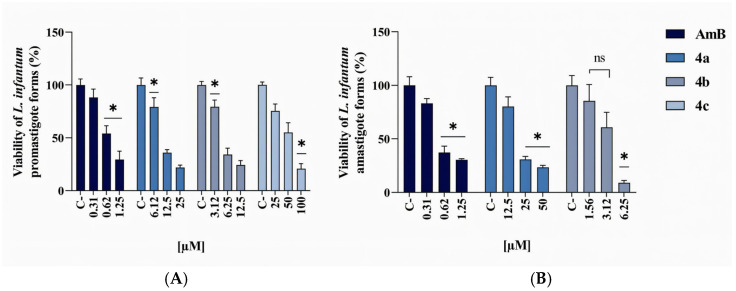 Figure 1
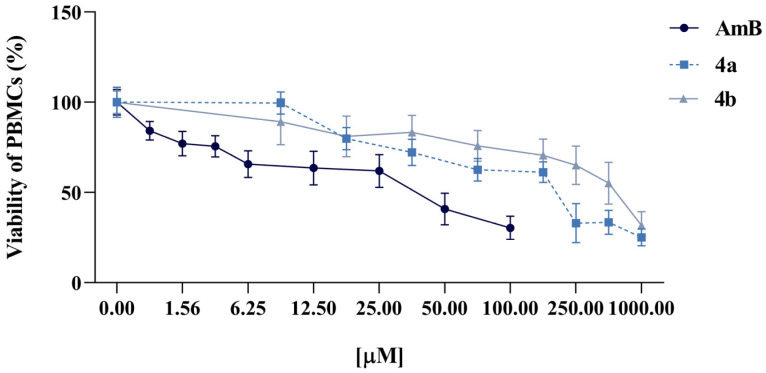 Figure 2
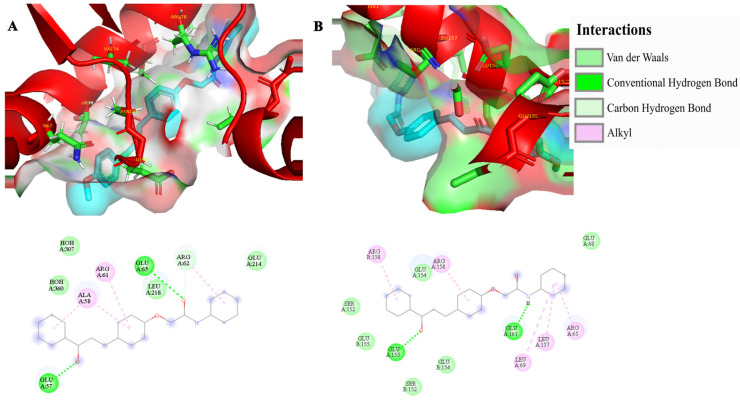 Figure 3
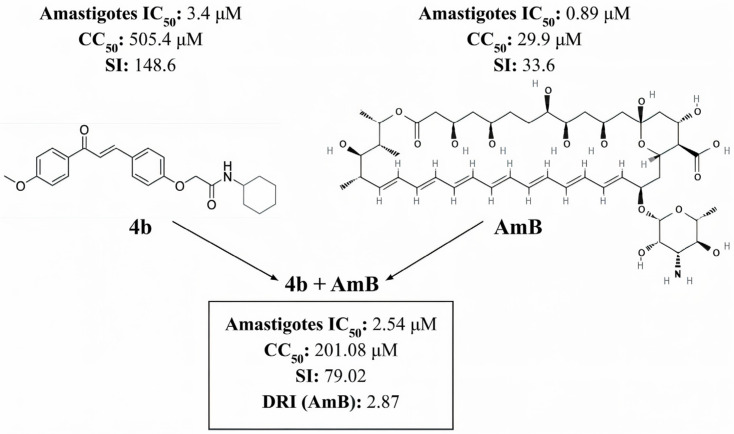 Figure 4
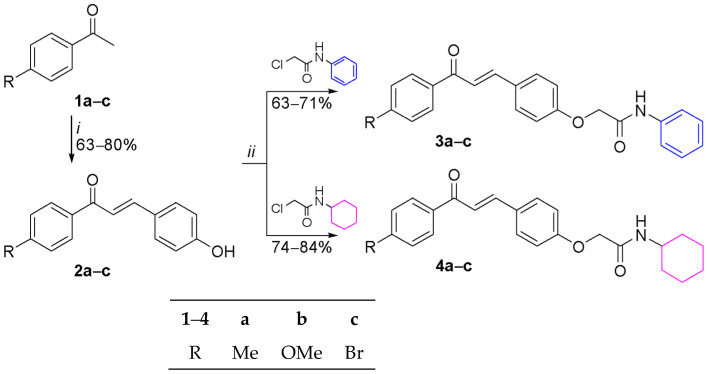 Figure 5
Peer Reviews
No public reviews on file for this paper yet. If you reviewed it on a platform where reviews are public (OpenReview, ICLR, NeurIPS, ICML), you can paste yours below so the community can read it here.
Videos
No videos yet. Explain this paper in a talk, walkthrough, or lecture? Add one.
Taxonomy
TopicsResearch on Leishmaniasis Studies · Synthesis and biological activity · Enzyme function and inhibition