Effects of Interoceptive Awareness on Recognition of and Sensitivity to Emotions in Masked Facial Stimuli
Kaho Yamasaki, Hiromitsu Miyata

TL;DR
Wearing masks can make it harder to recognize and feel emotions from faces, but being aware of bodily sensations may help reduce this effect.
Contribution
The study explores how interoceptive awareness affects emotion recognition from masked faces, a novel angle in emotion perception research.
Findings
Accuracy in emotion categorization was lower for masked compared to unmasked faces.
Valence and arousal levels were closer to neutral for masked faces across multiple emotions.
Higher interoceptive awareness was linked to greater valence perception for masked surprise expressions.
Abstract
The present study examined associations between presence/absence of a mask and facial emotion recognition, and how interoceptive awareness, i.e., the perception of internal bodily sensations, may influence associations between them. Eighty-two university students participated in an online behavioral experiment. Participants were required to evaluate categories of emotions as well as valence and arousal levels of facial stimuli that were either neutral or expressed one of Paul Ekman’s basic emotions, i.e., anger, disgust, fear, happiness, sadness, and surprise. Participants also completed a psychological scale on interoceptive awareness. Results showed that accuracy of categorization was significantly lower and levels of valence and arousal were significantly closer to neutral in masked than in unmasked faces for multiple emotions. In addition, individuals who showed higher, as compared…
Genes, proteins, chemicals, diseases, species, mutations and cell lines named across the full text — each resolved to its canonical identifier and authoritative record.
Click any figure to enlarge with its caption.
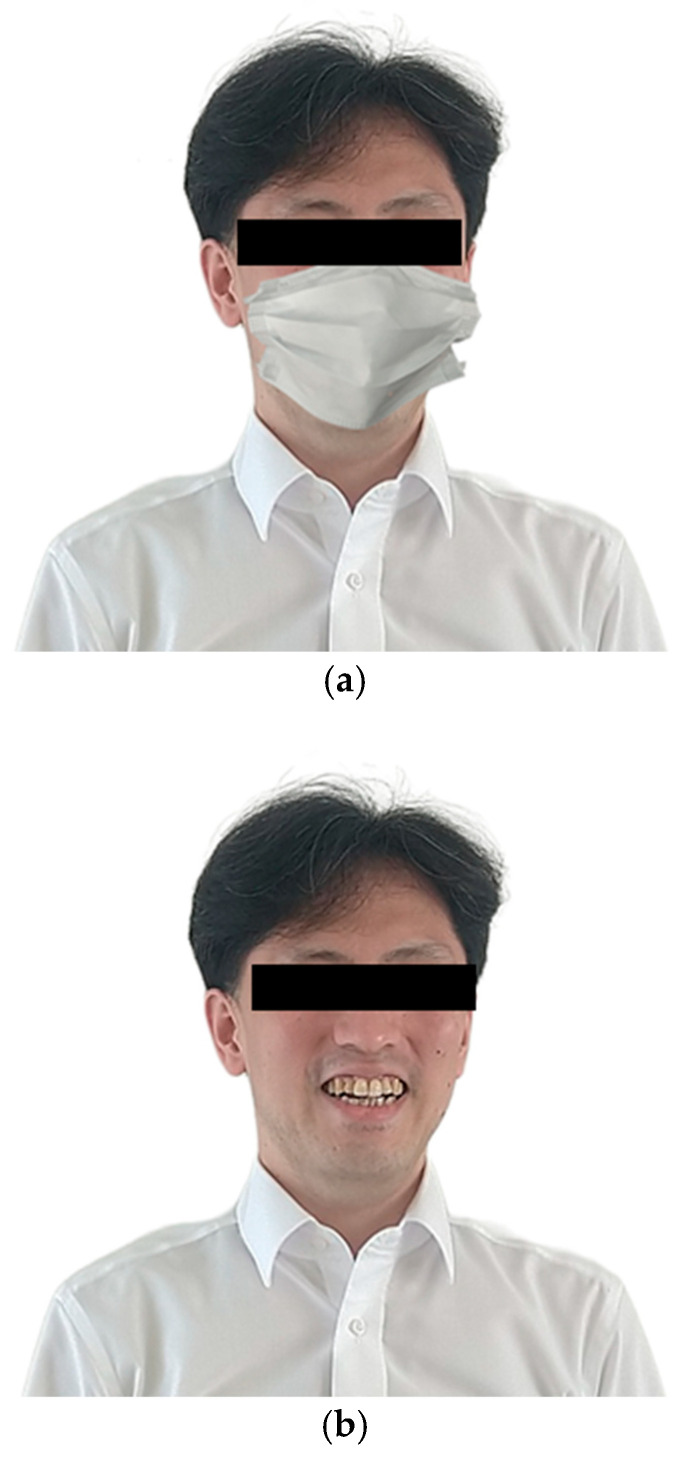 Figure 1
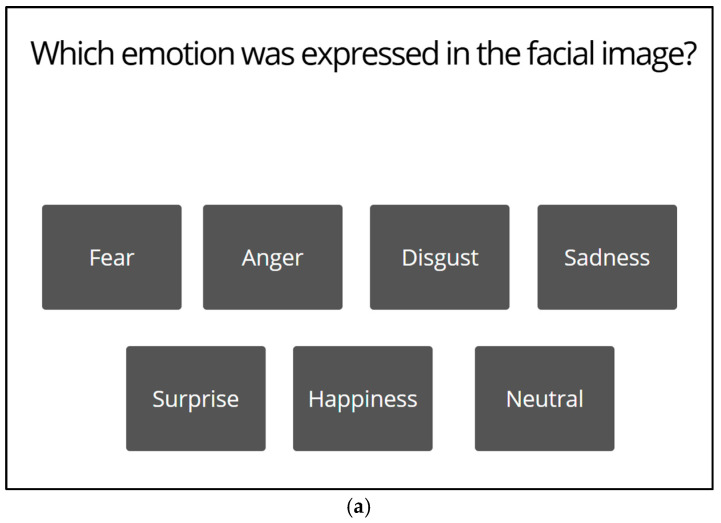 Figure 2
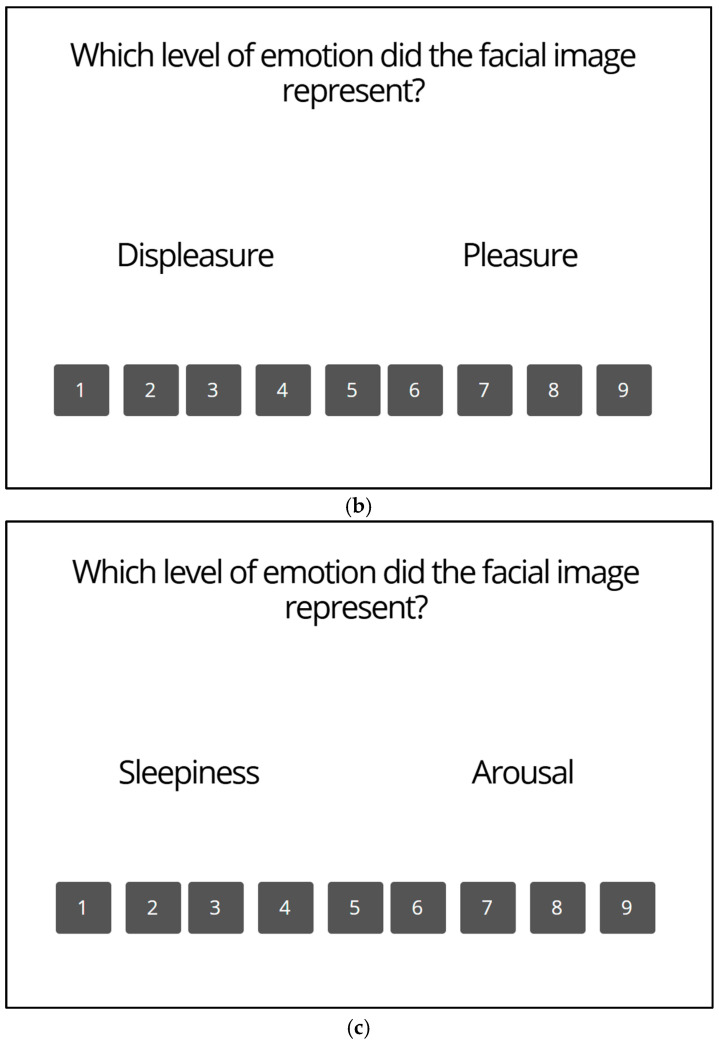 Figure 3
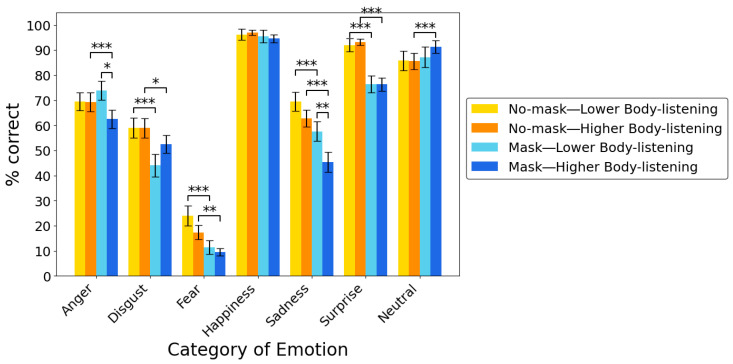 Figure 4
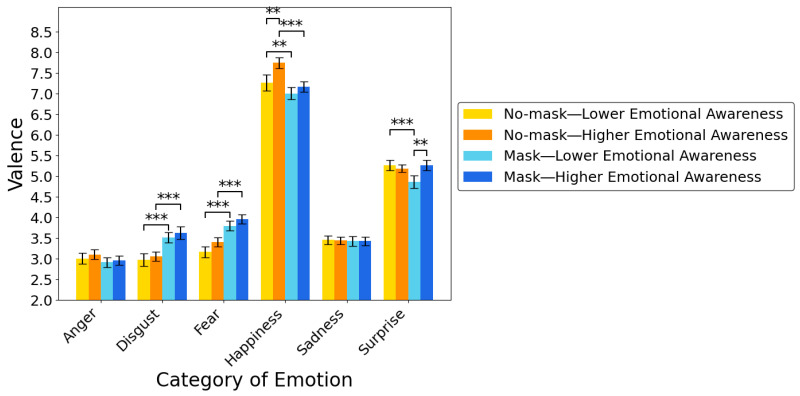 Figure 5
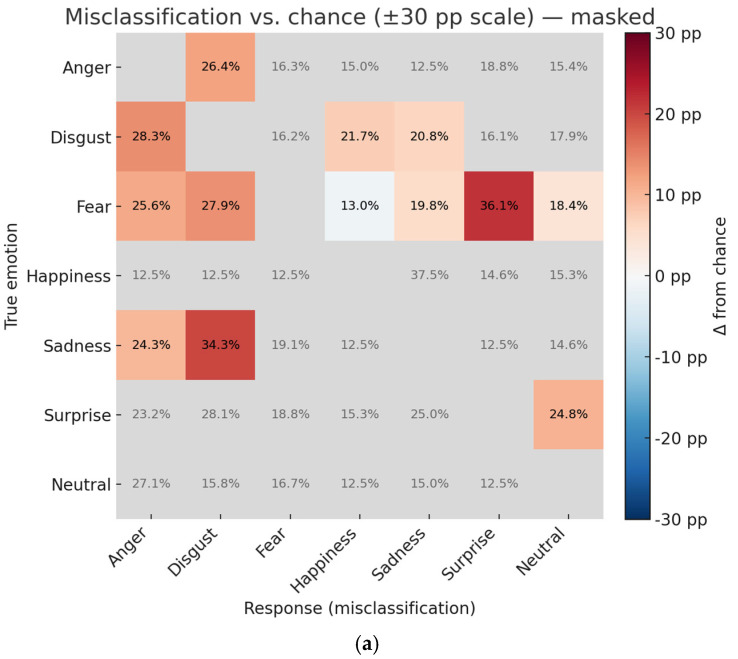 Figure 6
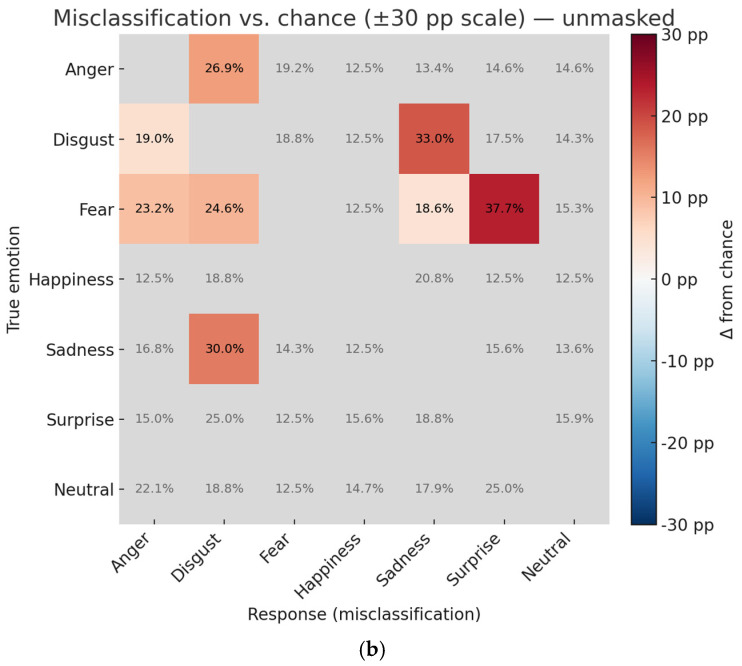 Figure 7
Peer Reviews
No public reviews on file for this paper yet. If you reviewed it on a platform where reviews are public (OpenReview, ICLR, NeurIPS, ICML), you can paste yours below so the community can read it here.
Videos
No videos yet. Explain this paper in a talk, walkthrough, or lecture? Add one.
Taxonomy
TopicsPsychosomatic Disorders and Their Treatments · Face Recognition and Perception · Virtual Reality Applications and Impacts