Shikonin-Loaded Nanoparticles Attenuate Particulate Matter-Induced Skin Injury by Inhibiting Oxidative Stress and Inflammation
Feifei Huang, Qinghua Tang, Ke Wang, Lingmei Zhou, Ruiwei Liao, Zhuoya Wang, Yan Li, Lin Zhou, Ming Li

TL;DR
Shikonin-loaded nanoparticles reduce skin damage caused by fine particulate matter by reducing oxidative stress and inflammation.
Contribution
A novel nanoparticle formulation of shikonin is developed to enhance its bioavailability and efficacy against PM2.5-induced skin injury.
Findings
SH-NPs improved skin structure and reduced epidermal thickening and collagen fiber reduction in a mouse model.
SH-NPs increased antioxidant enzymes and decreased markers of oxidative stress and inflammation in vivo.
SH-NPs demonstrated high encapsulation efficiency and enhanced cellular uptake in HaCaT cells.
Abstract
Exposure to fine particulate matter (PM2.5) poses a major threat to skin health, yet effective prevention strategies remain limited. Shikonin, a naphthoquinone derived from Lithospermum erythrorhizon, exhibits potent antioxidant and anti-inflammatory activities. However, its therapeutic application is limited by low bioavailability. To address this limitation, we developed shikonin-loaded nanoparticles (SH-NPs) using an emulsion solvent evaporation method and characterized their physicochemical properties. The protective effects of SH-NPs against PM2.5-induced skin damage were evaluated in a mouse model. The SH-NPs exhibited favorable characteristics, including a mean particle size of 209.03 ± 2.45 nm, a PDI of 0.064 ± 0.03, and a zeta potential of –17.69 ± 2.06 mV. The encapsulation efficiency is 88% and the drug loading capacity is 5.5%, respectively. In vitro, SH-NPs significantly…
Genes, proteins, chemicals, diseases, species, mutations and cell lines named across the full text — each resolved to its canonical identifier and authoritative record.
Click any figure to enlarge with its caption.
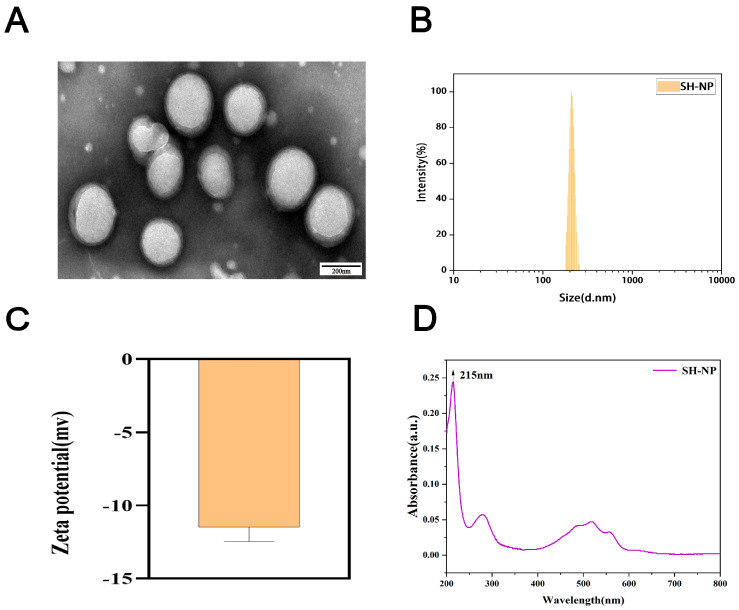 Figure 1
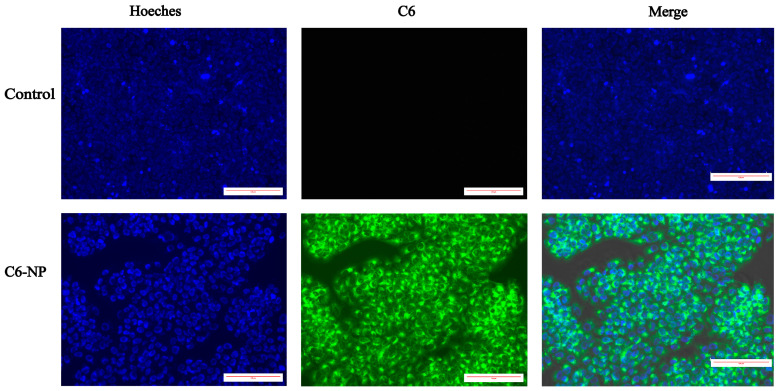 Figure 2
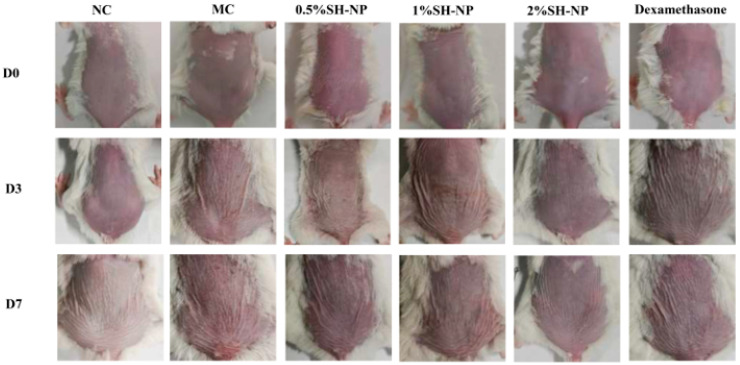 Figure 3
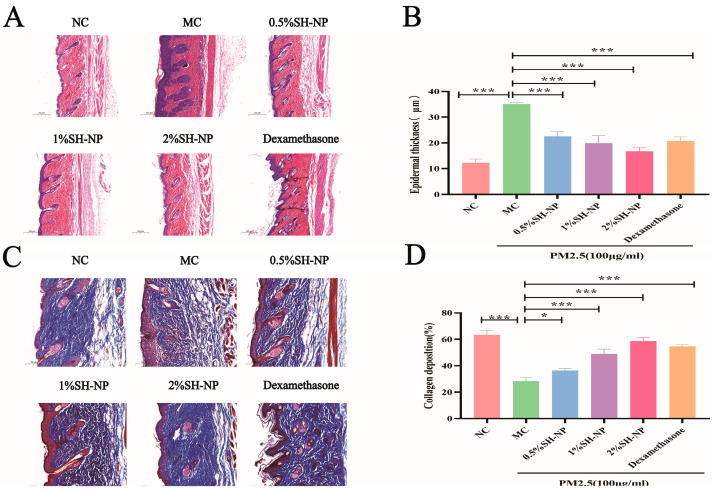 Figure 4
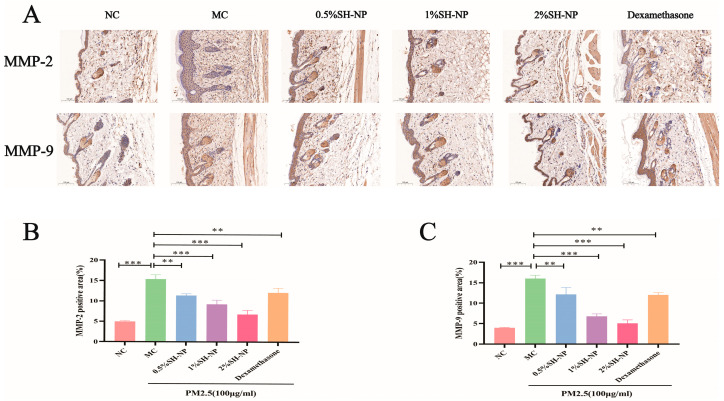 Figure 5
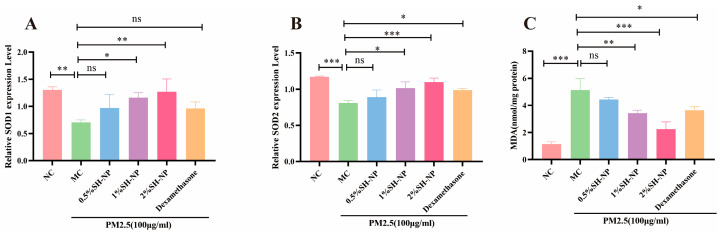 Figure 6
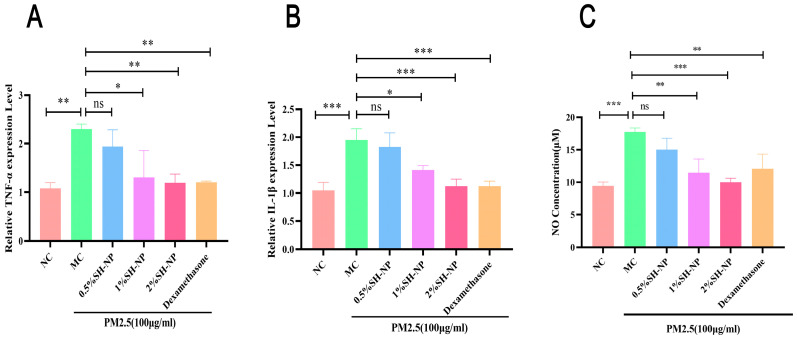 Figure 7
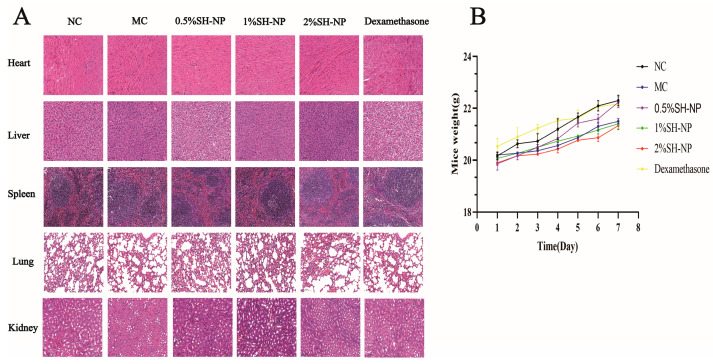 Figure 8
Peer Reviews
No public reviews on file for this paper yet. If you reviewed it on a platform where reviews are public (OpenReview, ICLR, NeurIPS, ICML), you can paste yours below so the community can read it here.
Videos
No videos yet. Explain this paper in a talk, walkthrough, or lecture? Add one.
Taxonomy
TopicsBioactive Compounds and Antitumor Agents · Chemical and Physical Studies · Natural Compound Pharmacology Studies