Sustainable Fertilization with Ramial Chipped Wood Enhances Antioxidant Profiles in Tomato Varieties: An Untargeted Metabolomics Approach
Mohamed M. Abuhabib, Clara Abarca-Rivas, Julián Lozano-Castellón, Anna Vallverdú-Queralt, Johana González-Coria, Sebastian T. Soukup, Rosa M. Lamuela-Raventós, Maria Pérez, Joan Romanyà

TL;DR
Using ramial chipped wood as a sustainable fertilizer boosts antioxidant levels in tomatoes, with different varieties showing unique responses.
Contribution
This study introduces RCW as a sustainable fertilization method that enhances tomato antioxidant profiles through untargeted metabolomics.
Findings
RCW increased antioxidant compounds like phenolic acids and flavonoids compared to compost and control.
Variety-specific differences were observed, with eriodictyol in V1-V3 and luteolin-8-O-glucoside in V4.
No dose–response effect was found between different RCW application rates.
Abstract
Tomatoes are among the most consumed vegetables within the Mediterranean diet, recognized as one of the healthiest dietary patterns in the world. This study evaluated the effects of four fertilization treatments on the antioxidant and metabolic profiles of four local tomato varieties: Cornabel (V1), Cuban Pepper (V2), Corno Andino (V3), and Roli Rosa (V4). Treatment 1 (T1) used 1.28 kg/m2 of commercial woody compost (C/N ratio 13), while Treatment 2 (T2) served as the control, initially without fertilization. Treatments 3 and 4 (T3, T4) incorporated ramial chipped wood (RCW) at 15 kg/m2 and 7.5 kg/m2, respectively, without tillage. Each treatment × variety combination included four biological replicates (n = 4). Untargeted metabolomic profiling via UHPLC-QToF and statistical analyses identified 163 compounds, 37 of which showed significant varietal differences (p < 0.05). The flavonoid…
Genes, proteins, chemicals, diseases, species, mutations and cell lines named across the full text — each resolved to its canonical identifier and authoritative record.
Click any figure to enlarge with its caption.
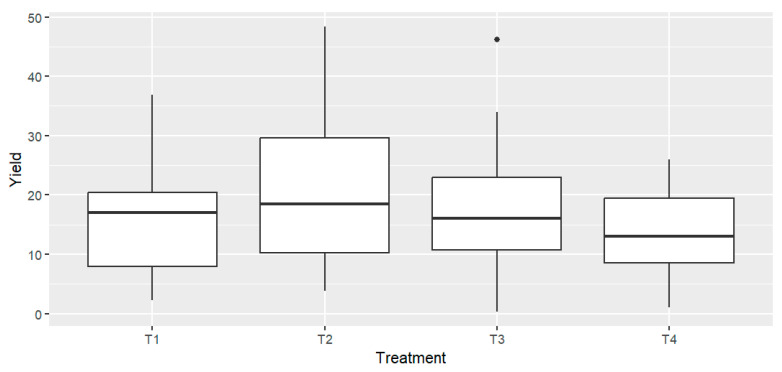 Figure 1
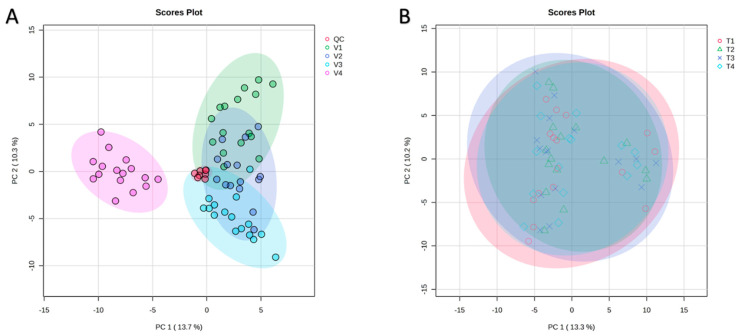 Figure 2
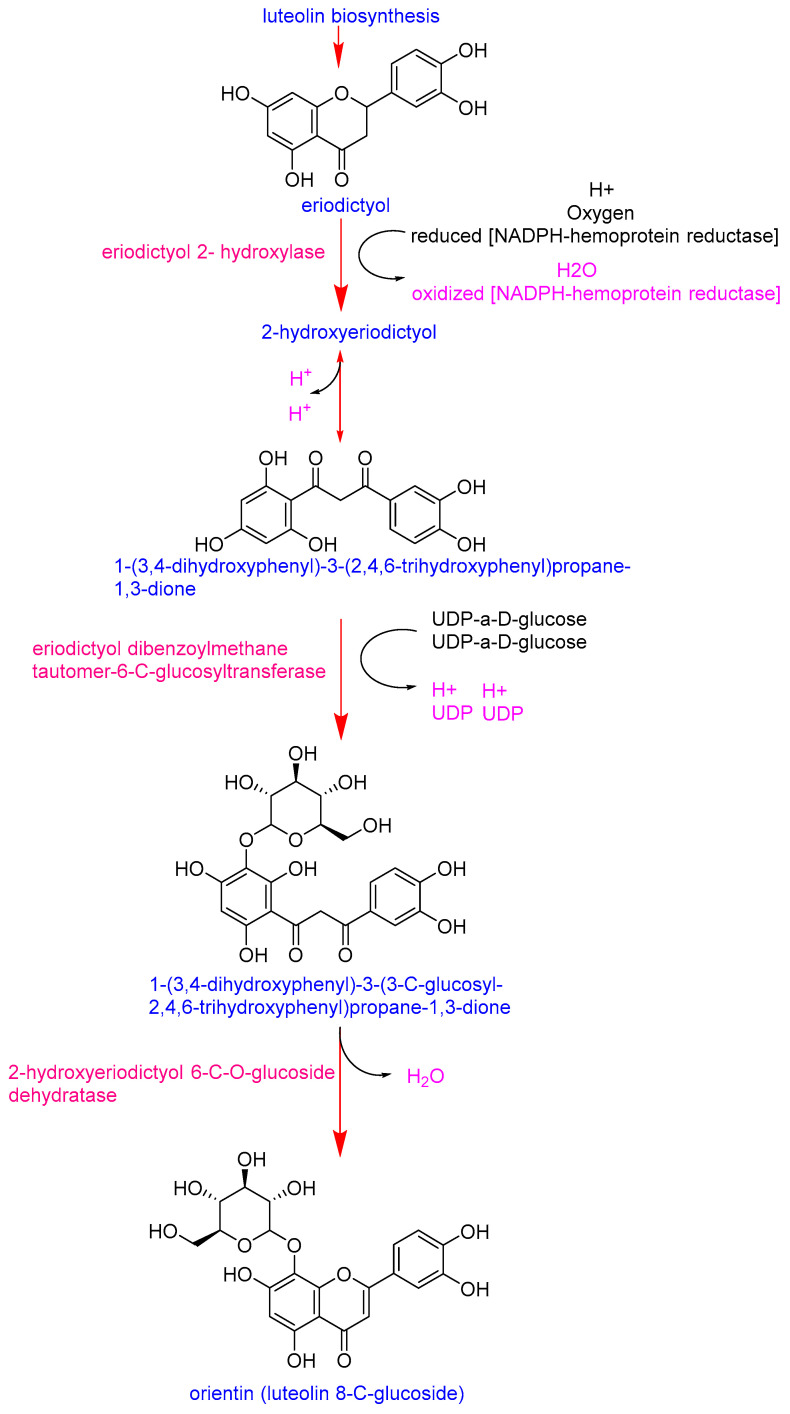 Figure 3
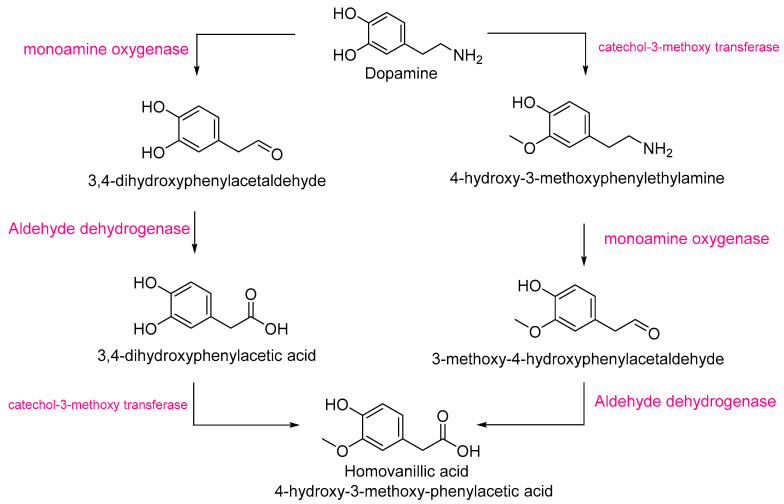 Figure 4
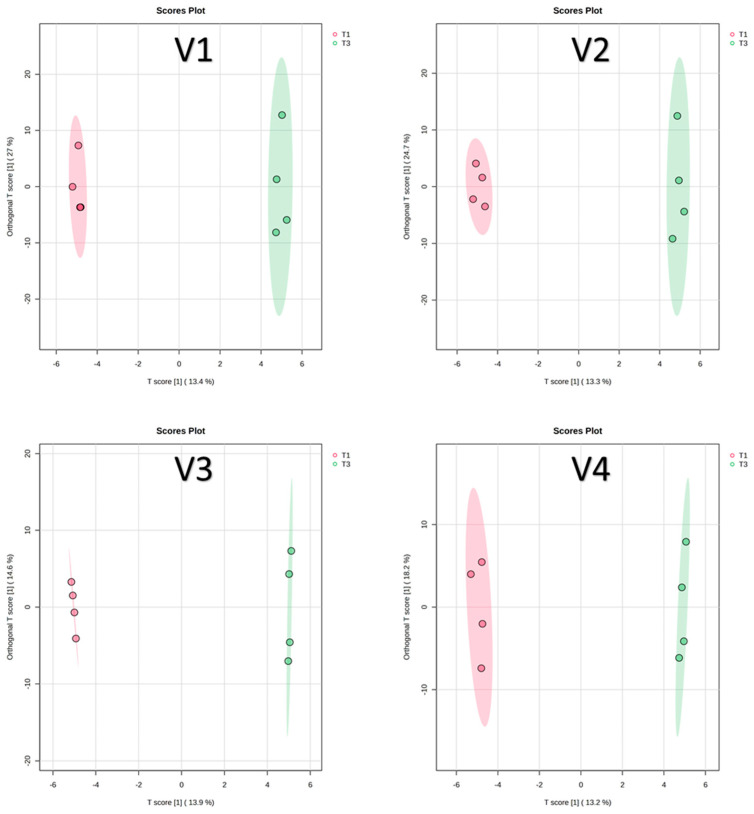 Figure 5
Peer Reviews
No public reviews on file for this paper yet. If you reviewed it on a platform where reviews are public (OpenReview, ICLR, NeurIPS, ICML), you can paste yours below so the community can read it here.
Videos
No videos yet. Explain this paper in a talk, walkthrough, or lecture? Add one.
Taxonomy
TopicsPostharvest Quality and Shelf Life Management · Phytochemicals and Antioxidant Activities · Plant Gene Expression Analysis