Cloud-Based Personalized sEMG Classification Using Lightweight CNNs for Long-Term Haptic Communication in Deaf-Blind Individuals
Kaavya Tatavarty, Maxwell Johnson, Boris Rubinsky

TL;DR
A cloud-based system using lightweight CNNs and sEMG helps deaf-blind individuals communicate through haptic feedback on an arm-mounted sleeve, improving independence and adaptability.
Contribution
A novel cloud-based, AI-assisted haptic communication system using personalized lightweight CNNs for long-term use by individuals with Usher syndrome.
Findings
Personalized models outperformed cross-user models in accuracy, adaptability, and usability.
The system preserves manual dexterity by relocating tactile interaction to an arm-mounted sleeve.
Real-time testing with seven participants validated the system's effectiveness and adaptability.
Abstract
Deaf-blindness, particularly in progressive conditions such as Usher syndrome, presents profound challenges to communication, independence, and access to information. Existing tactile communication technologies for individuals with Usher syndrome are often limited by the need for close physical proximity to trained interpreters, typically requiring hand-to-hand contact. In this study, we introduce a novel, cloud-based, AI-assisted gesture recognition and haptic communication system designed for long-term use by individuals with Usher syndrome, whose auditory and visual abilities deteriorate with age. Central to our approach is a wearable haptic interface that relocates tactile input and output from the hands to an arm-mounted sleeve, thereby preserving manual dexterity and enabling continuous, bidirectional tactile interaction. The system uses surface electromyography (sEMG) to capture…
Genes, proteins, chemicals, diseases, species, mutations and cell lines named across the full text — each resolved to its canonical identifier and authoritative record.
Click any figure to enlarge with its caption.
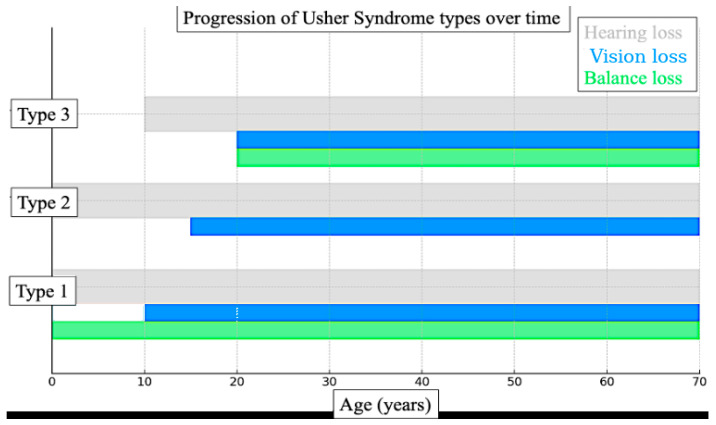 Figure 1
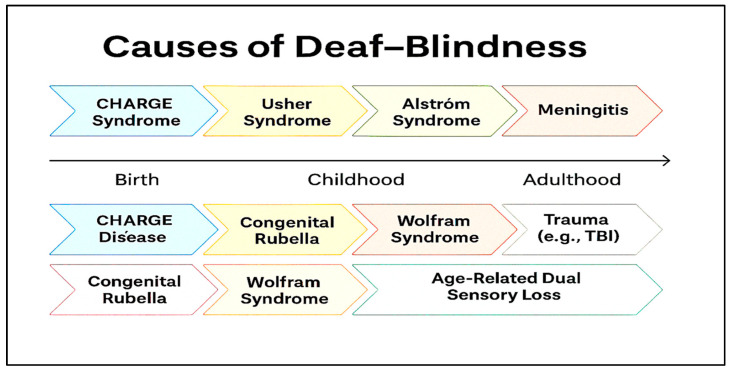 Figure 2
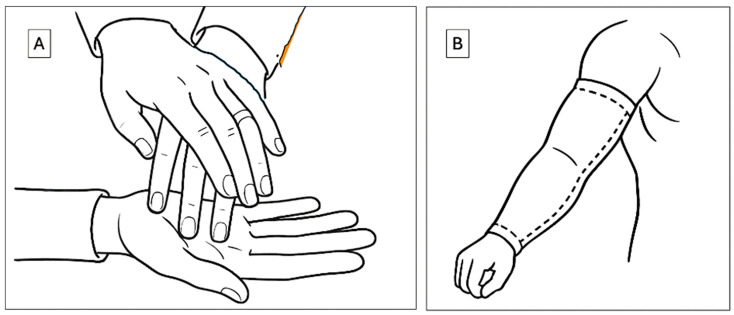 Figure 3
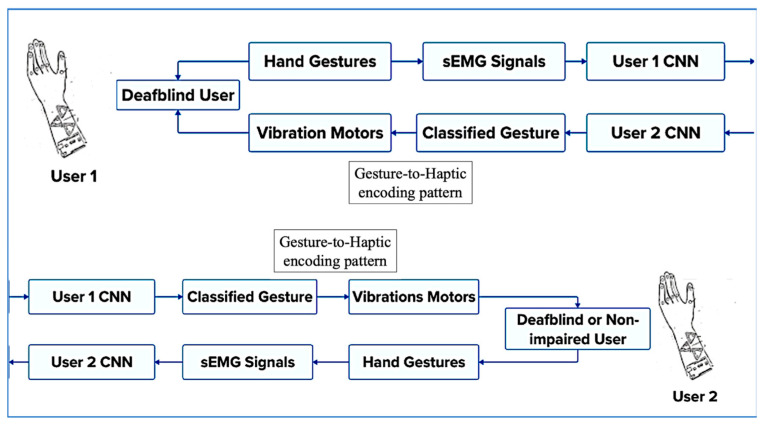 Figure 4
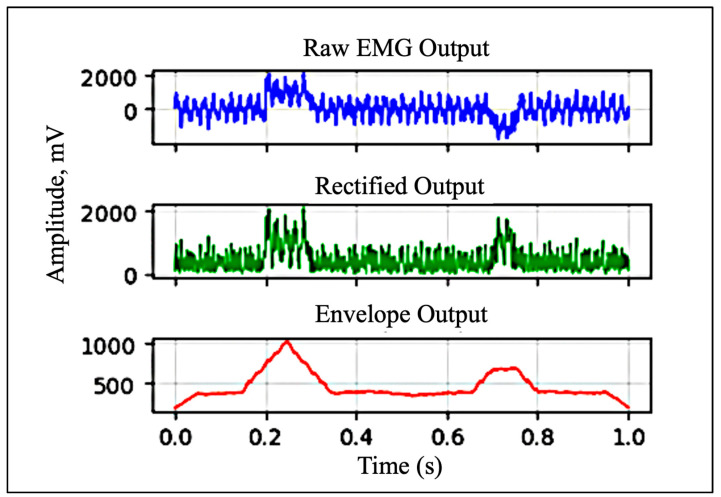 Figure 5
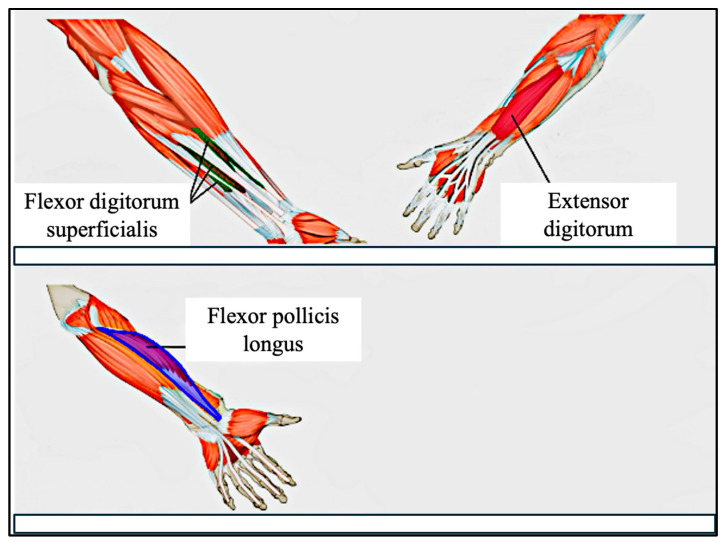 Figure 6
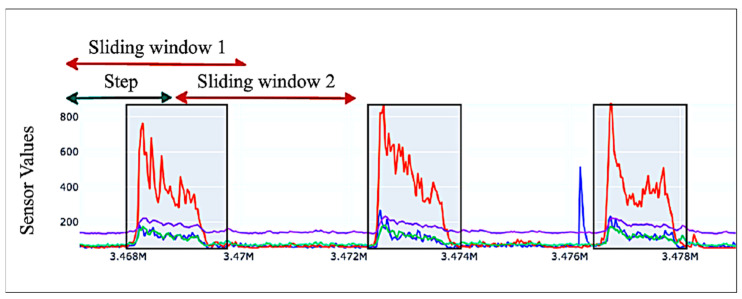 Figure 7
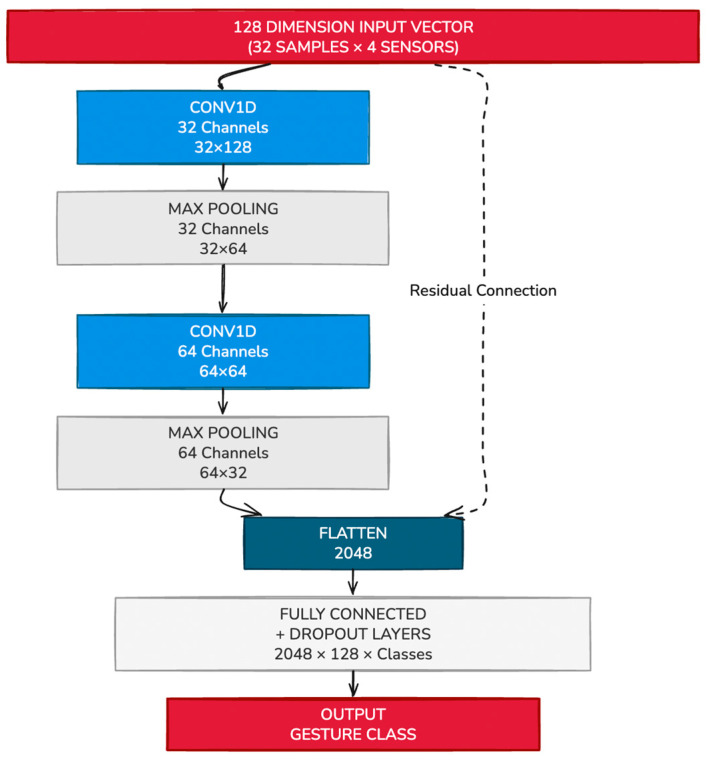 Figure 8
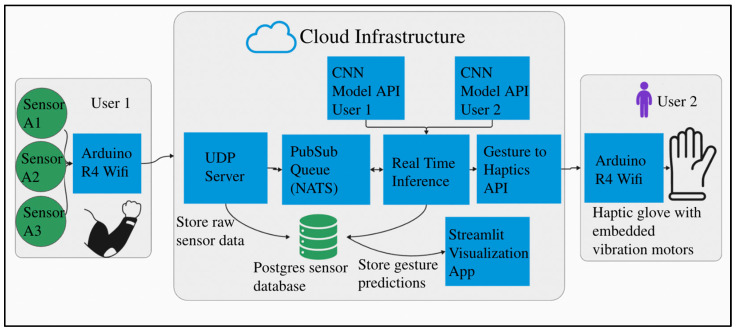 Figure 9
 Figure 10
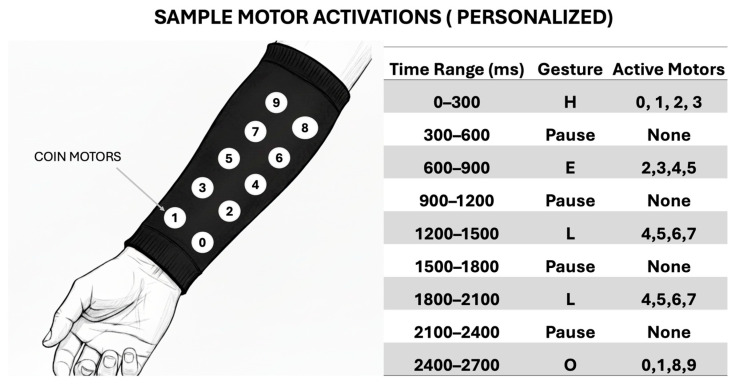 Figure 11
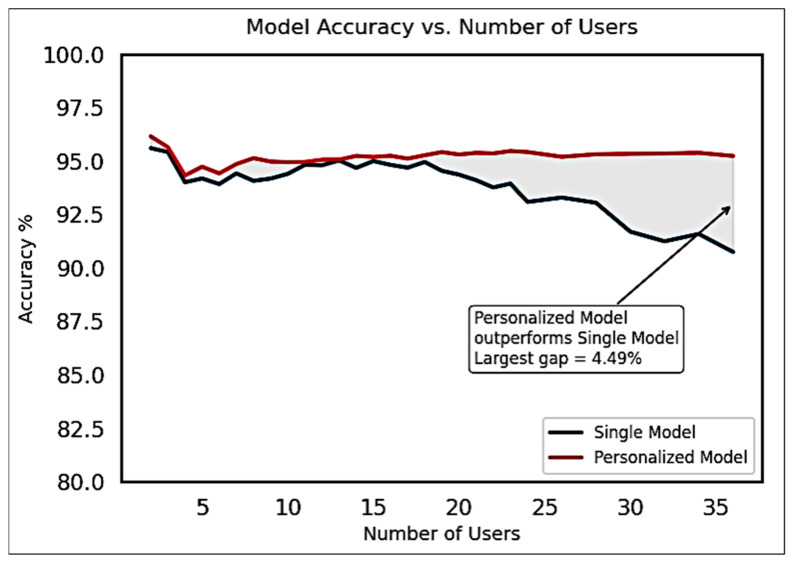 Figure 12
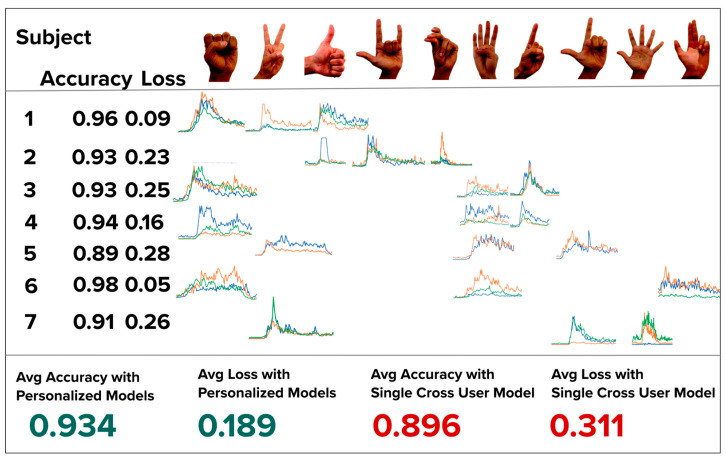 Figure 13
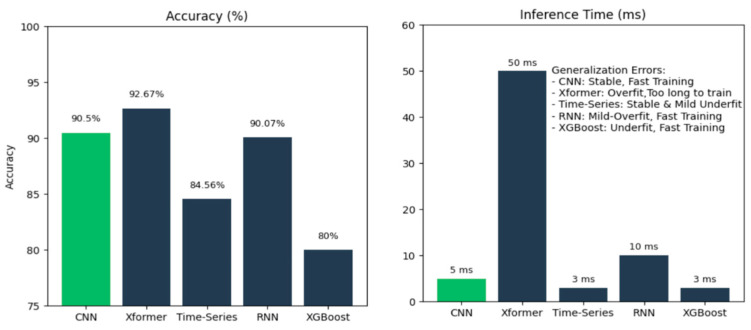 Figure 14
Peer Reviews
No public reviews on file for this paper yet. If you reviewed it on a platform where reviews are public (OpenReview, ICLR, NeurIPS, ICML), you can paste yours below so the community can read it here.
Videos
No videos yet. Explain this paper in a talk, walkthrough, or lecture? Add one.
Taxonomy
TopicsTactile and Sensory Interactions · Muscle activation and electromyography studies · Hand Gesture Recognition Systems