Molecular Mechanisms Underpinning Astaxanthin-Induced Body Coloration in the Lutjanus erythropterus Revealed by Phenotypic, Physiological and Transcriptomic Analyses
Lei Song, Zizhao Chen, Zhuoxin Lai, Wenjun Feng, Zhongduo Wang, Yusong Guo

TL;DR
This study explores how astaxanthin affects body coloration in Lutjanus erythropterus through phenotypic, physiological, and transcriptomic analyses.
Contribution
The study reveals molecular mechanisms by which astaxanthin influences pigmentation and antioxidant activity in Lutjanus erythropterus.
Findings
Astaxanthin supplementation significantly enhances body coloration and growth in Lutjanus erythropterus.
Transcriptomic analysis identified key genes and pathways involved in carotenoid metabolism and pigmentation.
Astaxanthin improves liver antioxidant capacity by increasing T-SOD activity and reducing MDA levels.
Abstract
Lutjanus erythropterus is a key aquaculture species in the South China Sea, and its market value is significantly influenced by body coloration. Juvenile fish were divided into a control group and an astaxanthin-supplemented group to investigate the molecular mechanisms underlying coloration development. The results indicate that astaxanthin promotes growth and development, enhances the activity of liver antioxidant enzymes, and increases skin redness as well as carotenoid content. Furthermore, it influences red body color formation by regulating transcription levels in multiple tissues. Astaxanthin has attracted considerable interest, owing to its potent antioxidant and pigmentation properties. To investigate its effects of astaxanthin on body color variation in Lutjanus erythropterus, fish were divided into a control group and a treatment group fed an astaxanthin-supplemented diet.…
Genes, proteins, chemicals, diseases, species, mutations and cell lines named across the full text — each resolved to its canonical identifier and authoritative record.
Click any figure to enlarge with its caption.
 Figure 1
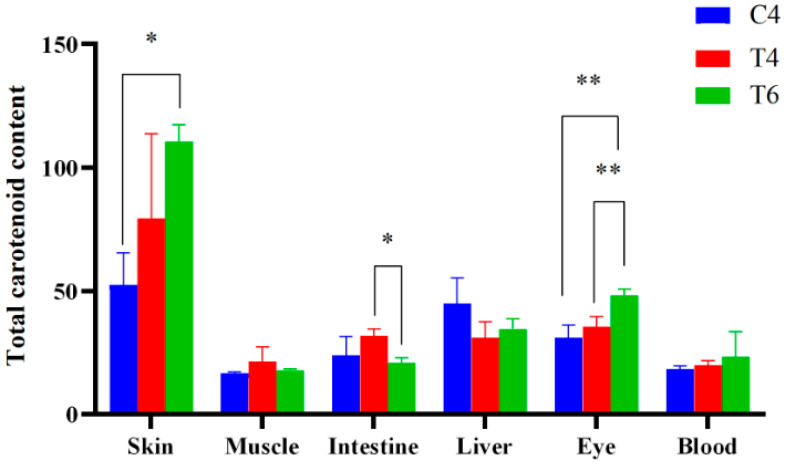 Figure 2
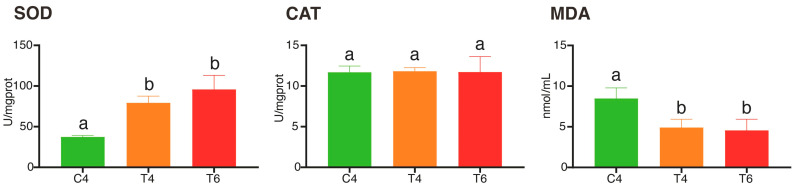 Figure 3
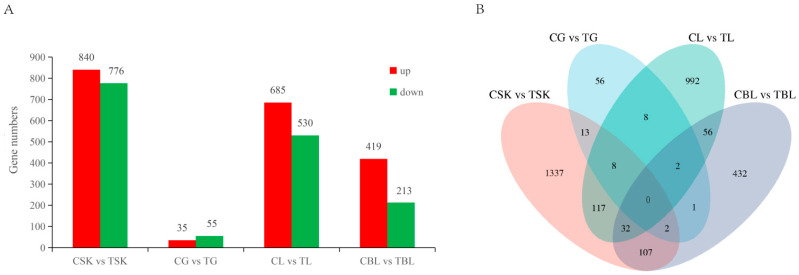 Figure 4
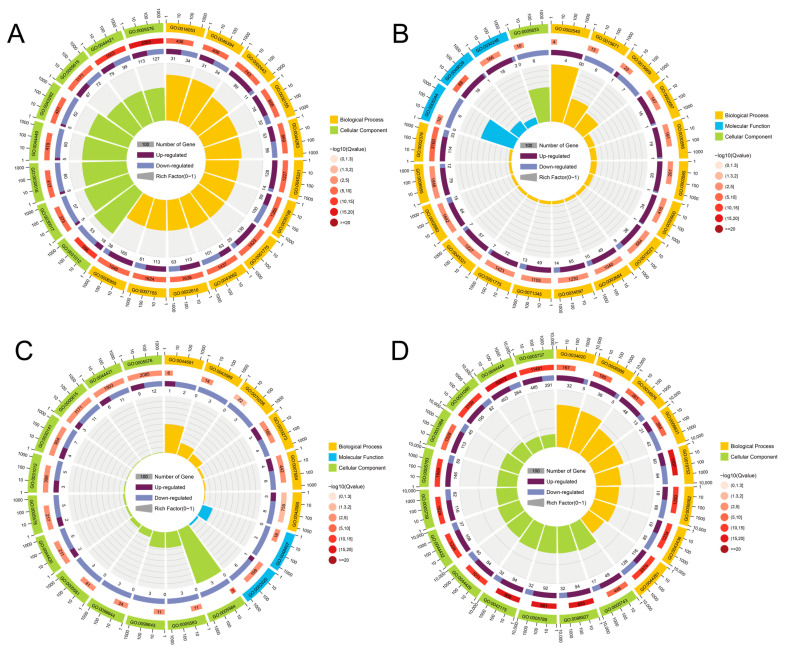 Figure 5
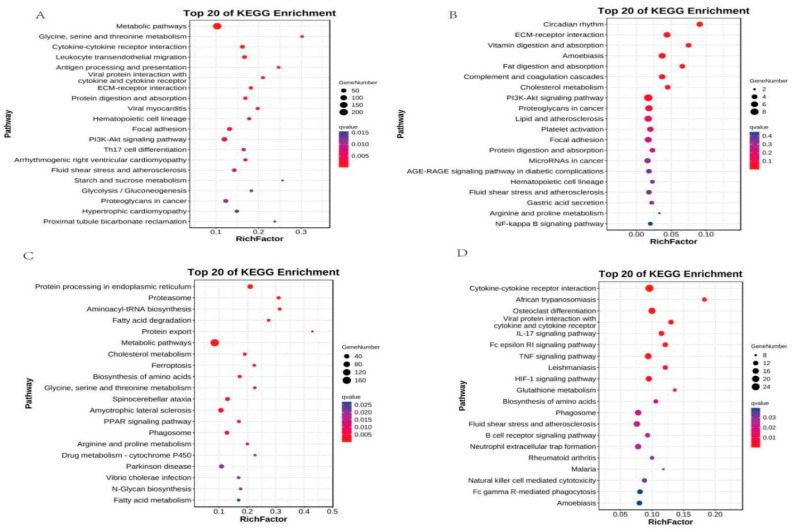 Figure 6
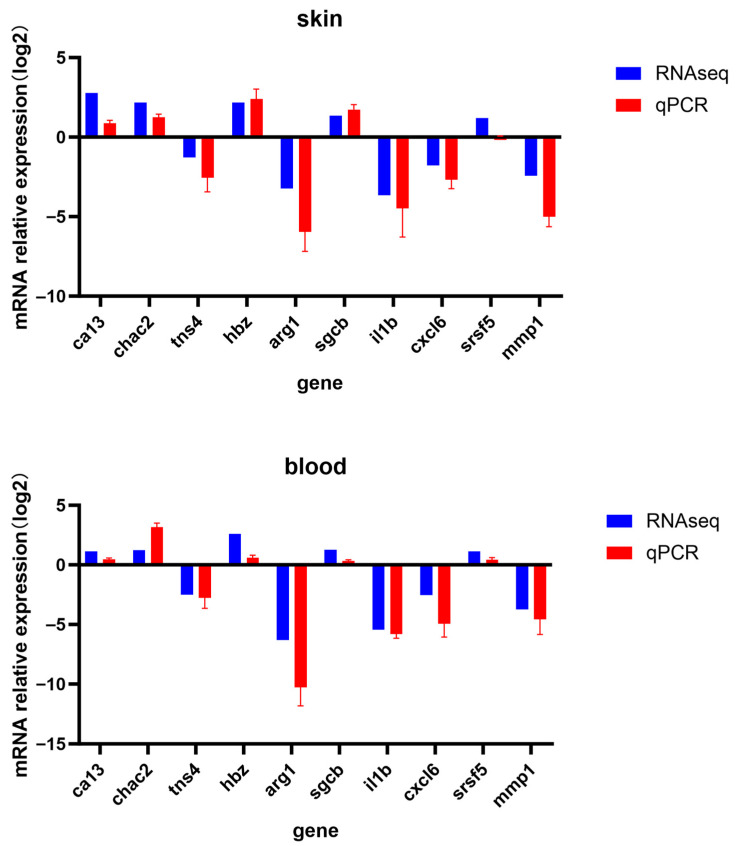 Figure 7
Peer Reviews
No public reviews on file for this paper yet. If you reviewed it on a platform where reviews are public (OpenReview, ICLR, NeurIPS, ICML), you can paste yours below so the community can read it here.
Videos
No videos yet. Explain this paper in a talk, walkthrough, or lecture? Add one.
Taxonomy
TopicsAntioxidant Activity and Oxidative Stress · Microbial Metabolism and Applications · Genetics, Aging, and Longevity in Model Organisms