Systematic Review and Meta-Analysis of Explainable Machine Learning Models for Clinical Depression Detection
Ariosto Trelles, Tomás Fontaines Ruiz, Antonio Ponce Rojo

TL;DR
This paper reviews machine learning models for detecting depression, finding that data quality and interpretability matter more than the specific algorithm used.
Contribution
The study systematically evaluates and compares the performance and interpretability of various machine learning models for depression detection using real-world data.
Findings
XGBoost achieved the best average performance with an F1-Score of 0.86 and AUC-ROC of 0.84.
SHAP was the most commonly used interpretability method, appearing in 70% of the studies.
F1-Score strongly correlated with AUC-ROC (r = 0.950), but both metrics showed high heterogeneity across studies.
Abstract
Depression is among the most prevalent mental disorders, and its early detection is essential to improving therapeutic outcomes in psychotherapy. This systematic review and meta-analysis evaluated the accuracy, interpretability, and generalizability of supervised algorithms (SVM, Random Forest, XGBoost, and GCN) for clinical detection of depression using real-world data. Following PRISMA guidelines, 20 studies published between 2014 and 2025 were analyzed across major scientific databases. Extracted metrics included F1-Score, AUC-ROC, interpretability methods (SHAP/LIME), and cross-validation strategies, with statistical analyses using ANOVA and Pearson correlations. Results showed that XGBoost achieved the best average performance (F1-Score: 0.86; AUC-ROC: 0.84), although differences across algorithms were not statistically significant (p > 0.05), challenging claims of algorithmic…
Genes, proteins, chemicals, diseases, species, mutations and cell lines named across the full text — each resolved to its canonical identifier and authoritative record.
Click any figure to enlarge with its caption.
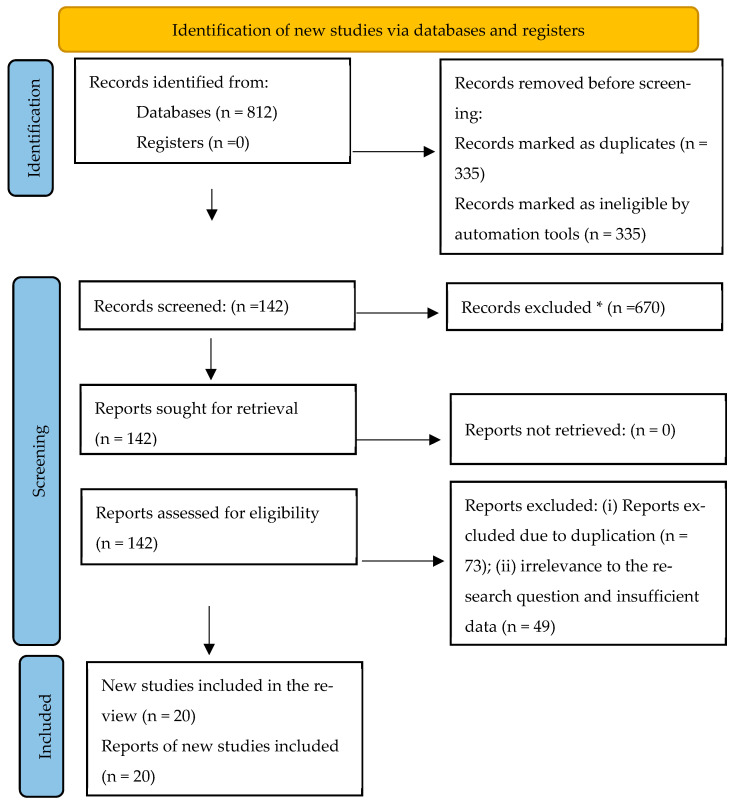 Figure 1
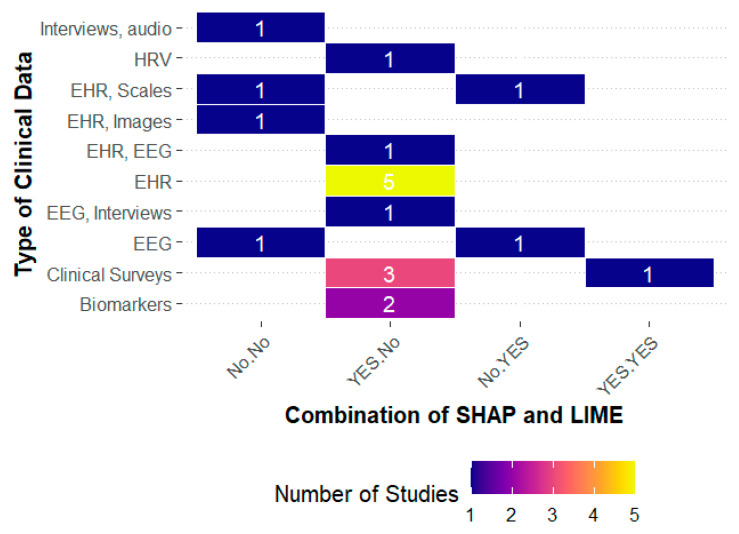 Figure 2
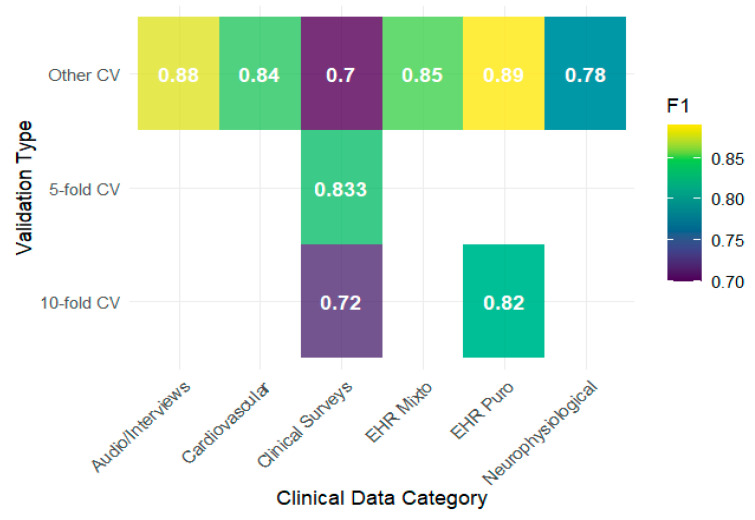 Figure 3
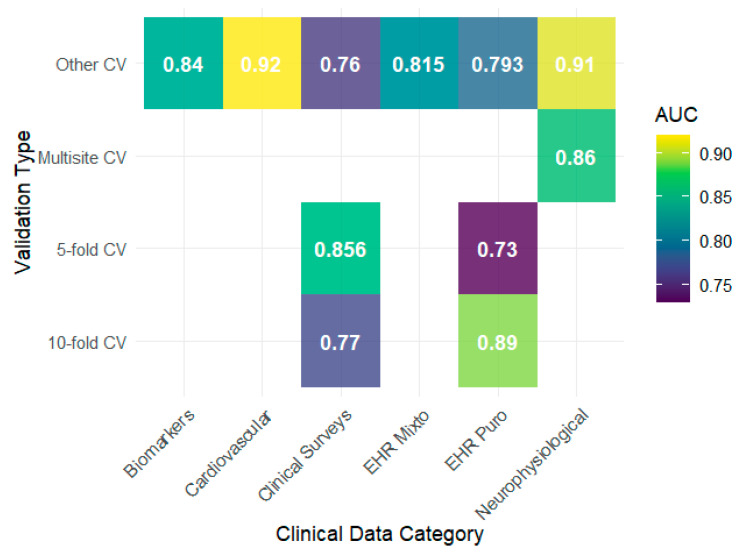 Figure 4
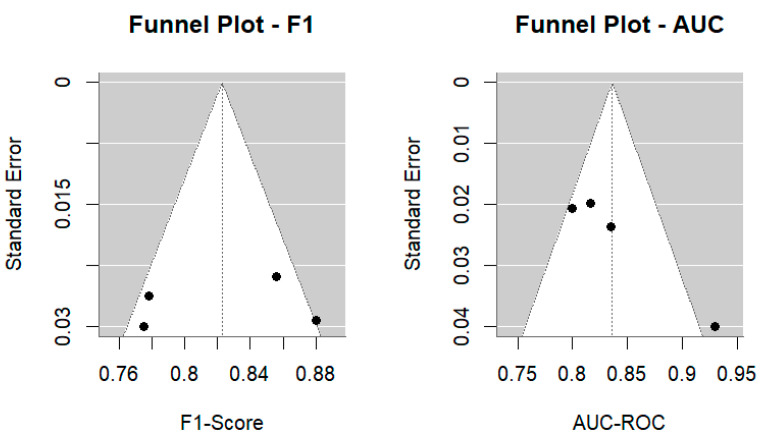 Figure 5
Peer Reviews
No public reviews on file for this paper yet. If you reviewed it on a platform where reviews are public (OpenReview, ICLR, NeurIPS, ICML), you can paste yours below so the community can read it here.
Videos
No videos yet. Explain this paper in a talk, walkthrough, or lecture? Add one.
Taxonomy
TopicsMental Health via Writing · Digital Mental Health Interventions · Emotion and Mood Recognition