Reticuloruminal Motility Monitoring for the Prediction of Peripartal Hypocalcemia in Cattle
Julia Gleissenberger, Philipp Breitegger, Matthias Gleissenberger, Michael Astl, Daniel Eingang, Georg Terler, Mathias Petermichl, Johann Gasteiner, Thomas Wittek

TL;DR
This study explores using wireless sensors in cows' rumens to predict hypocalcemia risk before or after calving, showing that sensor data can predict the condition better than traditional methods.
Contribution
The study introduces a deep learning model using reticuloruminal sensor data to predict hypocalcemia with higher accuracy than simple thresholds.
Findings
Cows with low calcium levels before calving had reduced rumination times compared to healthy cows.
A deep learning model trained on external data achieved 83.2% sensitivity and 98.2% specificity in predicting hypocalcemia.
Sensor-based prediction outperformed traditional methods like rumination time thresholds.
Abstract
Currently, cow-level prediction methods of hypocalcemia risk, which are based on laboratory results, have only low to moderate predictive values. The present study explores whether data measured by a reticuloruminal bolus wireless sensor may be used for the prediction of hypocalcemia risk before or close after calving. Cattle fitted with rumen sensors were monitored during the peripartal period, and blood samples were obtained for laboratory analyses. The sensor continuously recorded rumination time, rumen motility, and reticular temperature. Correlations between total serum calcium concentrations at parturition and variously, rumination time, reticular temperature, as well as the rumen motility during the days before calving have been found, indicating a potential predictive value of these latter parameters. Furthermore, the data collected in this study were used to assess the…
Genes, proteins, chemicals, diseases, species, mutations and cell lines named across the full text — each resolved to its canonical identifier and authoritative record.
Click any figure to enlarge with its caption.
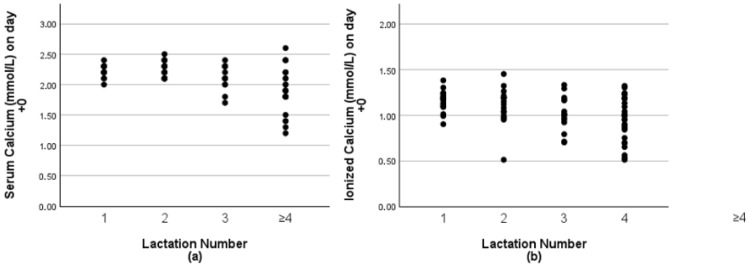 Figure 1
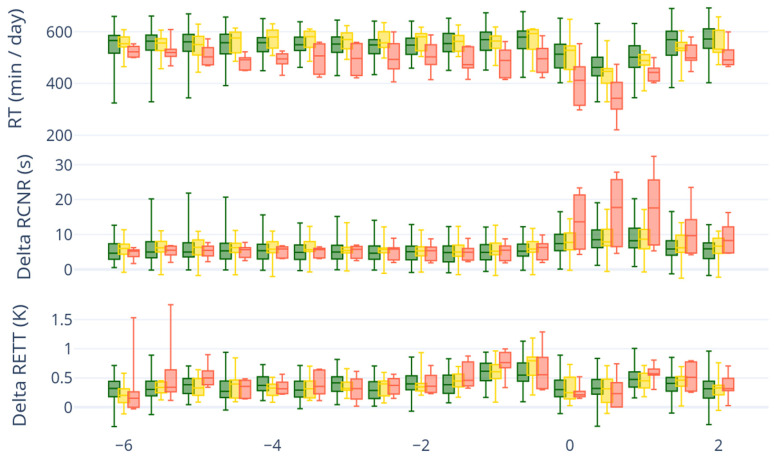 Figure 2
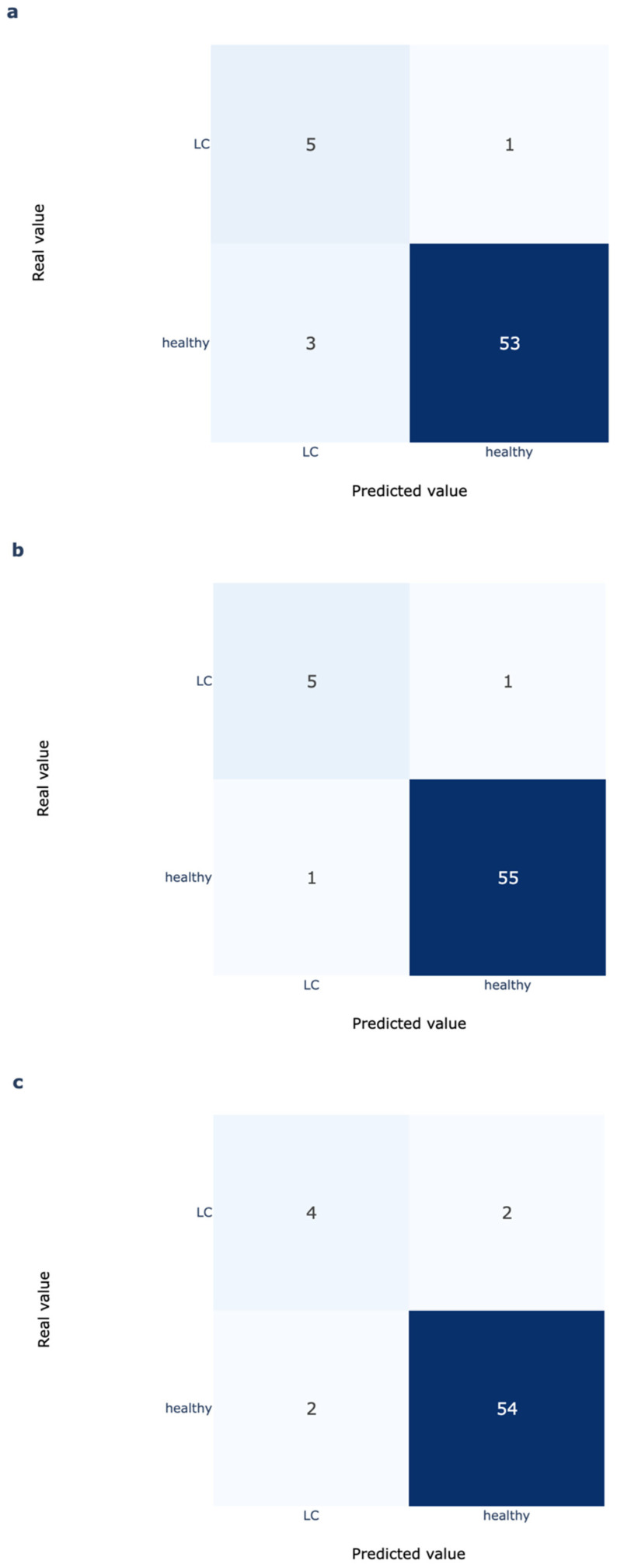 Figure 3
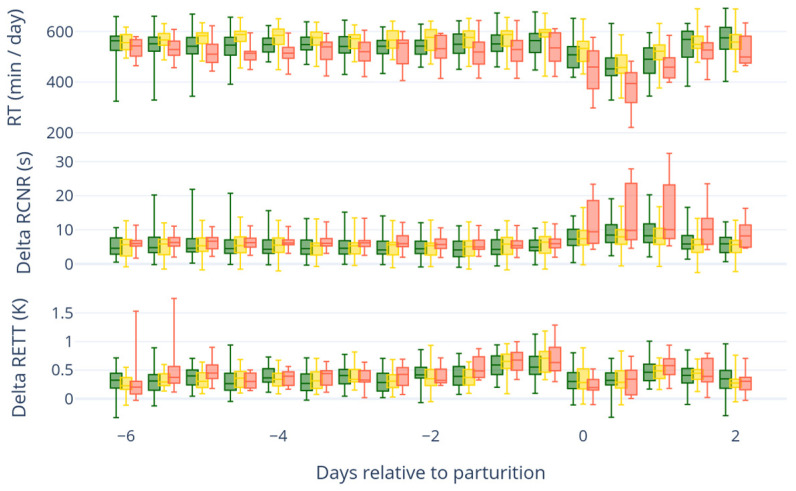 Figure 4
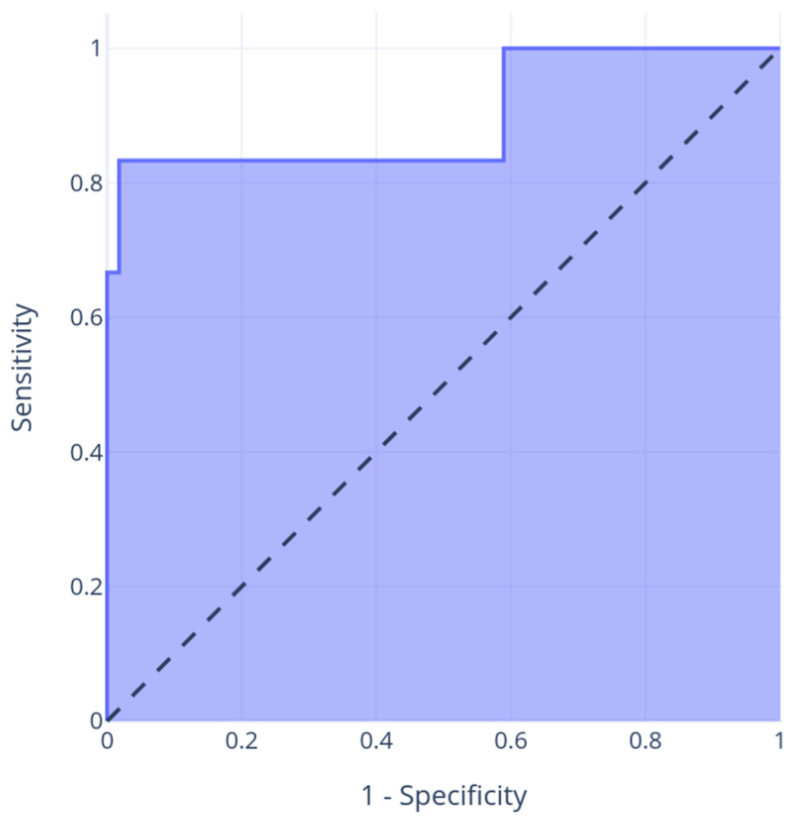 Figure 5
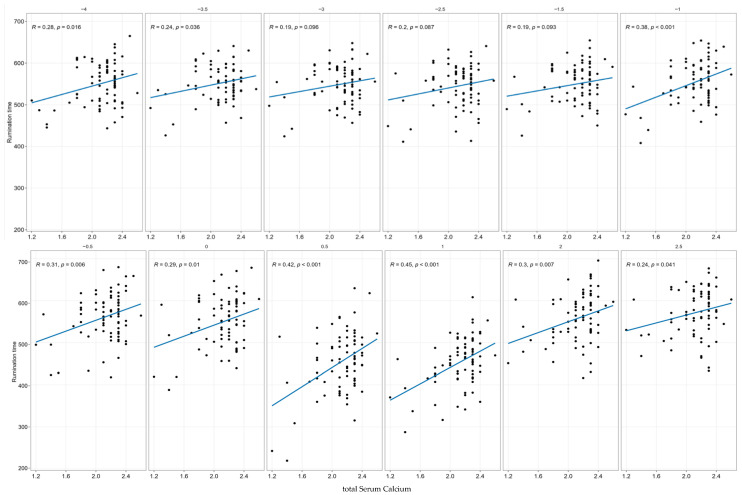 Figure 6
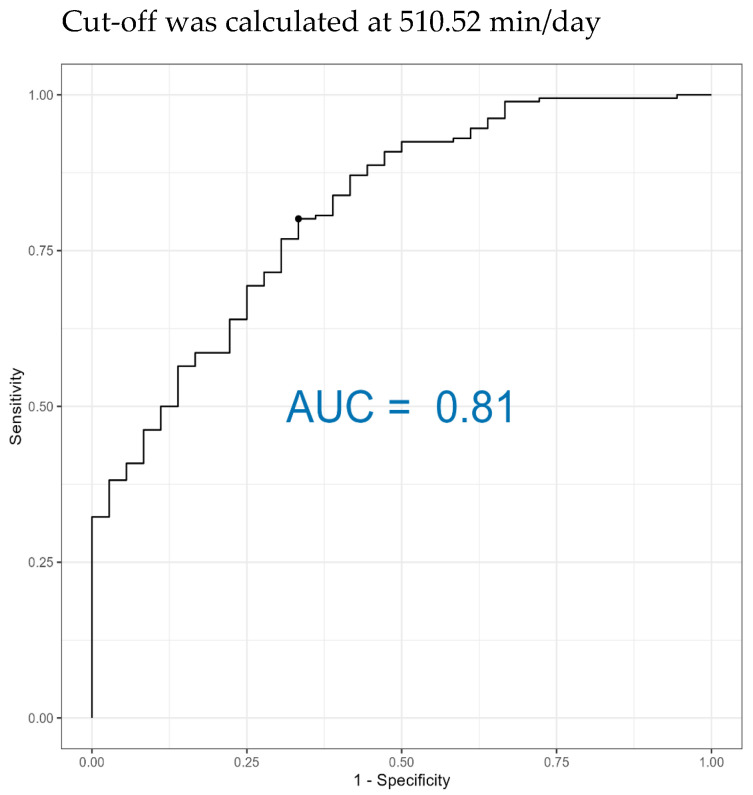 Figure 7
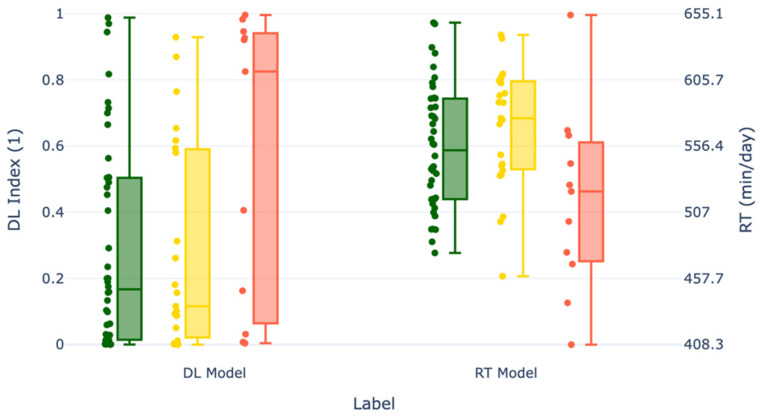 Figure 8
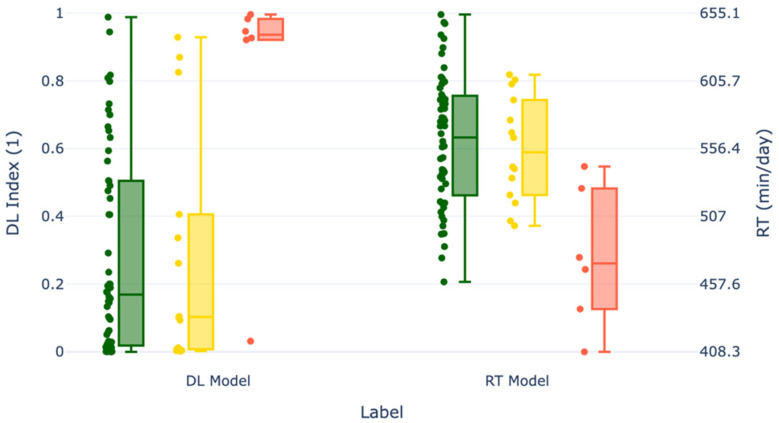 Figure 9
Peer Reviews
No public reviews on file for this paper yet. If you reviewed it on a platform where reviews are public (OpenReview, ICLR, NeurIPS, ICML), you can paste yours below so the community can read it here.
Videos
No videos yet. Explain this paper in a talk, walkthrough, or lecture? Add one.
Taxonomy
TopicsReproductive Physiology in Livestock · Effects of Environmental Stressors on Livestock · Animal Behavior and Welfare Studies